Tom | Flickr
TomD
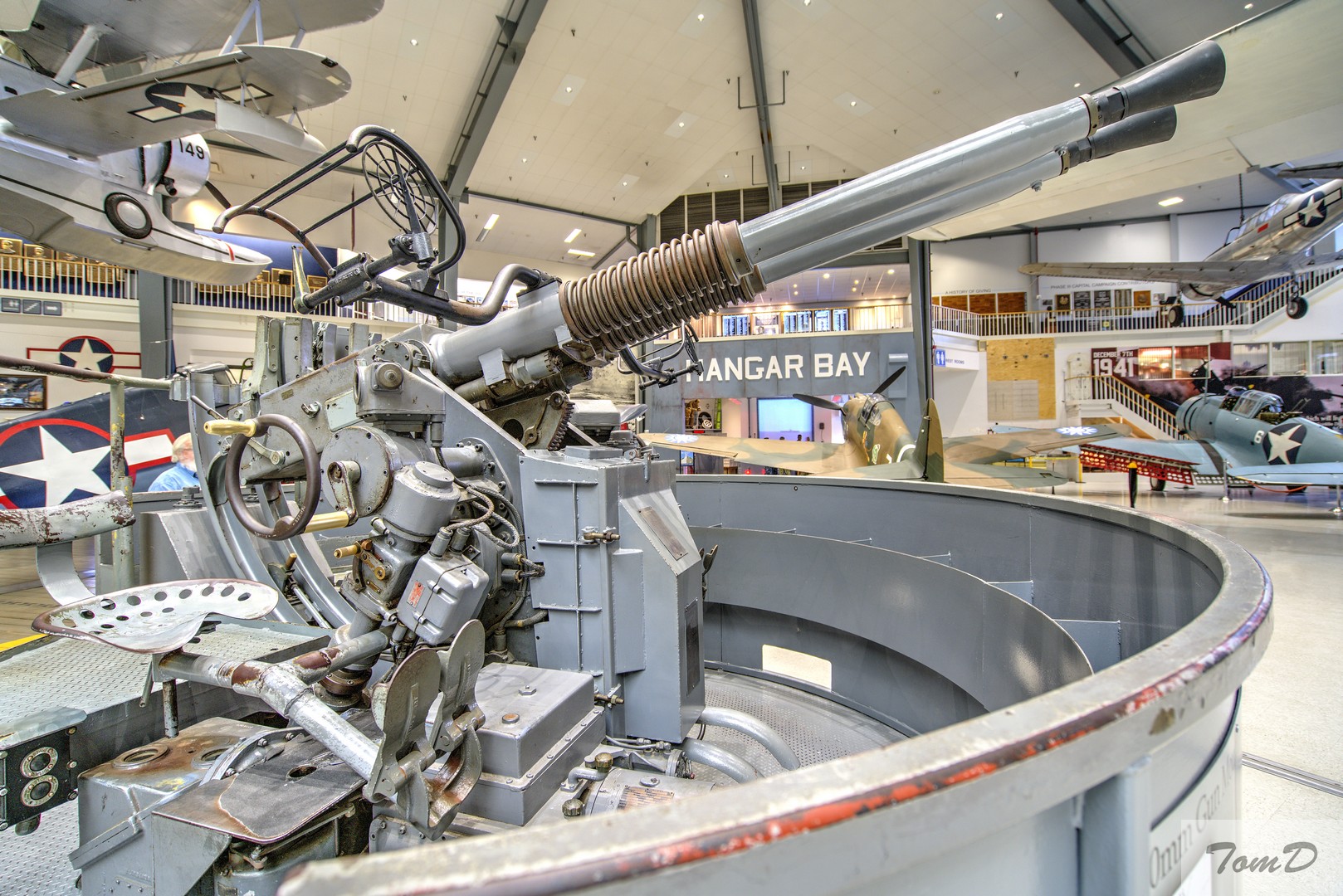
Aircraft Museum WWII Naval Aircraft
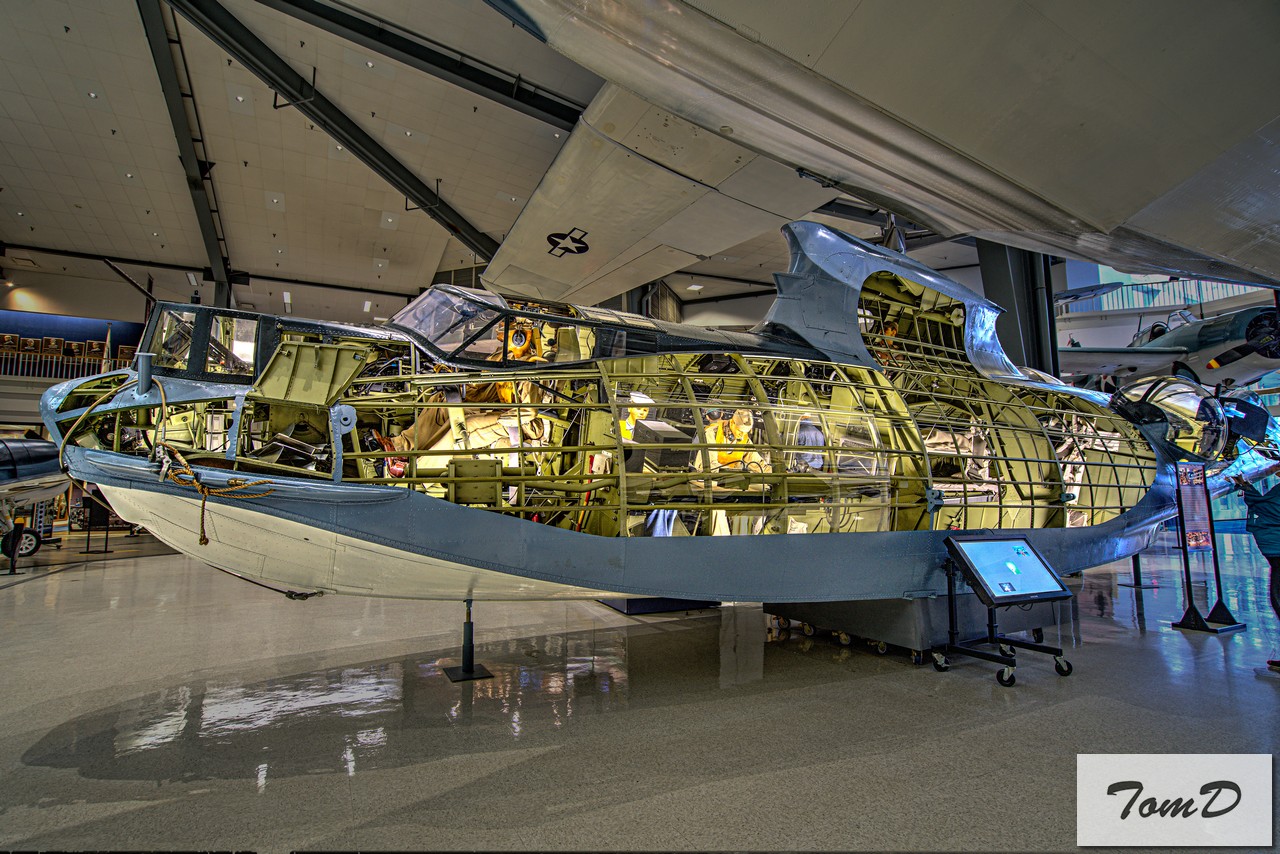
Catalina- This aircraft was not glamorous and so, doesn’t figure into the war stories of WWII but it was probably one of the most important aircraft from the Pacific theater. It was commonly used as a scout and rescue aircraft and was the one that initially reported the location of the Japanese fleet prior to the Battle of Midway.
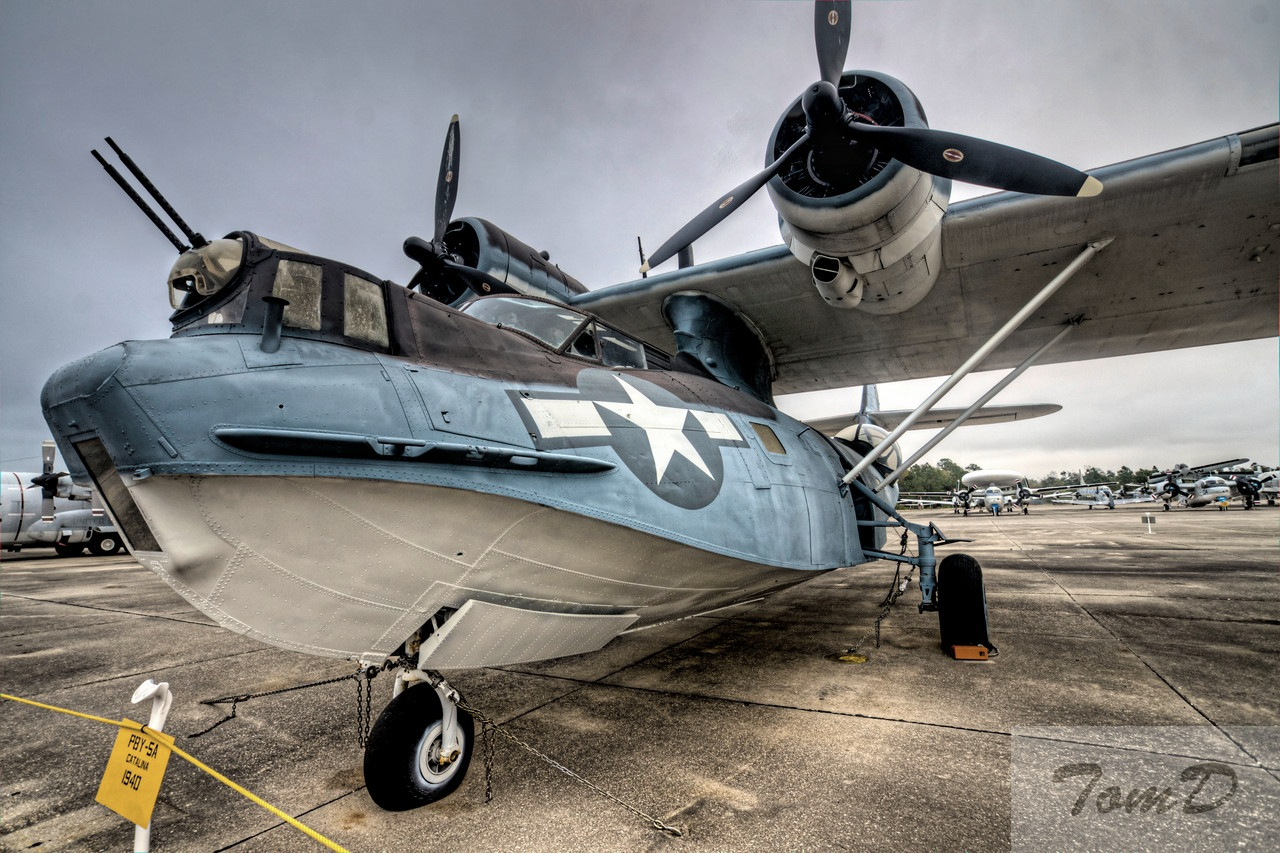
NAS Pensacola was the location from which all Catalina initial training was conducted. This is an actual Catalina modified to be a WWII training aid showing typical activities on the seaplane.
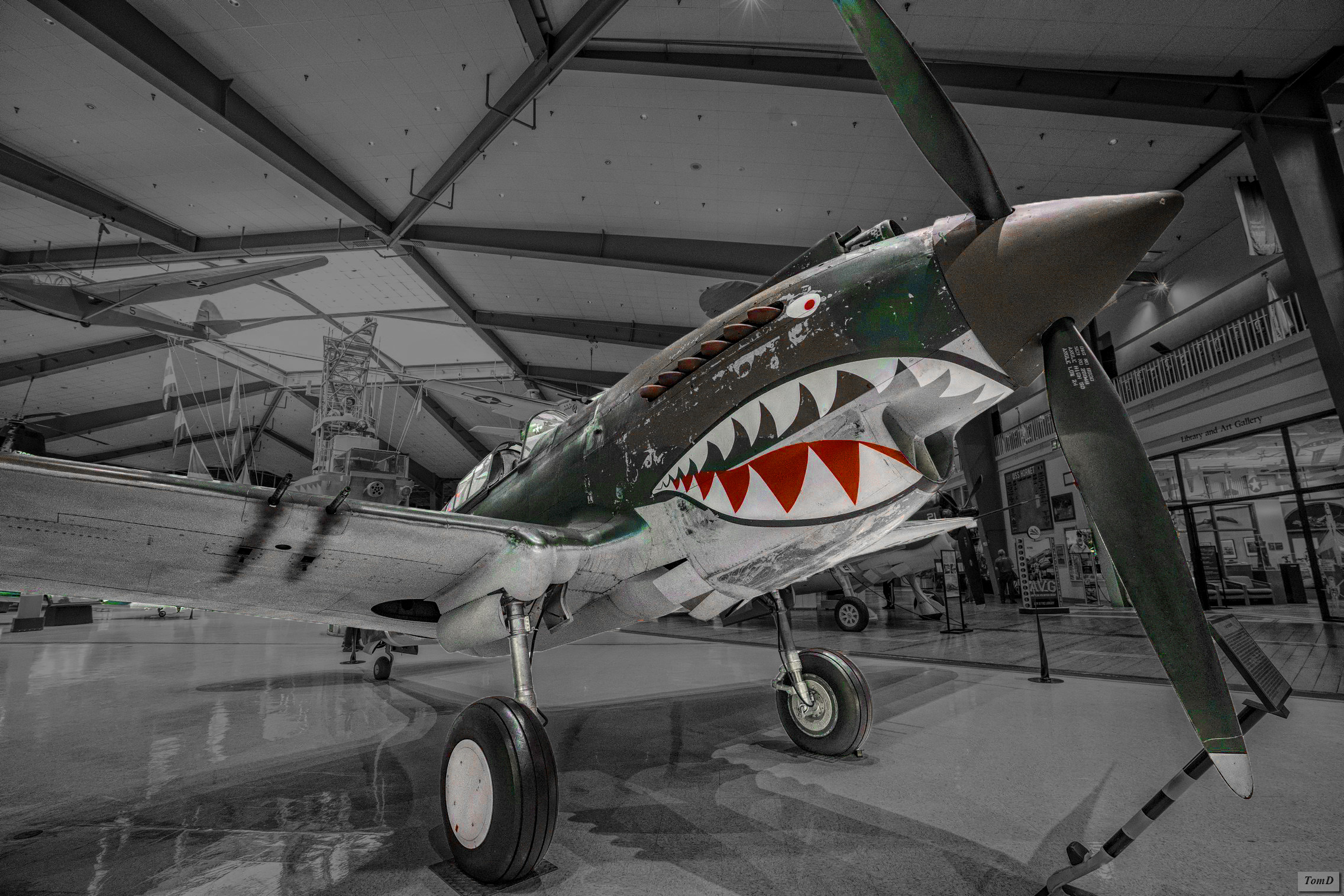
Army P40. P40’s were US Army frontline aircraft introduced in 1938 but were pretty much outclassed by the Mitsubishi Zero but nonetheless had a successful record against other Japanese types in the Flying Tigers prior to the US entry into WWII.
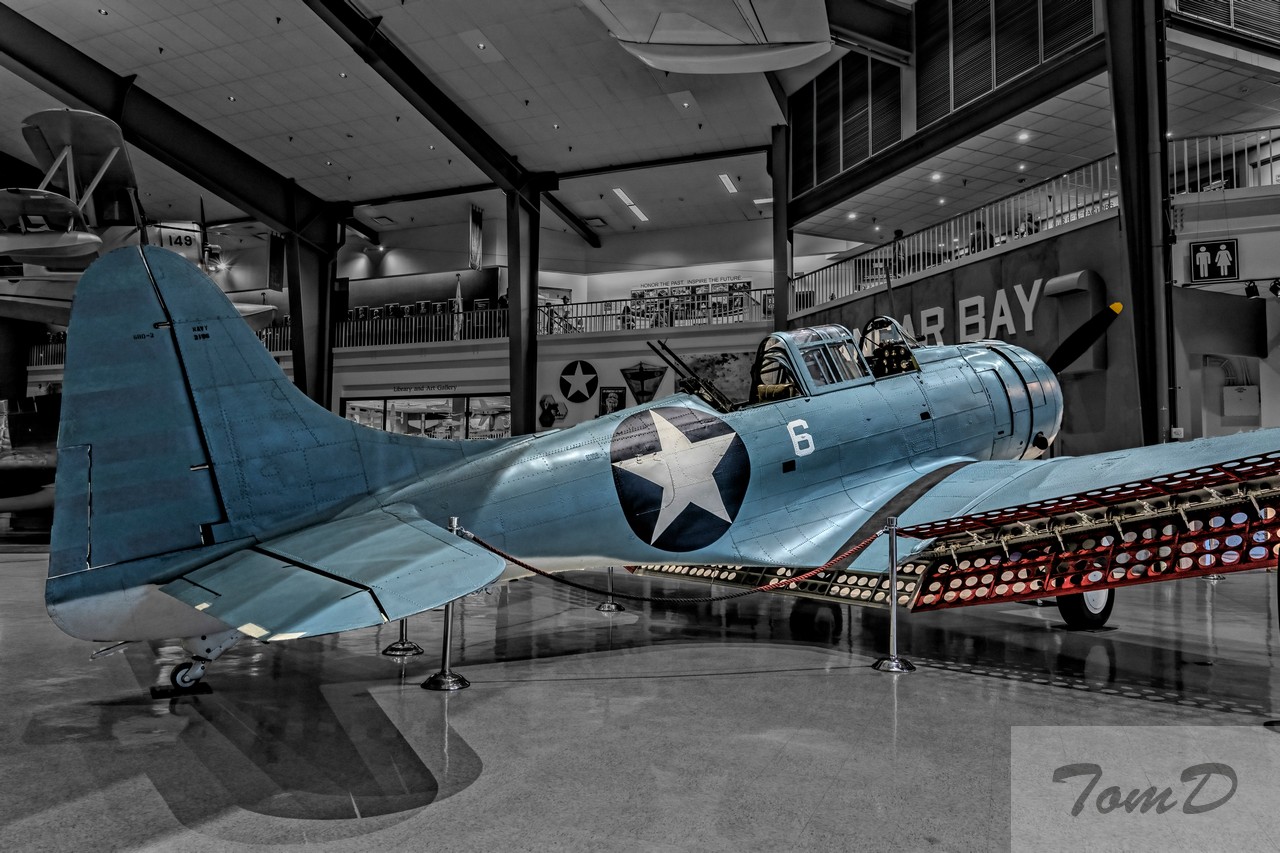
Battle of Midway: to anybody with even a passing awareness of the Pacific Theatre of the war knows of the central importance of the June 1942 battle of Midway in which the US sank 3 Japanese aircraft carriers in about 15 minutes and a 4th several hours later. Such a decisive victory was to leave the Japanese trying to catch up for the remainder of the war. Though things were pretty tough later that year in the 5 Guadalcanal battles that created the Iron Bottom Sound populated chiefly but not exclusively by US ships. Things were pretty desperate for the first 1-1/2 years of the war.
This beautifully restored Douglas SBD, the type that actually sank the carriers, is the last aircraft remaining on earth that took part in the battle. Sometime after the battle, it was declared to be worn out and sent to the US as a training aircraft where some trainee Ensign missed an approach to a training carrier in Lake Michigan. The plane stayed at the bottom of the lake for 50 years until it was retrieved and restored to this condition.
F4U- This famous aircraft probably doesn’t need an intro. Upon its initial intro, the F4U Corsair was considered to be too dangerous and unsuitable for carrier operation because of its essentially zero forward visibility when on carrier approach. Until the British showed to Americans how to do it, the Corsair was limited to ground based Marine Corps usage. The Corsair racked up an incredible kill/loss ratio but it probably was helped by the fact that the Japanese had no means of effective pilot training to replace their losses later in the war. Unlike the US, they left their experienced pilots in the fight until they were killed, losing all of that experience.

The Corsair remained in production longer than any other US fighter and was still in frontline use in some air forces well into the 50’s and the jet age.
In the foreground is a Pratt and Whitney R-2800, a motor that put out as much as 2800 HP in some late war versions and was used in so many US aircraft that I’d have to research to list them all.