I’ve long been an avid photographer and have, on a number of occasions, been paid for my work. My actual profession is (was) Civil Engineer and Project Management in the construction industry.
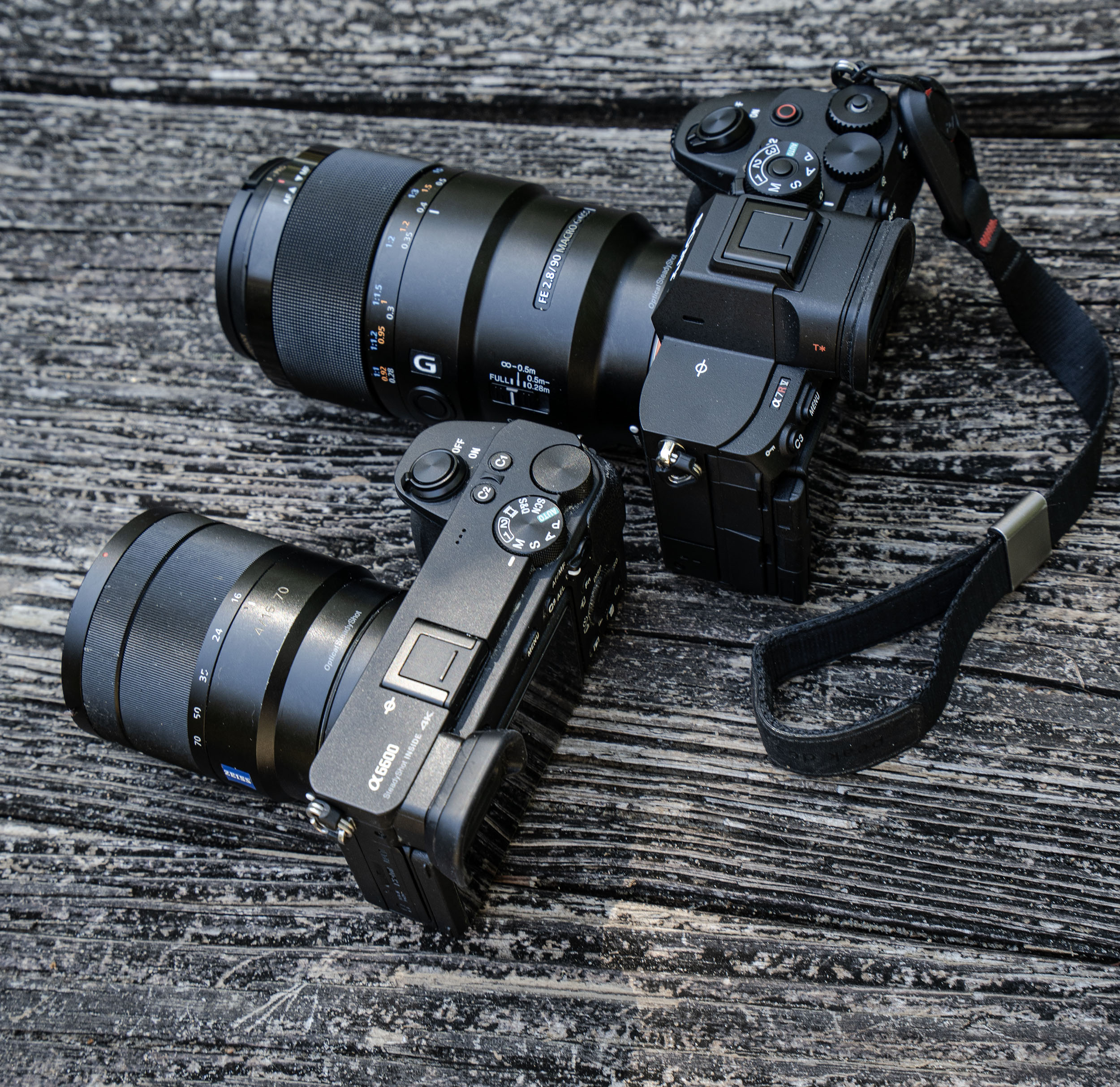
I have 2 cameras for different functions, a smaller, lighter and cheaper “carry around” camera to have with me for targets of opportunity and a larger, heavier and more expensive camera that I use for shoots and studio work. The specific cameras that I use have changed over the years but have followed that format. Currently, the small/light/less expensive roll is covered with a Sony A6600 which retails for in the $1600 range without lens though you could get a good used one for a little more than half that. The larger camera is currently a Sony A7RV, which are retailing in the $3300 range without lenses. Notice both are Sony. Because of the cost of the lenses which will only fit that brand camera, once you start with a brand (Sony, Nikon, Canon, Fuji, Fuji, etc.), you tend to stay with it. No way on earth am I gonna start over on a lens collection, which cumulatively over time can represent far more money than the bodies, if you’re a fanatic. Most normal people can buy one good multipurpose lens and live happily ever after.
I’ve notice that I shoot as many of my favorite shots with the A6600 as with the A7R5 and really haven’t noticed much in the way of quality differences between the two, so I decided to do a test. Shoot the same object with both cameras while eliminating or adjusting for as many of the variables as possible. Then taking the images to do a side by side to see the actual differences between the camera images.
Below is a picture of the two cameras side by side wearing typical lenses.
Here’s how I set it up:
All shots were taken from a tripod
I put the subject, an old Rollei camera on a wood tripod in my yard, in the shade.
The same lens was used on both, a 90mm f2.8 Sony branded macro.
ISO was set to 400. I should have set it to 100 but———
The shots were manual mode 5 sec timer to eliminate camera shake, f5.6, 1/100th sec
Focus was center
For technical reasons, the effective magnification of any given lens is different depending on the sensor size of the camera. To keep the included image the same, I had to move the tripod to equalize a 1:1.5 magnification difference. The shooting distance was 9’ for the A6600 and 6’ for the A7RV.
There were no post production modifications, the images were straight out of the camera as RAW files.
The original images are far too large (24 meg and 70 meg respectively) to put on the net so these images have been changed to jpegs at a more usable file size. But still with no modifications.
Results
The images are below, with the top being from the A6600 and the bottom the A7R5.
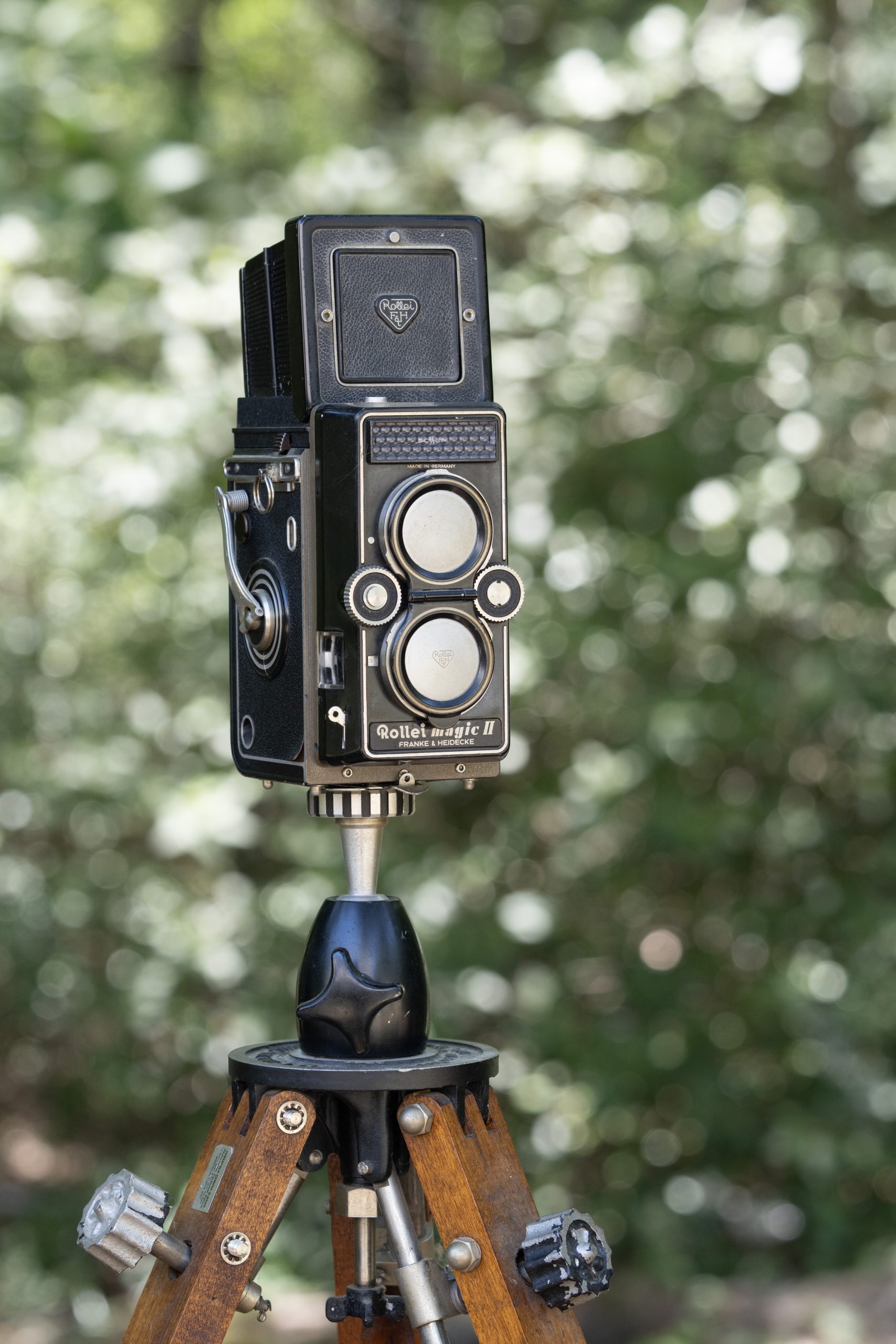
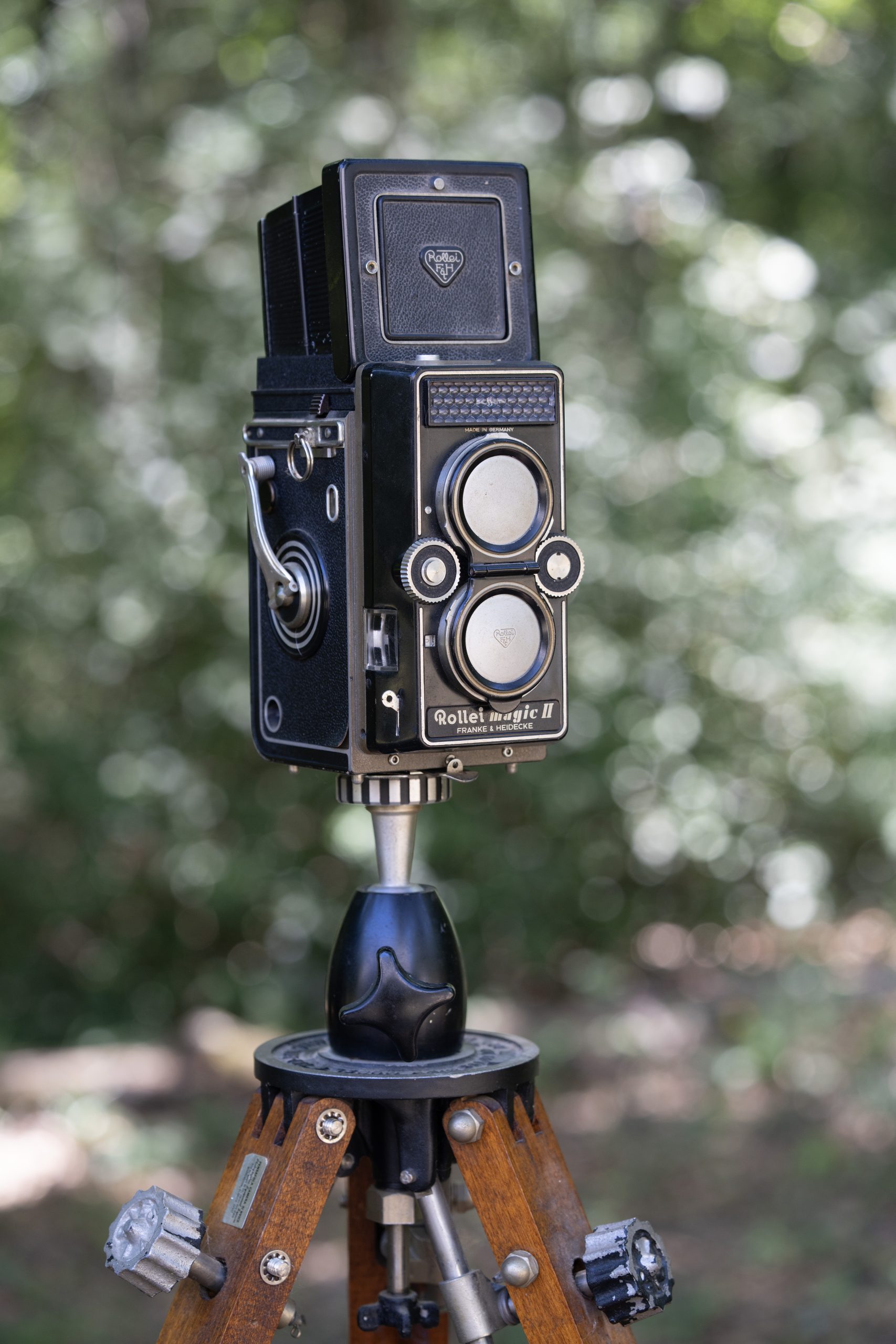
Looking at image quality, there is very little detectable difference. There is a slight difference in white balance and color saturation but I easily and commonly alter any of those attributes in a few seconds with Photoshop. The bokeh is slightly different mostly because ASP-C cameras all have a slightly greater depth of field than full frame. That’s due to optical physics, not camera quality. Usually, you have to shoot an ASP-C camera 1 stop lower to match full frame bokeh.
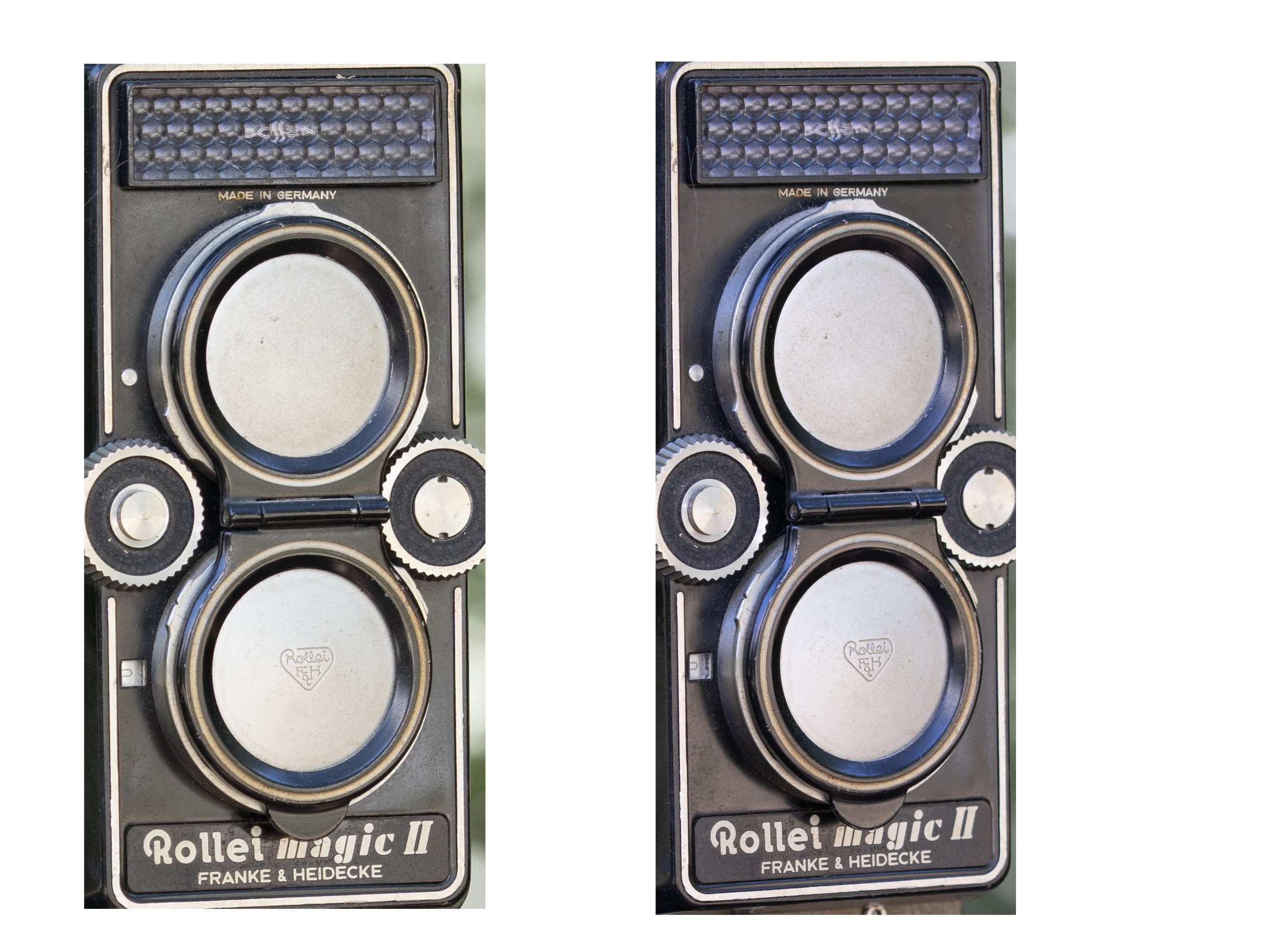
Looking at image resolution (sharpness), below is a side-by-side isolation of the camera face. Just above the top lens is printed “Made in Germany” in small (less than 1/16’’) print. In addition, there is the company logo on the bottom lens with the line thickness in the 1/100” range. If I was required to choose a clear winner, I would have to bore in to the point that the test would have no relevance to what most of us do. Astronomers, perhaps.
The image from the A6600 is on the left and A7Rv on the right
Conclusion:
I really don’t see any substantial differences in image quality I have no doubt that the differences are there but only at levels that would make it moot for the great majority of people. My self too, probably though some of my studio work pushes it hard enough that I’ll keep the full frame.
If you and a friend go on a shoot armed with one of these cameras, given close to equal skill levels, who ever has the best lens is going to get the best images.
Here’s a parallel: For a number of years in my native Atlanta, my profession commonly had me evaluating old abandoned buildings in the downtown area. I was usually by myself and there was almost always lots of evidence of “tenants”. I’m ex-Marine and life time competitive shooter in several different disciplines, so I commonly carried a weapon. When anyone asked my for my recommendation on the best carry pistol, I would reply, “The one you’re most likely to have with you.” That works in cameras too.
Given the marginal differences in image quality between the two formats coupled with the anything but marginal differences in camera weight, size, camera costs, lens cost, & camera portability, it’s hard not to conclude the ASP-C format is superior for 90% of the population. There are advantages to full frame, making large prints for example. A full frame camera will usually be better at low light, high ISO situations such as indoor sports, concerts, night time street photography, some wedding shots, etc. I’ve gotten some indoor shots at an ISO of 12,000 that look fine right out of the camera. An APS-C would be close (at least) to useless at that ISO.
This is based on Sony because that’s what I have but you can get equivalent models with equivalent performance at equivalent price from any of the major camera makers. I also recommend exploring the used markets. Skip Ebay though and look at major camera dealers like B&H or Adorama. Cameras these days are engineered to make it well past 100,000 snaps. An average photographer shoots, what, 1000/year?
Cell phones? Cell phones make decent snapshots but if you want a photograph— Also, cell phones do fairly well as long as the conditions are ideal but the images degrade rapidly otherwise. Then, there is no adjustability. Say, you’re shooting photos of mostly still subjects and everything is fine but later you want to shoot something moving, maybe rapidly. You’re SOL. Cell low light capability truly sucks.
Better a cell than nothing but if you aspire to more.
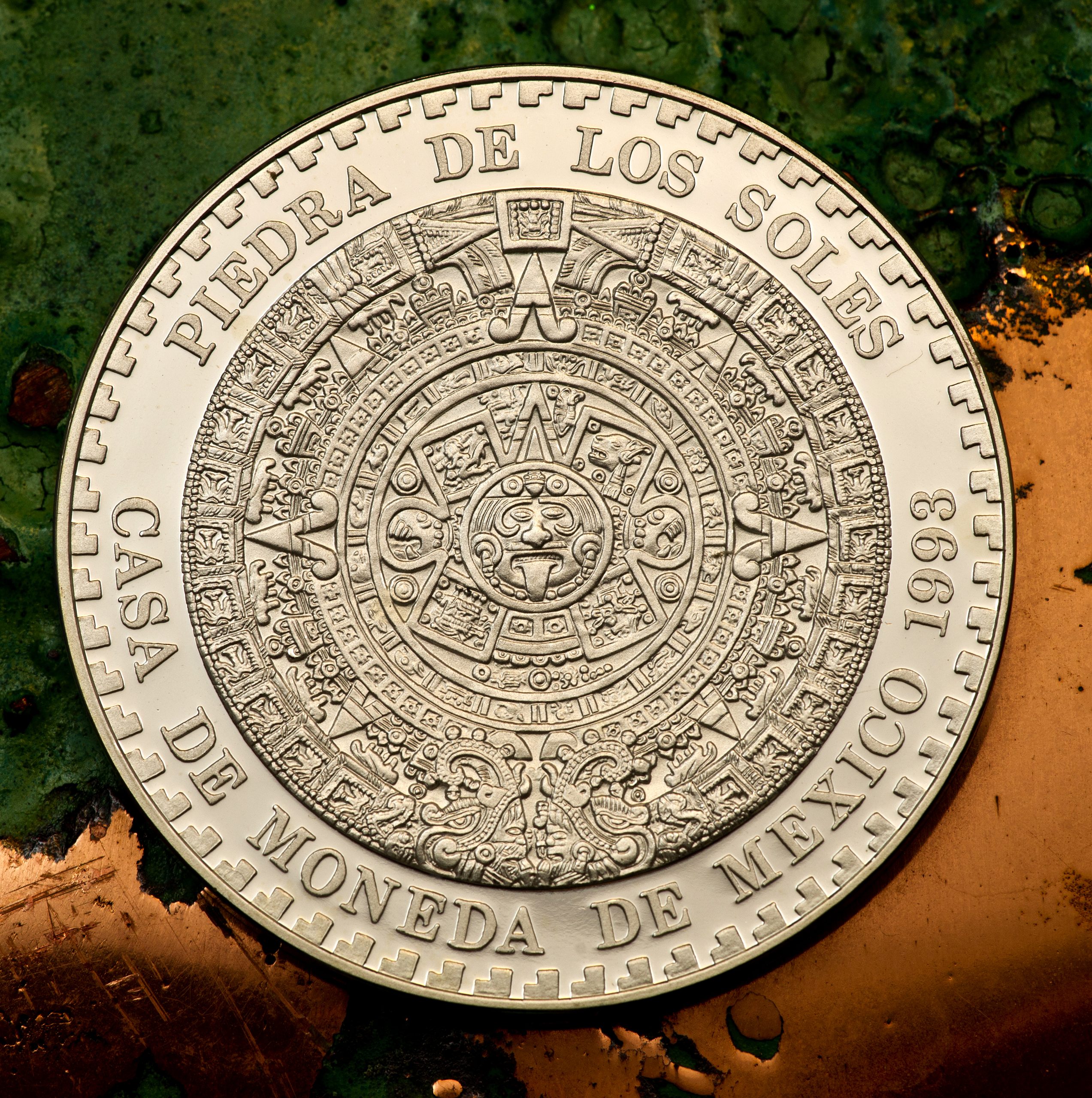
Below is a sample of one of my high rez product photos taken with a full frame. This is one of a series on Mexican coins taken for a online dealer.
TomD