Tom’s World – 10OCT2024 – Museum Aircraft – 5

Tom | Flickr

TomD

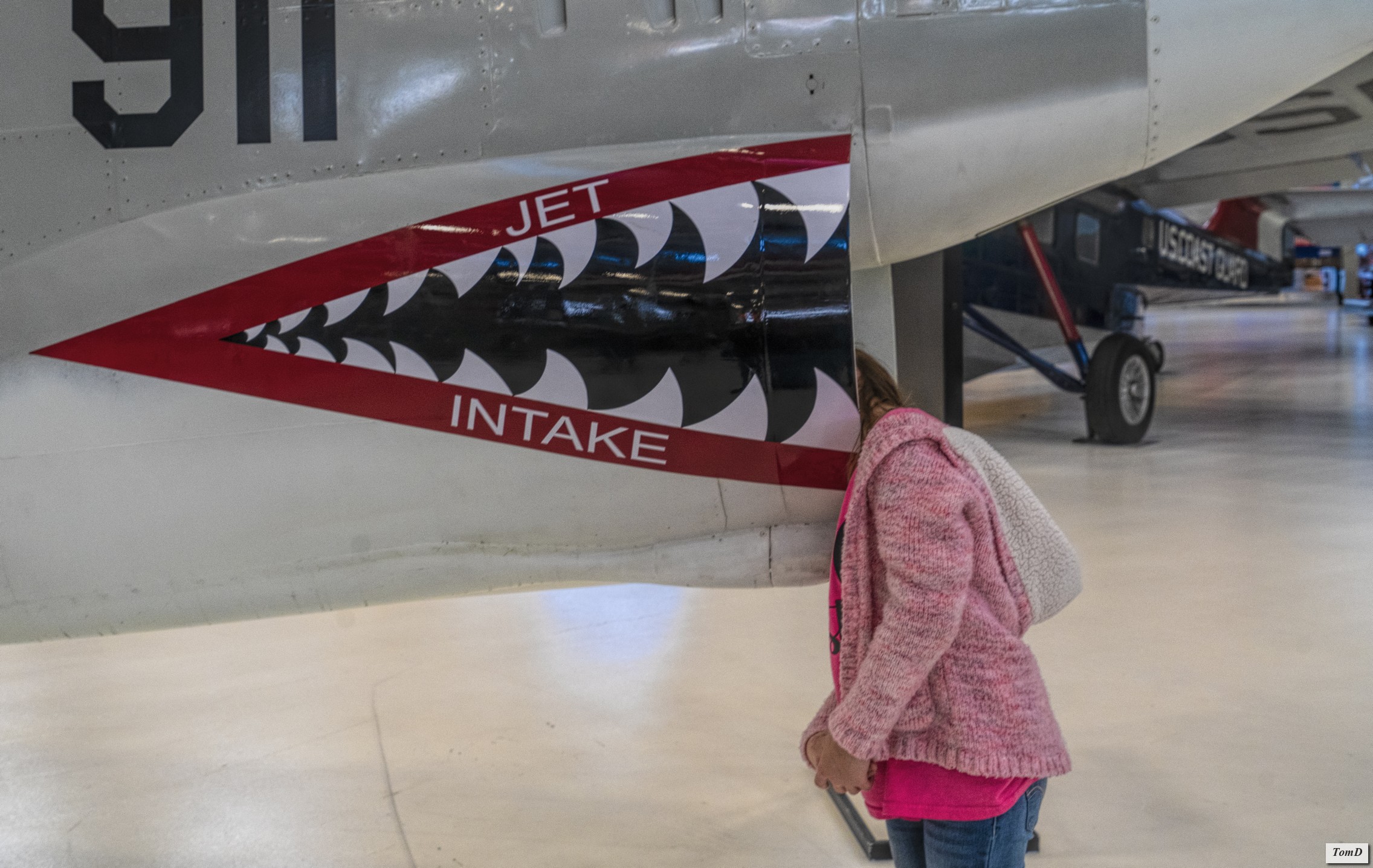
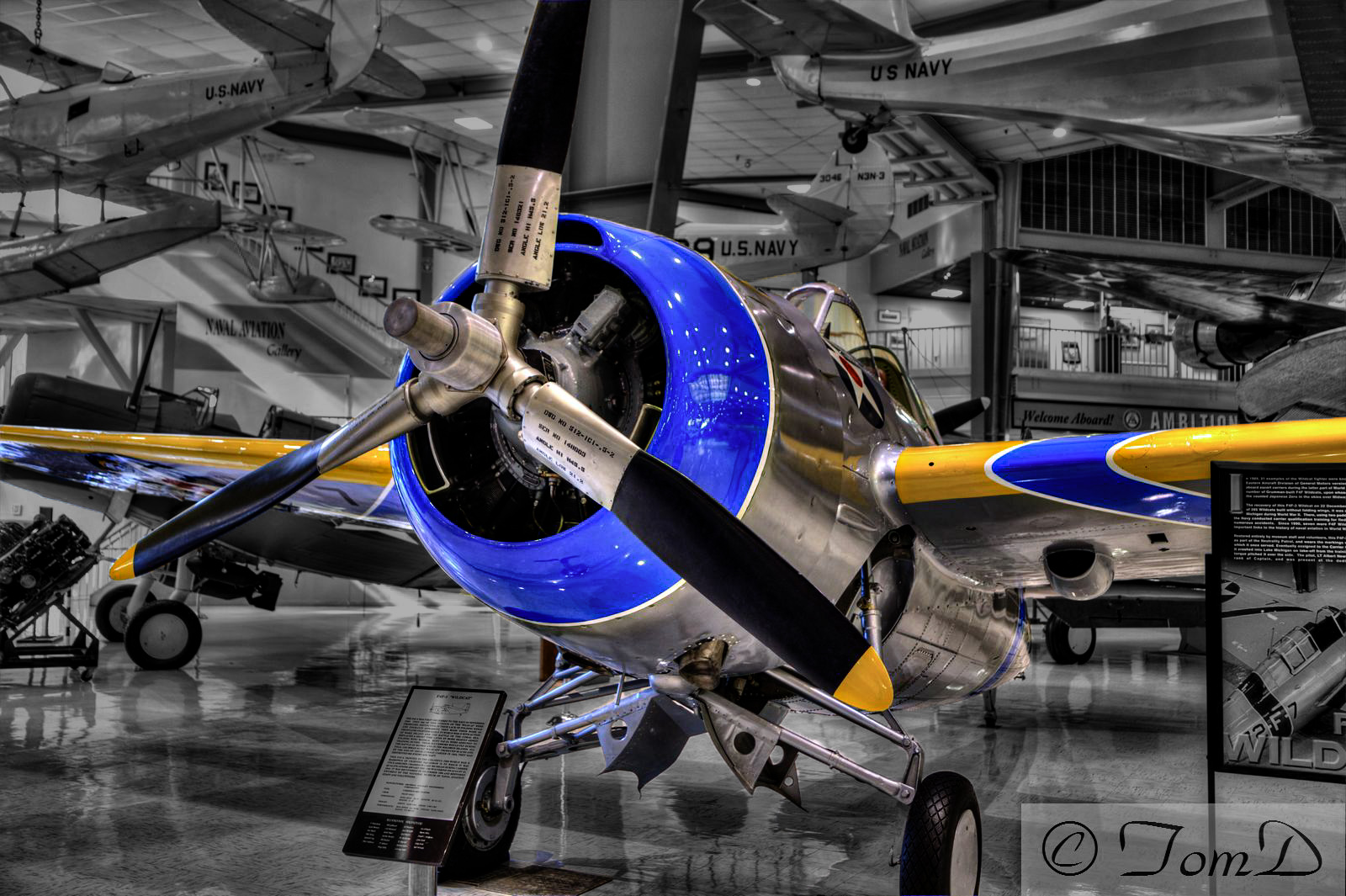
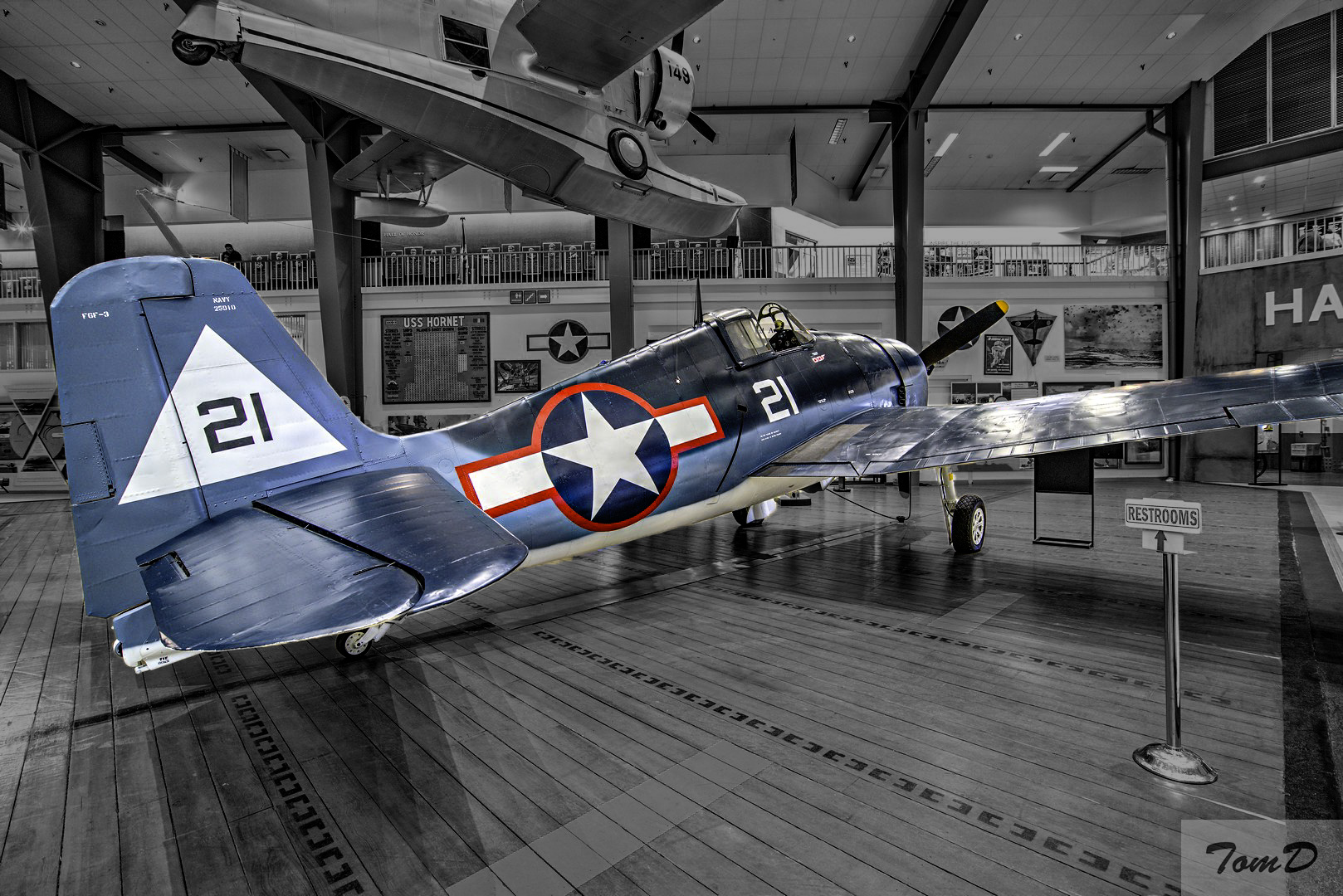
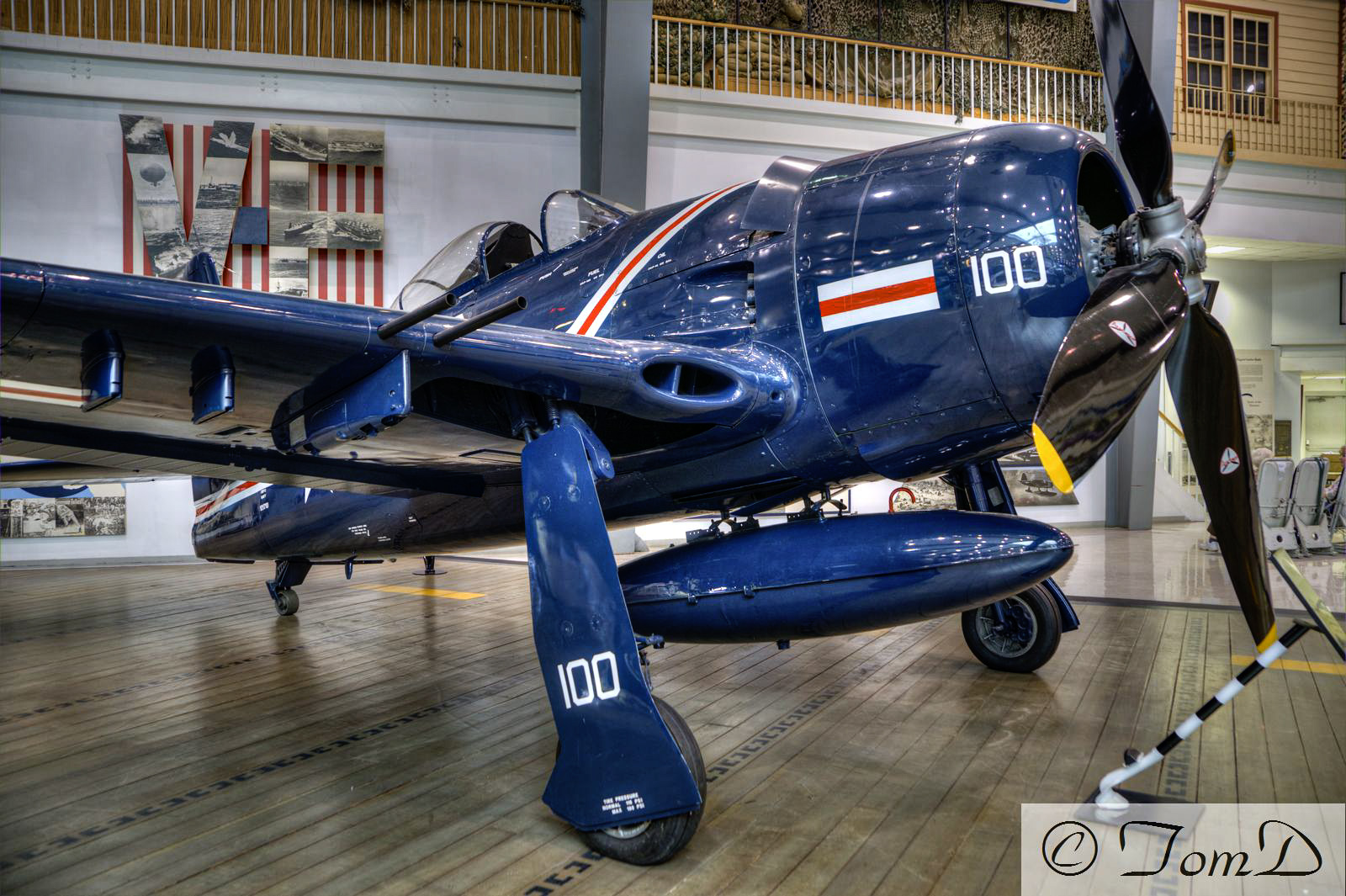
This is a series of photos, all taken at the US Naval Air Museum on base at NAS Pensacola, of US Naval frontline fighters made by Grumman Aircraft introduced to service between the years of 1935 to 1970.

In that short time, front line aircraft evolved from biplanes with open cockpits and a couple of .30 cal MGs as armament to jets at the edge of the atmosphere firing supersonic radar guided missiles from close to 100 miles away. Top speeds went from 260 MPH to 1,560 MPH and rate of climb from around 2,000 FPM (feet per minute) to around 50,000 FPM. State of the art evolved even faster if the 1950’s design F-4 is taken into account.


The subject of these pictures is US Naval frontline fighters originally introduced from 1935 to 1970.


F3: The only aircraft in this series not labeled a cat of some description. The F3 was introduced in 1935 and used as the basis of design for the much more successful and capable F4F. There might have been at least some F3’s around in the Navy at the start of WWII but not many.
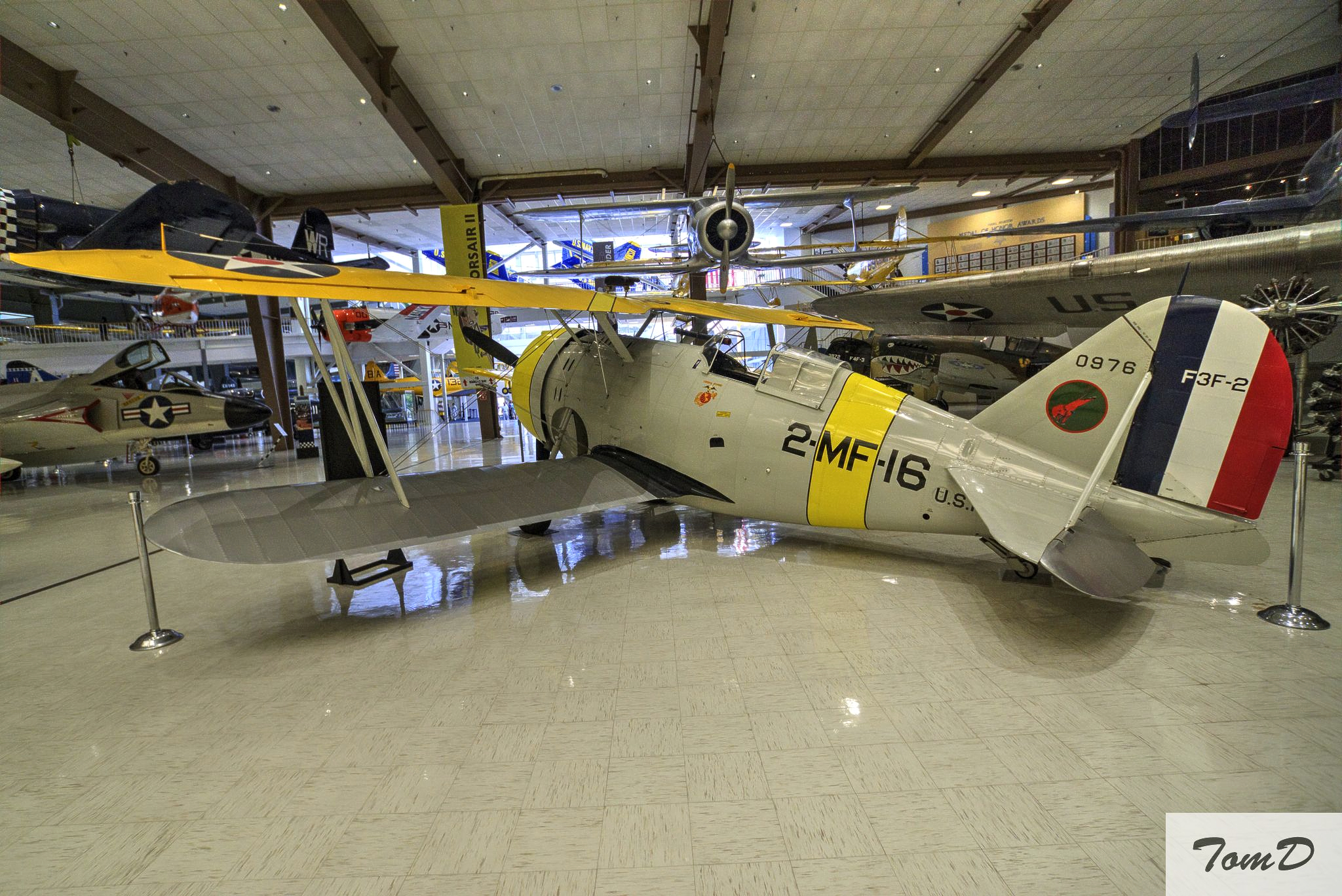
 

F4F Wildcat: The Wildcat was the Navy’s frontline fighter through 1942 and until September 1943 when it was replaced by the F6F. The F4F’s main adversary was the Japanese Zero which outclassed the F4F in a number of aspects. The Navy pilots had to be incredibly brave to get into fights with a much superior fighter. Two things happened: First a mostly intact Zero was found on an Alaskan island, refurbished and intensively tested. A large Achilles heel for the Zero was discovered: in a dive at speed, the Zero’s ailerons froze and it could not maneuver, especially to the right. If you got into a fight with Zeros, dive away, don’t even try to mix it up, or you will die. The second leveling is a result of the Japanese decision to leave their pilots on frontline service until they died or were wounded beyond any possibility of further service. The Americans took their best pilots and shipped them back to become instructors. The Japanese entered the war with supply of the best combat pilots in the world. 18-20 months later of near constant combat atritted that supply to a fraction. By the 1944 Marianas “Turkey Shoot” there were nearly no well trained Japanese pilots still living and functional to face the hoards of well trained American pilots in their then new and far superior fighters.
SONY DSC


F6F Hellcat: Speaking of new and far superior fighters, The Hellcat and its contemporary, the F7 Corsair, would be that. The F6 Hellcat combined with the atritted Japanese skilled pilot pool certainly changed the dynamic of Pacific Theater air combat. The F4F shot down 5,600 Japanese aircraft with a kill to loss rate of 19:1. Admittedly, the average Japanese pilot in 1945 was not even a shadow of an equal to the pilot pool in 1941. Despite the competition of the US Corsair, the F6F was the numerically dominant US fighter in the theater until the end of the war.
 

F8F Bearcat: Bearcats were a stripped and lightened improvement on the F6, with significantly improved performance in the metrics of agility, climb and speed. A little too late though, they were just being introduced as the war ended. You still see racing versions of F8’s at Reno and other pylon racing events.
SONY DSC


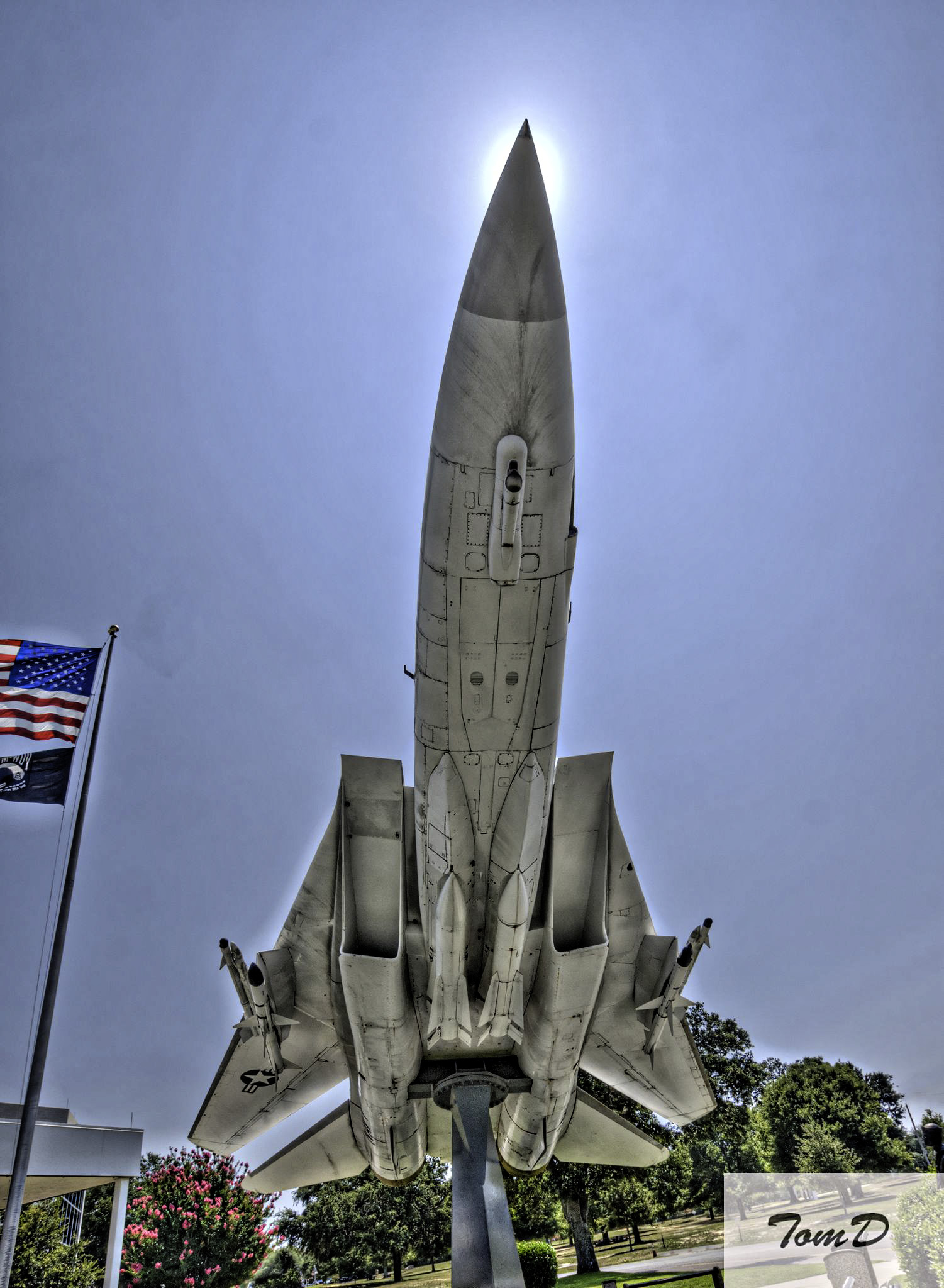
F14 TomCat: F14’s of “Top Gun” fame were the frontline Naval fighter, replacing the F4 starting in 1970 until being retired with the last units leaving service in around 2006. They were heavy, gas hogs, maintenance heavy, complex, expensive but damned effective. It’s fighter replacement, the multirole F18, isn’t as effective as a pure fighter
 

Tom’s World – 09SEP2024 – Museum Aircraft – 1

Tom’s World – 18SEP2024 – Museum Aircraft – 2
Tom’s World – 25SEP2024 – Museum Aircraft – 3

Tom’s World – 02OCT2024 – Museum Aircraft – 4

Apology to TomD and the Site Viewers

Due to an error by the webmaster (me), TomD’s latest post on military aircraft “Tom’s World – 10OCT2024 – Museum Aircraft – 5” was not published this morning as it should have been.

Instead it will appear tomorrow at 9am eastern time.

Please excuse this lapse.  I’ve been juggling a few too many chainsaws of late and it’s beginning to take its toll.

photog

Tom’s World – 02OCT2024 – Museum Aircraft – 4

Tom | Flickr

TomD

While I’m doing aircraft I’ll up the picture count because I have so blasted many of them and we’d still be posting aircraft during the 2028 election cycle. (Slight exaggeration there.)

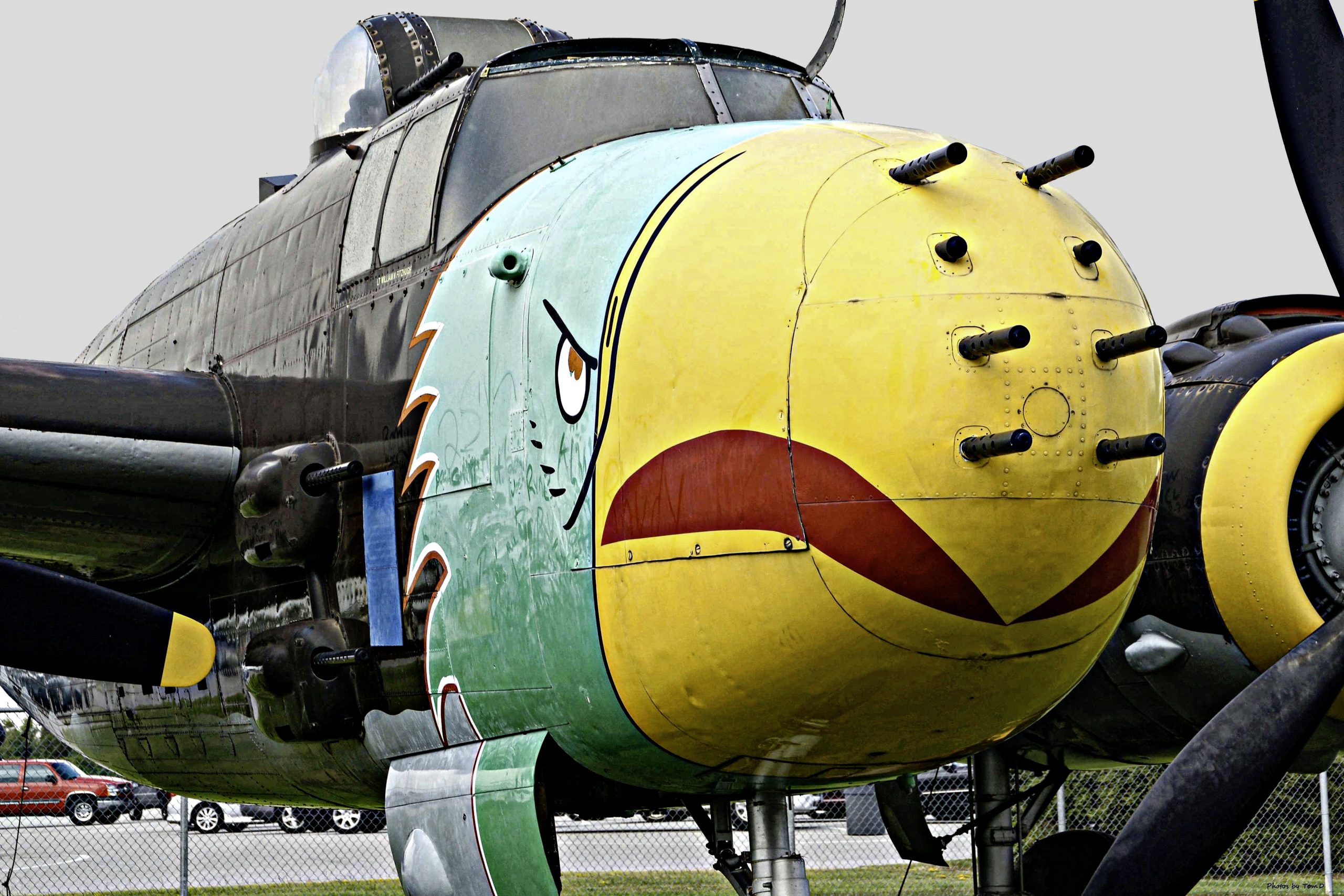
B25 Gunship: This was a WWII variant of the B25 when someone asked the question of “just how many 50 Cal machine guns can we hang on a B25 and have it still fly?” The answer was “Quite a few”. I’m pretty sure this variant was used exclusively in the Pacific Theater.

SONY DSC

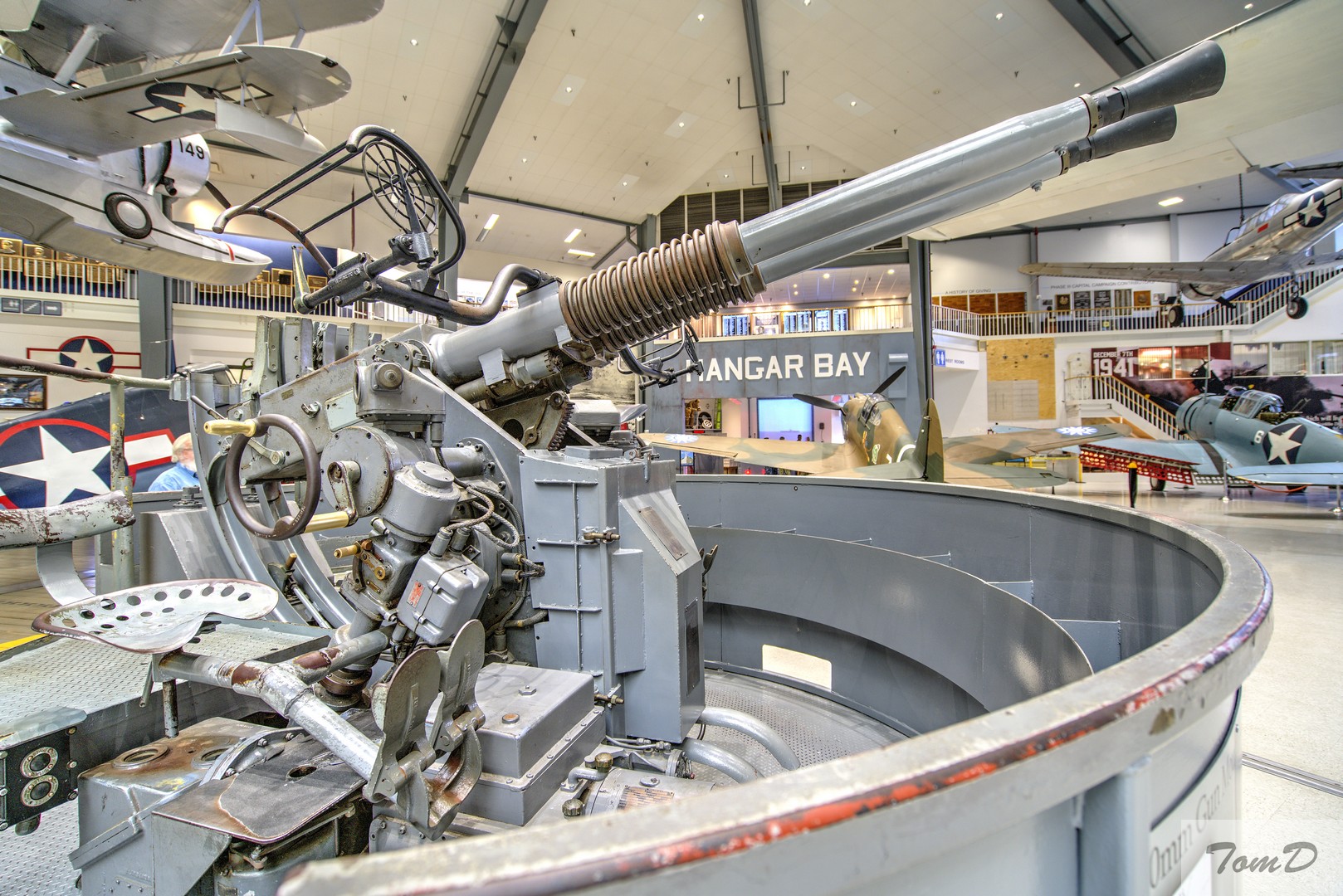
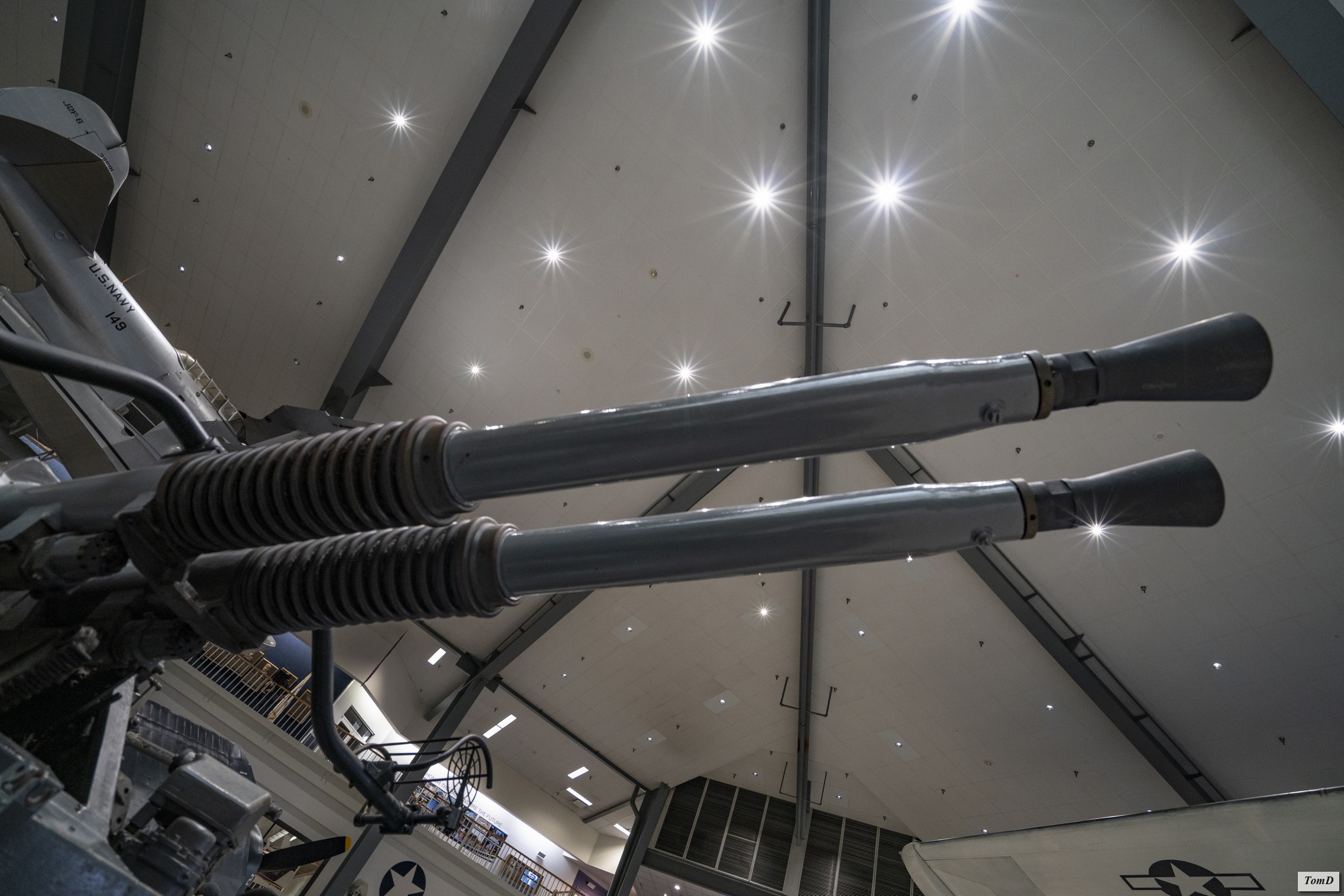
40MM Borfors: Another view of this famous weapon.

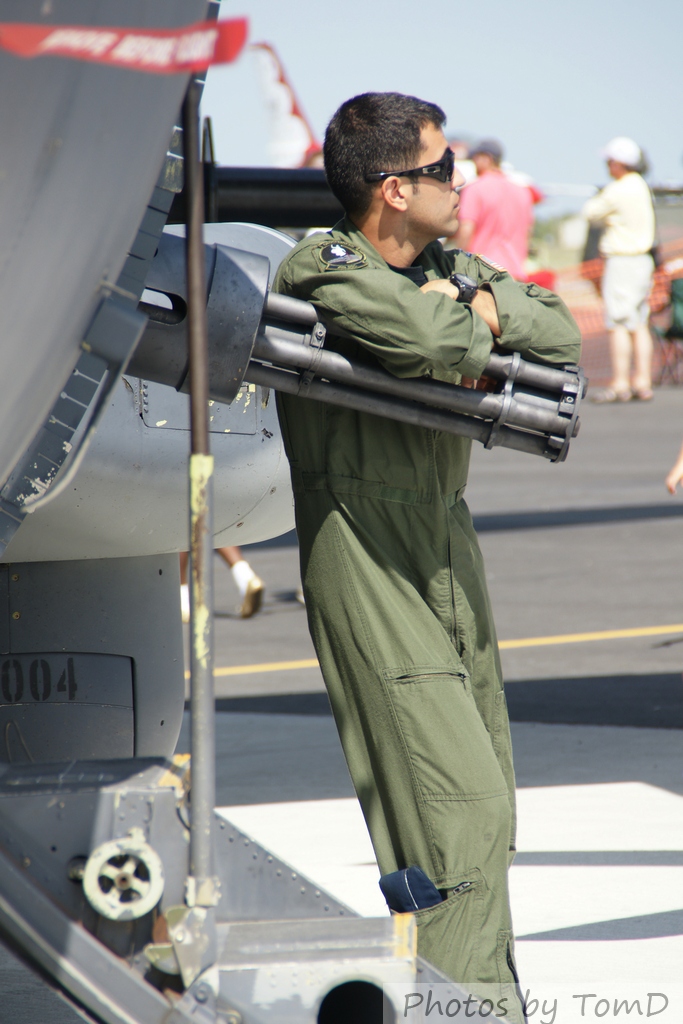
130 Gunship Crewman: Just lounging around as the civilians swarm around your aircraft.

SONY DSC

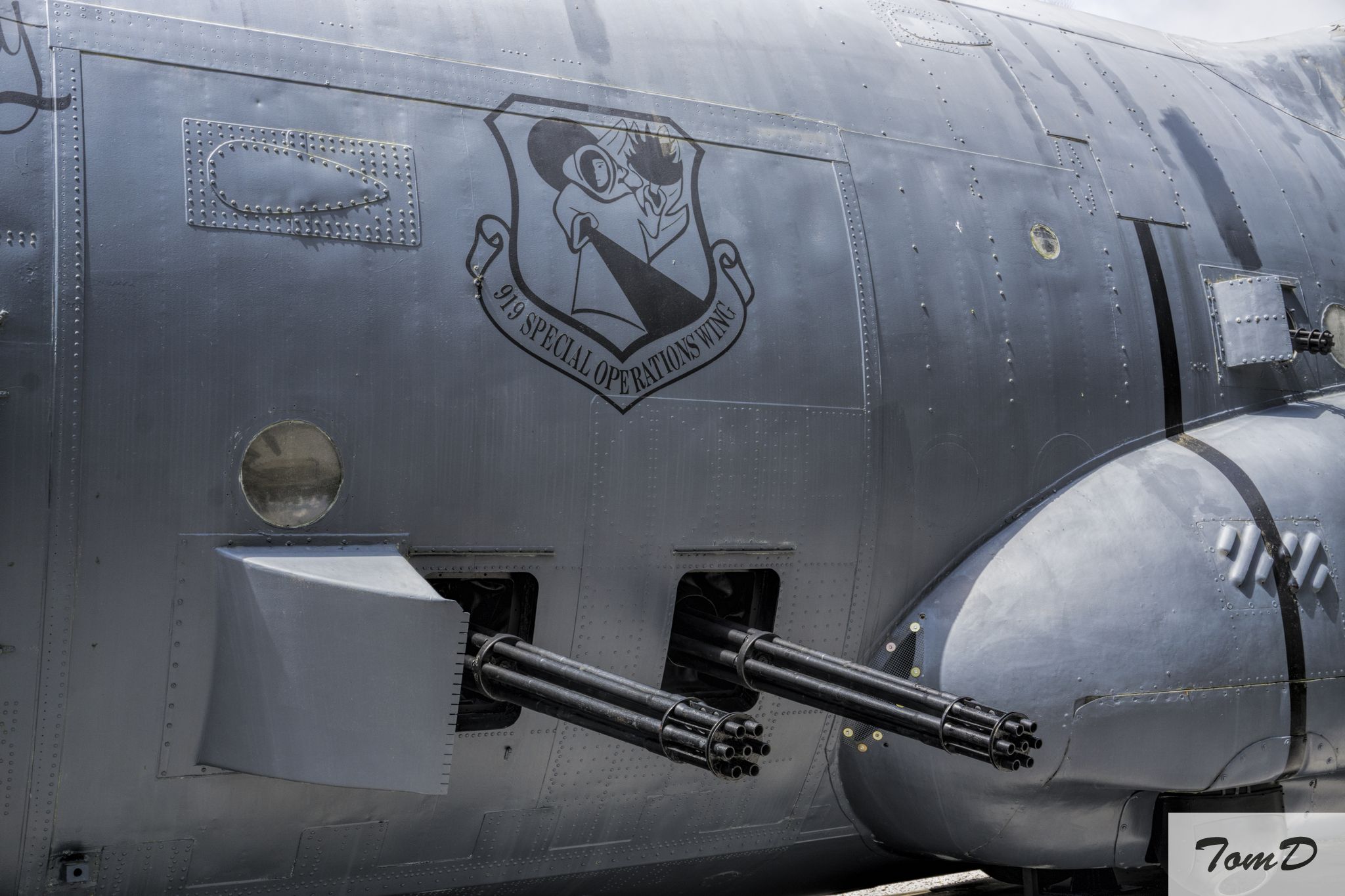
Armament on a C130 Gunship: This shot was taken on Hurlburt Field, the operational headquarters of most of the Special Forces and their aircraft support. Three mini-guns is unusual, usually there is one 25mm. This aircraft also had a 105 and a 40mm outside this view.

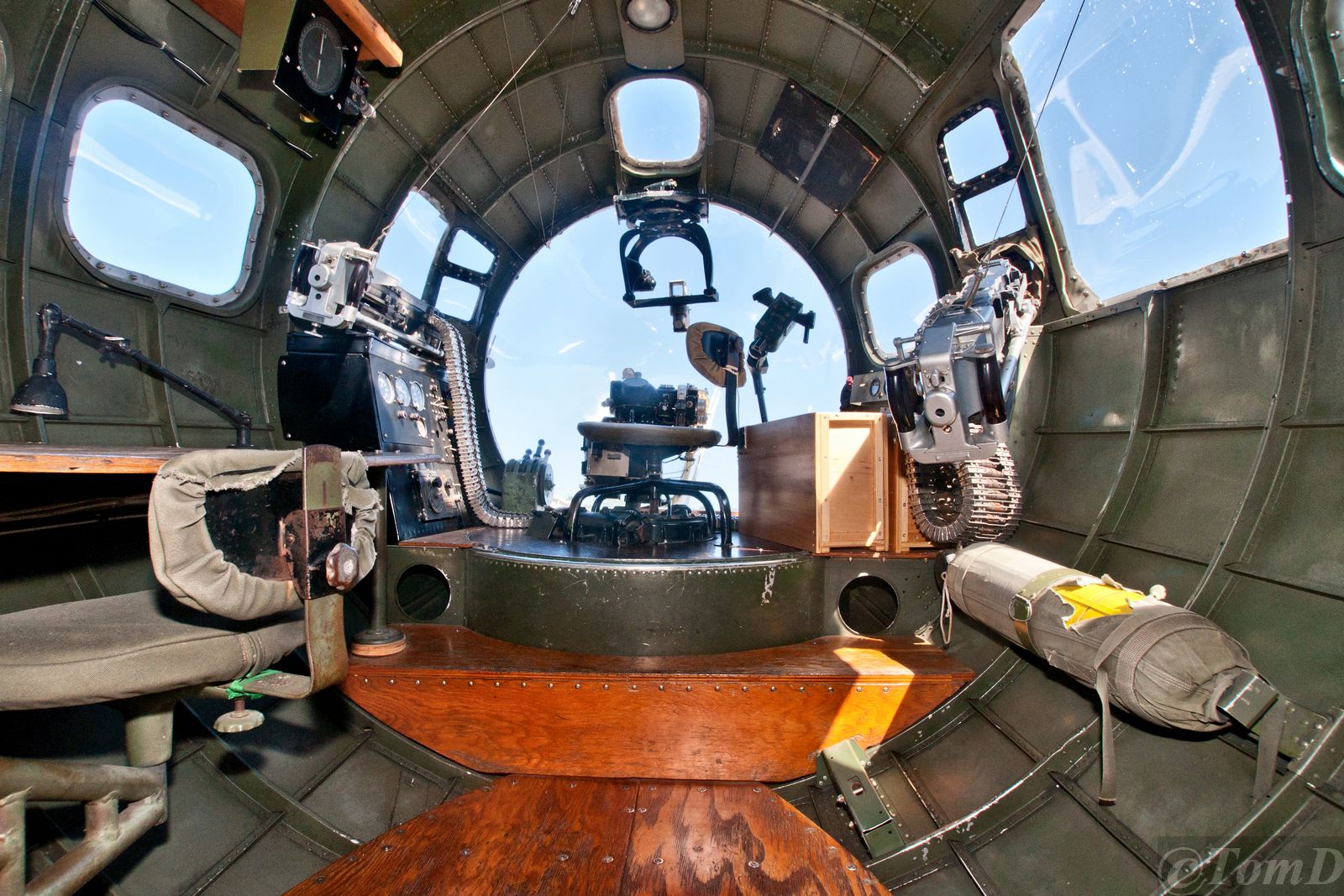
B17 Bombardier: Bombardier station for a WWII B17 bomber. The Germans shot these things down by the many 1,000’s during the war, each one representing the loss of 9 crewmen.Through 1943 and 1944, the probability of making it through a 25 mission tour was essentially zero. Both the German fighter and flack defence was viciously effective. Same story for the American B24’s and the various British bomber crews.

SONY DSC

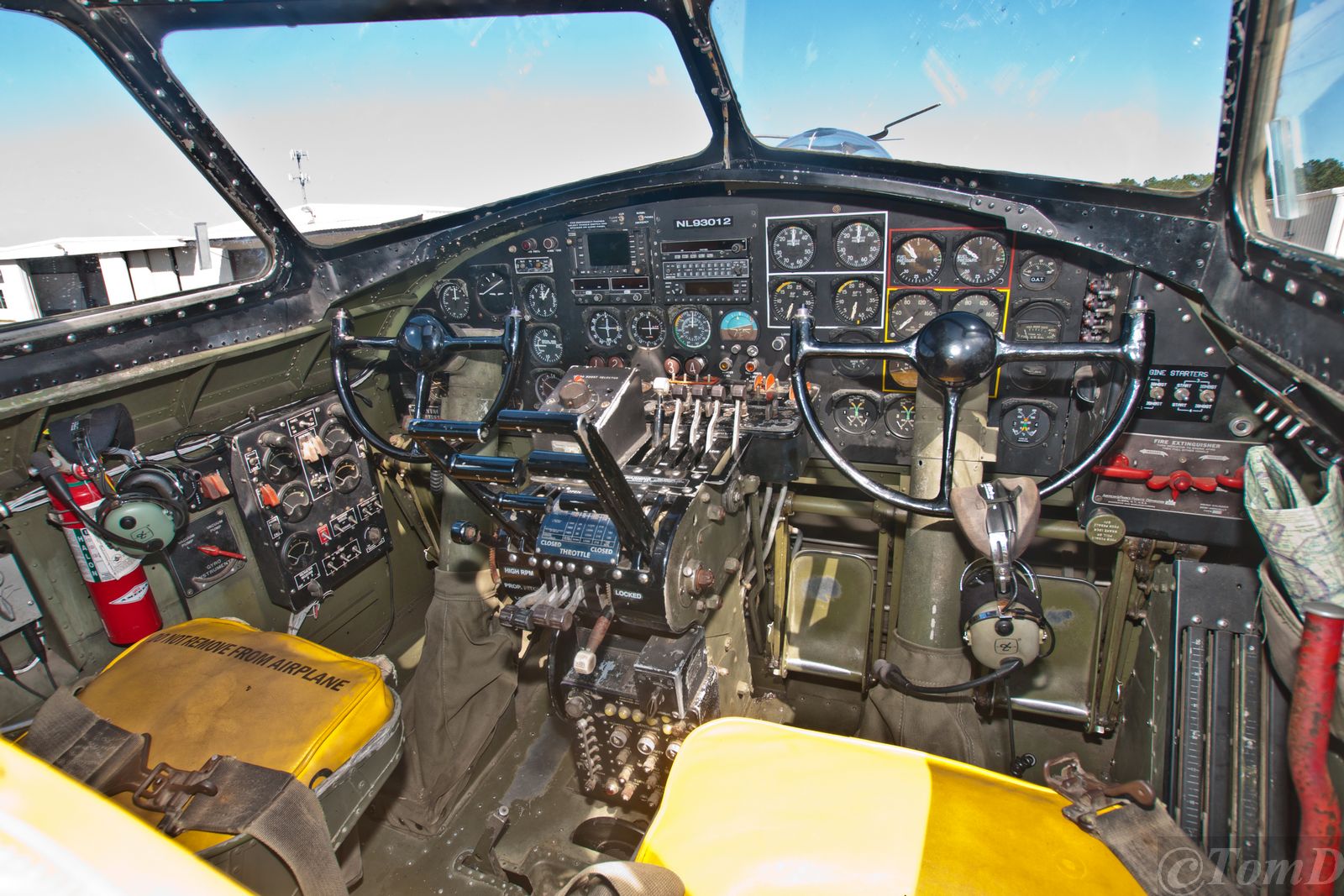
B17 Cockpit: Pilot on the left and CO pilot on the right. One of the tactics the German fighters used to great success was to come at the bombers from the front, avoiding the bristling 50 cal MG’s. Can you imagine being locked in formation, unable to maneuver, while a heavy cannon armed FW 190 comes dead at you guns blazing?

SONY DSC

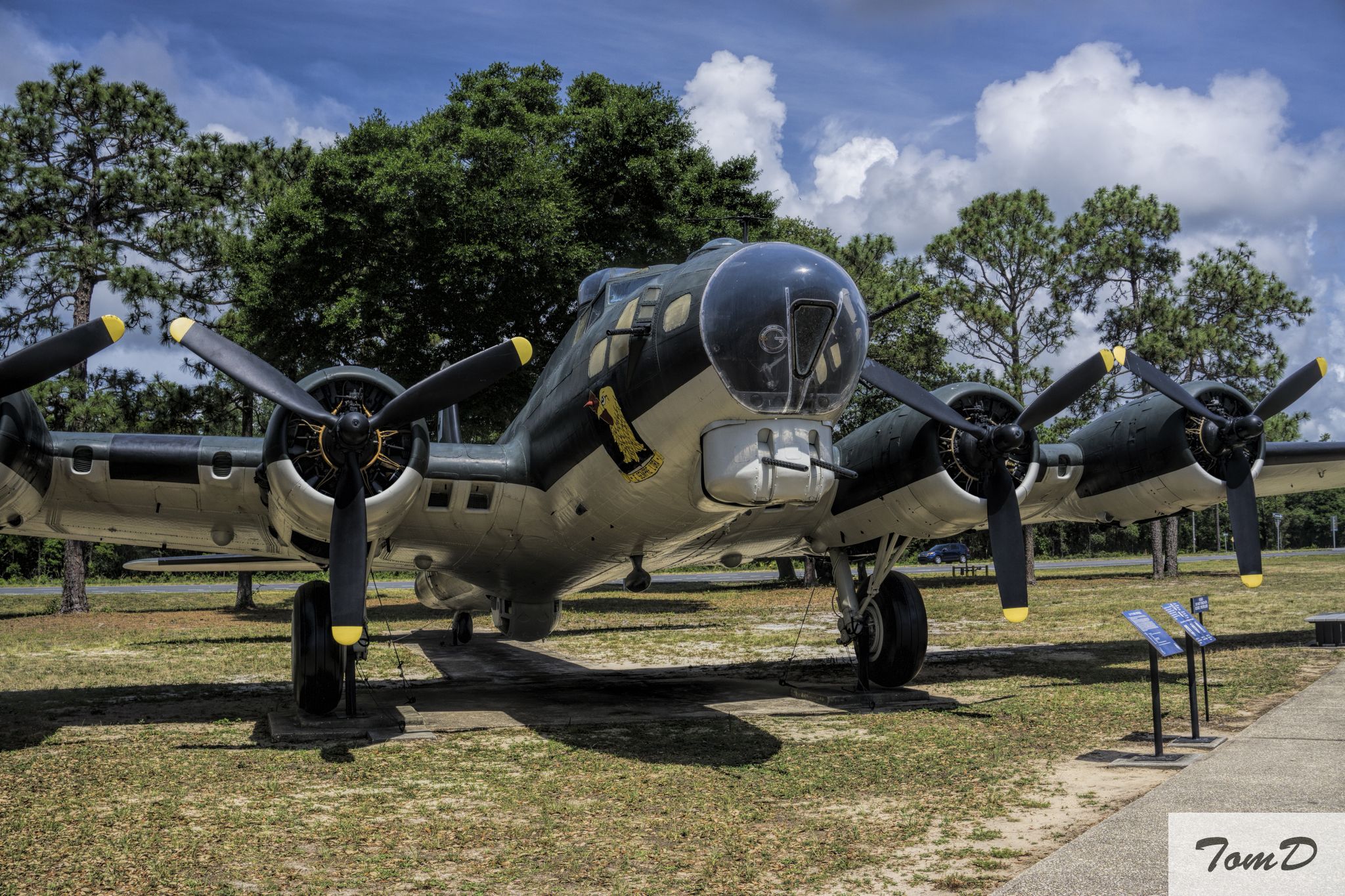
B17 Bomber: This shot was taken at the Air Force Museum at Eglin AFB.

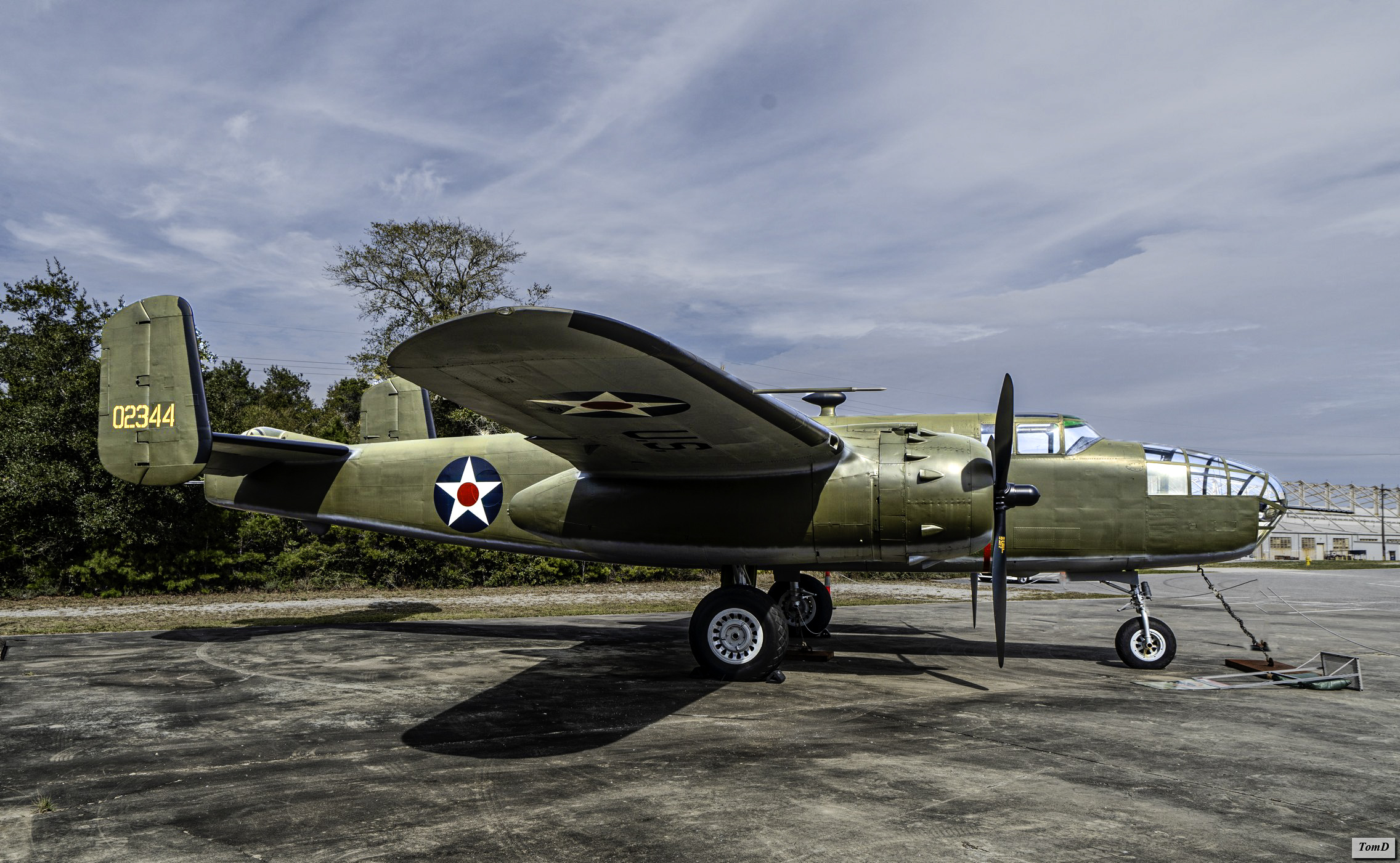
B25 Bomber: This is a side view of the same plane I posted earlier. Taken at NAS Pensacola.

Tom’s World – 09SEP2024 – Museum Aircraft – 1

Tom’s World – 18SEP2024 – Museum Aircraft – 2
Tom’s World – 25SEP2024 – Museum Aircraft – 3

Tom’s World – 25SEP2024 – Museum Aircraft – 3

Tom | Flickr

TomD

Aircraft Museum WWII Naval Aircraft

40 MM Bofors, The 40 MM Bofors was, along with the 5′  38 caliber cannon,  were the centerpieces of the most effective anti-aircraft systems the world has ever seen to that point. It was widely used, interestingly, also by Germany and, to a lesser extent, Japan during the war. Several years ago, I was climbing around the interior of a C130 gunship and came upon what looked to be a Bofors. Talking to a crewman, he confirmed it was indeed a WWII era manufactured piece stripped from surplus ships and stored. The US made around 60,000 of them. They are still using WWII surplus ammo. I figured why not since the Gunships are also using 105 mm howitzers from the Viet Nam era.


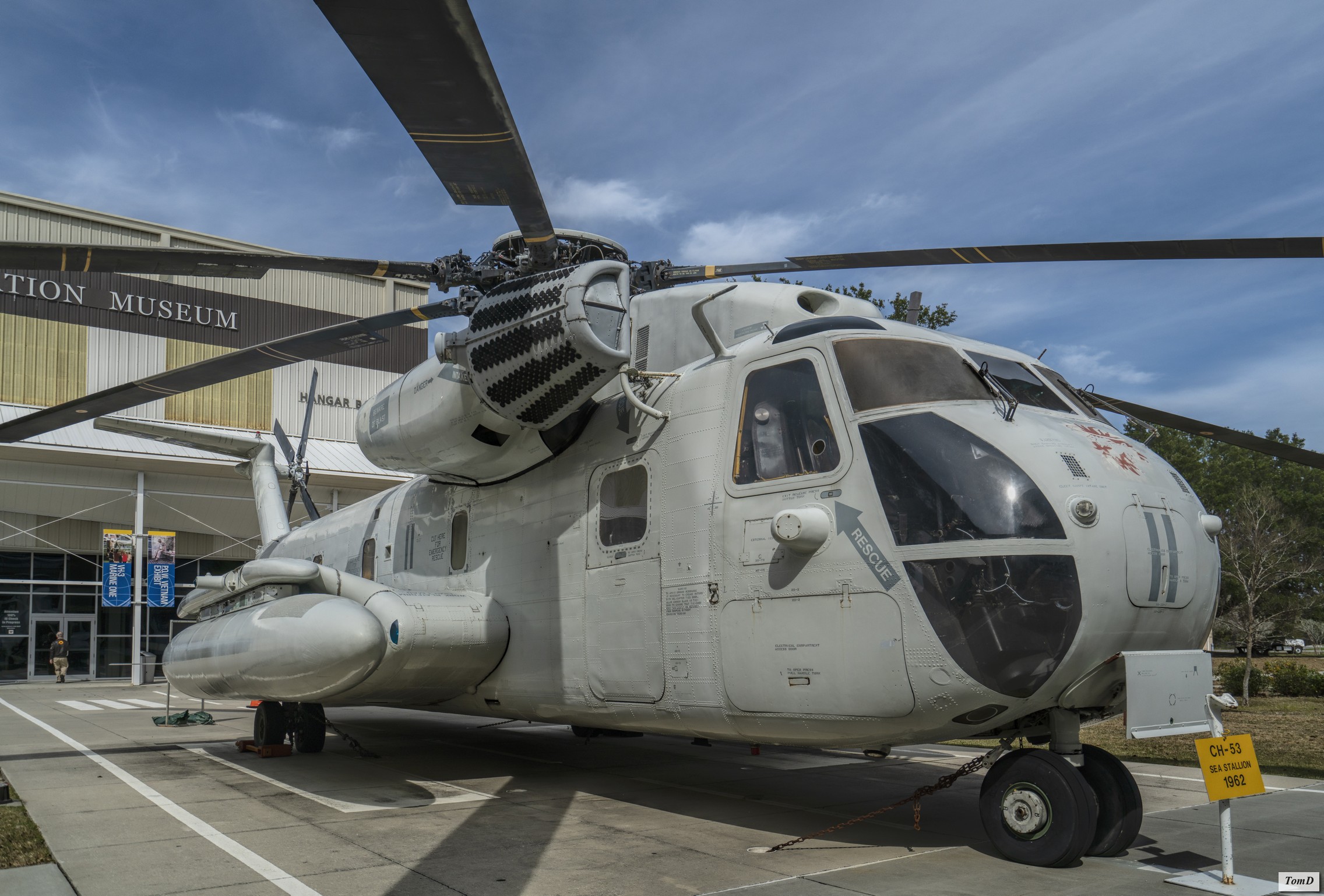
A CH53 Sea Stallion helicopter. My brother-in-law flew these for the Navy back when.


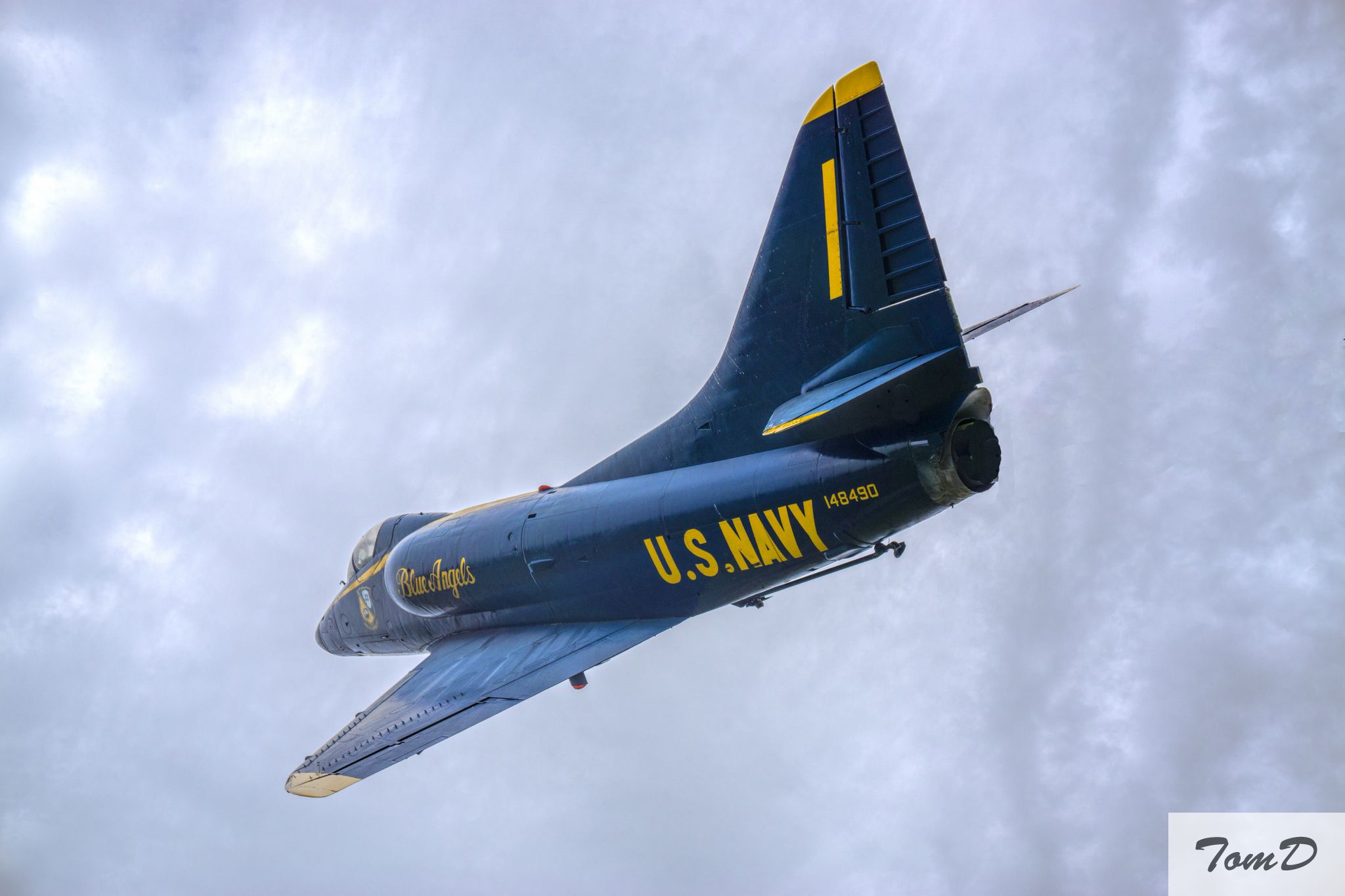
This is a shot of an A-4 Skyhawk in Blue Angels coloration. If I could have a flyable aircraft from the early jet era, an A-4 would definitely be on the short list. They were the sports cars, nimble, quick, almost the opposite of the heavy and ponderous (but fast) F-4’s of the time.


A post WWII British Sea Fury at an air show.

SONY DSC


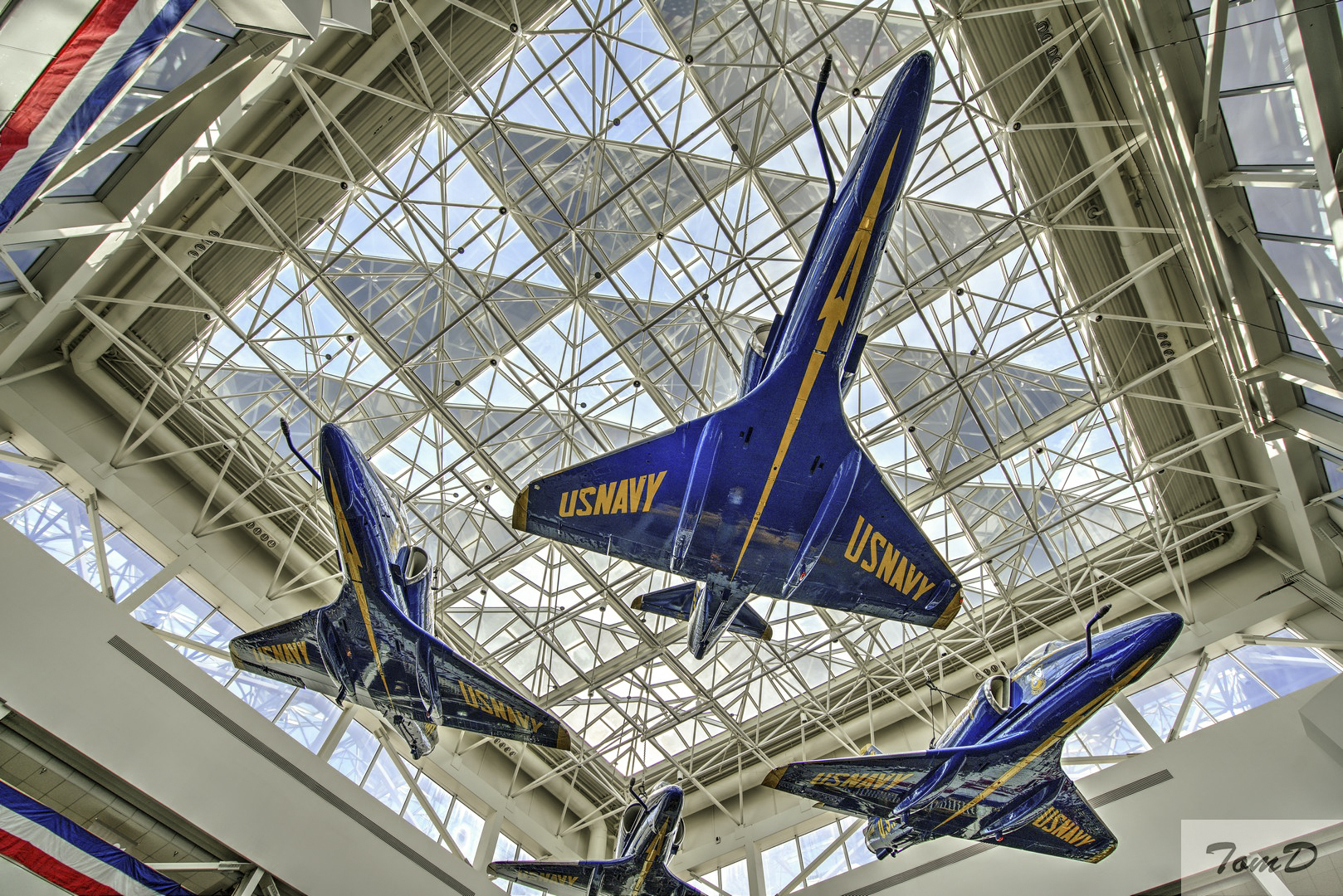
The atrium for the US Naval Air Museum; 4- A-4’s suspended from the ceiling in formation. It’s pretty spectacular in person.

Tom’s World – 09SEP2024 – Museum Aircraft – 1

Tom’s World – 18SEP2024 – Museum Aircraft – 2
Tom’s World – 18SEP2024 – Museum Aircraft – 2
Tom | Flickr

TomD

Aircraft Museum WWII Naval Aircraft


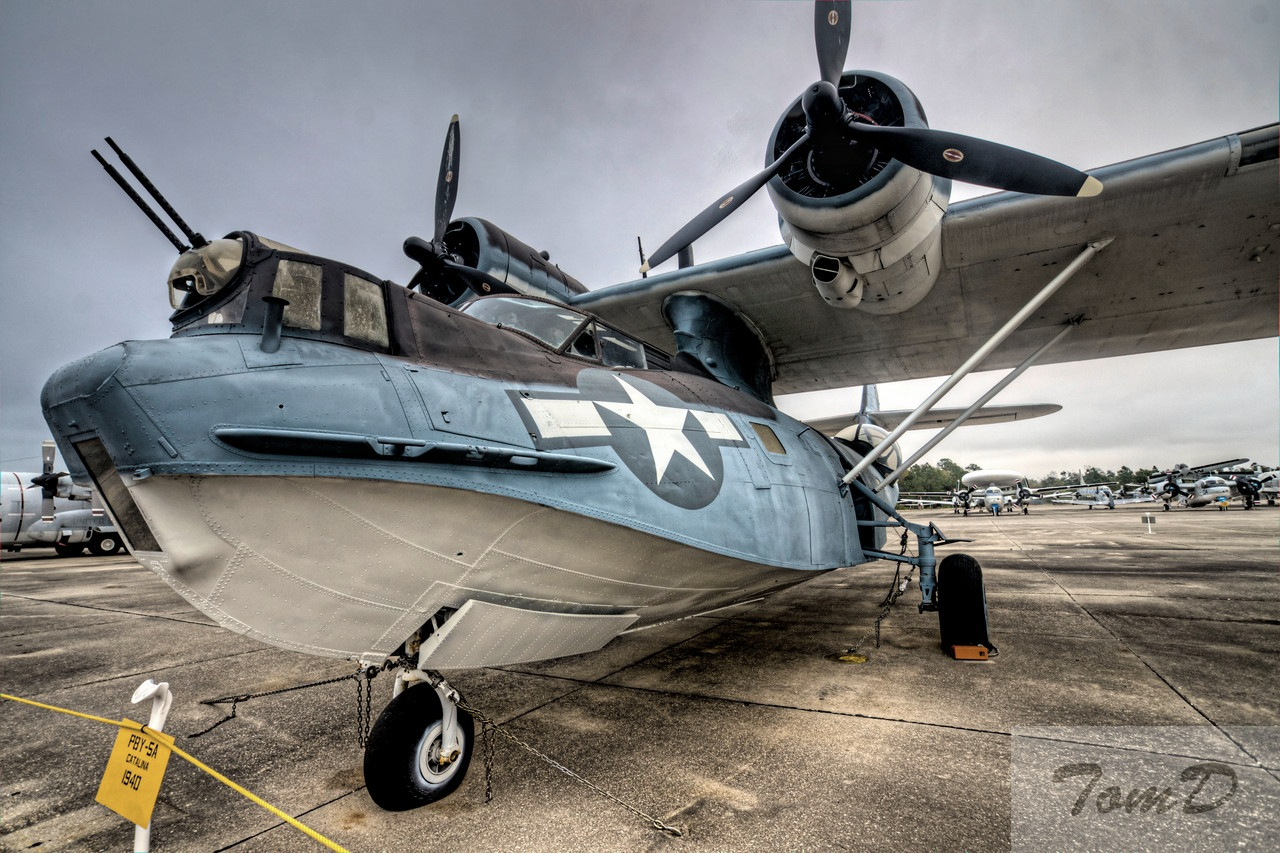
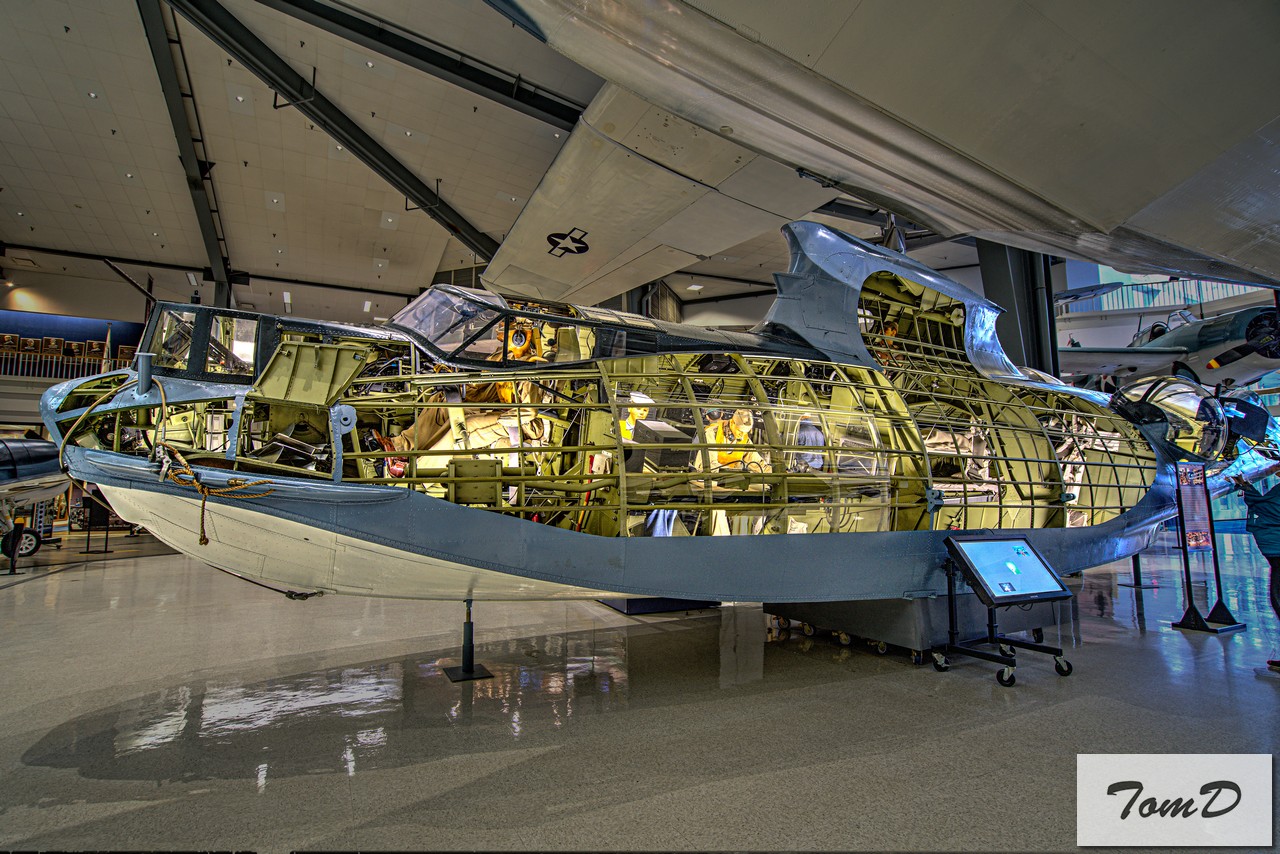
Catalina- This aircraft was not glamorous and so, doesn’t figure into the war stories of WWII but it was probably one of the most important aircraft from the Pacific theater. It was commonly used as a scout and rescue aircraft and was the one that initially reported the location of the Japanese fleet prior to the Battle of Midway.


NAS Pensacola was the location from which all Catalina initial training was conducted. This is an actual Catalina modified to be a WWII training aid showing typical activities on the seaplane.


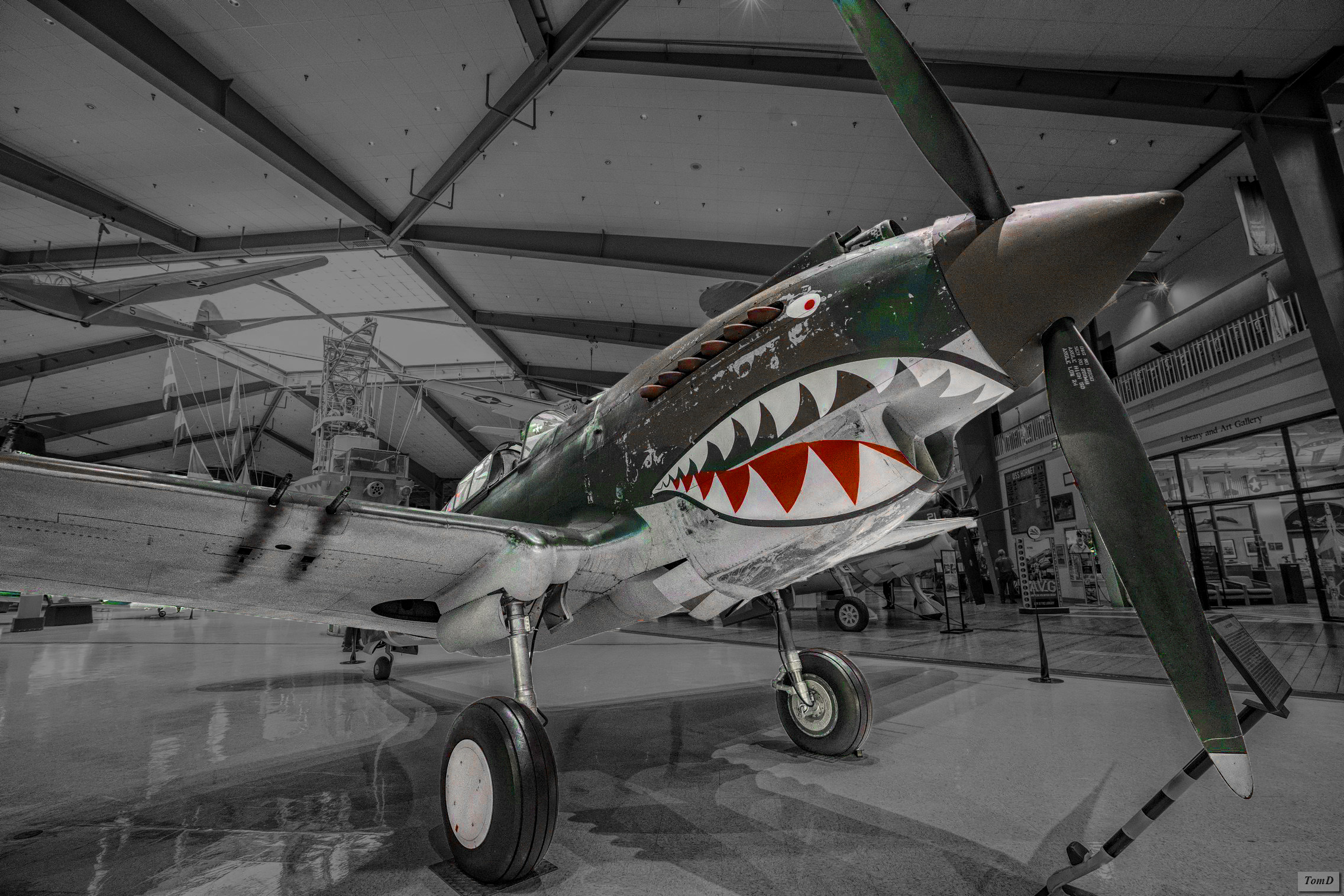
Army P40. P40’s were US Army frontline aircraft introduced in 1938 but were pretty much outclassed by the Mitsubishi Zero but nonetheless had a successful record against other Japanese types in the Flying Tigers prior to the US entry into WWII.

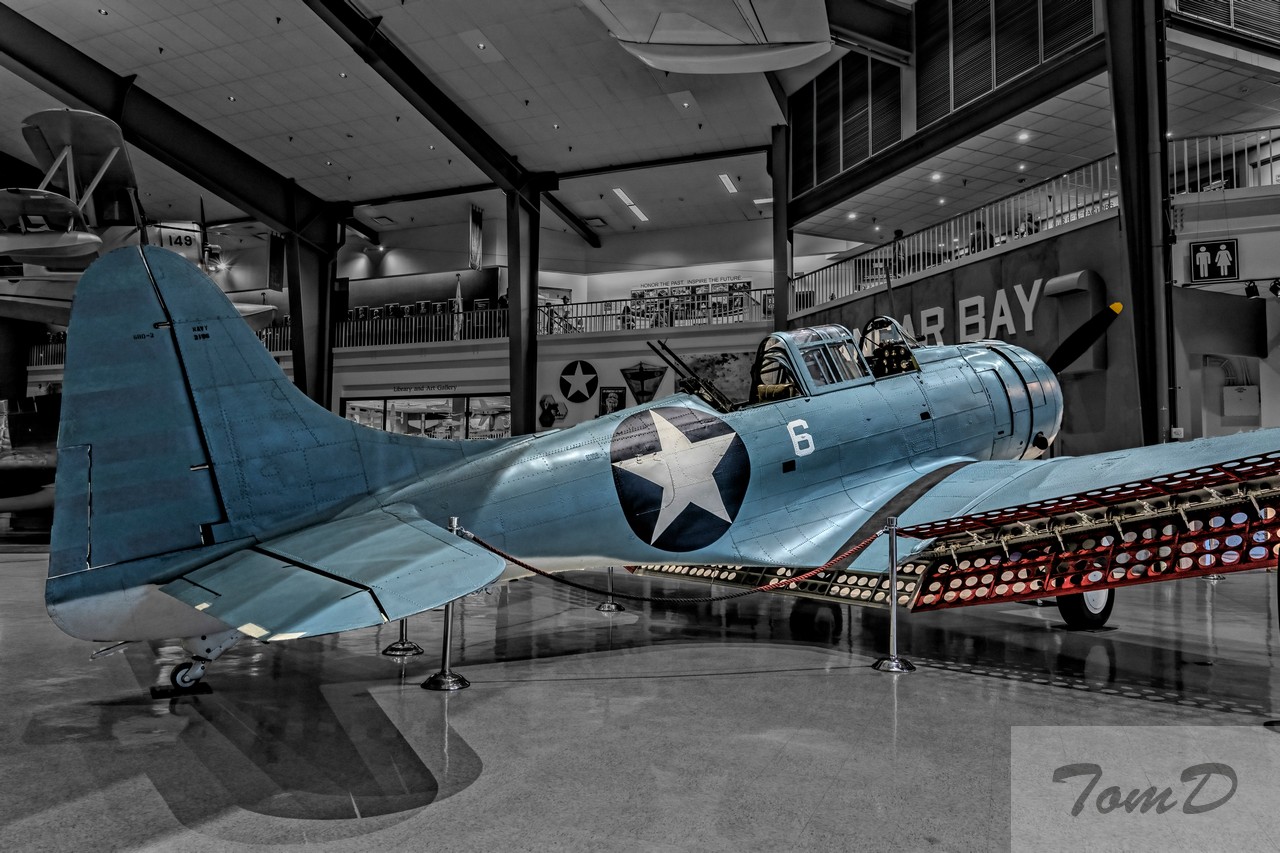
Battle of Midway: to anybody with even a passing awareness of the Pacific Theatre of the war knows of the central importance of the June 1942 battle of Midway in which the US sank 3 Japanese aircraft carriers in about 15 minutes and a 4th several hours later.  Such a decisive victory was to leave the Japanese trying to catch up for the remainder of the war. Though things were pretty tough later that year in the 5 Guadalcanal battles that created the Iron Bottom Sound populated chiefly but not exclusively by US ships. Things were pretty desperate for the first 1-1/2 years of the war.


This beautifully restored Douglas SBD, the type that actually sank the carriers, is the last aircraft remaining on earth that took part in the battle. Sometime after the battle, it was declared to be worn out and sent to the US as a training aircraft where some trainee Ensign missed an approach to a training carrier in Lake Michigan. The plane stayed at the bottom of the lake for 50 years until it was retrieved and restored to this condition.


F4U- This famous aircraft probably doesn’t need an intro. Upon its initial intro, the F4U Corsair was considered to be too dangerous and unsuitable for carrier operation because of its essentially zero forward visibility when on carrier approach. Until the British showed to Americans how to do it, the Corsair was limited to ground based Marine Corps usage. The Corsair racked up an incredible kill/loss ratio but it probably was helped by the fact that the Japanese had no means of effective pilot training to replace their losses later in the war. Unlike the US, they left their experienced pilots in the fight until they were killed, losing all of that experience.

The Corsair remained in production longer than any other US fighter and was still in  frontline use in some air forces well into the 50’s and the jet age.

In the foreground is a Pratt and Whitney R-2800, a motor that put out as much as 2800 HP in some late war versions and was used in so many US aircraft that I’d have to research to list them all.


Tom’s World – 09SEP2024 – Museum Aircraft – 1

Tom | Flickr

TomD

Tired of statues and would like to jump to another topic: museum aircraft

Most, but not all, of these shots were taken at the US Naval Air Museum, on board NAS Pensacola. I’ve been to the Smithsonian, Wright Patterson and scores of lesser museums but this museum is right at the top, world wide. The Blue Angels are based out of Pensacola, so you’ll see a lot of that. The Naval Museum concentrates on Naval stuff as you may suspect but there’s other noteworthy stuff there too, like a Messerschmitt Me 262 one of the very, very few still in existence. The ME 262 was the first ever jet to be used in combat.


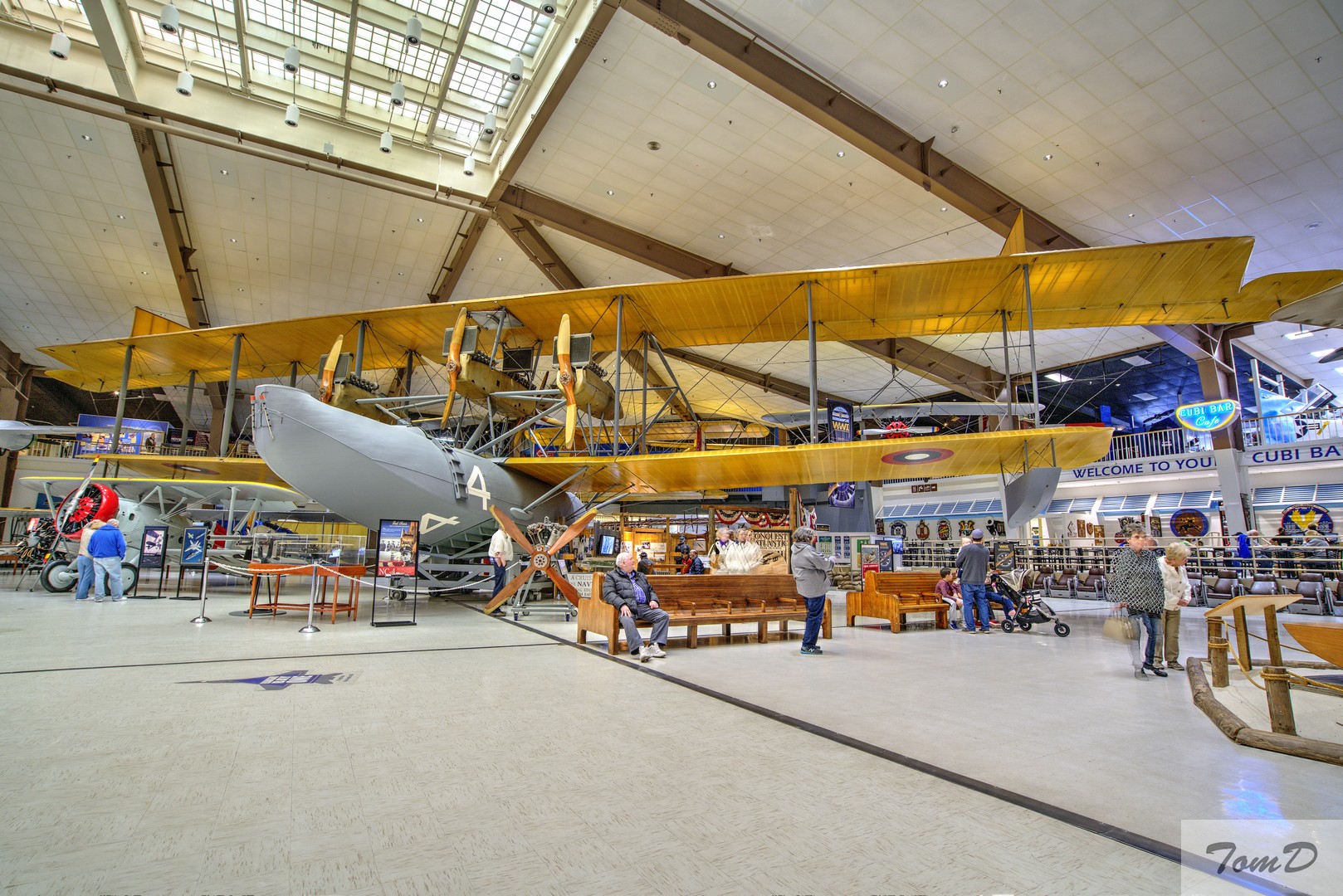
This Navy NC-4 was the first aircraft to cross the Atlantic. Unlike Lindberg, it wasn’t solo and it wasn’t non stop. But it was in 1919 when most aircraft had max ranges in the hundred mile range or so. This by the way, the actual aircraft, not just the aircraft type. Talk about a beautiful restoration.

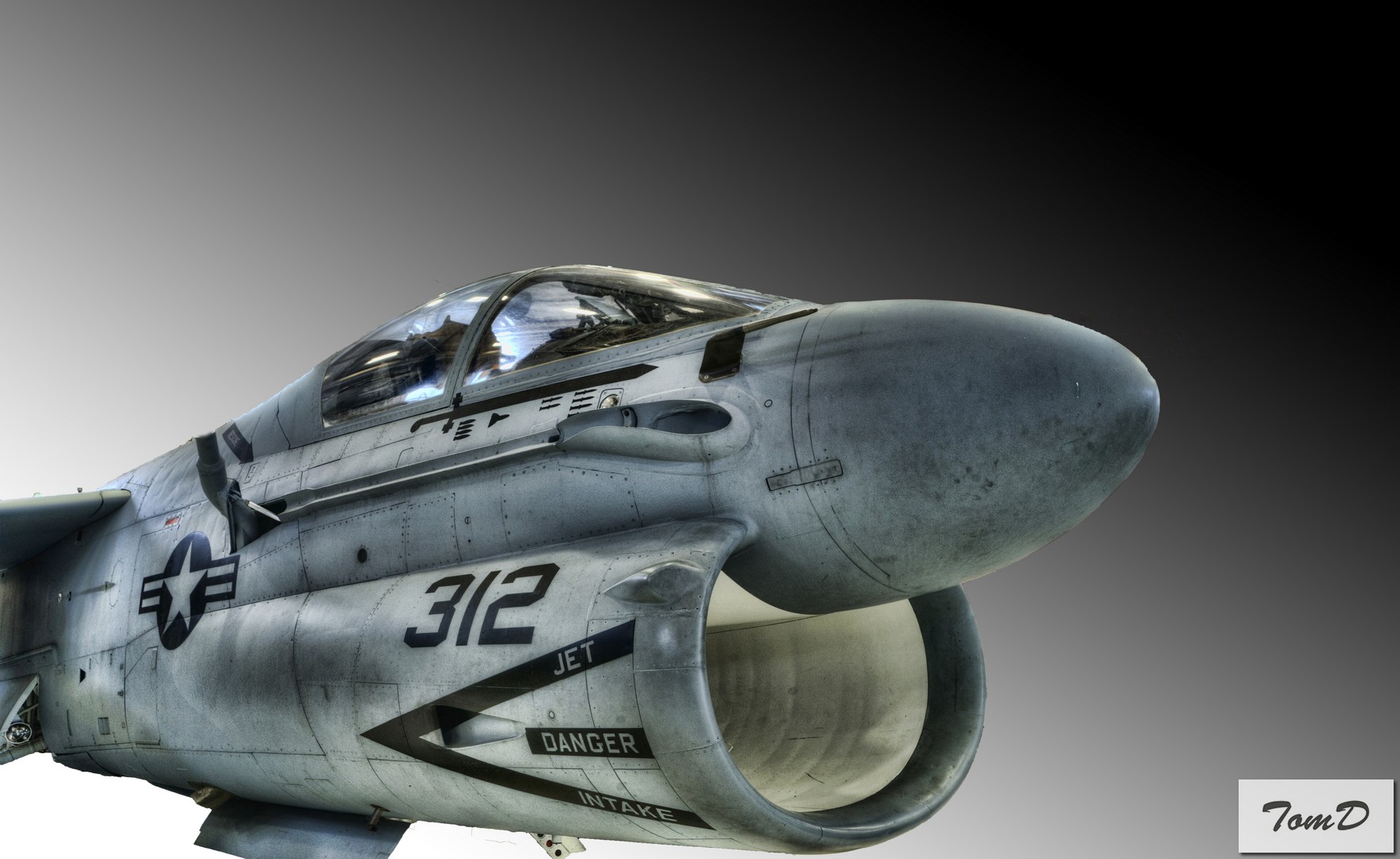
Corsair: The museum tends to be crowded with stuff just everywhere competing for visual attention. I shot this picture and was looking at it wondering what could be done with it and somehow ended up here.

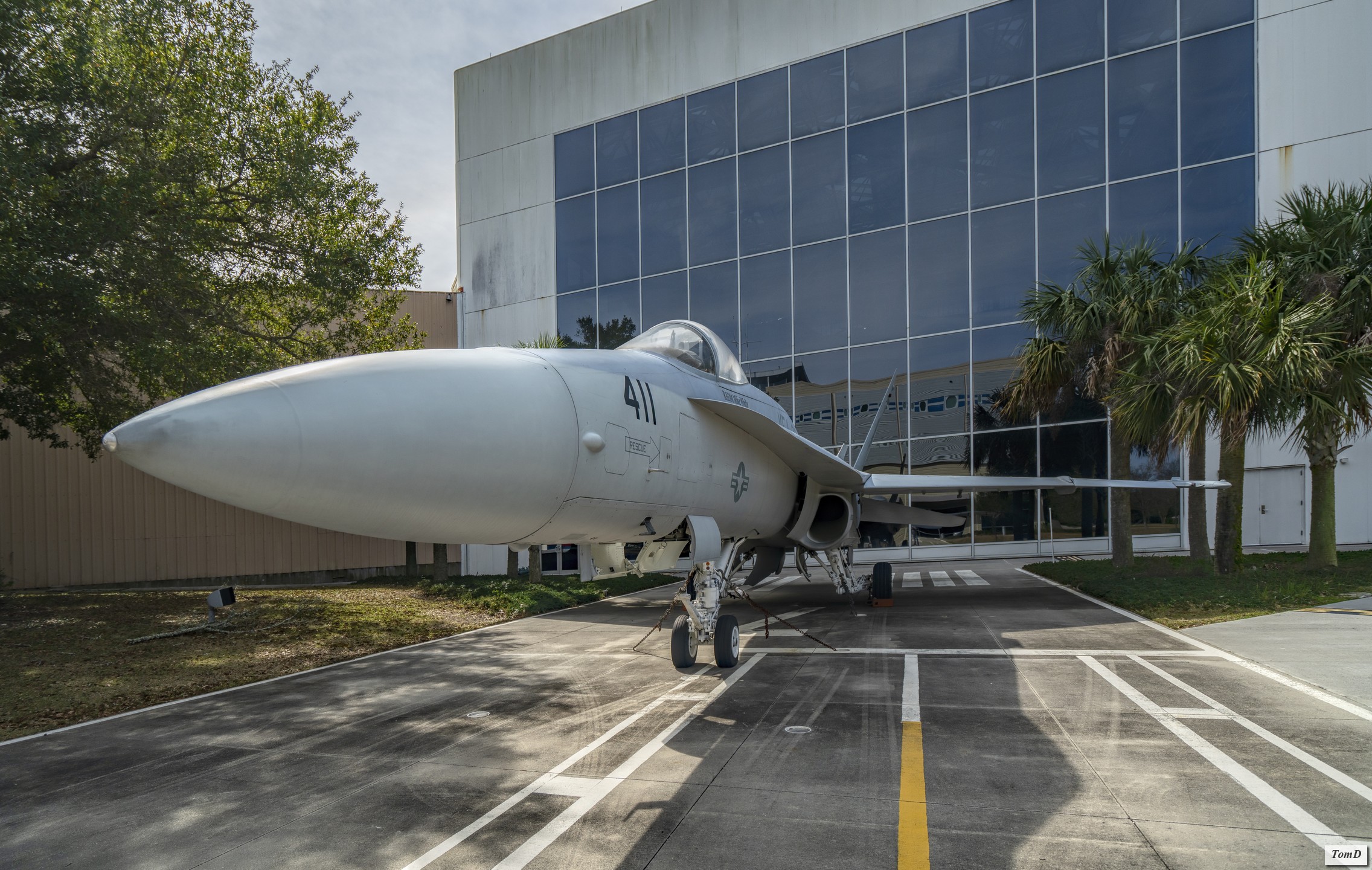
An F18 outside one of the museum buildings.

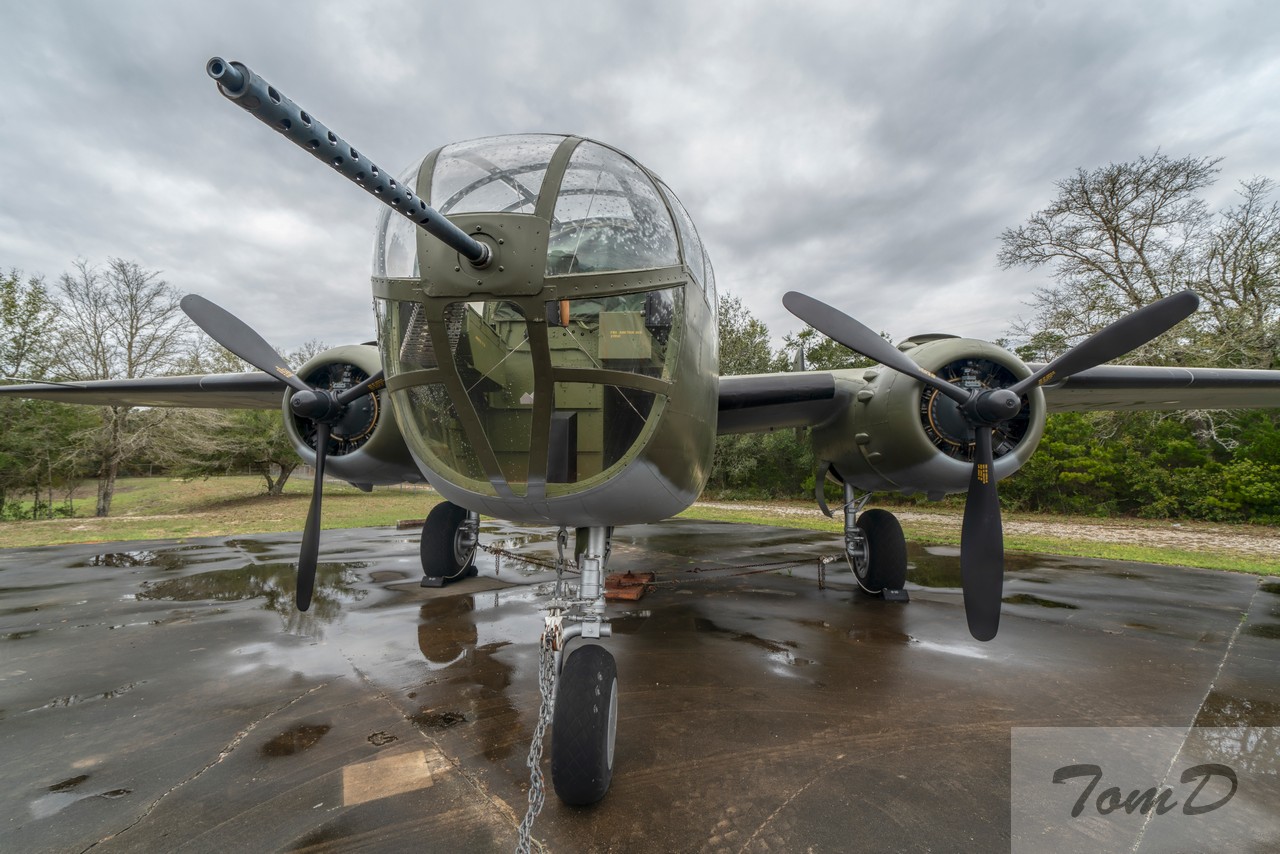
00683: A B25 Mitchell bomber. This was principally an Army aircraft but the B25 won fame in early 1942 when the famous raid on Tokyo was launched from the aircraft carrier USS Hornet.

A little humorsep

Tom’s World – 28AUG2024 – Statues – 5

Tom | Flickr

TomD


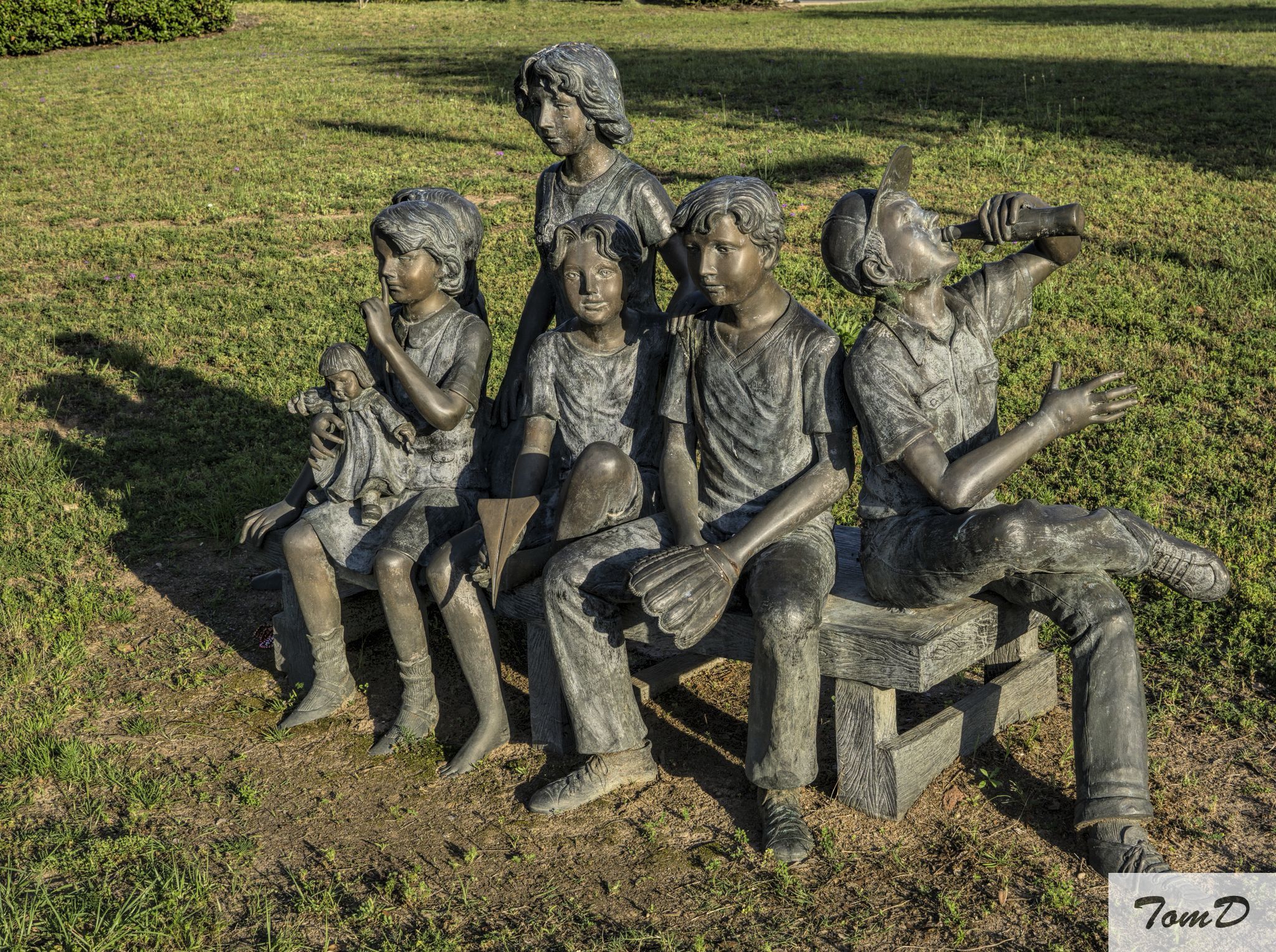
I don’t know the story of this group of statues except that they depict typical young people from an earlier era and are located in the common area of a downtown Pensacola residential area.


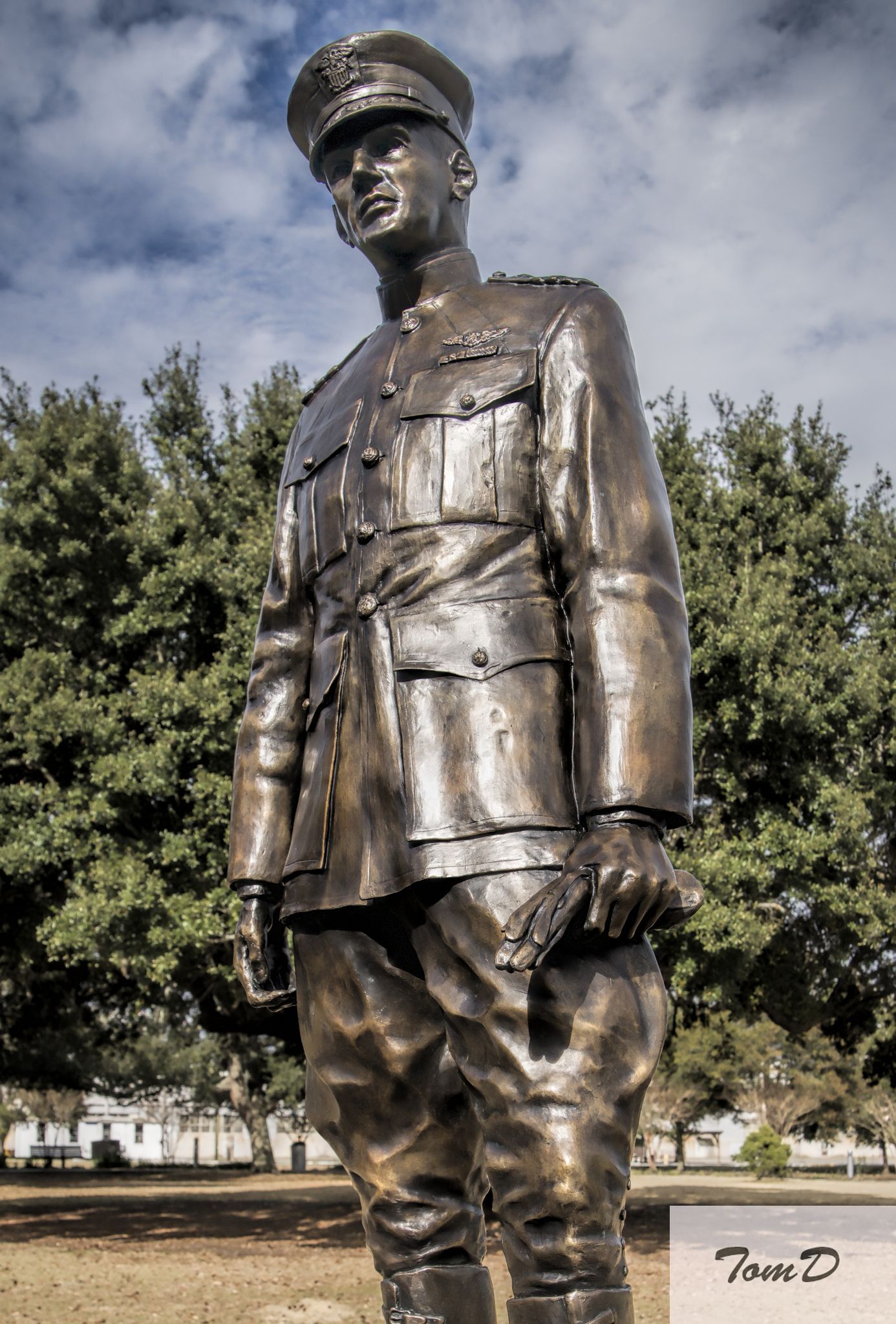
Admiral John Towers, Naval Aviator number 3. In 1914, then Lt. Towers was ordered to Pensacola to create the first training program for Naval Aviators.

SONY DSC


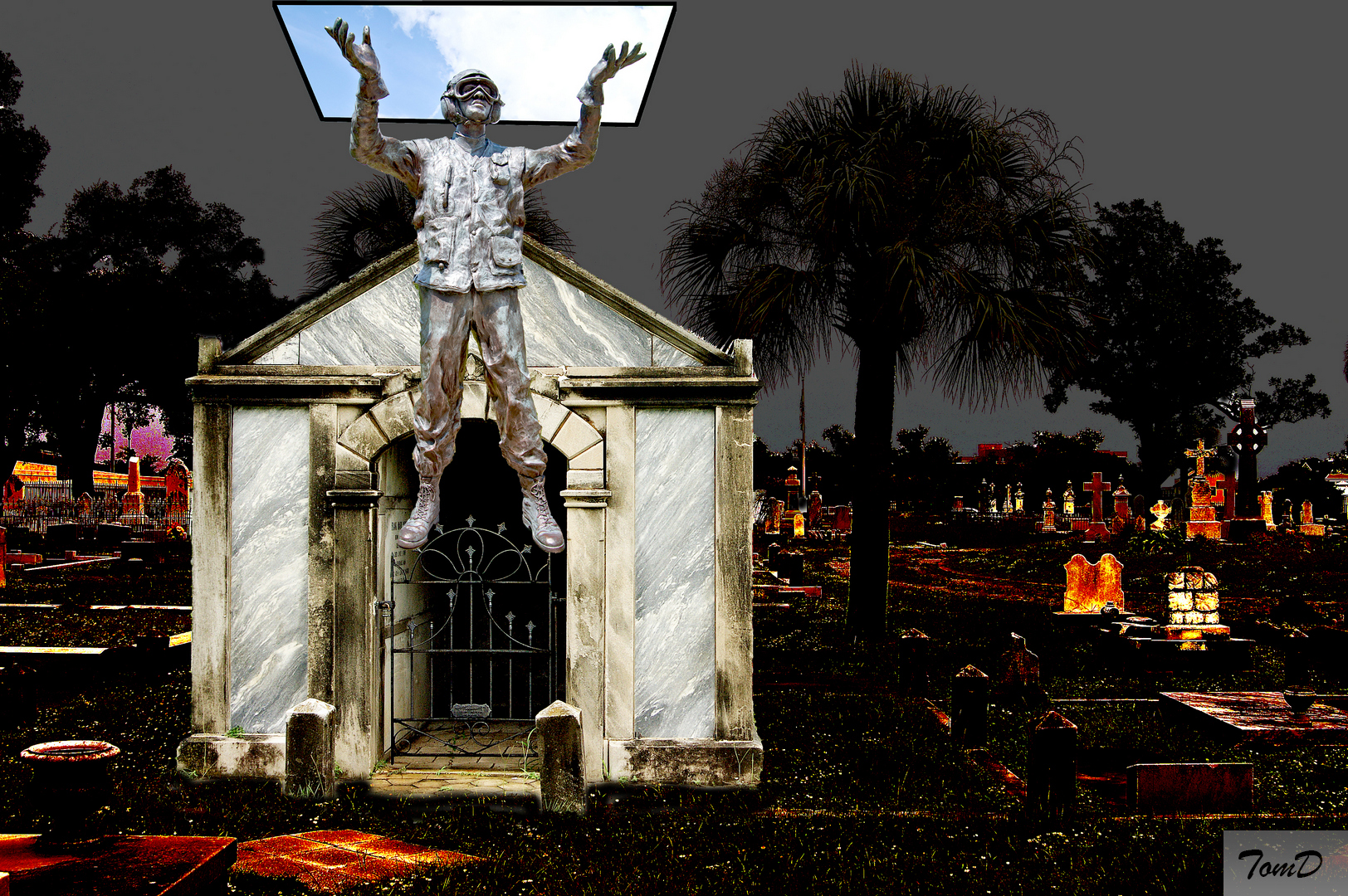
Obviously a Photoshop composite. This combines heavily modified elements of a bronze statue from the US Naval Air Museum and a scene from St. Michael’s Cemetery in Pensacola. St. Michaels contains graves from the 1700’s when Florida was a Spanish colony.

SONY DSC


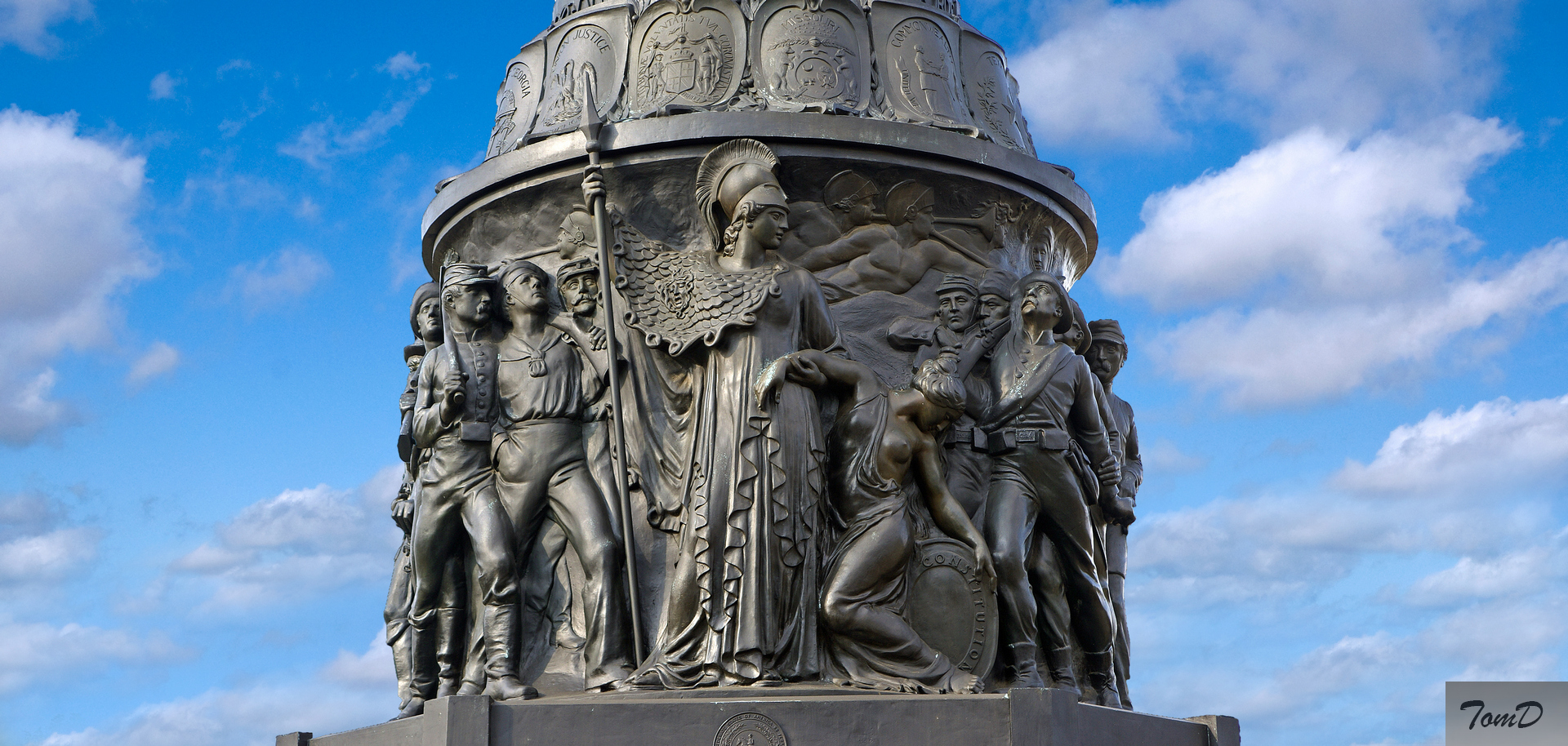
Closeup of the Confederate Memorial Monument located in Arlington National Cemetery. I recently read that the storm clouds were gathering around this monument for it’s removal as, I suppose, a National disgrace.

Tom’s World – 28AUG2024 – Statues – 4

Tom | Flickr

TomD

Taken on a drizzly early spring day in Atlanta’s Westview Cemetery. This cemetery along with Oakland Cemetery about 3 miles east combined have so many fantastic photo subjects as to be a visual banquet. I can (and have) spent cumulative weeks just trying to see everything.

SONY DSC


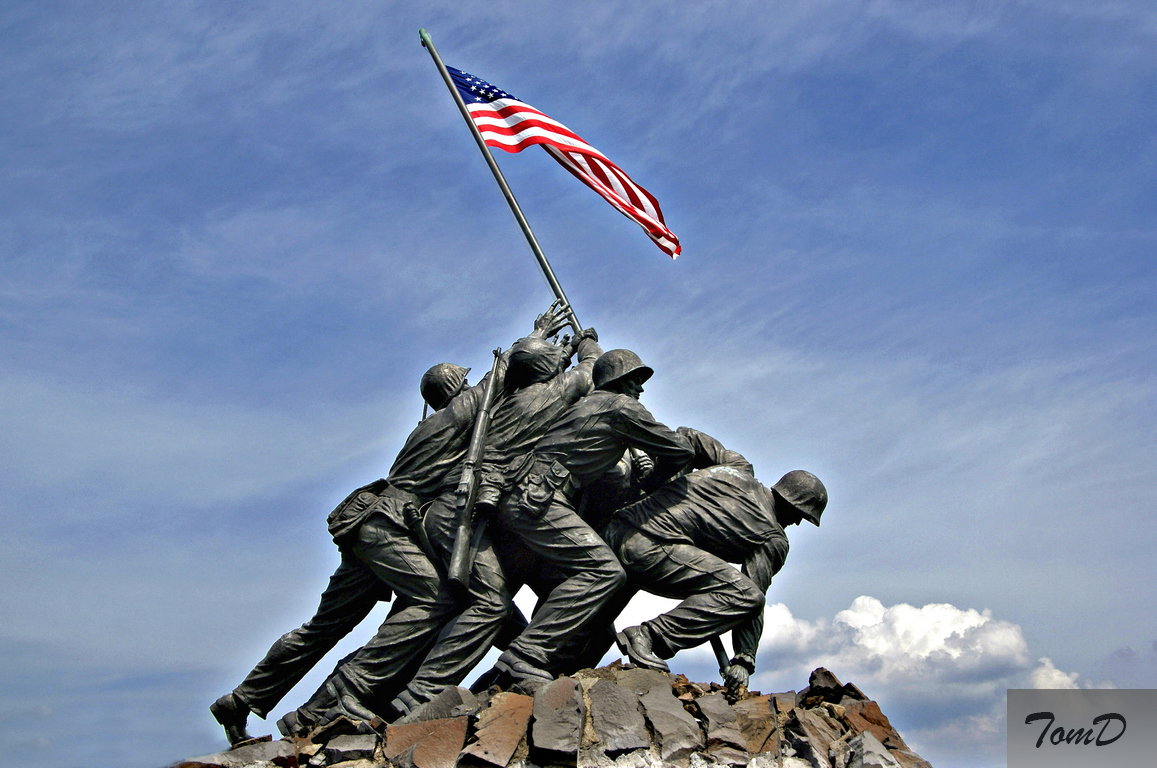
No intro necessary for this one except it’s the real one. I get up the DC area every few years to visit my parents grave sites in Arlington Nation and took this on one of the trips.

SONY DSC


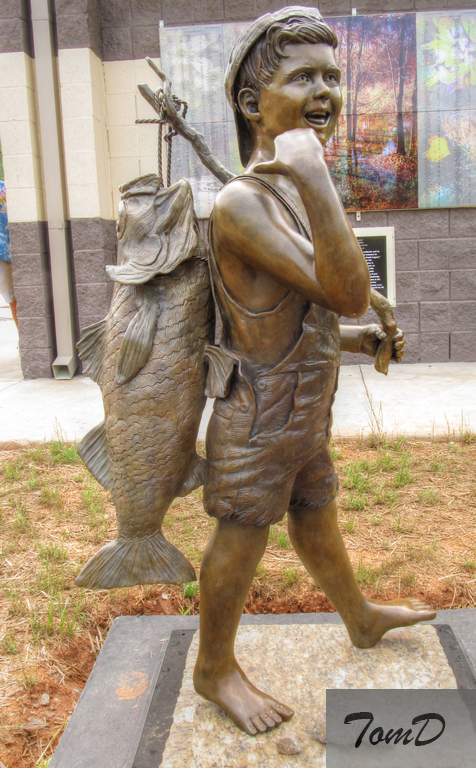
This amusing statue is located at the terminus of a bicycle trail in Alpharetta, Ga.


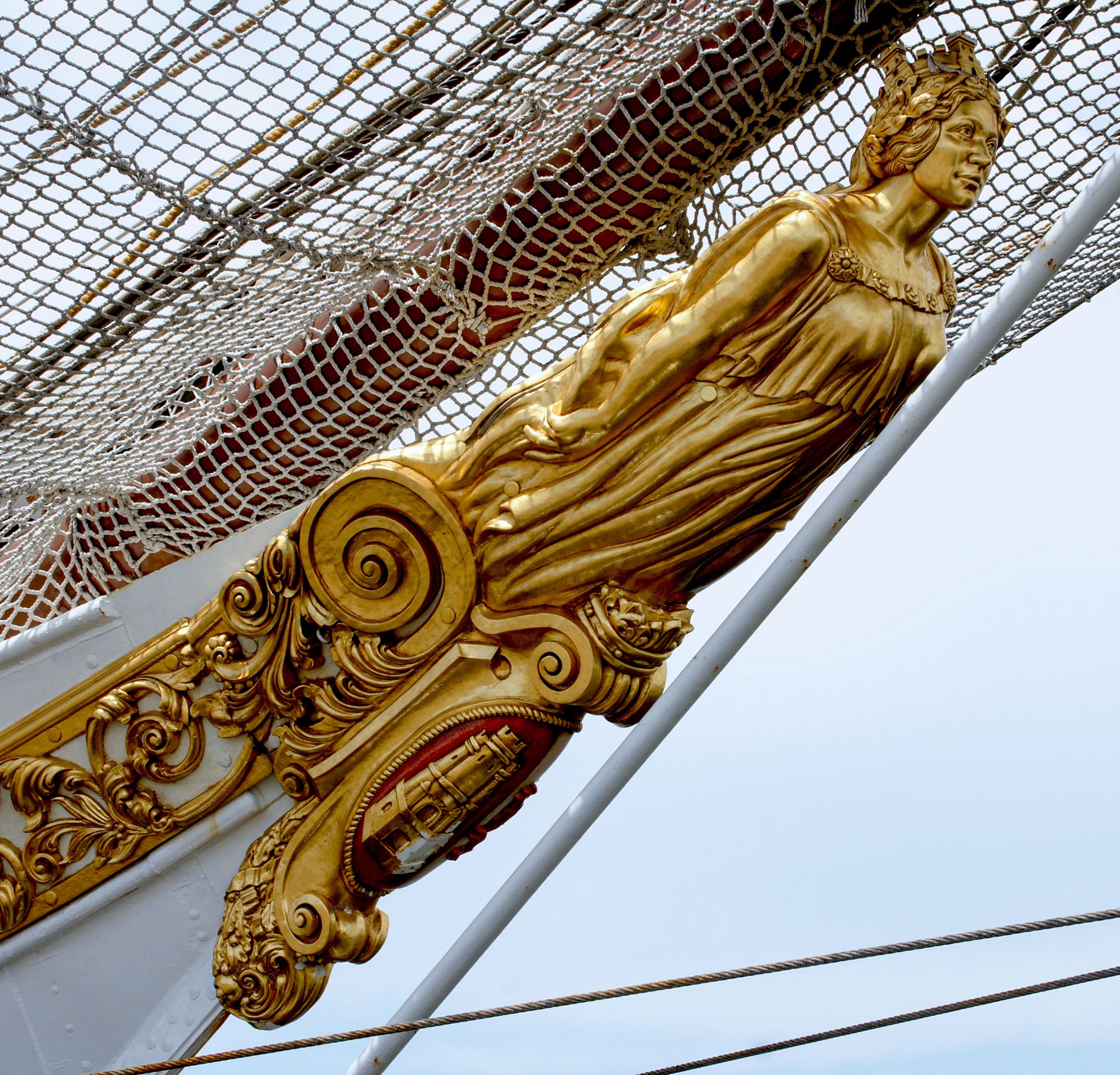
#19 Figurehead for the largest sailing vessel in current use, The Juan Sebastian De Alcano. Juan Sebastián de Elcano is a training ship of the Spanish Navy. It is a four-masted topsail, steel-hulled barquentine (schooner barque). At 113 metres (371 ft) long, it is the third-largest tall ship in the world, and is the sailing vessel that has sailed the furthest, covering more than 2,000,000 nautical miles (3,700,000 km; 2,300,000 mi) in its lifetime.

The JS De Alcano puts in to port in Pensacola for a visit every 4 years or so,

Guest Contributor – TomD – 26AUG2024 – Photo – Military

Tom | Flickr

TomD

In reply to MasterDiver.

This is a ”disappearing gun” emplacement dating from 130 years ago. It is was a coastal defense weapon.

DSC2804tm2

Sure looks to be that the risings seas have flooded this emplacement out. There is a sea wall on base at NAS Pensacola that has been in place for about the same amount of time and contemporary pictures showing the seawall in the first decade of the 1900’s show no discernible difference from now in water levels.