No theme this week, just a few shots on misc subjects.
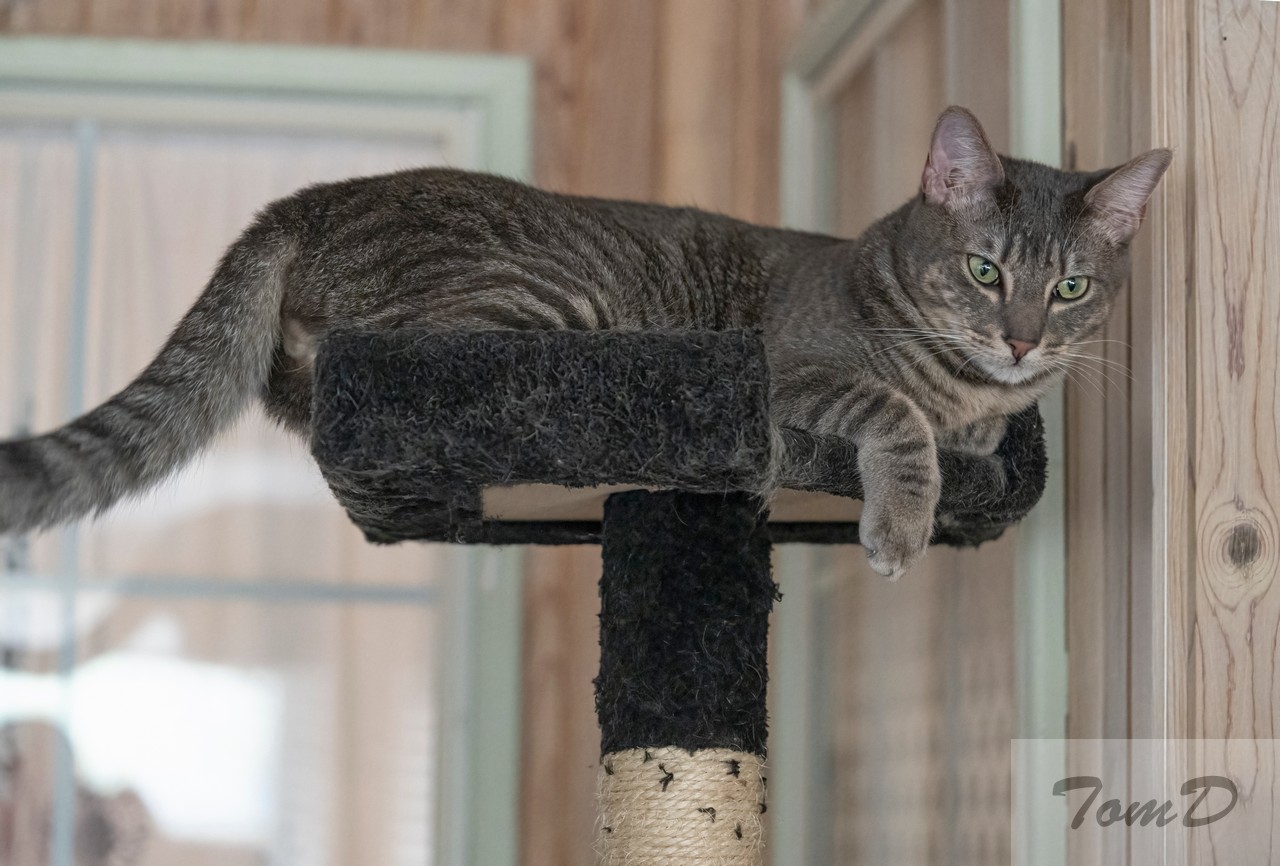
DSC685 One of the cats around here. Sport is as good natured as a cat can get, always calm and affectionate
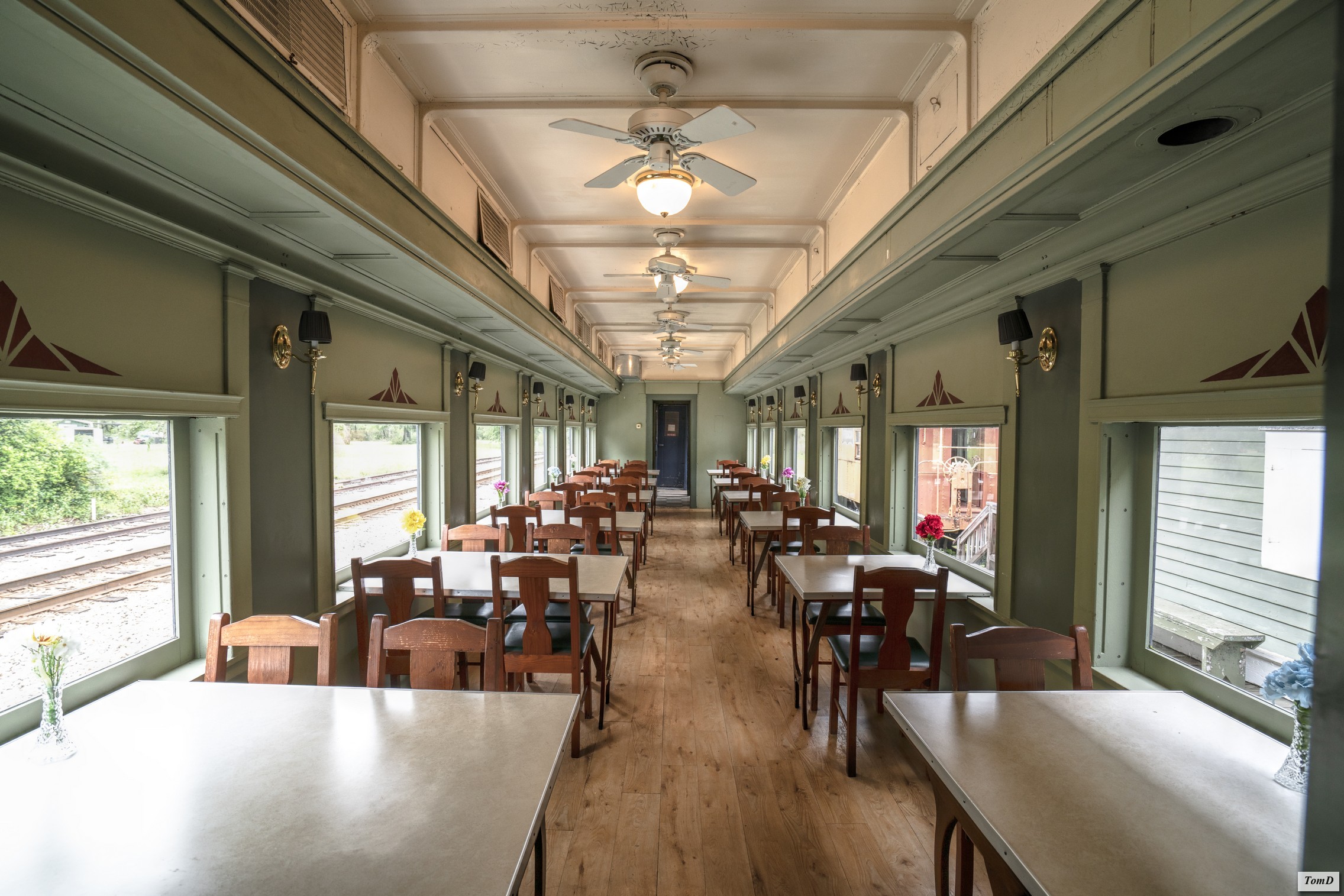
DSC861 A dining car from the 1940’s. It a part of a railroad museum here in NW Florida.
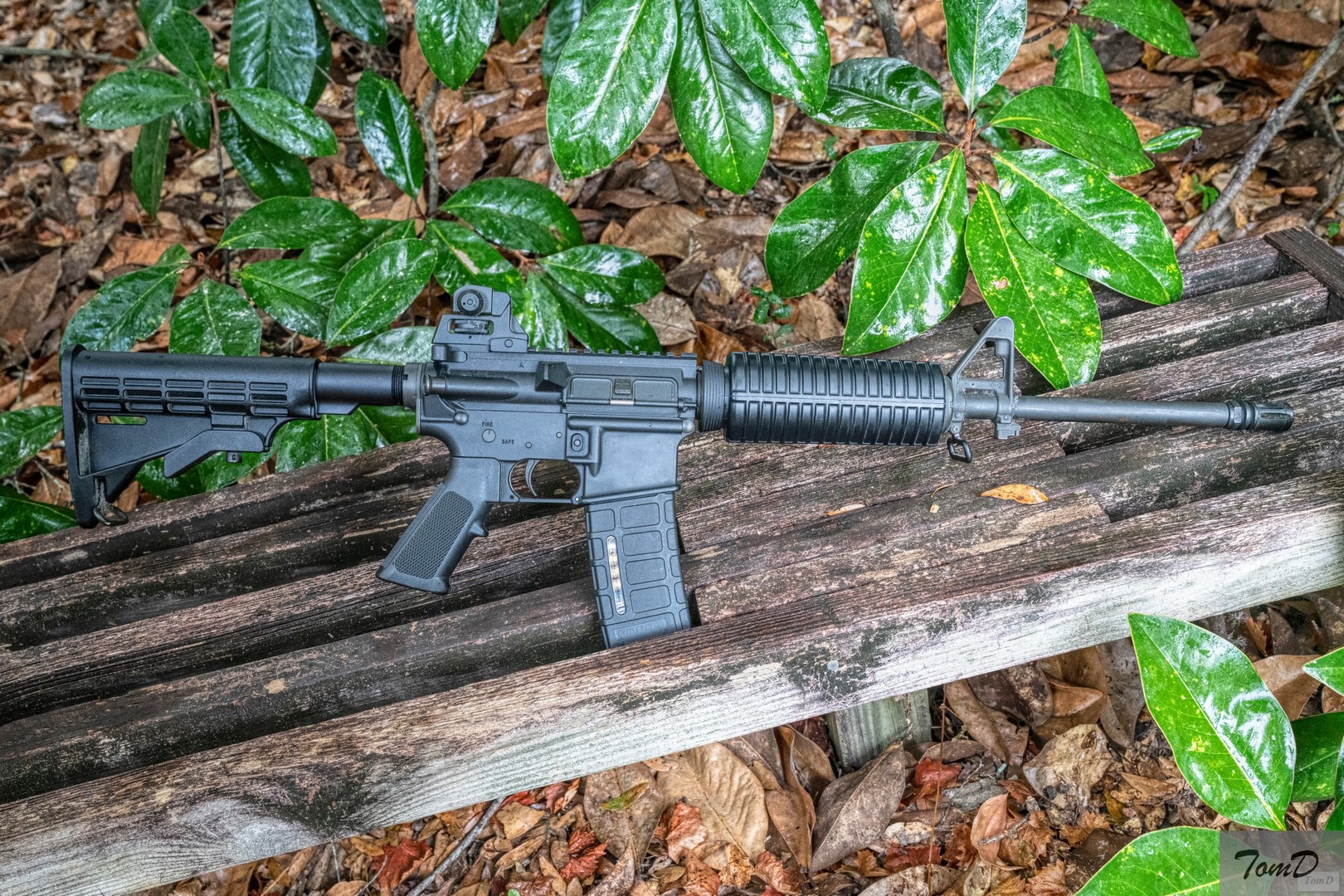
DSC1296 Keep this around the house as personal defense. I tend to modify my weapons but the only thing I’ve done with this one is to install a decent trigger. For someone who’s been a competition shooter for decades, I simply cannot live with a Milspec AR trigger, they are the equivalent of nails on the blackboard.
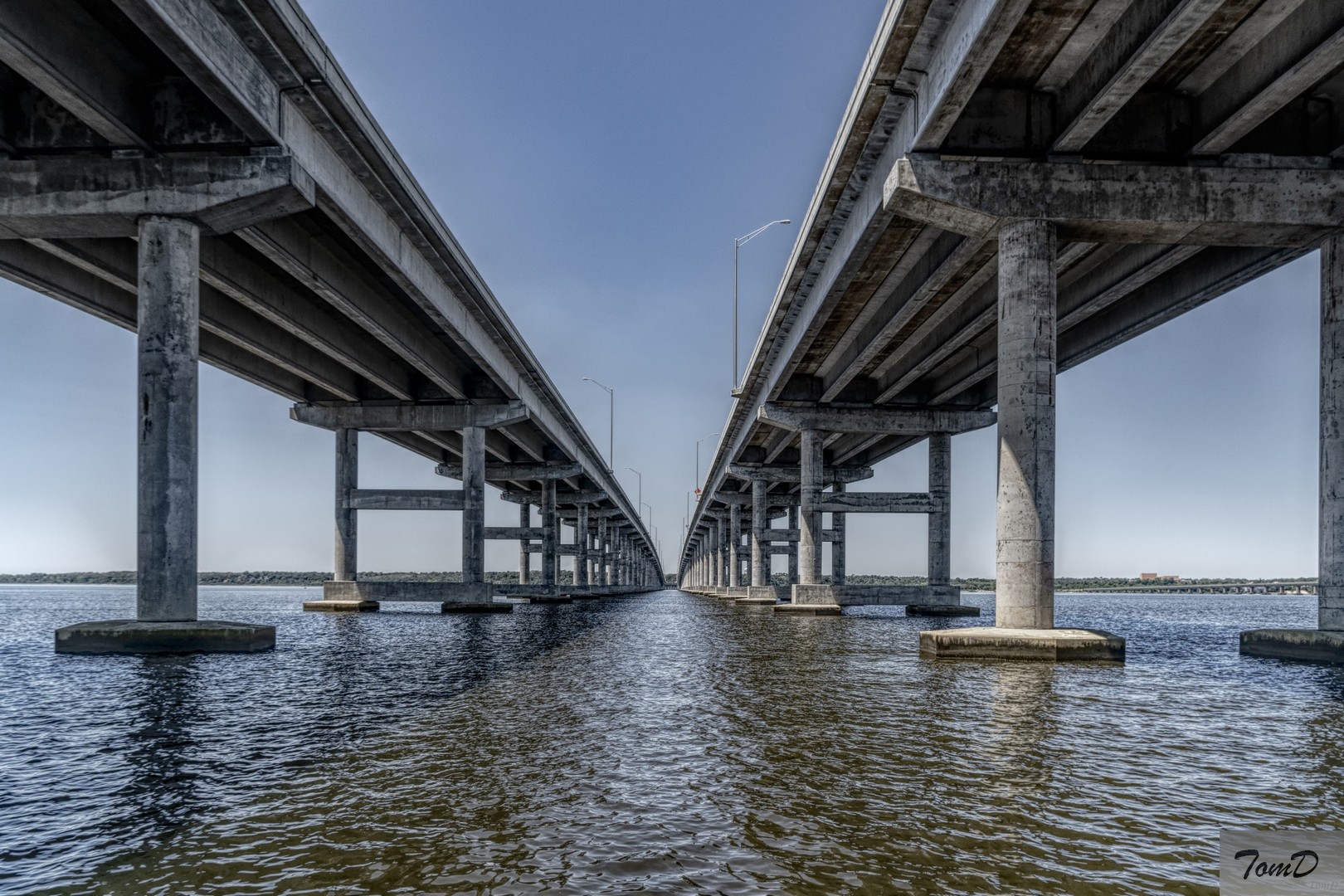
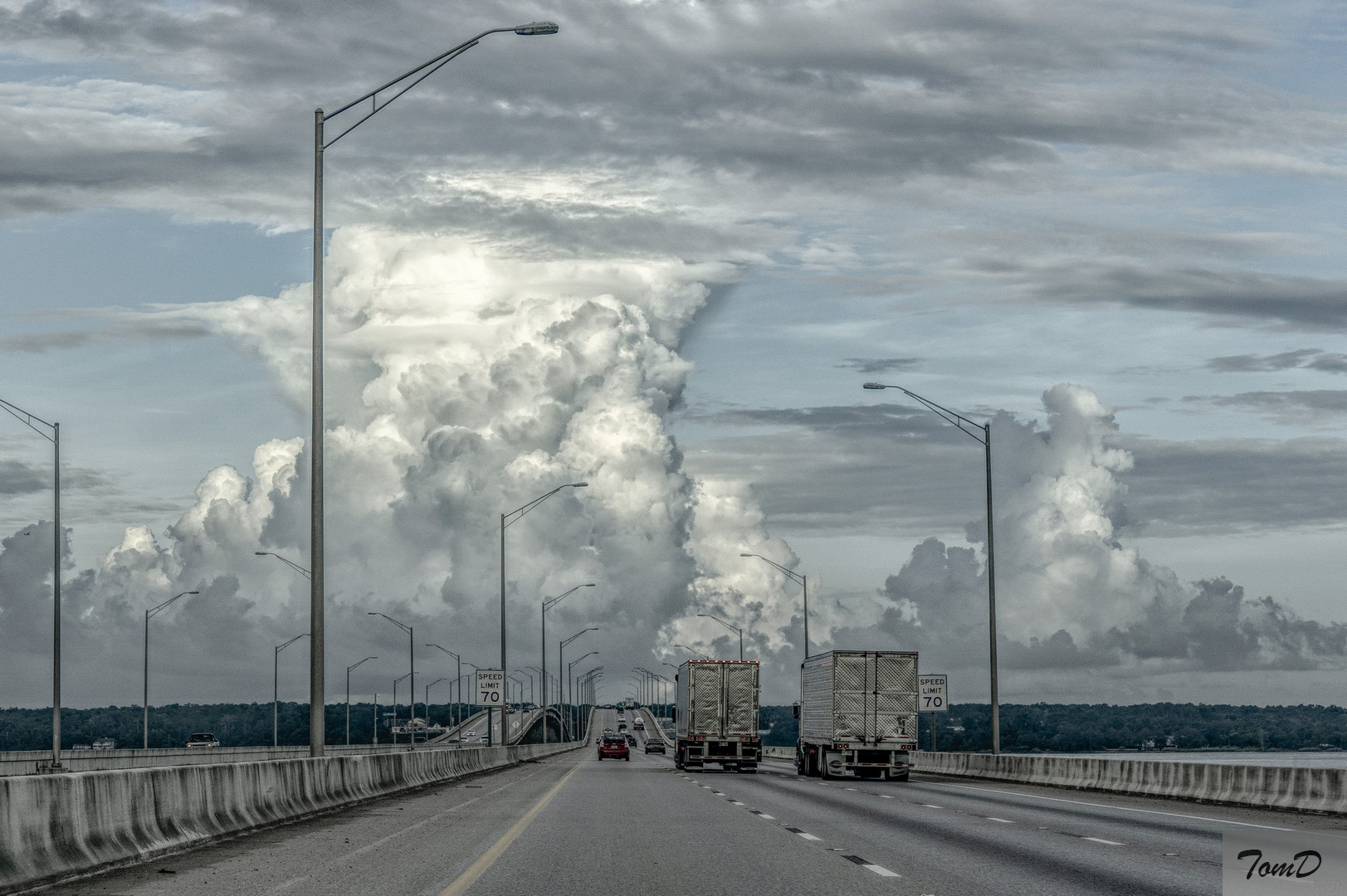
DSC264 I 10 over the East Bay. This bridge was built in 2005 to replace the bridge destroyed in the 2004 Hurricane.
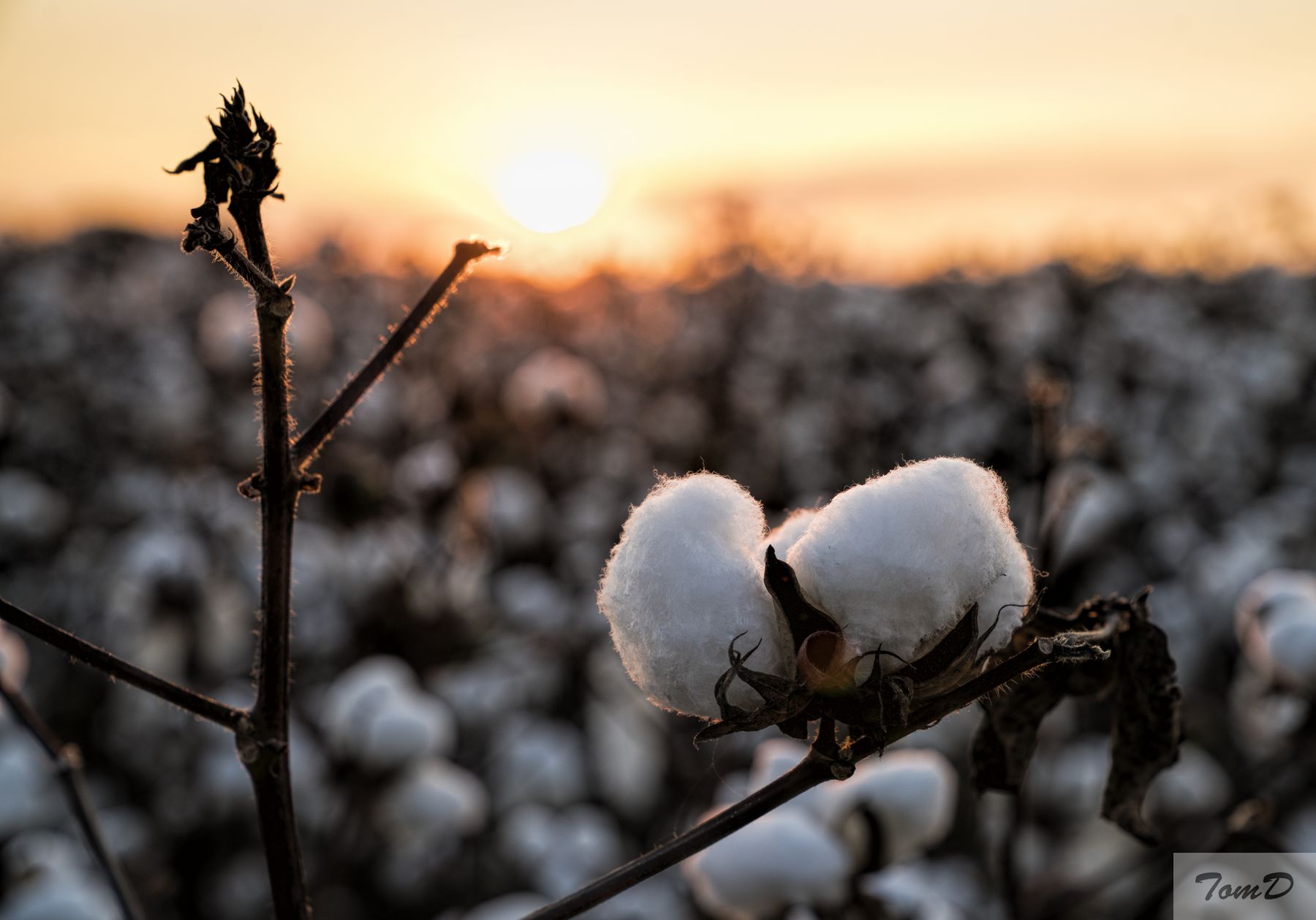
DSC1435 I live in farm country in NW Florida and there are two main crops: cotton and peanuts. Peanuts aren’t exactly photogenic.
SONY DSC
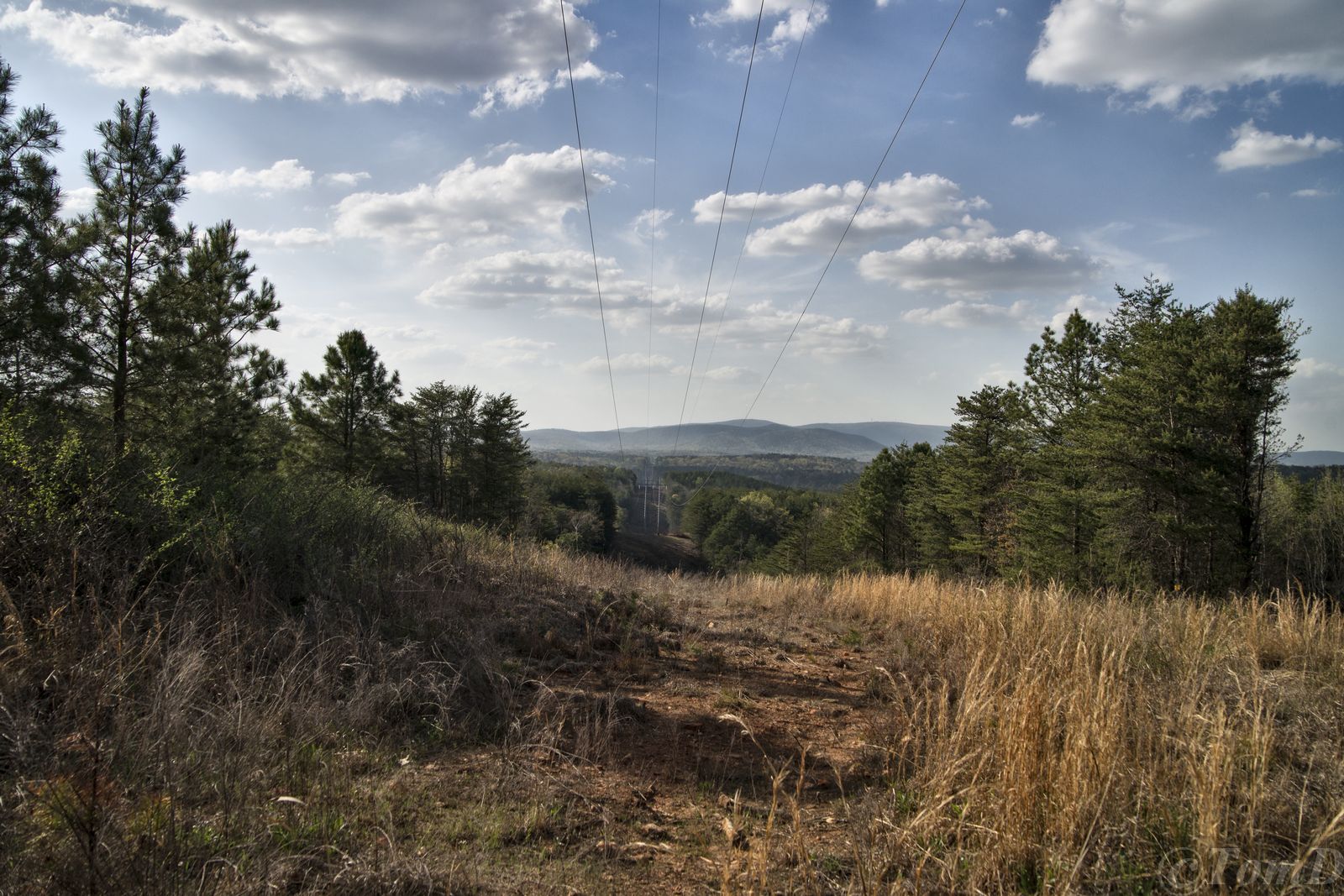
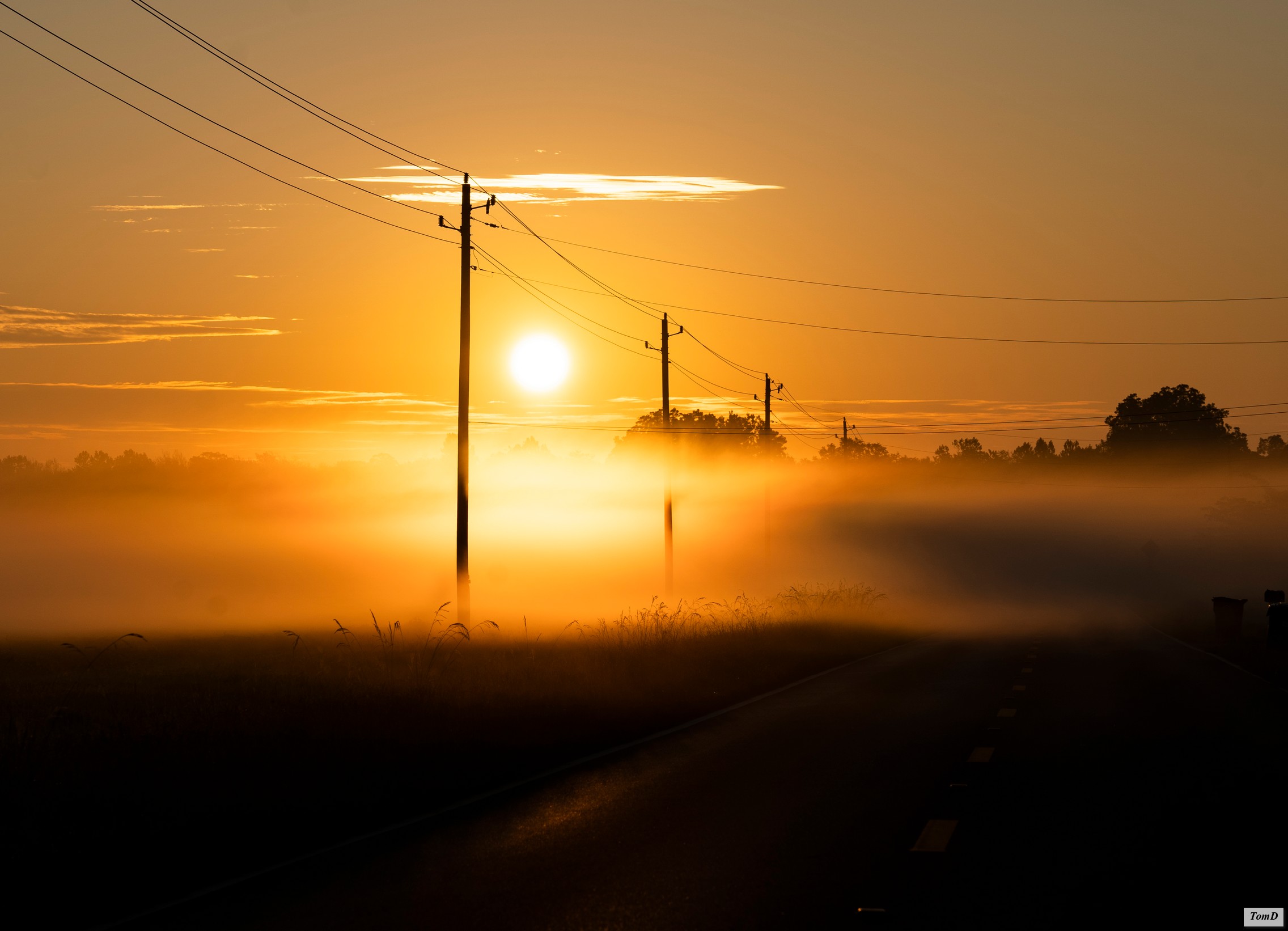
DSC1408 A transmission line cutting through the North Georgia hills
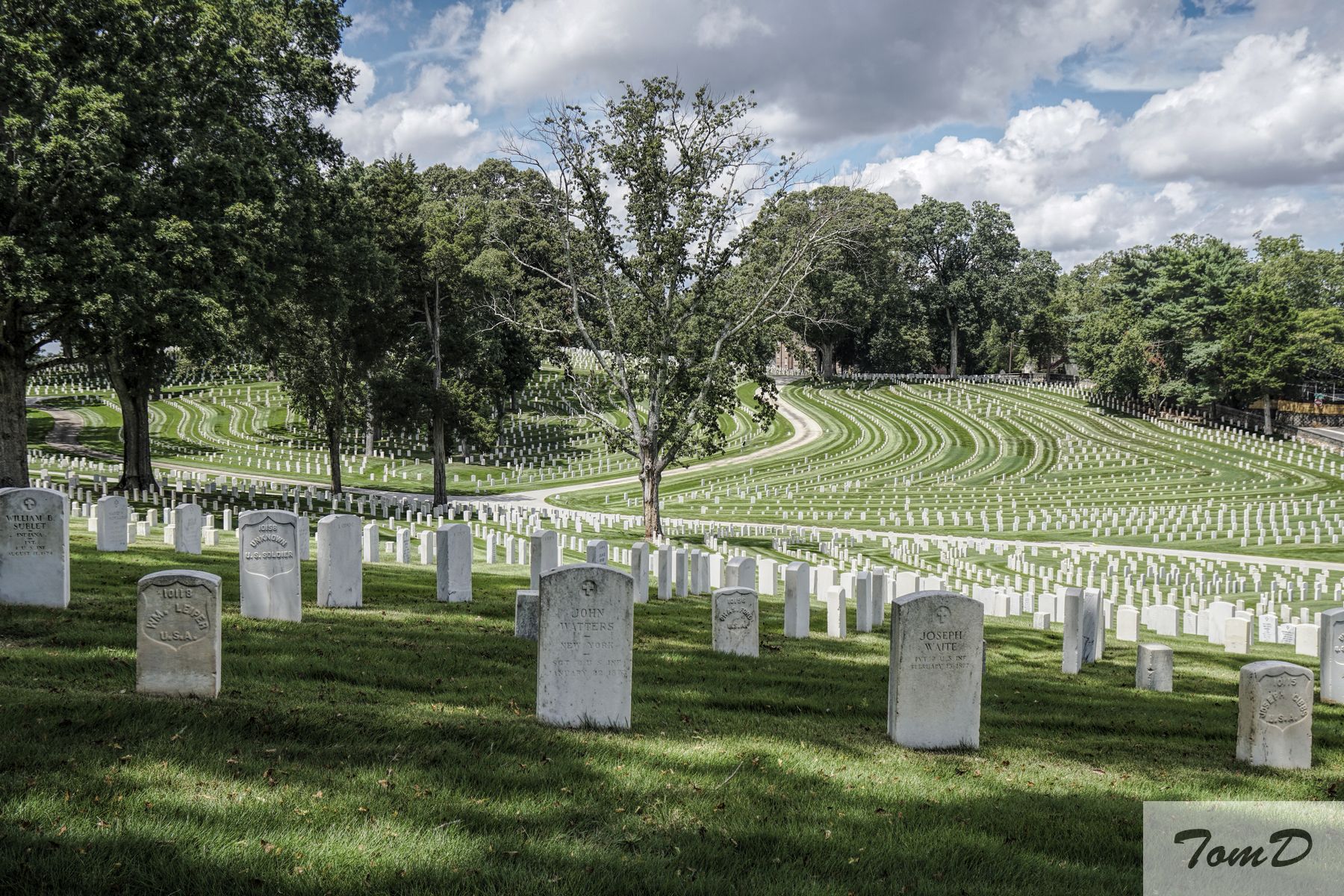
DSC 1789 Marietta National Cemetery in Marietta, GA. Most of this cemetery is from the Battle of Atlanta though there are some from later years. The graves are almost all Union Soldiers, the Confederates have their own a few miles away. And if this is what the winners got……..
SONY DSC
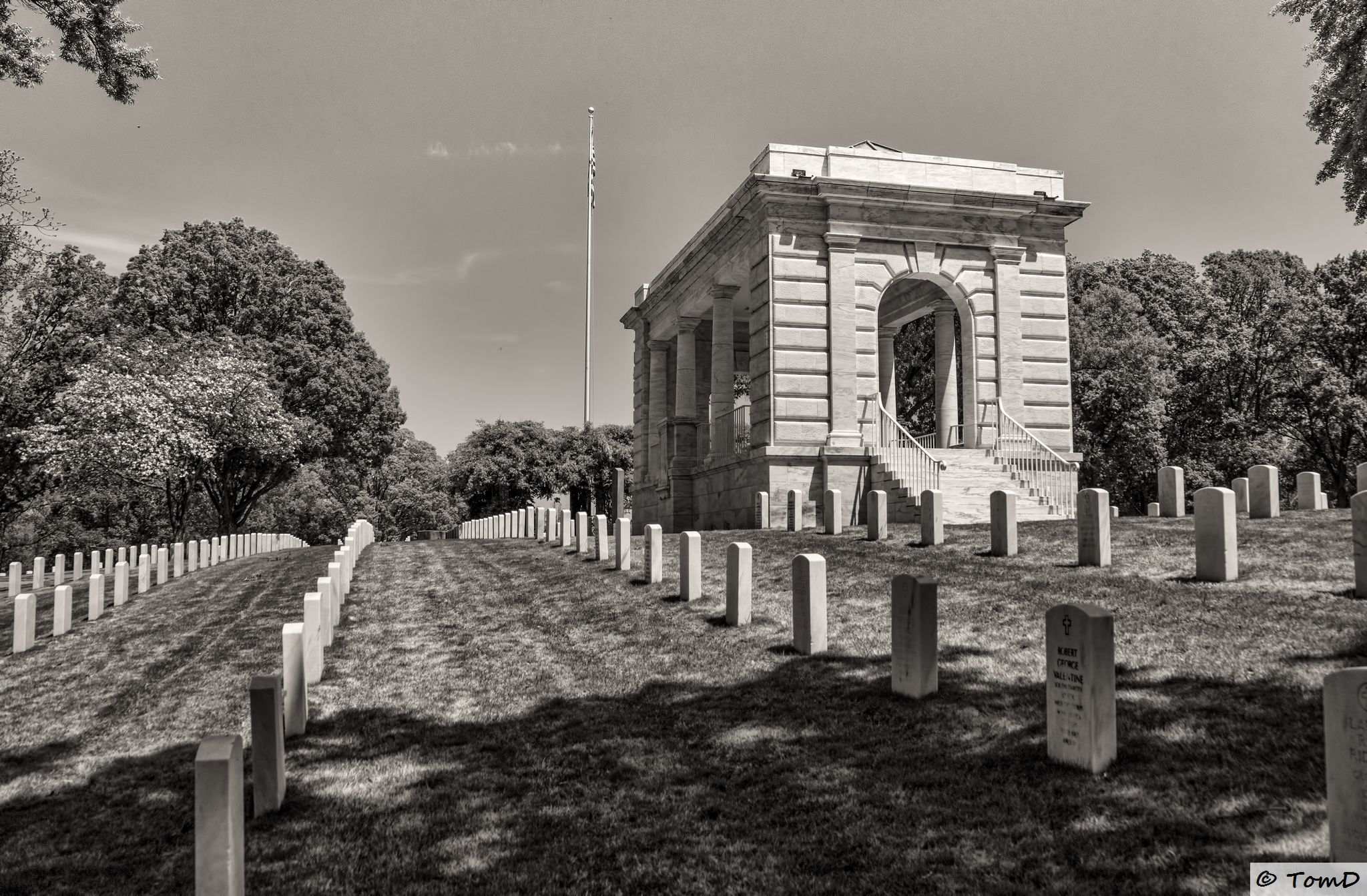
DSC 1613 Another from Marietta National. The was/is a monument to the Minnesota Troops.
SONY DSC
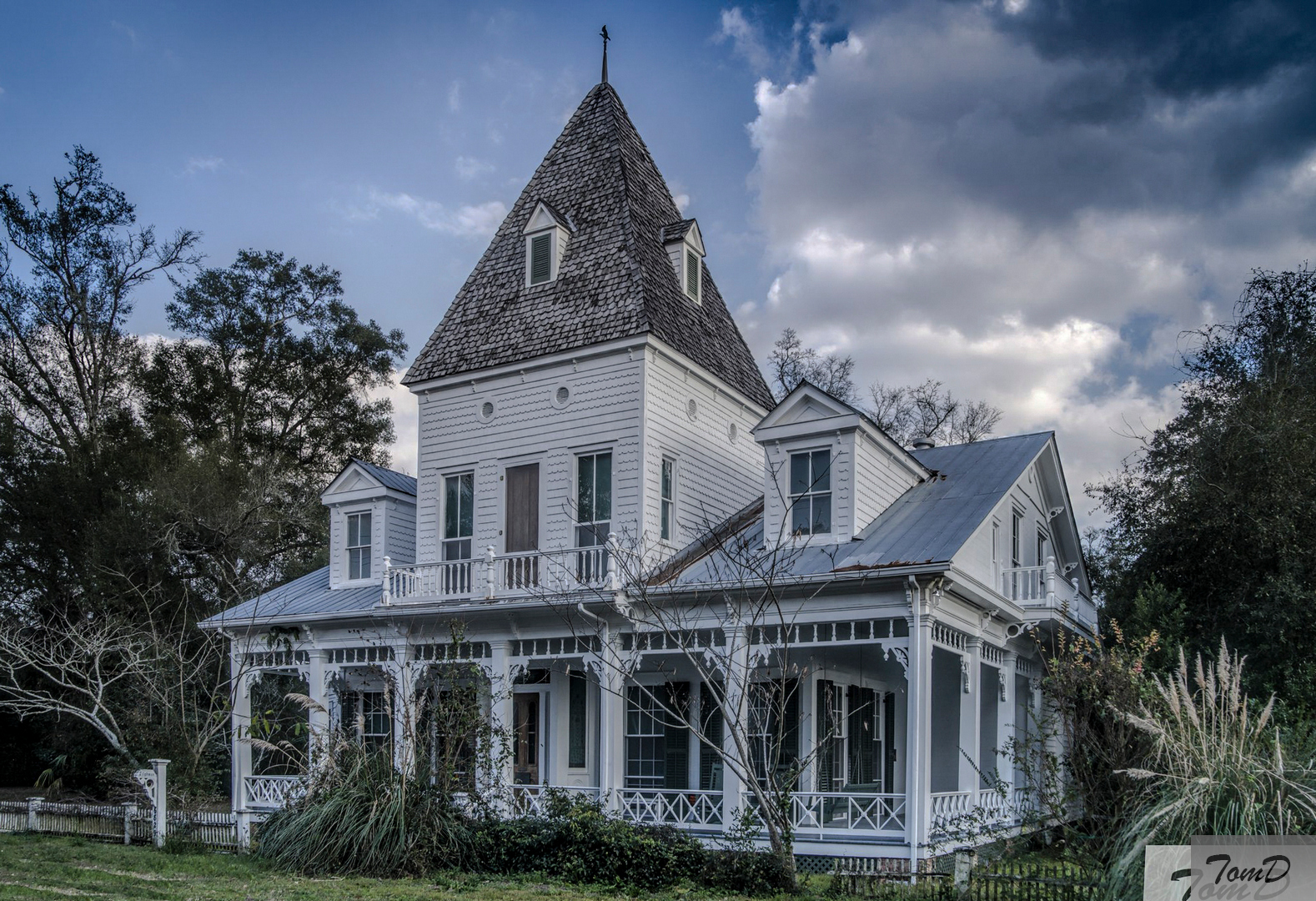
DSC0286 An example of the homes of the late 19th century in NW Florida.
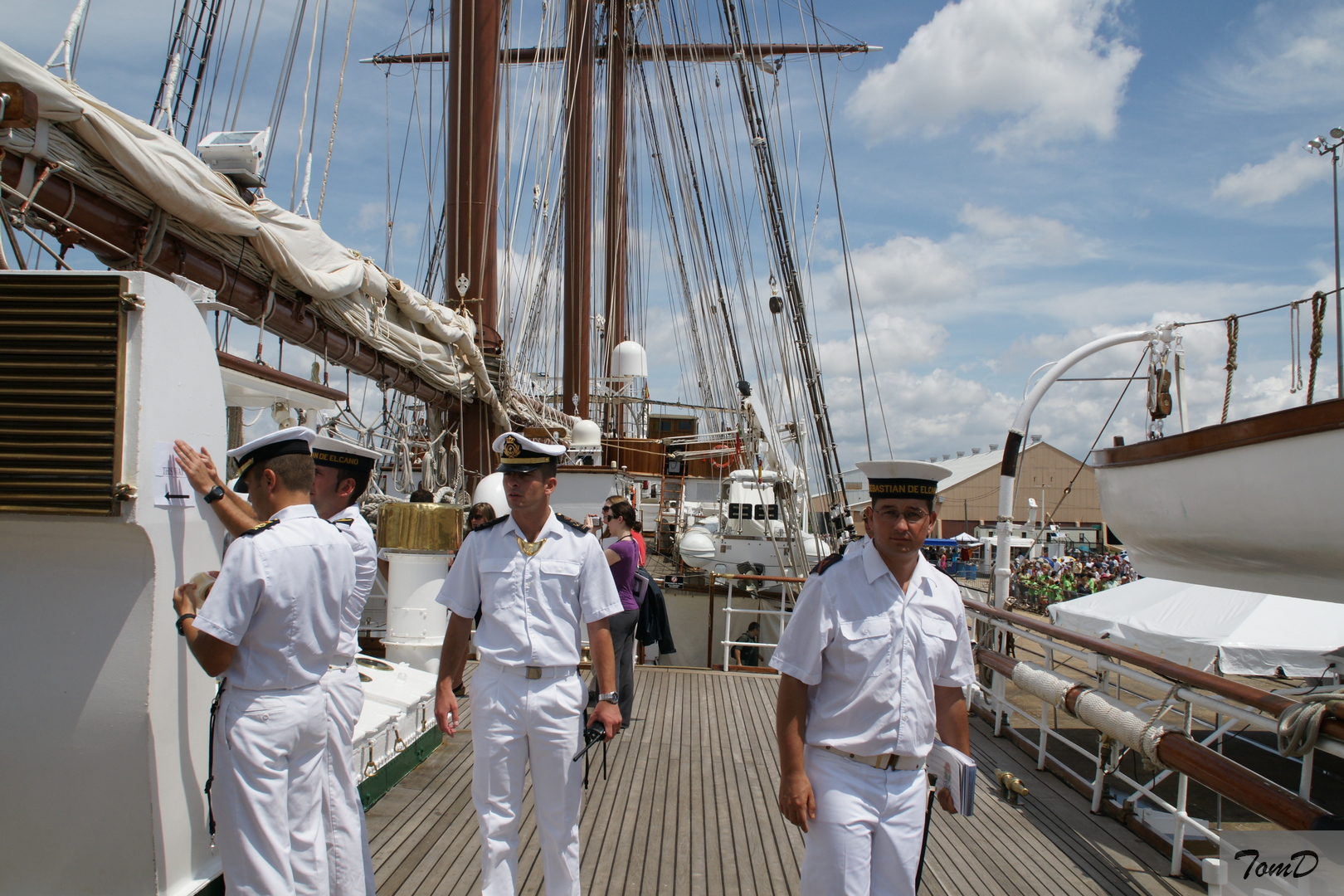
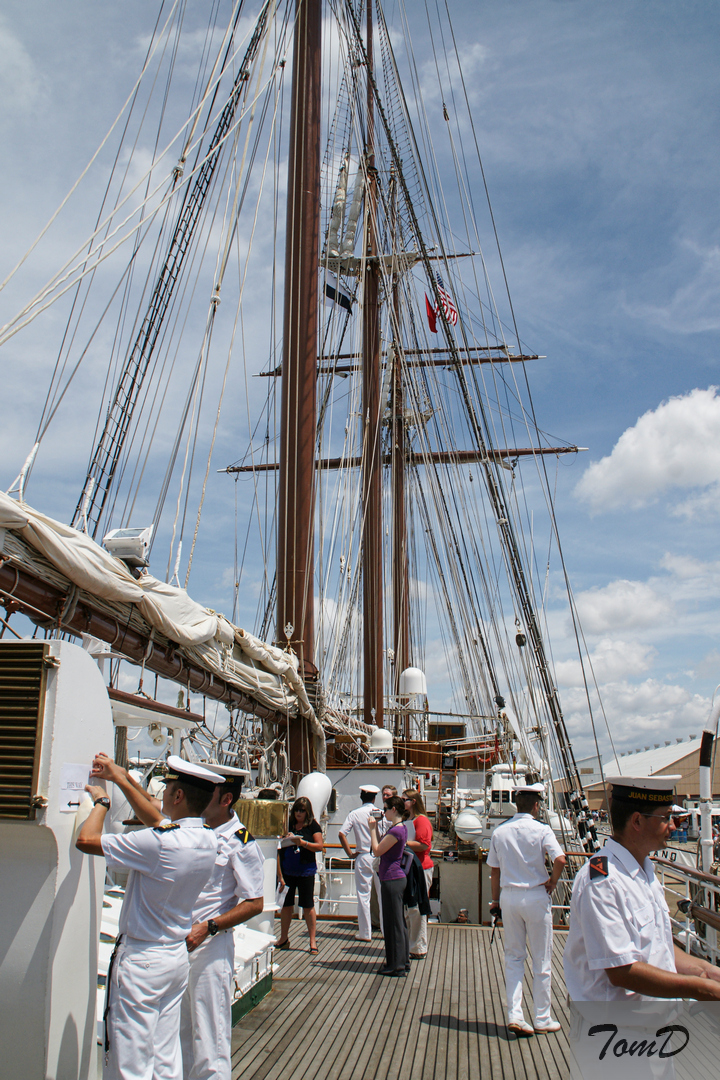
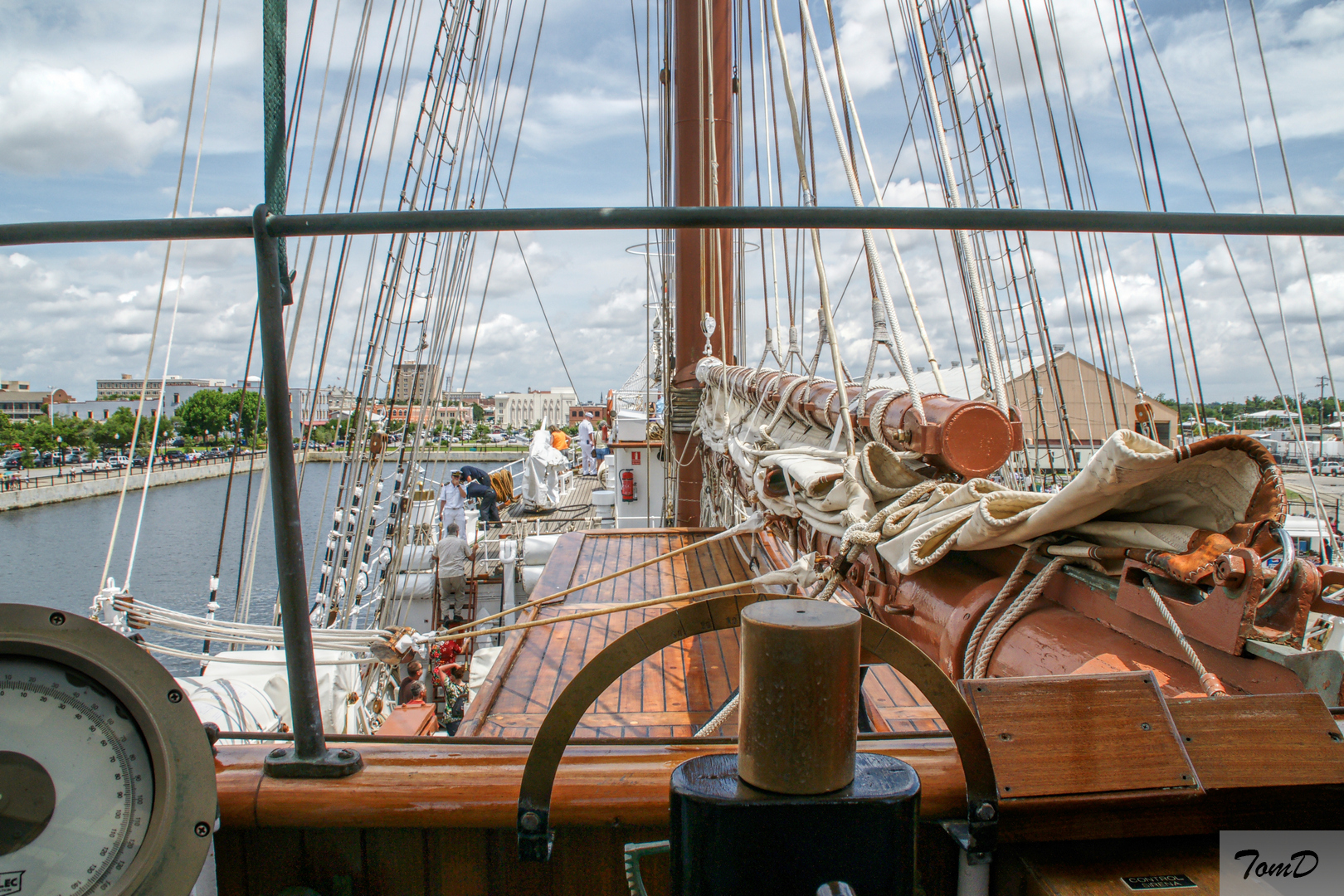
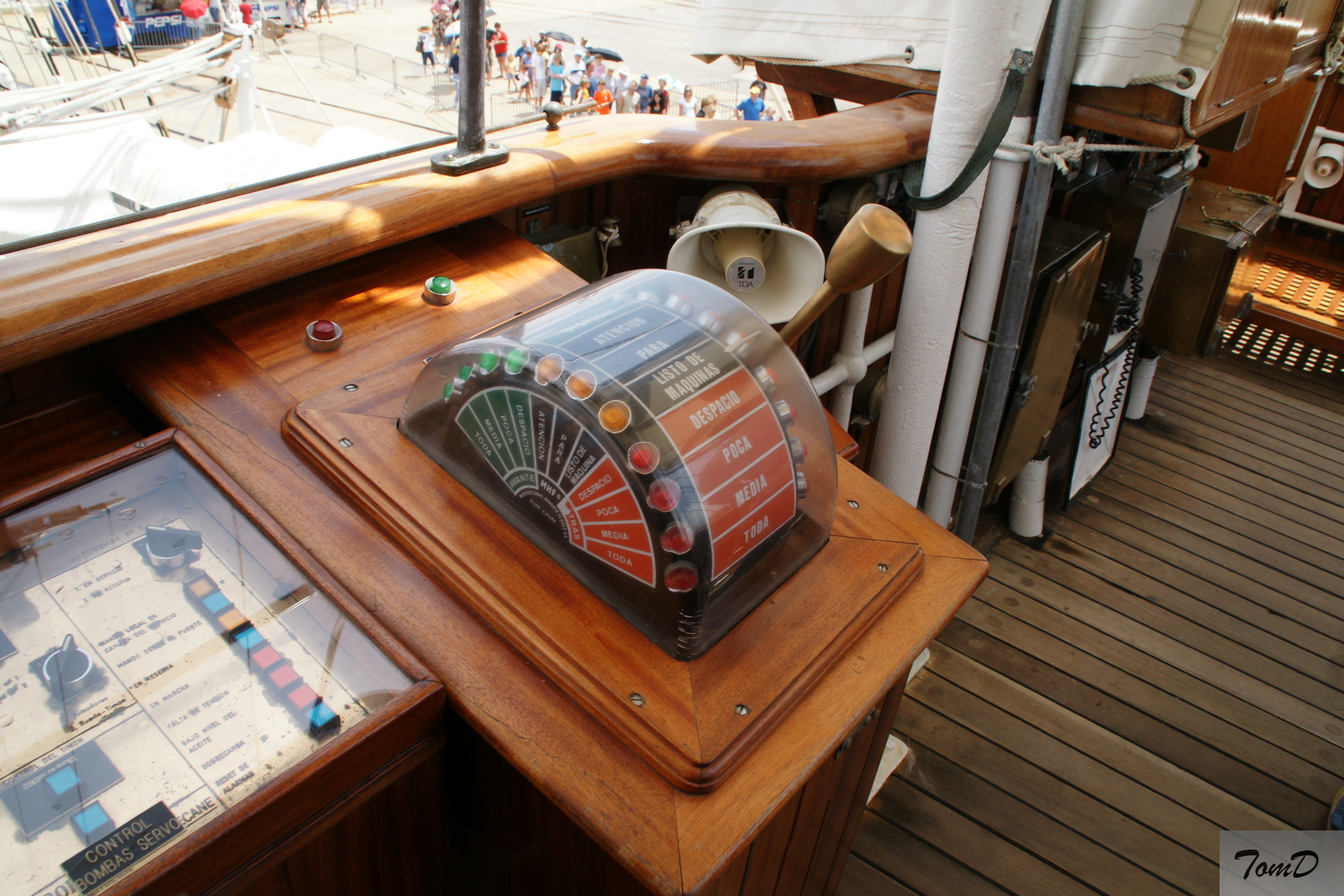
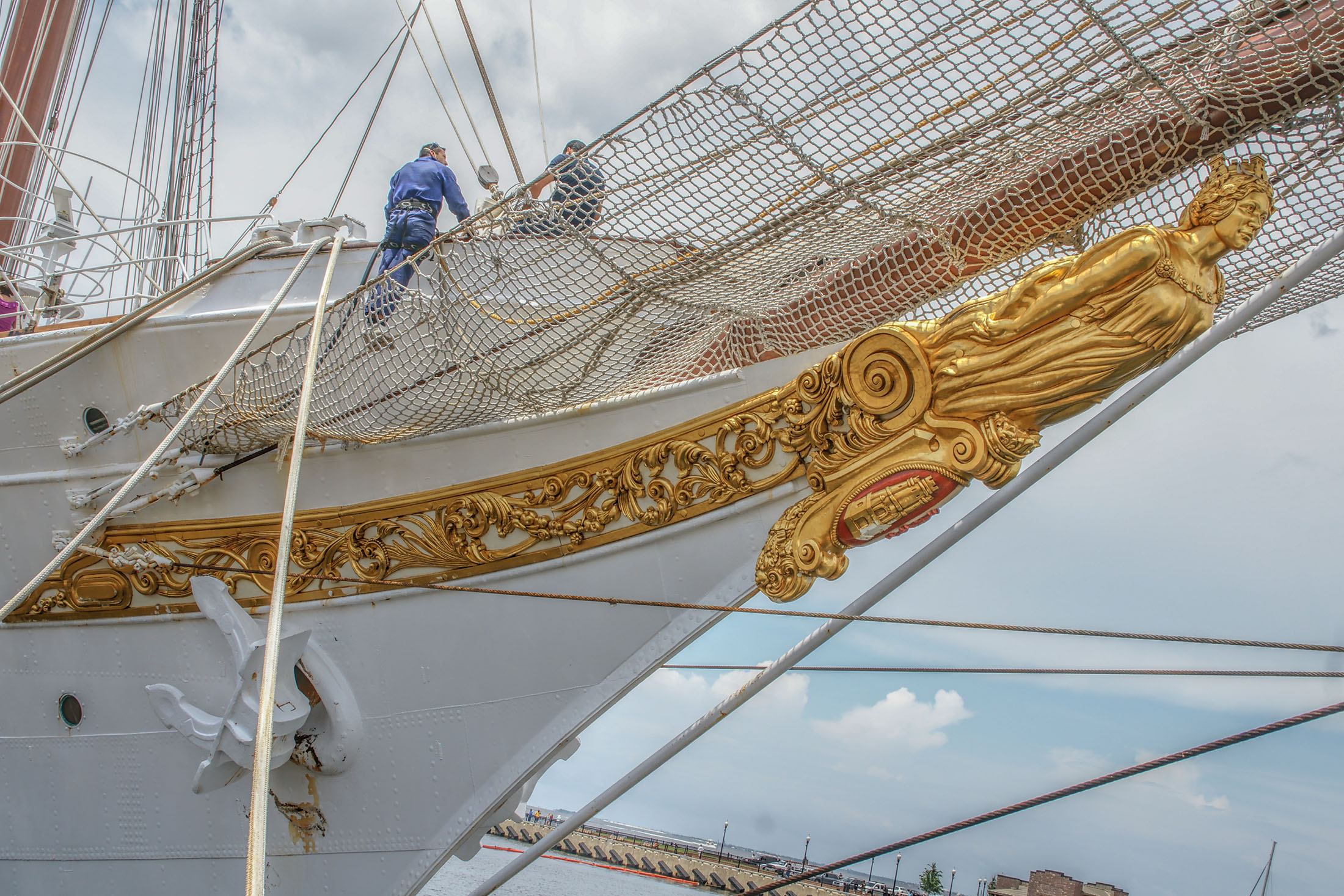
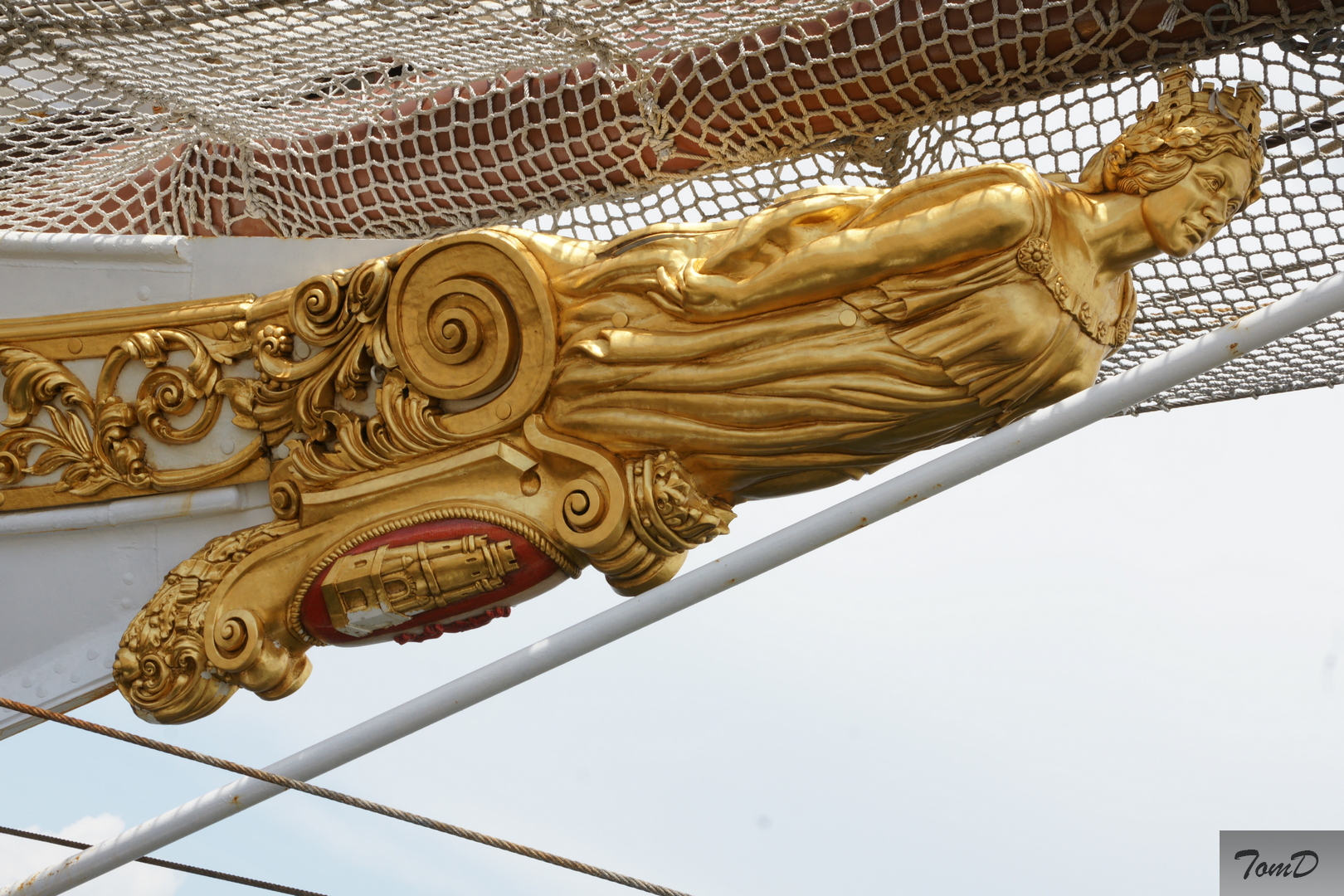
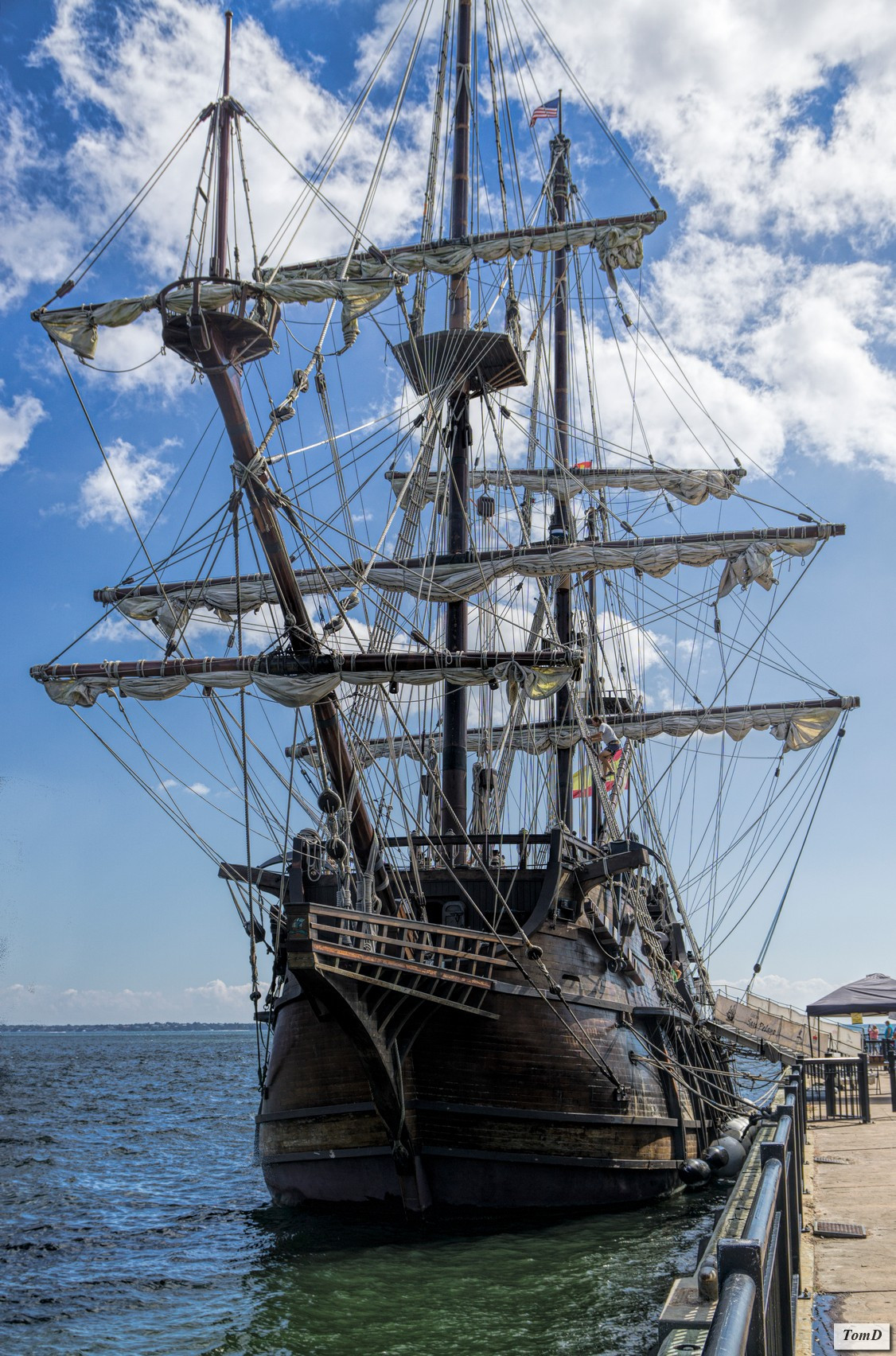
This ship, the JS De Alcano, is owned and operated by the Escuela De Guardias Marinas, the Spanish equivalent of the US Naval Academy. Each summer, the ship makes what is essentially a world tour stopping at various ports, using the Midshipmen from the Academy as the sailors. Florida, including Pensacola, was a Spanish possession until 1822. Pensacola reflects the Spanish influence in a number of ways including some of the major street names, like Palafox, Cervantes, Cordova, Texar and a bunch of others.
The ship is one of the largest remaining sailing vessels in existence. It was built in Britain (some irony there) in the early 1920’s and has been in continuous operation since. It docks in Pensacola every 5 years or so for a several day stay. It was last here in May 2023 though, several of these pictures were taken in 2009
SONY DSCSONY DSCSONY DSCSONY DSCSONY DSCSONY DSC
SONY DSC
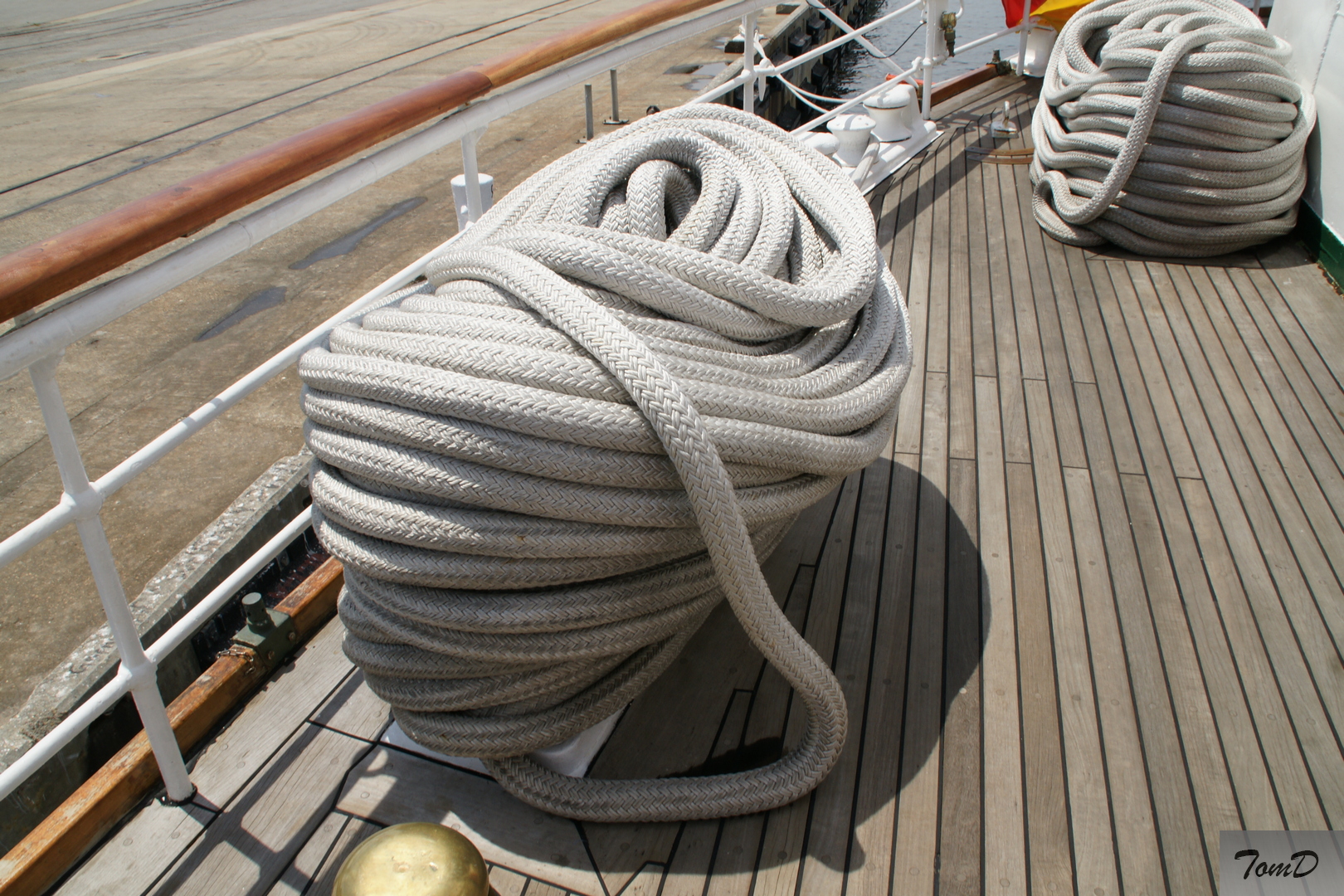
I think the subject of each shot is obvious and doesn’t need individual descriptions. Though I was amused at the labeling on the engine control.
The Spanish obviously have a loooong history of Maritime Tradition.
TomD
Here’s a shot of a much smaller sailing vessel, a replica of a Spanish Galleon. I’m convinced that a true sailing master of a large sailing vessel needed to be a genuine genius.
There also had to be a designer.
Also, the sailors in the rigging had to be mentally quite a bit above the near retarded levels pictured in historical descriptions of the ships crew. Actually, that’s depressing. We like/need to think of the people subjected to such horrific circumstances/privations/dangers as brutes.
I just noticed two very unusual elements of this galleon design: the sail and an observation platform on the bow sprint. I’ve not seen that before and definitely not on Dutch, British or French designs of the time.
I’ve been acquiring/collecting gold and silver for the past 21 years. My motivation initially was to keep a store of PM (precious metals) as a hedge against economic “problems” but I quickly discovered that there was an aesthetic component to some of the coins. My 1st purchases were 100 and 1000 oz silver bars (in 2003 cheap) but they were as photogenic as bricks. When I discovered the offerings from some of the major mints around the work, it was a “Whoa” moment. So I started to photo them. It worked out that 2003 was right about the time digital cameras were becoming capable instruments.
Amusing that the owner of APMEX (American Precious Metals Exchange), the largest online seller of PM’s sent me an email in around 2006 asking if I would do all his product photography for him. I was happy for the recognition but I was a 50 something year old Civil Engineer at the time and I appreciate the offer but——
4 Ducat- This is a restrike of a 1915 4 Ducat Austrian gold coin featuring Emperor Franz Joseph. The coin contains .44 oz (net) of gold. I’ve got a number of European gold fractionals (fractional oz) and some are quite nice if you manage to get one in good shape after 100-140 years. This coin is from the Austrian Mint
SONY DSC
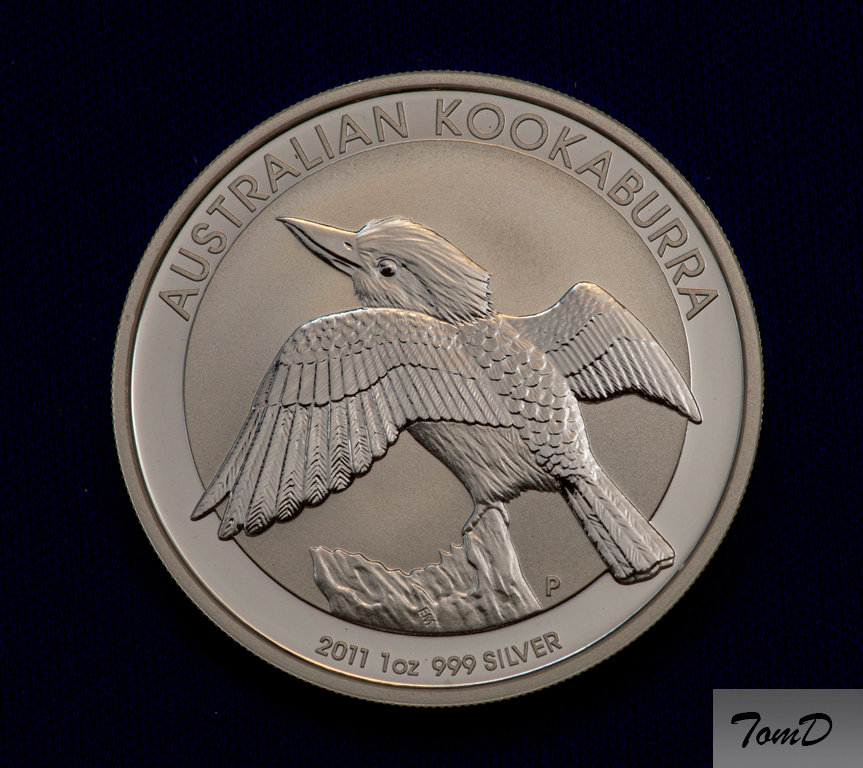
2011 Kookaburra- From the Australian National Mint. The Kookaburra is just 1 of several yearly silver coin offerings from the Mint. All of them are incredibly nice and popular. This series started in 1993, different images each year, 1 oz of silver. As an aside, when I say one oz in the context of PM’s, I’m talking about Troy oz, not standard oz., the difference is 28.35 grams per standard oz vs 31.13 per Troy.
SONY DSC
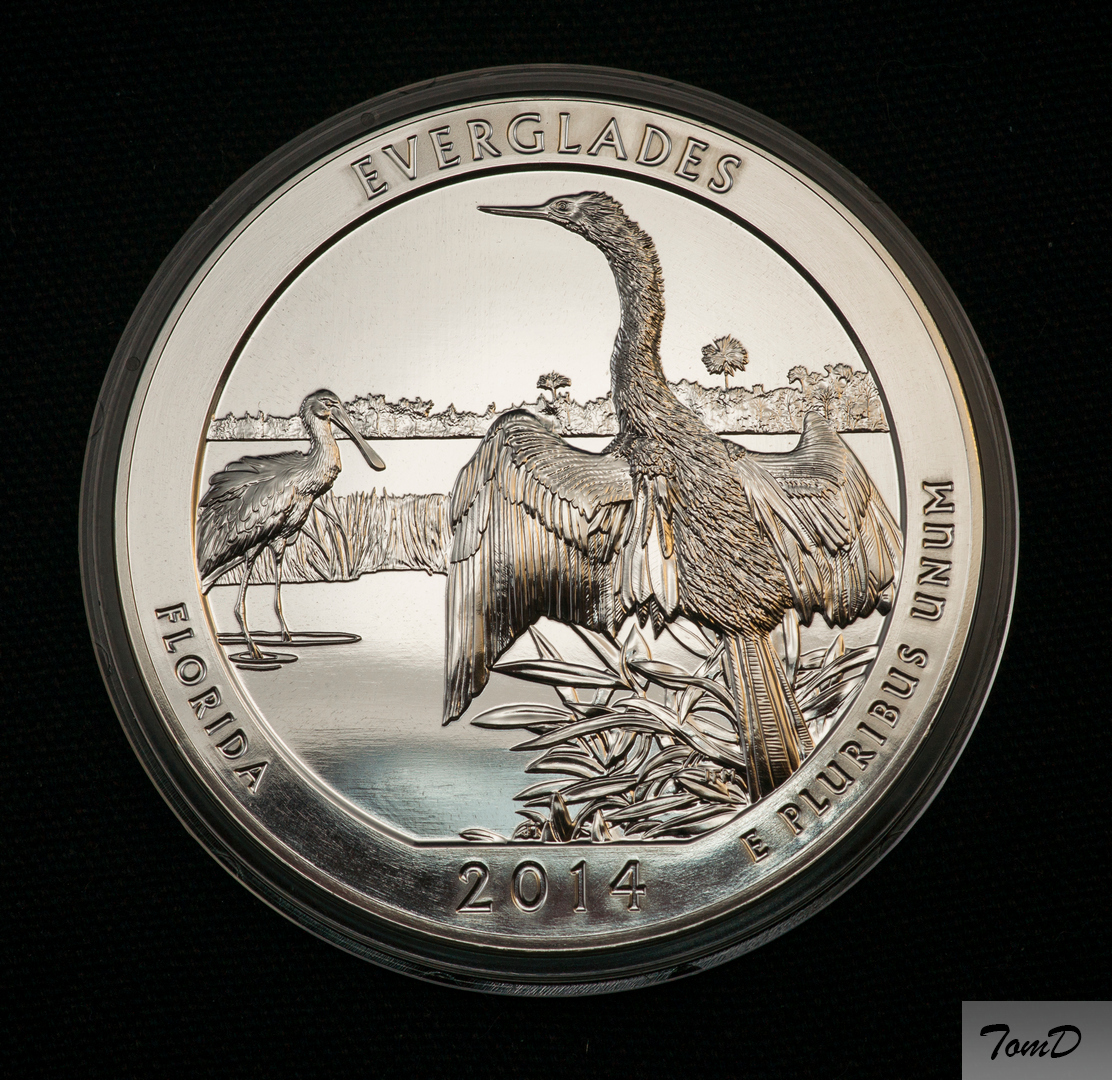
ATB Florida- US Mint, ATB stands for America the Beautiful as in the state quarters issued for several years. This isn’t a standard issue quarter but a 5 oz silver replica but still minted by the US Mint. Some of the designs, like this Florida one, are quite nice, but others not so much.
SONY DSC
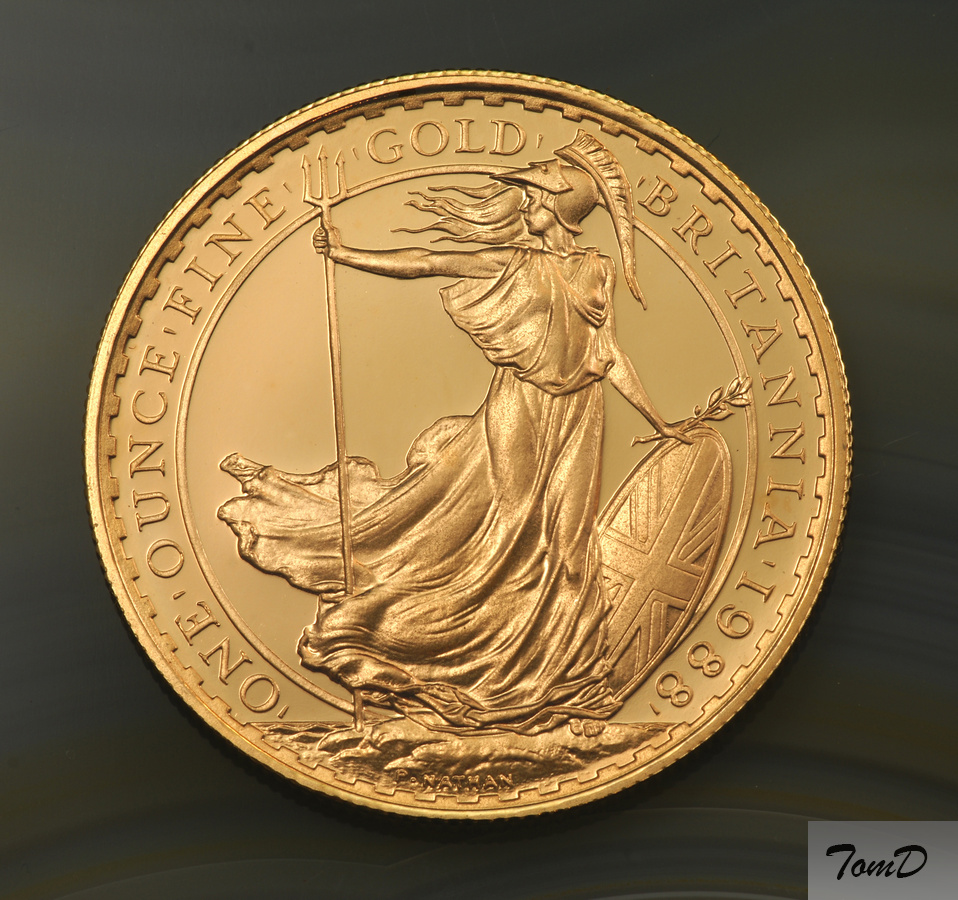
Britannia- By the British National Mint, one oz 24 kt gold. Britannia is the British equivalent of Uncle Sam. The coins were issued yearly, most years of different designs, in both gold and silver. A lot of the coins from this series are spectacular.
SONY DSC
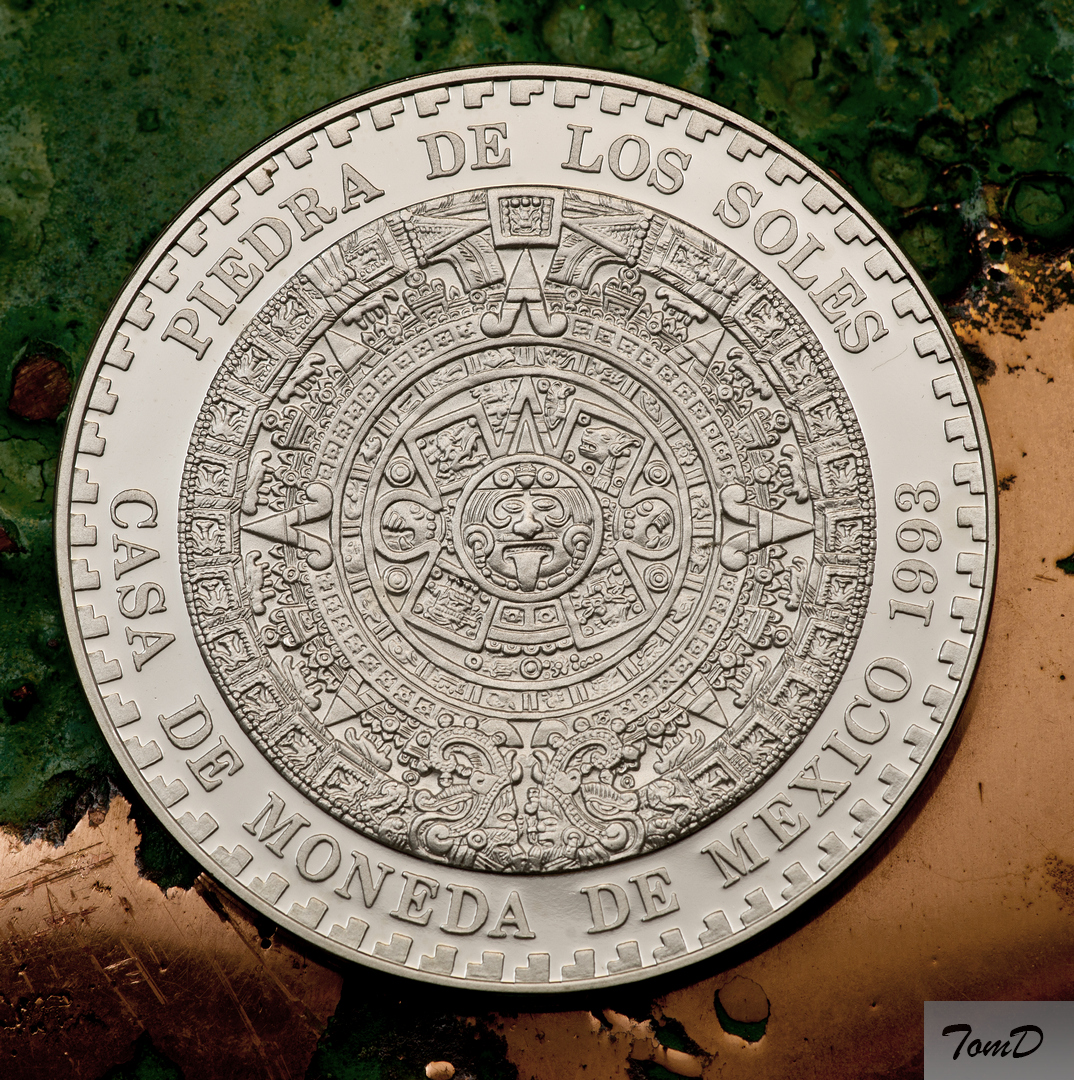
Azteca Calendario- This came in different weights up to a kilogram, this one is 5 oz. You can find all sorts of base metal knockoffs of this coin but the real ones from the Casa De Moneda De México (Mexican National Mint) are fairly rare. I had a Mexican contact and we swapped coins with each other for years. The Casa has some beautiful coins and popular coins in its catalogue.
SONY DSC
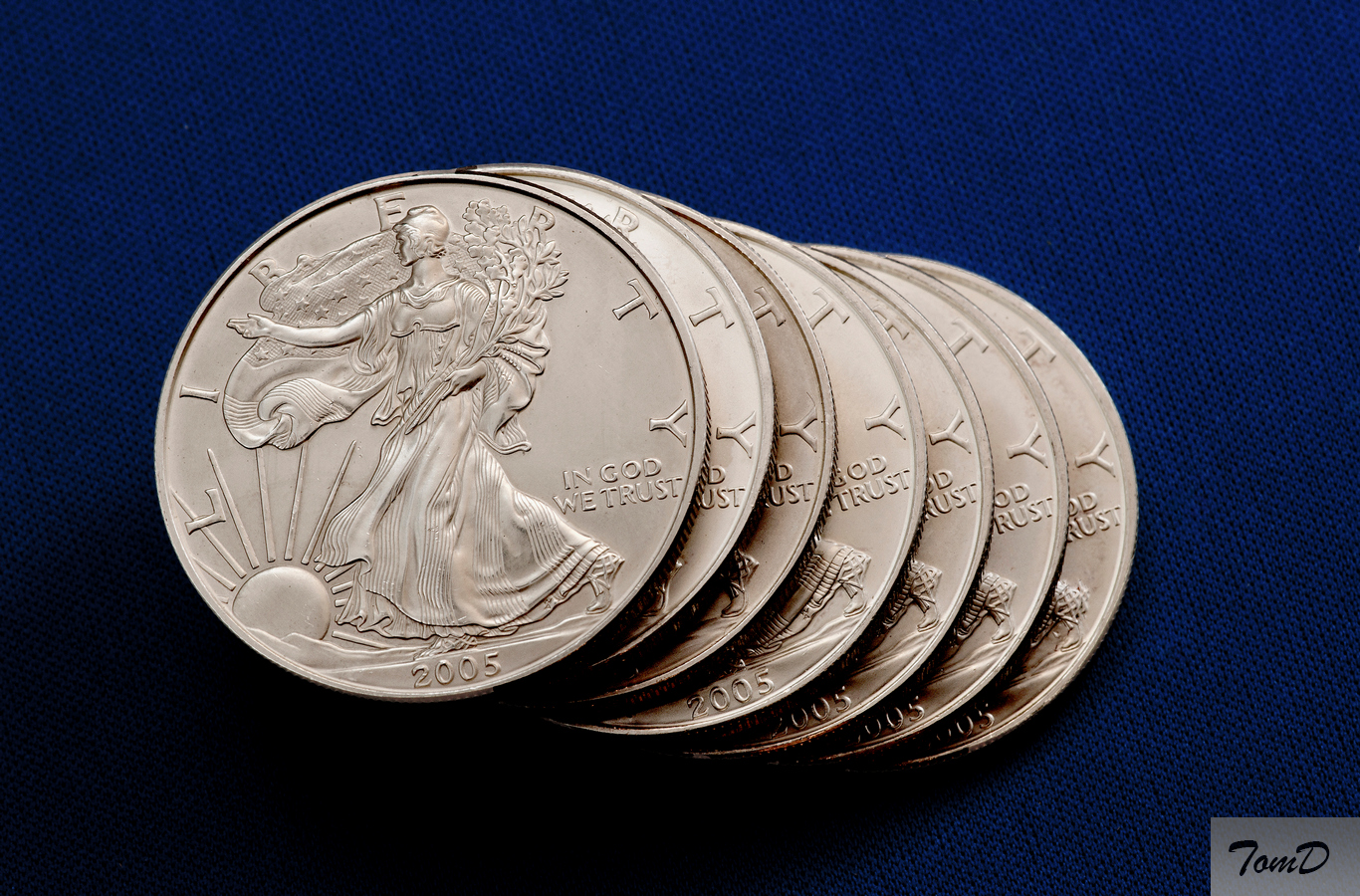
Eagles- Silver American Eagles that is, from the US Mint. Probably the most popular, recognizable, desired and produced coins in the world. If you’re going to buy limited silver, get this one. Recognized everywhere and easily traded for cash. When I first started buying these, I paid $5 each, now they’re pushing $40.
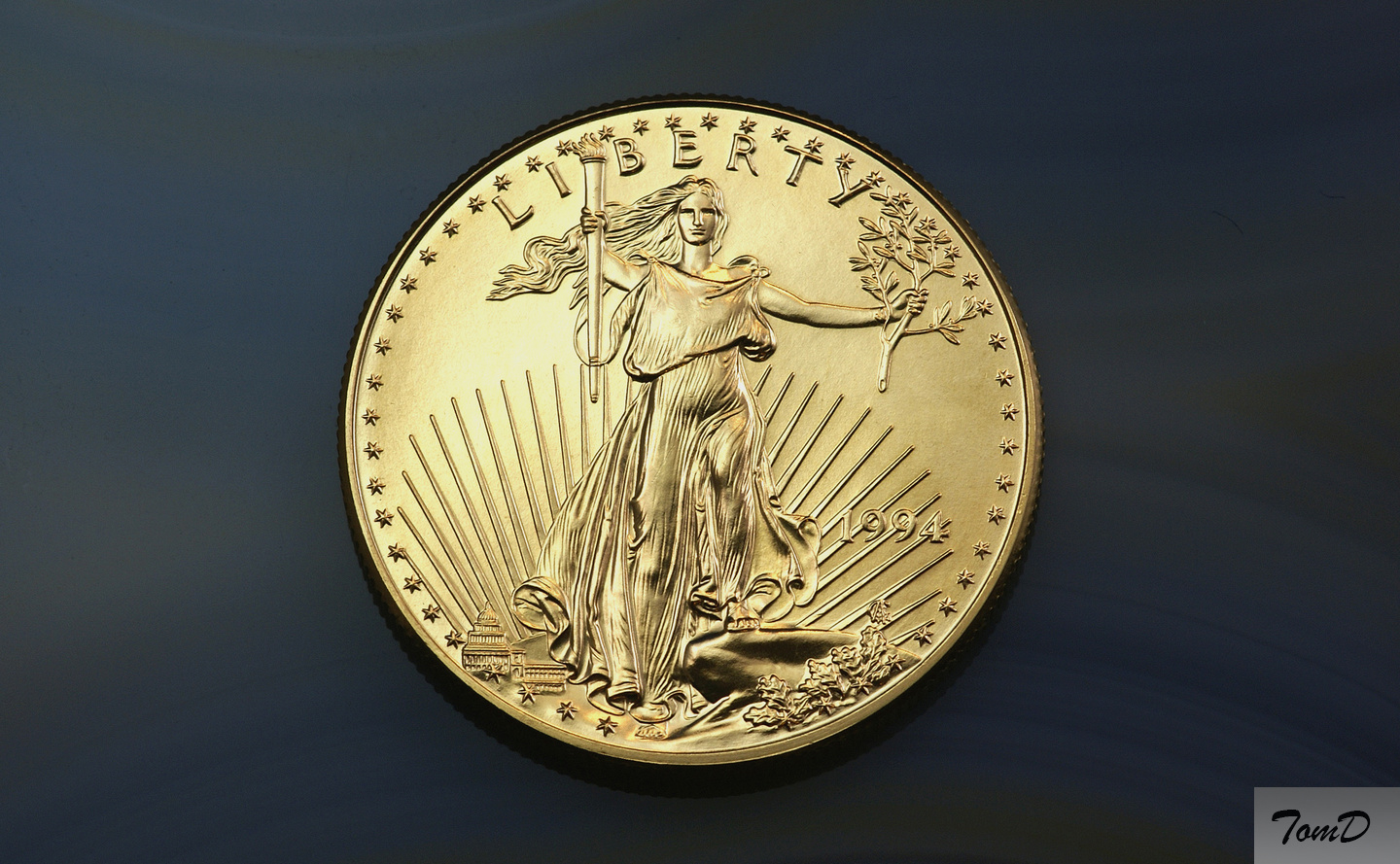
GAE- As in Gold American Eagle. Ditto everything about the silver eagles. They are in 22 kt gold or 91% but the weight of gold is one full oz. I like that alloy, I’ve got 24 kt gold but it is too soft. I dropped a 24 kt coin once and it dented the he** out of it. Luckily, that particular coin had little numismatic premium and it was still 1 oz of gold after the drop.
SONY DSC
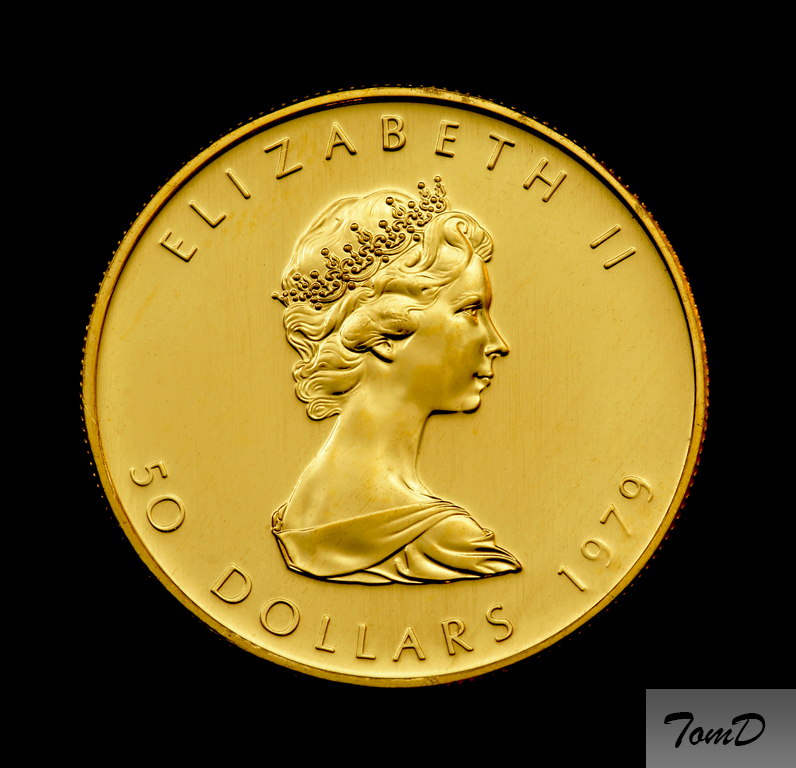
Maple Gold- This is the Canadian version of the GAE. These are .9999 gold. It was one of these that I dropped. This is a fairly early one and the image of the Queen is what is known as the “Hottie” Queen. The image was updated as the years went on to reflect the aging queen.
Of all these coins shown, only the Kookaburra and Calendario have any premium attached. All the rest, you could buy for close to spot price. For some reason, some years of SAE’s are rarer and the coins can cost you more. But just skip these years.
I might do another coin photo post down the line but I’ve got thousands of shots of beautiful coins and I don’t think that is the direction Photog wants his site to go in. But there are some incredibly beautiful coins series out there, Chinese Pandas, a number of private mint series, Britannias, ATB’s, Australian Lunar series, Australian Kangaroos, Canadian Predator series, Mexican, European coin types beyond count.
I was extremely lucky, one particular friend (now departed unfortunately), influenced me and got me started when I could accumulate most of this when PM’s were a fraction of current cost. I paid $250 for my 1st oz of gold.
Yesterday, I experimented some and found what I consider the Achilles heel of the method. This isn’t a factor for inanimate objects but outdoor nature photography becomes difficult to say the least. I was trying to shoot a clump of red berries in a bush and then a flower (this is Florida)> There was no detectable wind the the 1/4 mph (or whatever) was just enough to move the subject 1/8” to 1/16”, just barely. That would have had little to no effect in regular photography but it totally ruled out stacked images for any purpose. That + the sheer length of time the subject has to remain motionless is hard in the wild. For my initial experiments, I was doing just 25 images with a 2 sec interval. That’s a life time in some circumstances but a bunch of articles recommended 100!
This is different from the focus stacking that i learned when I was in a camera club about 15 years ago. Then the shooting formula was still on a tripod, you would focus the camera on the nearest point you wanted, then the furthest and then input the number of steps that you want. Typically, it was along the line of 5 to 10 intervals, max.
The major downside was that the camera had to be tethered to and controlled by a computer. And the software was expensive.
At any rate, it looks as if this latest technique is limited to purely static subjects. But so to is HDR but to a much lessor extent. The most images you need in HDR is 5 and my camera will whip those out in less than a second. So you have some latitude.
I kicked this to the top of the site because I want it to get more views. Tom has collected some wonderful photos of an iconic old military facility. I especially like the shots of the interior masonry. His use of HDR (high dynamic range) technique produces fascinating images.
Ft Pickens is the site of a US National Park located at the mouth of Pensacola Bay into the Gulf of Mexico. Historically it has been the site of military defences to protect said bay from foreign intervention. Other than altercations between Union and Confederate forces during the Civil War, I’m not aware of any military confrontations between US and hostile foreign forces since the original fort was established in 1830. At least in one instance, WWII, I’m fairly sure that was because of the deterrence of the fort. Especially in the 1st couple of years of WWII, the Gulf was lousy with German submarines, and absent the fort there would have been little to deter the Germans from coming into the bay and shelling the deep water port facilities.
Fort Pickens was active as a military base from 1830 to its closing in 1947 and it has abandoned facilities and gun emplacements from all along that time frame. This is just a few pictures and doesn’t begin to encompass the buildings, emplacements and facilities there.
Photos:
SONY DSC
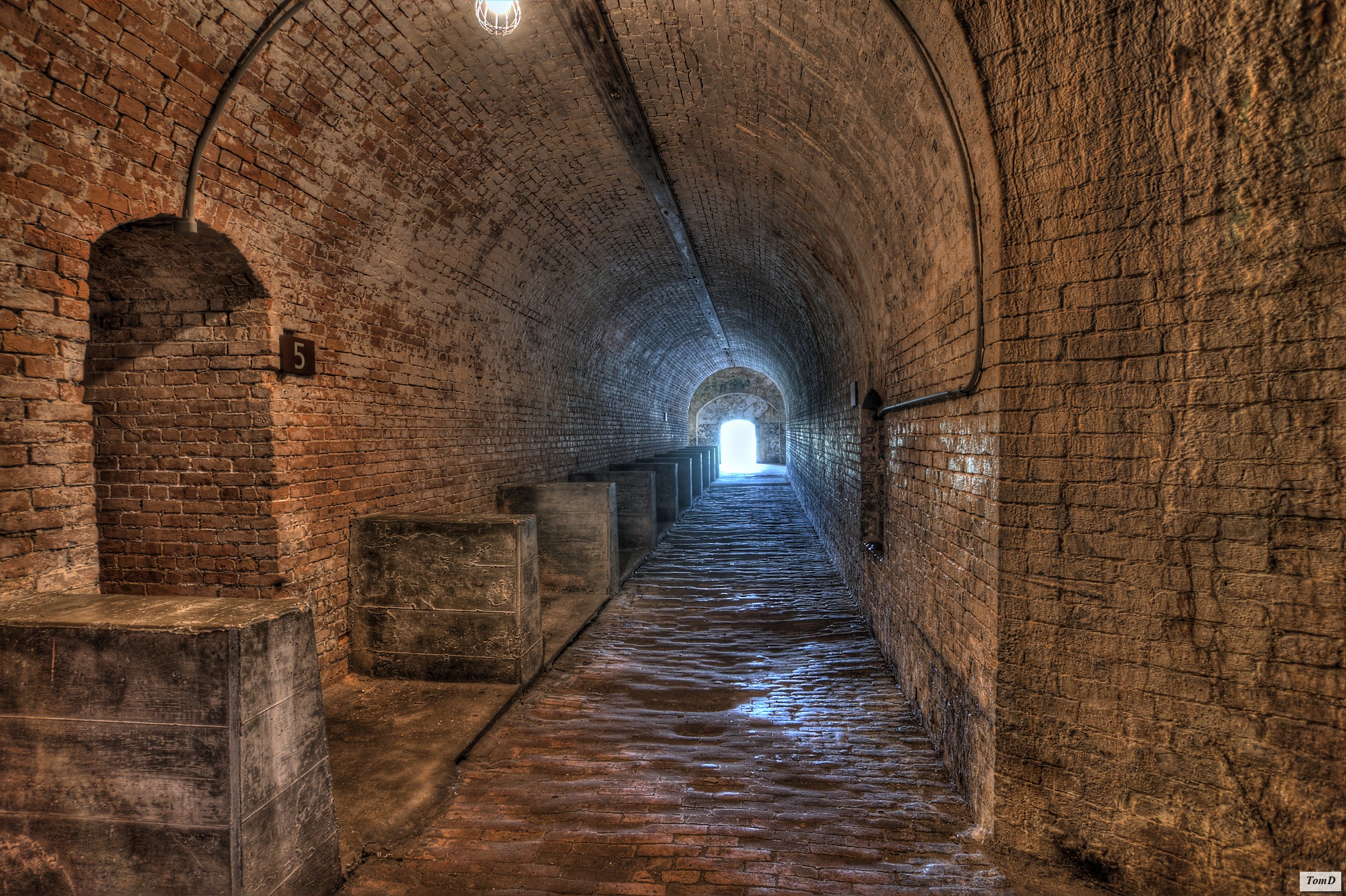
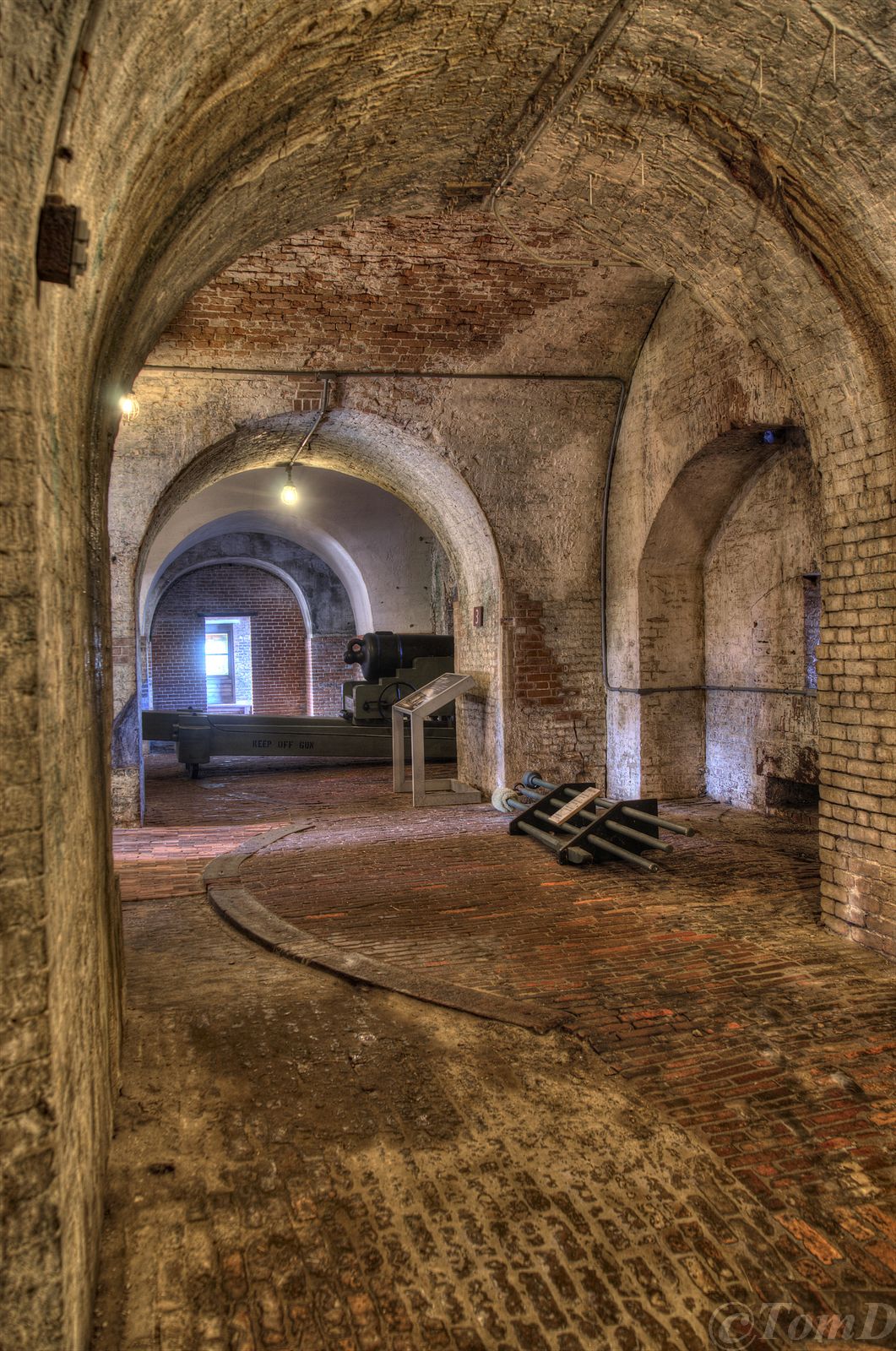
Light at the End of the Tunnel: This is one portion of one wing from the 1st facilities constructed, in 1830, completed just 8 years after Florida was ceded to the US by Spain. It was constructed of brick using slave labor.
SONY DSC
This is a spotting tower used to spot and correct the shell fire from the two 6” shield guns featured in later picts.
SONY DSC
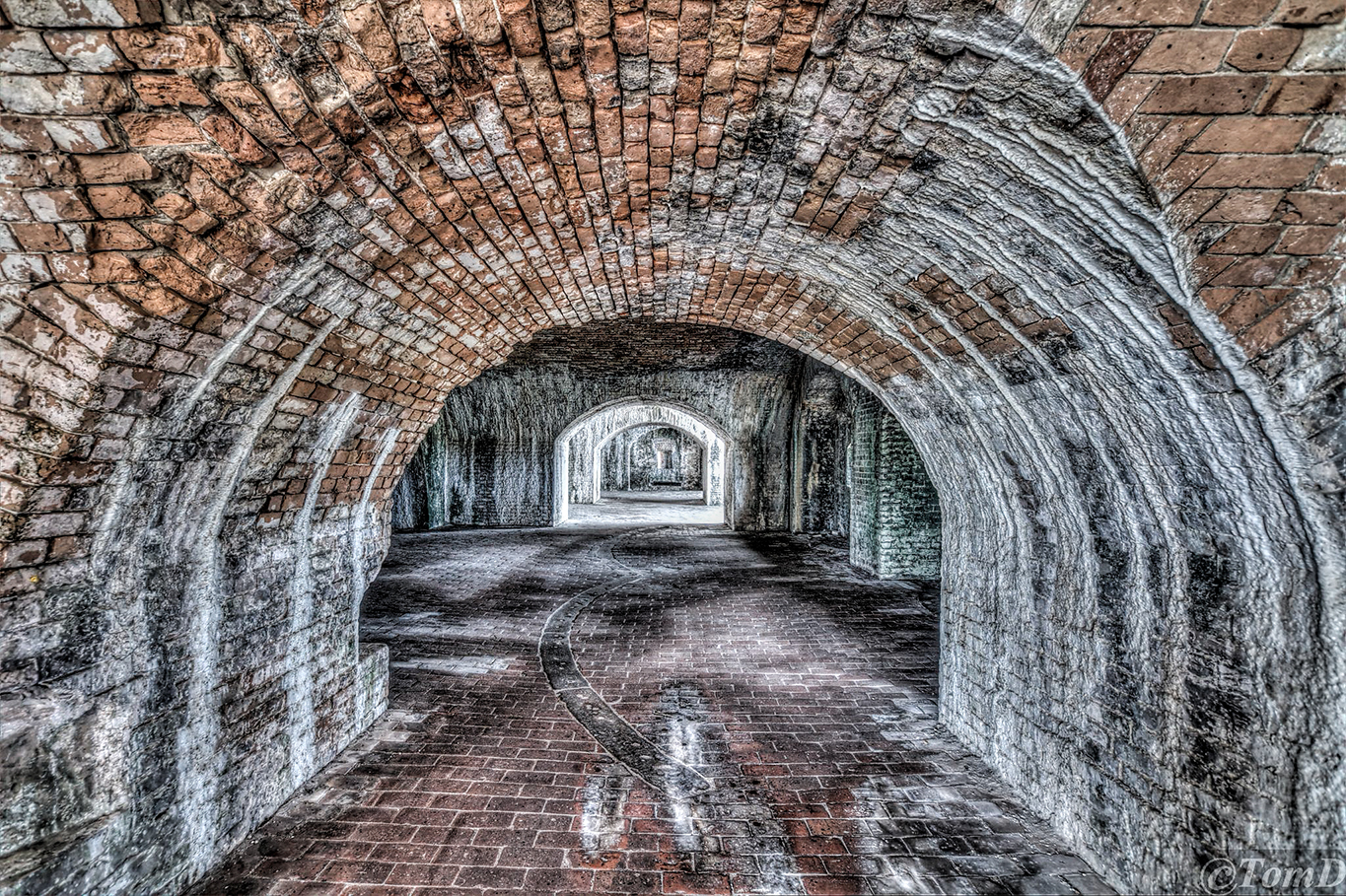
Another location in another wing of the 1830 fortress.
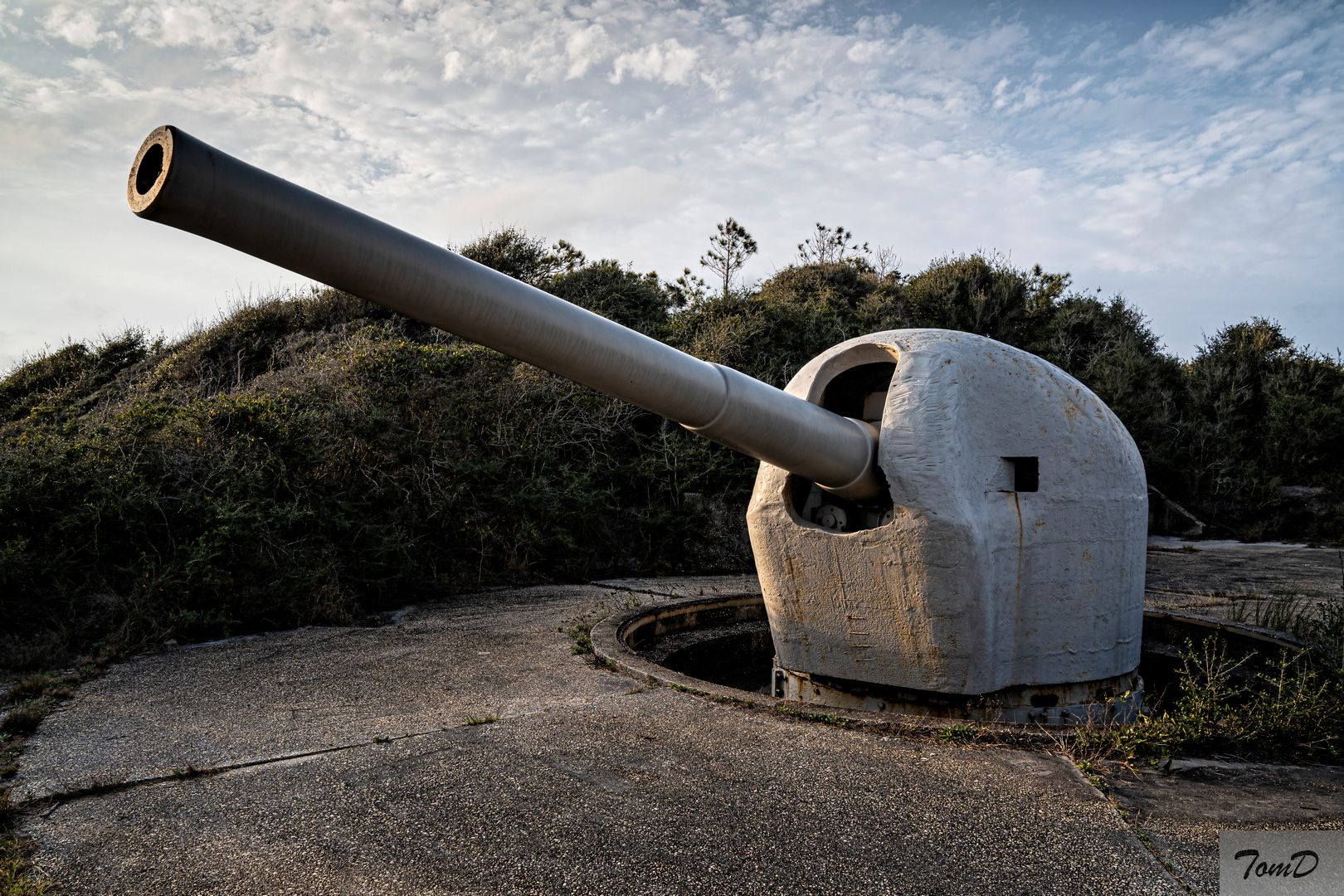
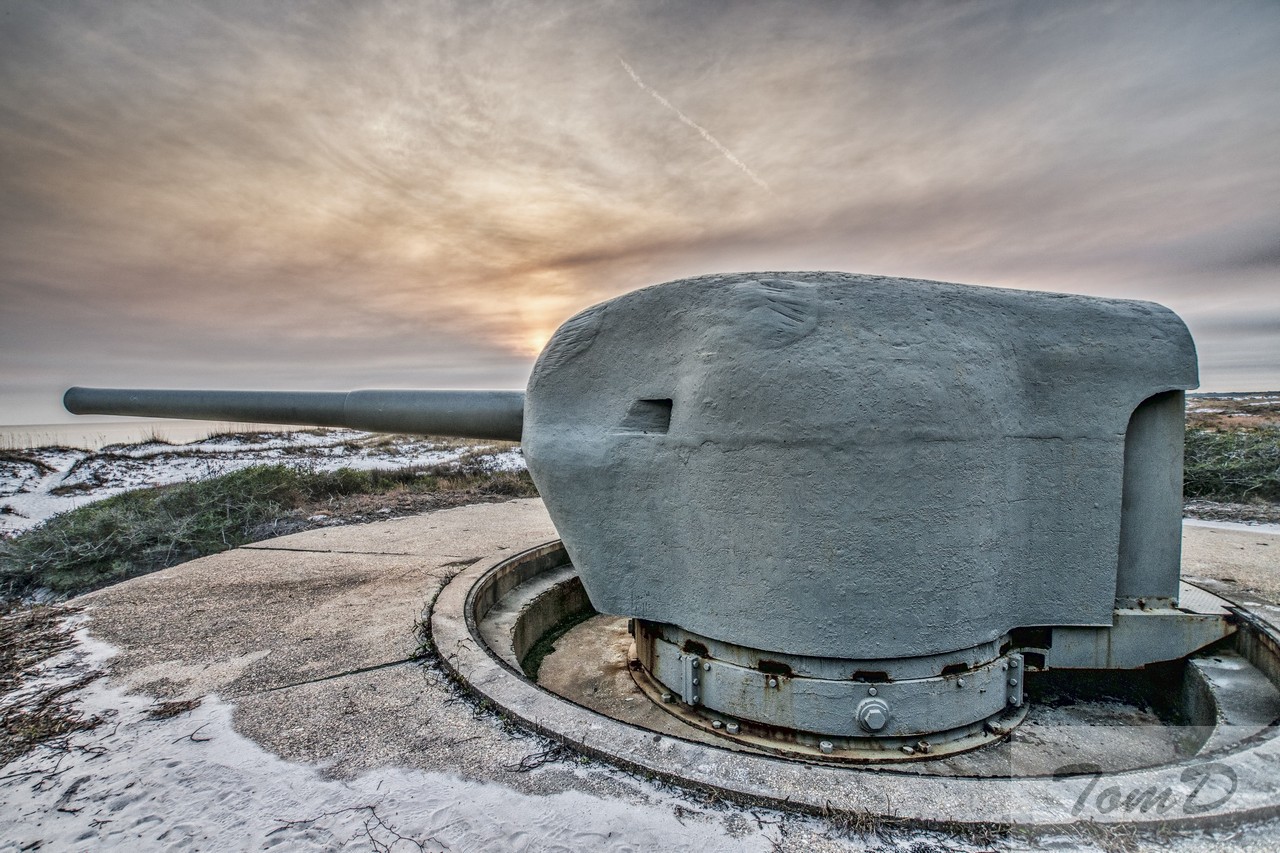
One of the 6”. These guns were 6” shield guns in use from before to through WWII. These guns threw a shell weighing probably around 90 pounds to a distance of around 17,000 yards. There’s a picture of the interior of the shield further down.
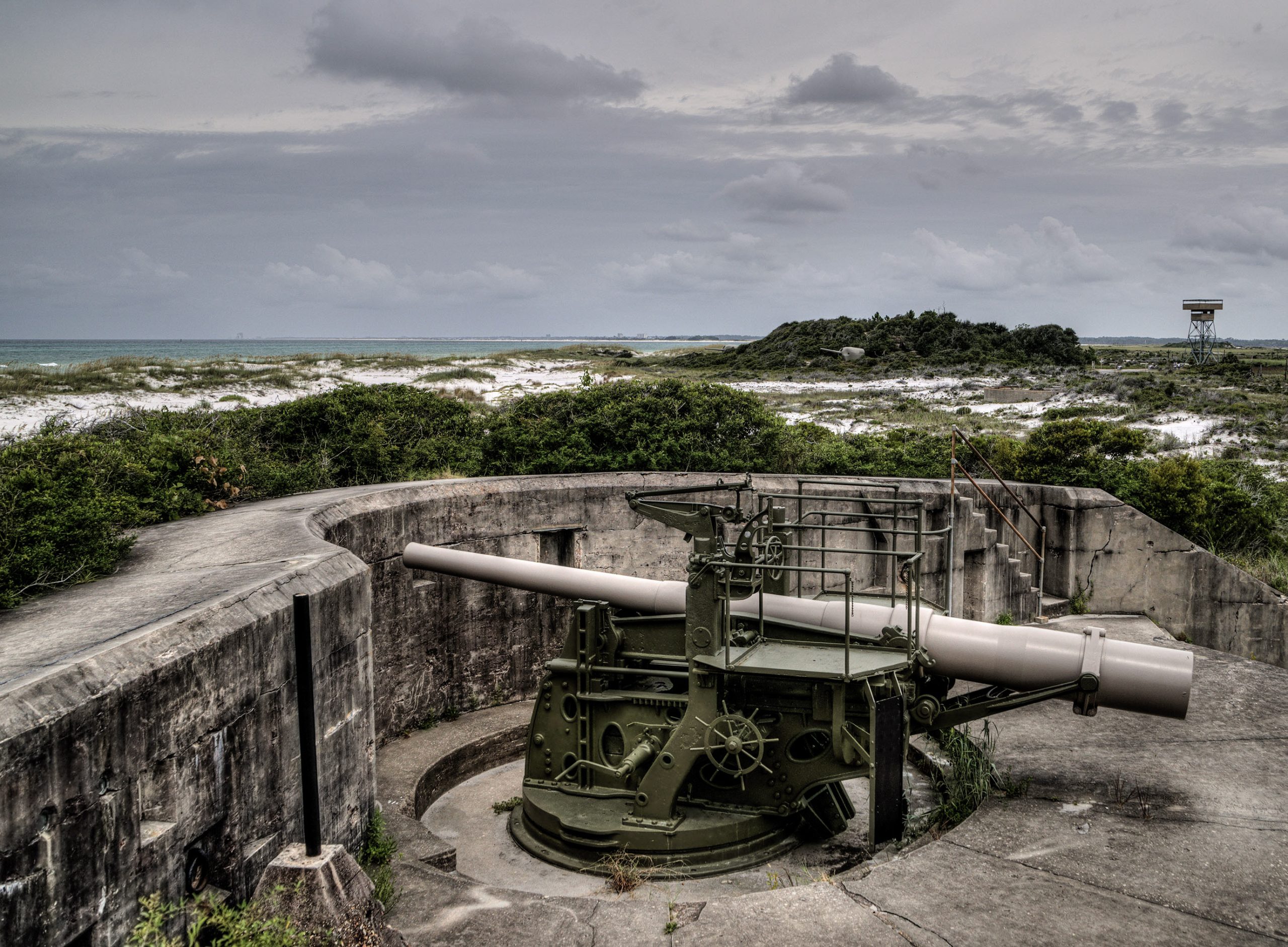
Here’s a “disappearing” gun from the WWI era. Seems to me that would be an effective defense strategy since, any adversary unless at an extreme range, would have a flat trajectory to its shell fire.
SONY DSC
This is the 2nd shield gun at that emplacement. This picture doesn’t reveal differences from the 1st but I just like the photo as a photo.
SONY DSC
A 3rd shot of another location from in the 1830 building
SONY DSC
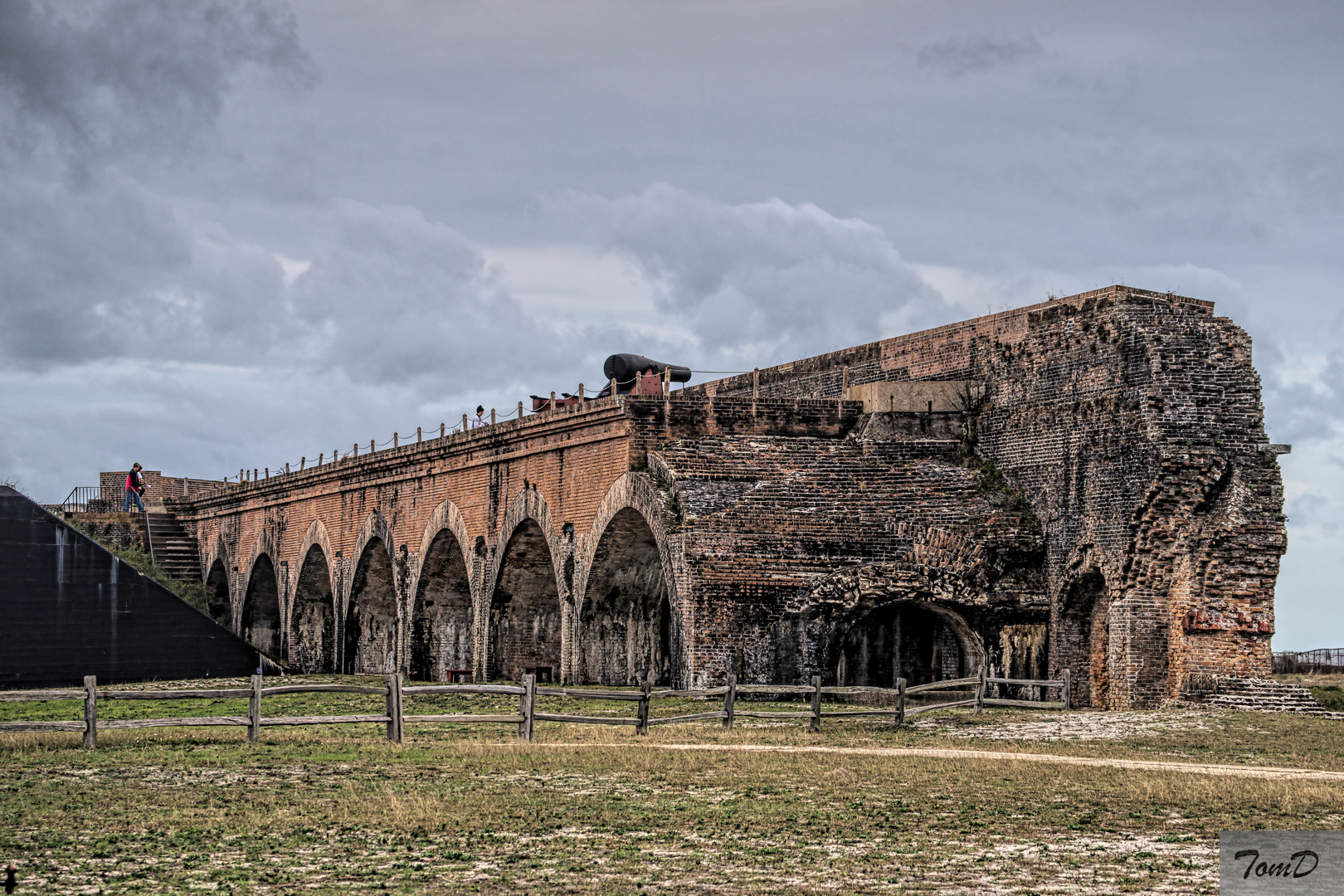
One wing of the 1830 building. It connects to the remainder of the building on the left but not the right side due to a “little” hurricane some time in the past.
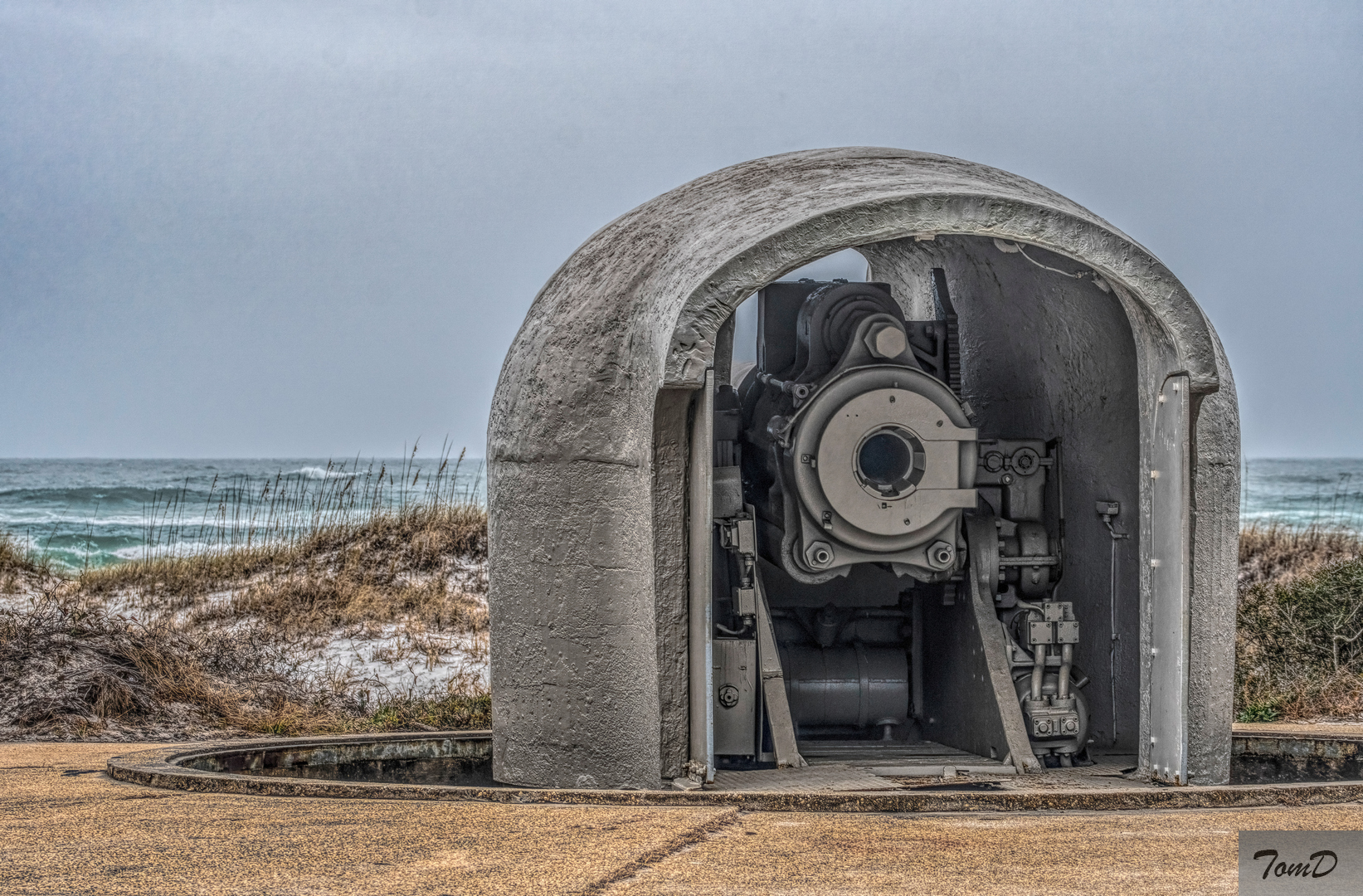
View from behind one of the shield guns showing the interior. These turrets were fully powered, as they would be on a ship. You’ll notice that the breech block has been removed. Spoil sports! They never let us have any fun, pot shots at fishing boats 10 miles out would be great sport.
You can see that the breech design is of the interrupted screw type (no jokes please). This design is prevalent with American canon types of the time as opposed to the falling block favored by many other nations. Since, the US Army at least seems to use the falling block.
The aircraft are, I fear, getting a little stale. So I’ll change the subject to—no subject, no theme. Just pictures that I think are interesting.
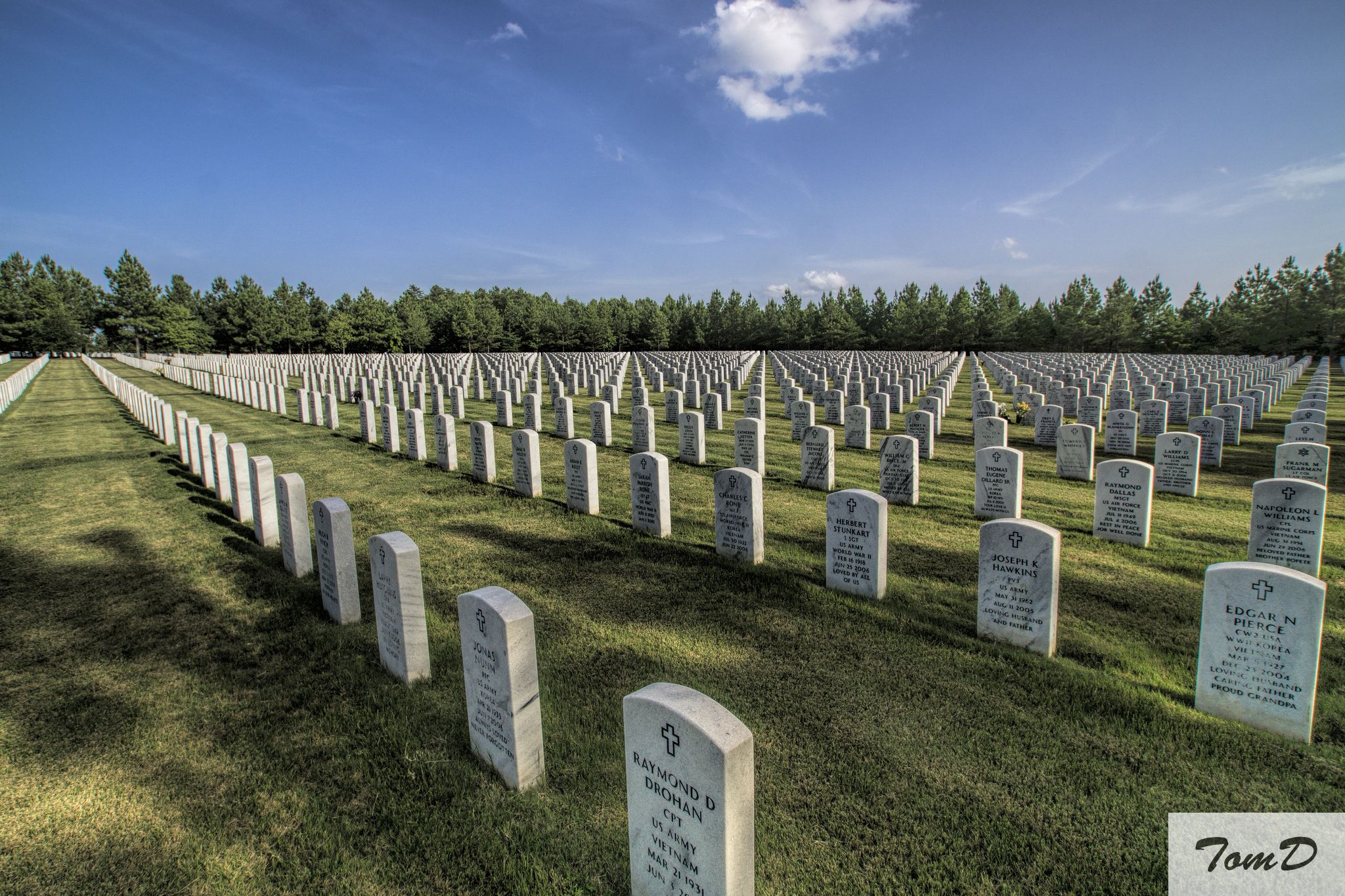
Fractal Symmetry, This photo was taken at a US Military Cemetery Near Canton, Ga.
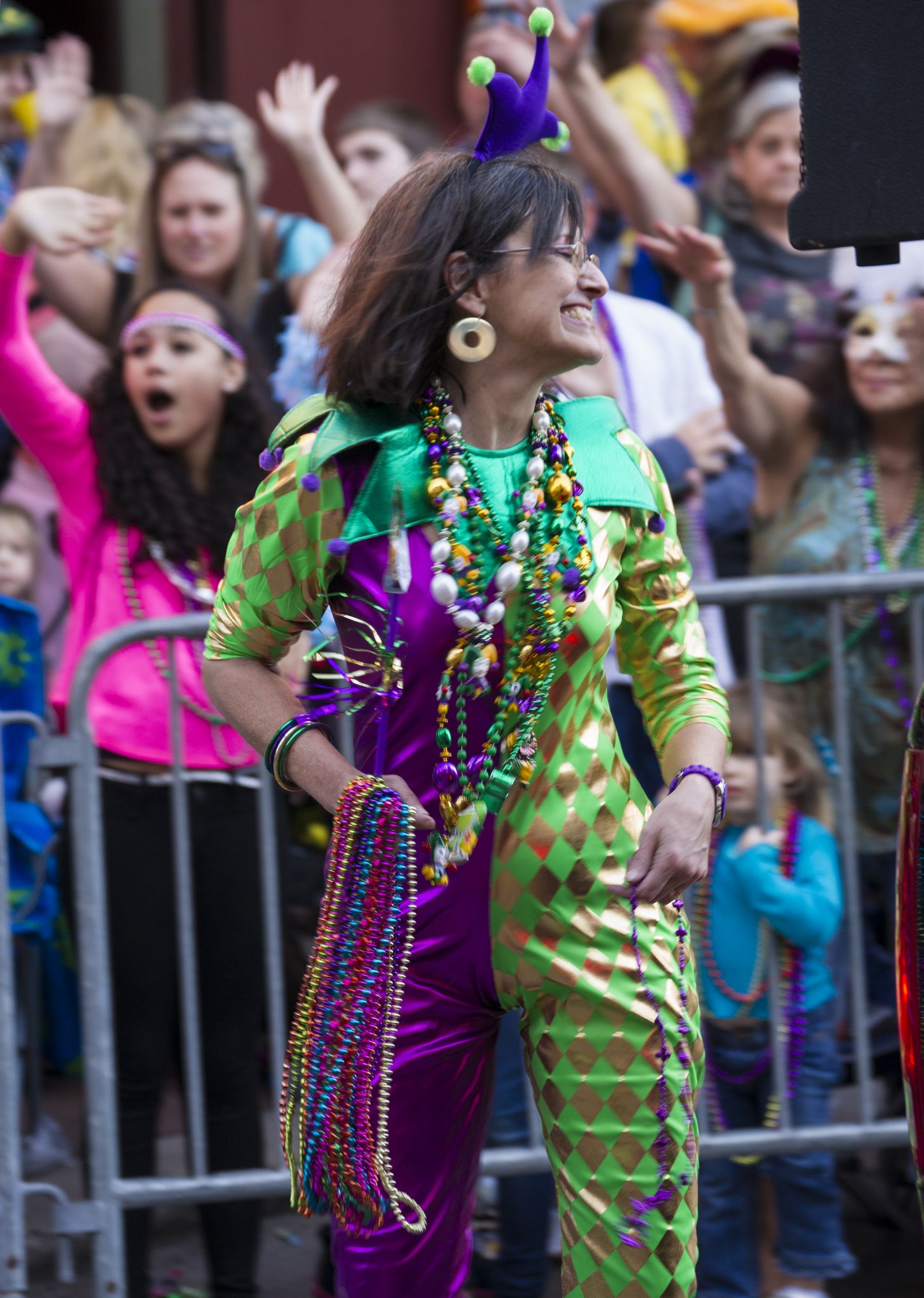
Mardi Gras, Pensacola version. Don’t know her but she seems to be having a great time.
SONY DSC
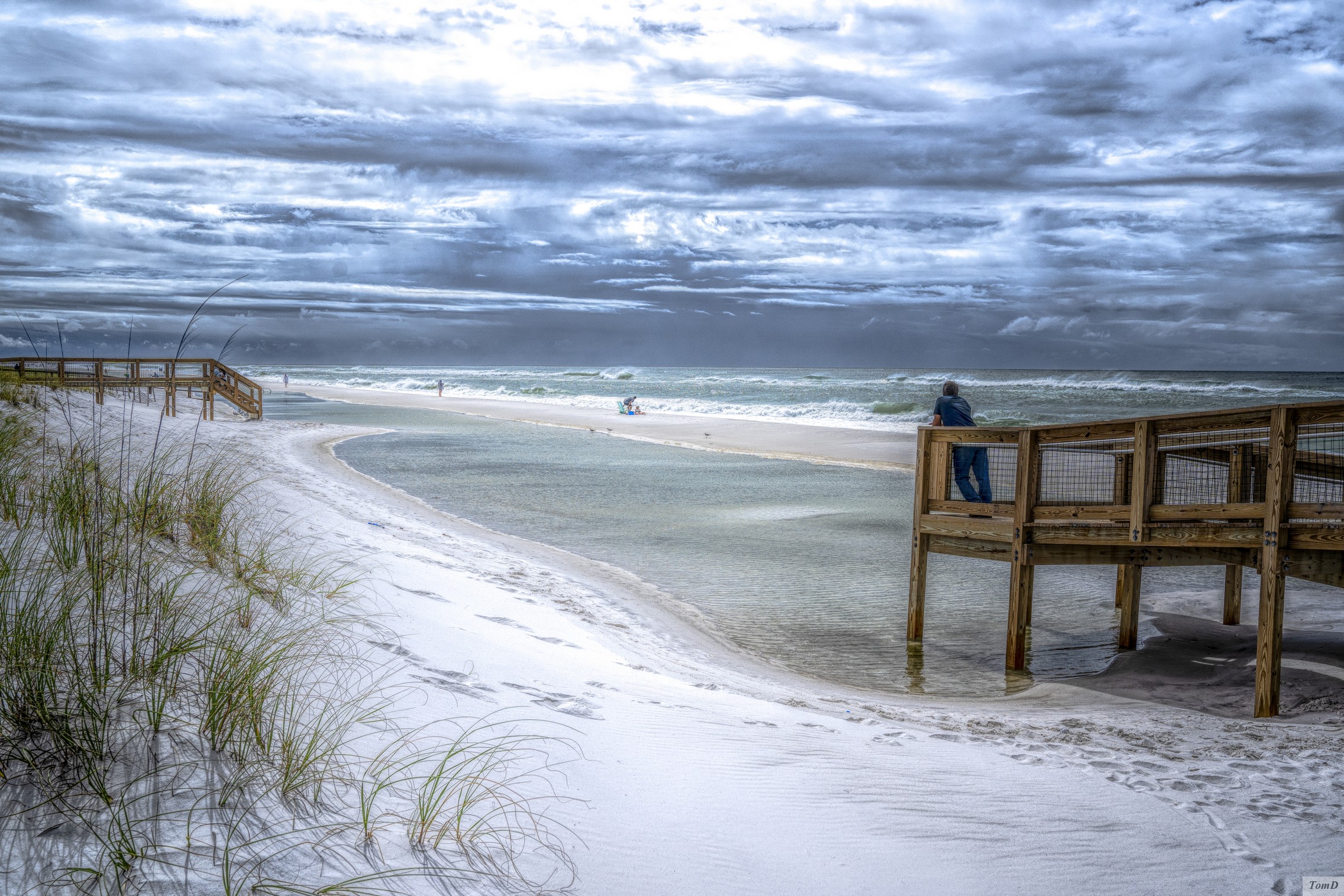
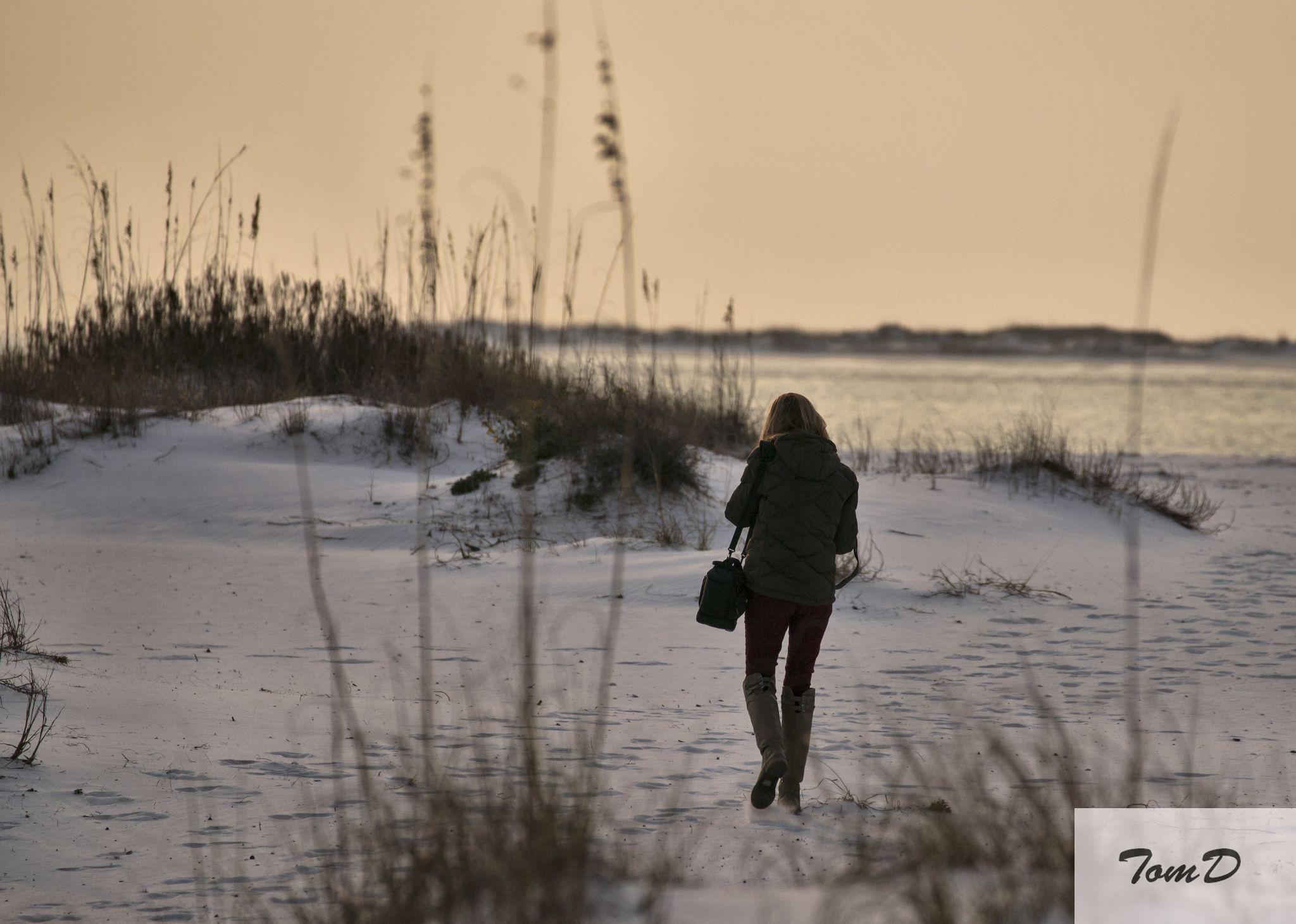
Beach scene, In January way out on Ft Pickens.
SONY DSC
Early March, my front yard
SONY DSC
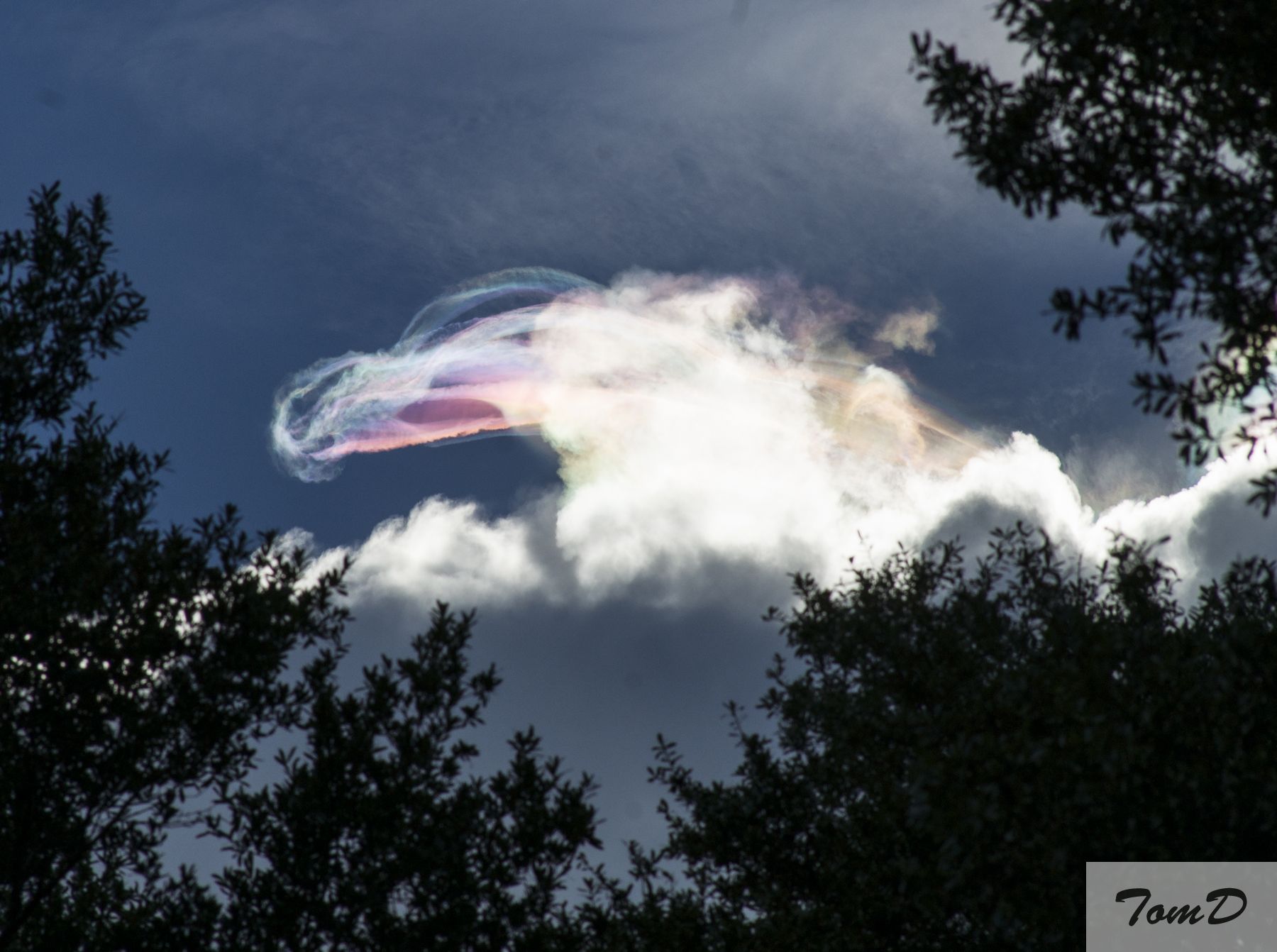
I’m not sure just what the hell was going on with the winds aloft but I don’t remember seeing the like either before or since. For my front yard.
SONY DSC
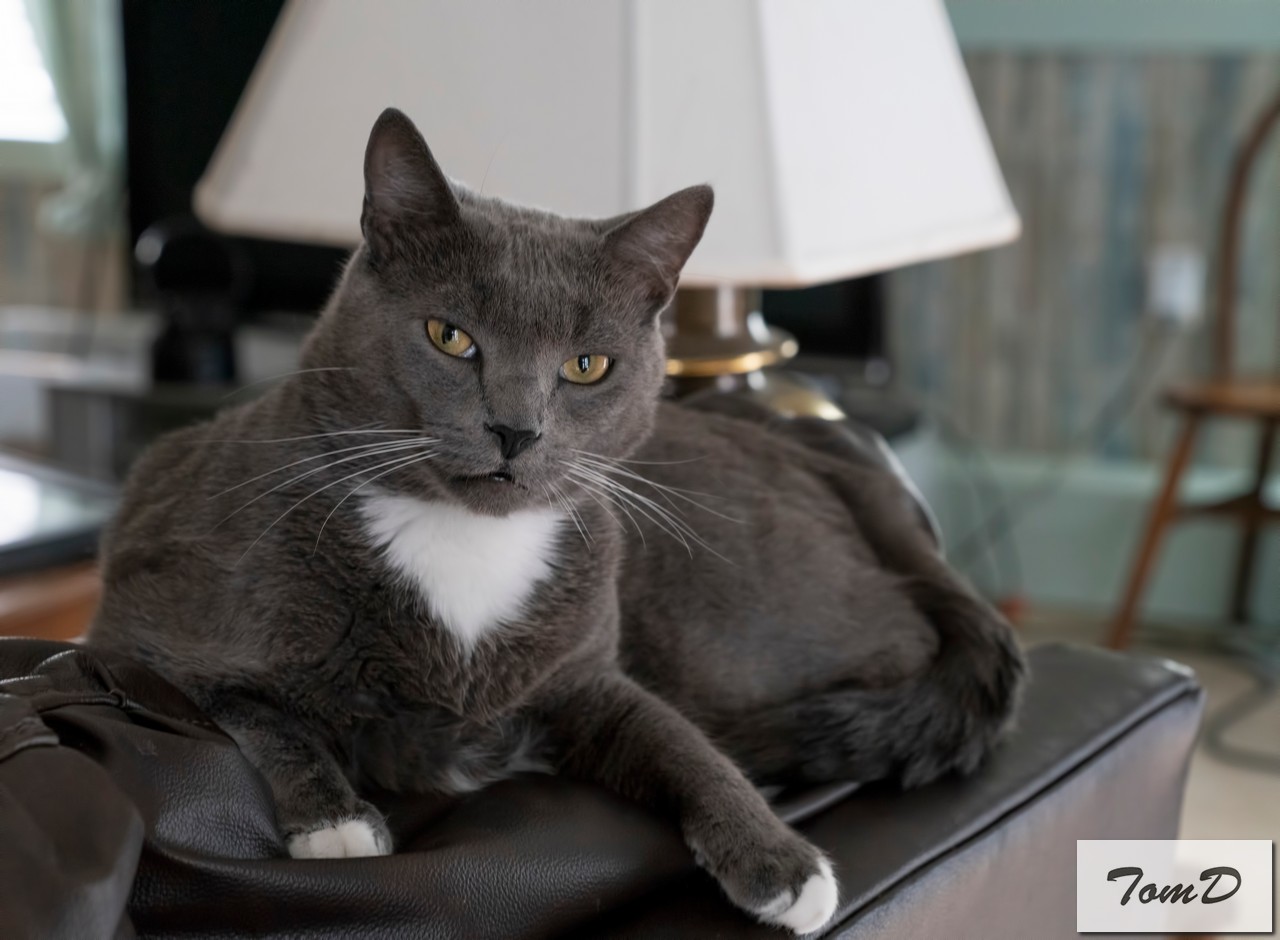
Oliver, one of my cats.
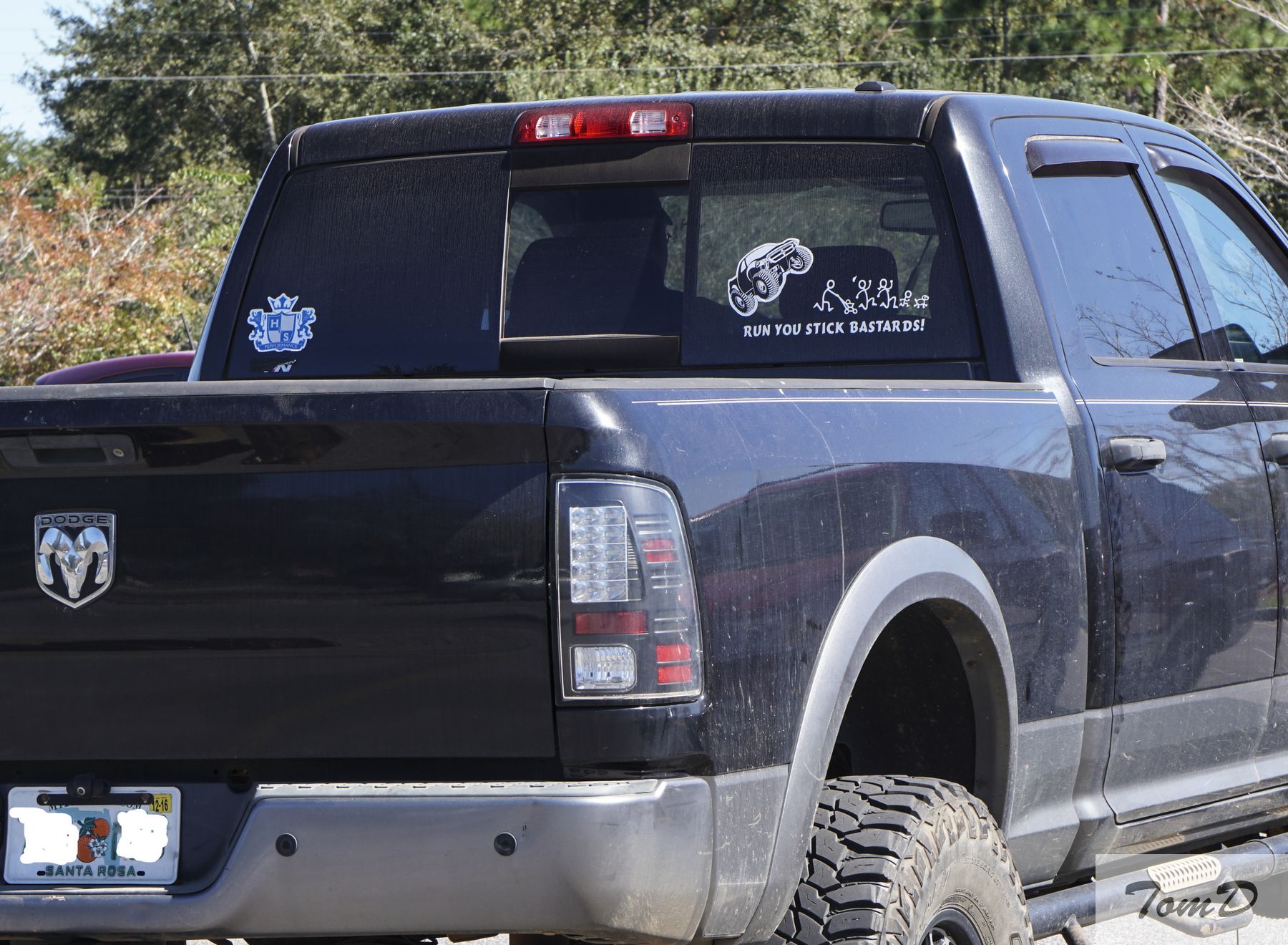
“Run you stick bastards!” Seen in a local parking lot.
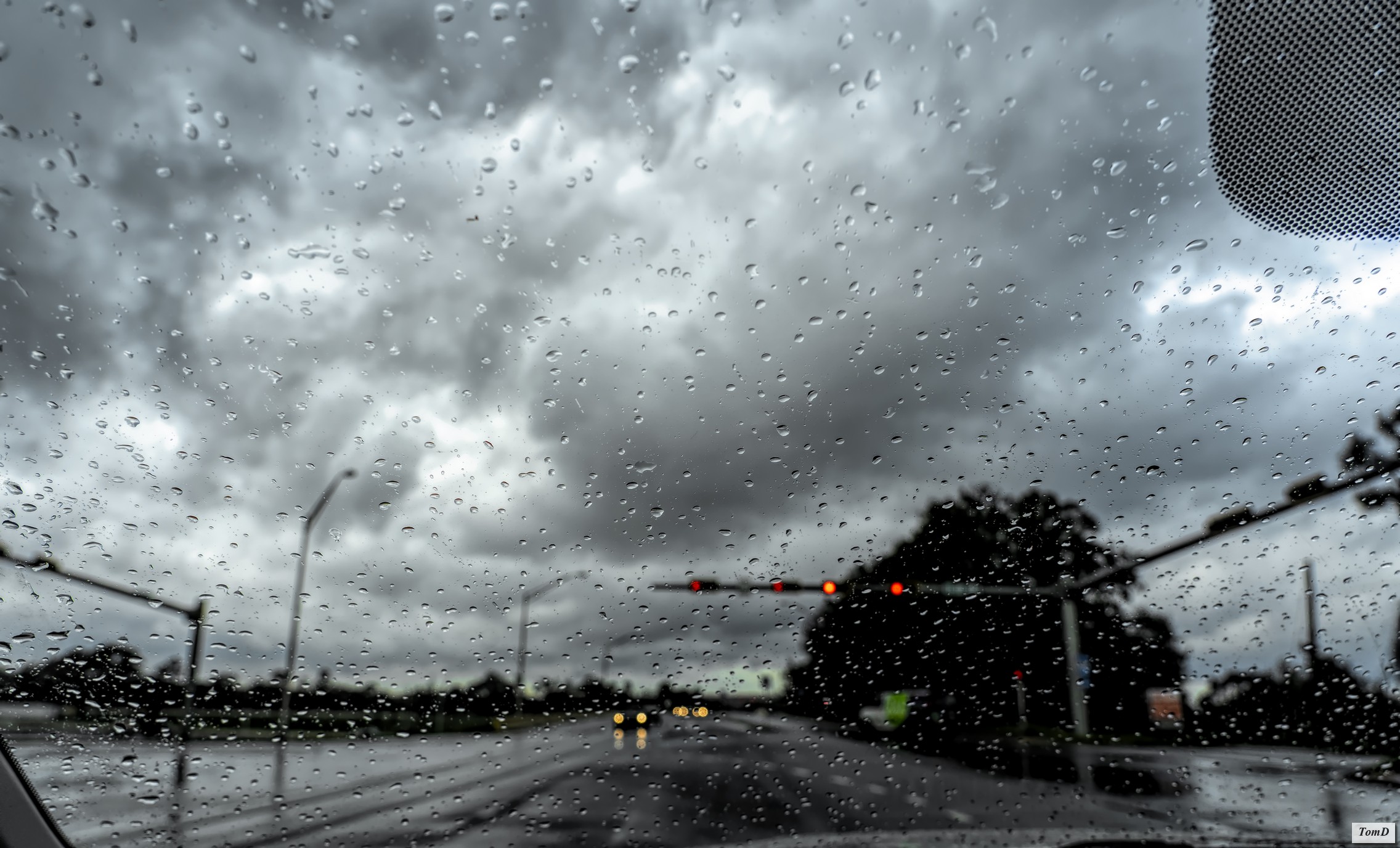
Just stopped at a light somewhere. I thought close focus on the drops on the windshield with the background blurred out would make an interesting shot.
Dims have been calling Republicans fascists and Hitler for most of my life. The really ironic part is they couldn’t define fascism if their little lives depended on it.
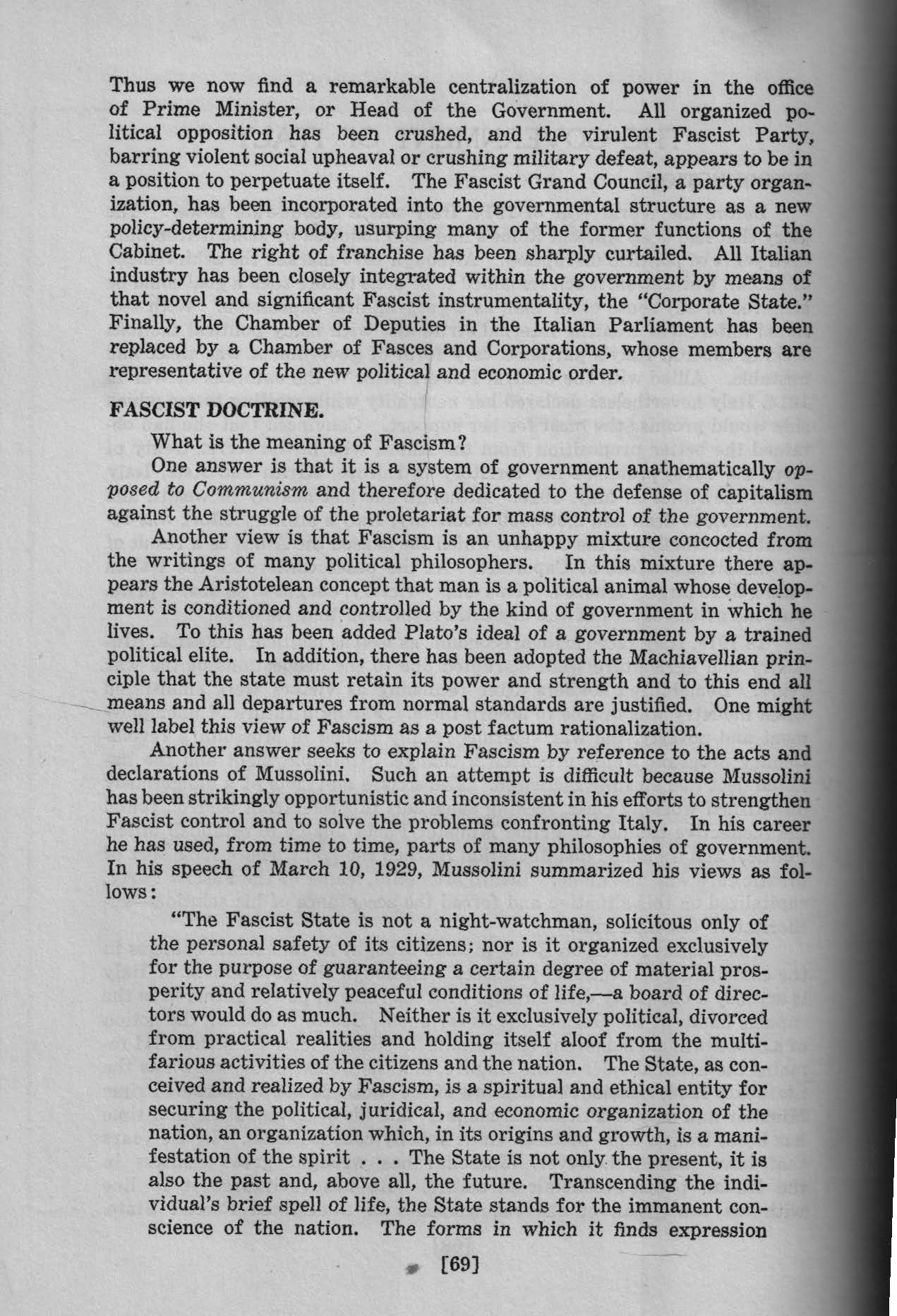
I’ve still got some of my Dad’s West Point Textbooks, mostly dating from the late 30’s to early 40’s. One, “The Governments of the Major Foreign Powers”, p 1941 looks to be what we would now call Political Science, a misnomer if there ever was one. The book spends about 50 pages per country with great detail. It should be required reading at Harvard, etc.
Few people know that Fascism is an offshoot or variation of socialism. It was originated by Benito Mussolini, who, up to that time was a functionary in the Italian Socialist Party. At the time of his takeover of Italy, he was widely applauded and acclaimed by the US left. He did, after all, make the trains run on time.
One of the biggest differences between socialism and fascism is that socialism wanted state ownership of industry whereas fascism was fine with private ownership but required state control. Does that remind you of anything?
It seems that it is common today to bandy about the accusation of “Fascist” without a clue as to what Facism is.
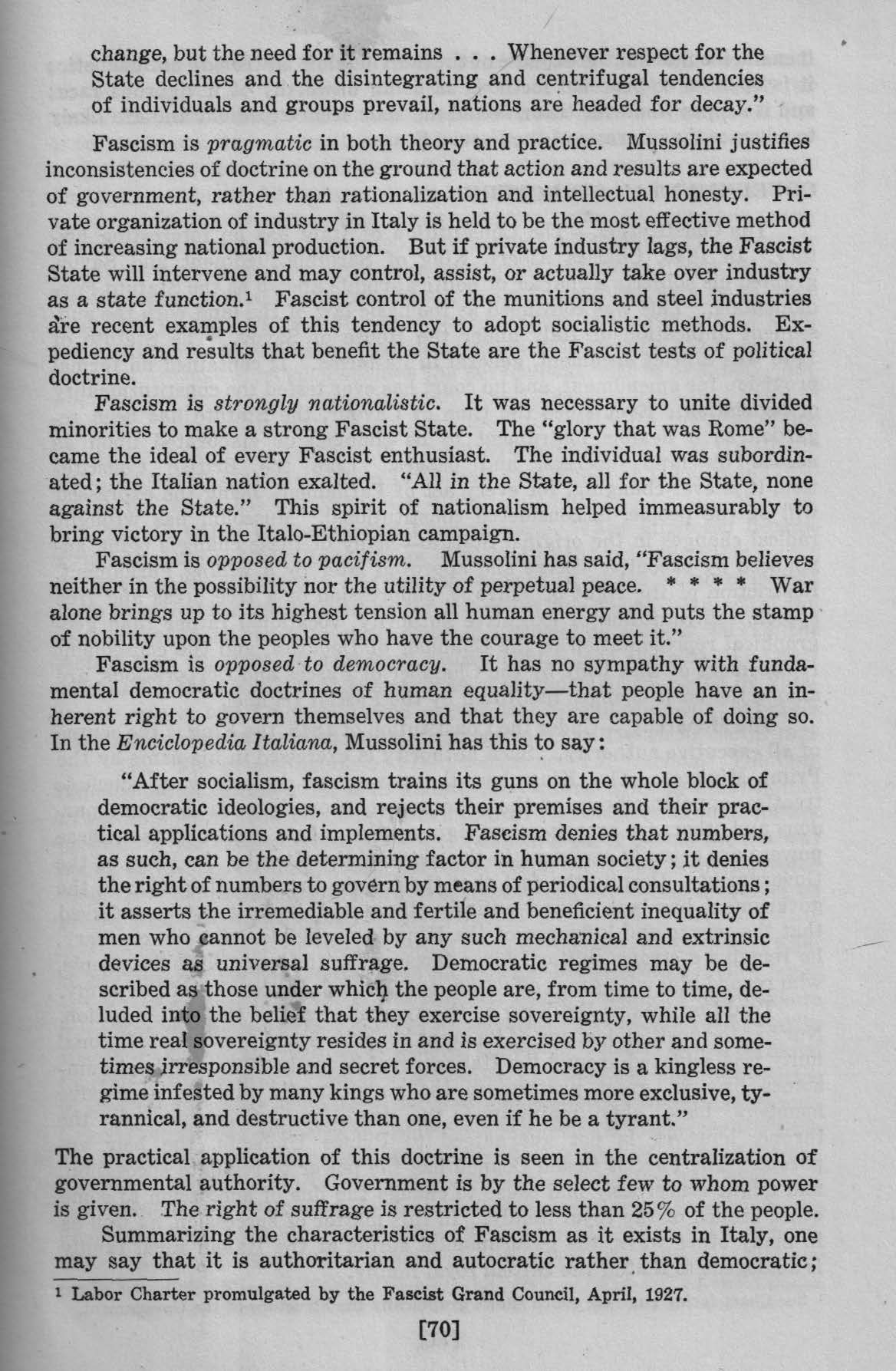
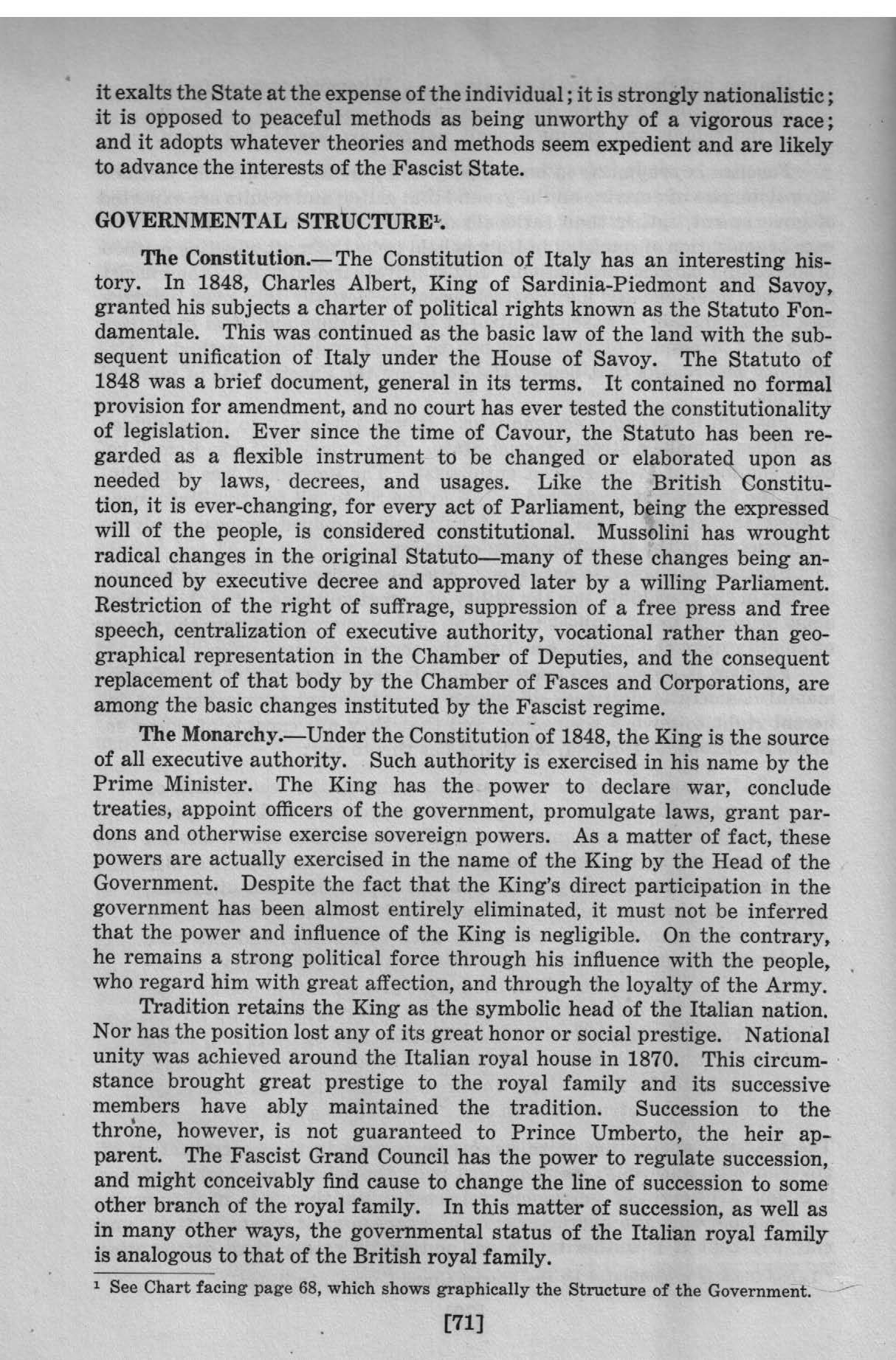
Attached are 3 pages from a 1941 West Point textbook titled, “The Governments of the Major Foreign Powers”. These 3 pages are excerpts from approx 40 pages on the Government of Italy. It should be noted that, since this book was published in 1941, the US had yet to have entered the war.
Frankly, after rereading the short chapter on Fascist Doctrine, I can see the origin of quite a bit of the DNA from today’s left.
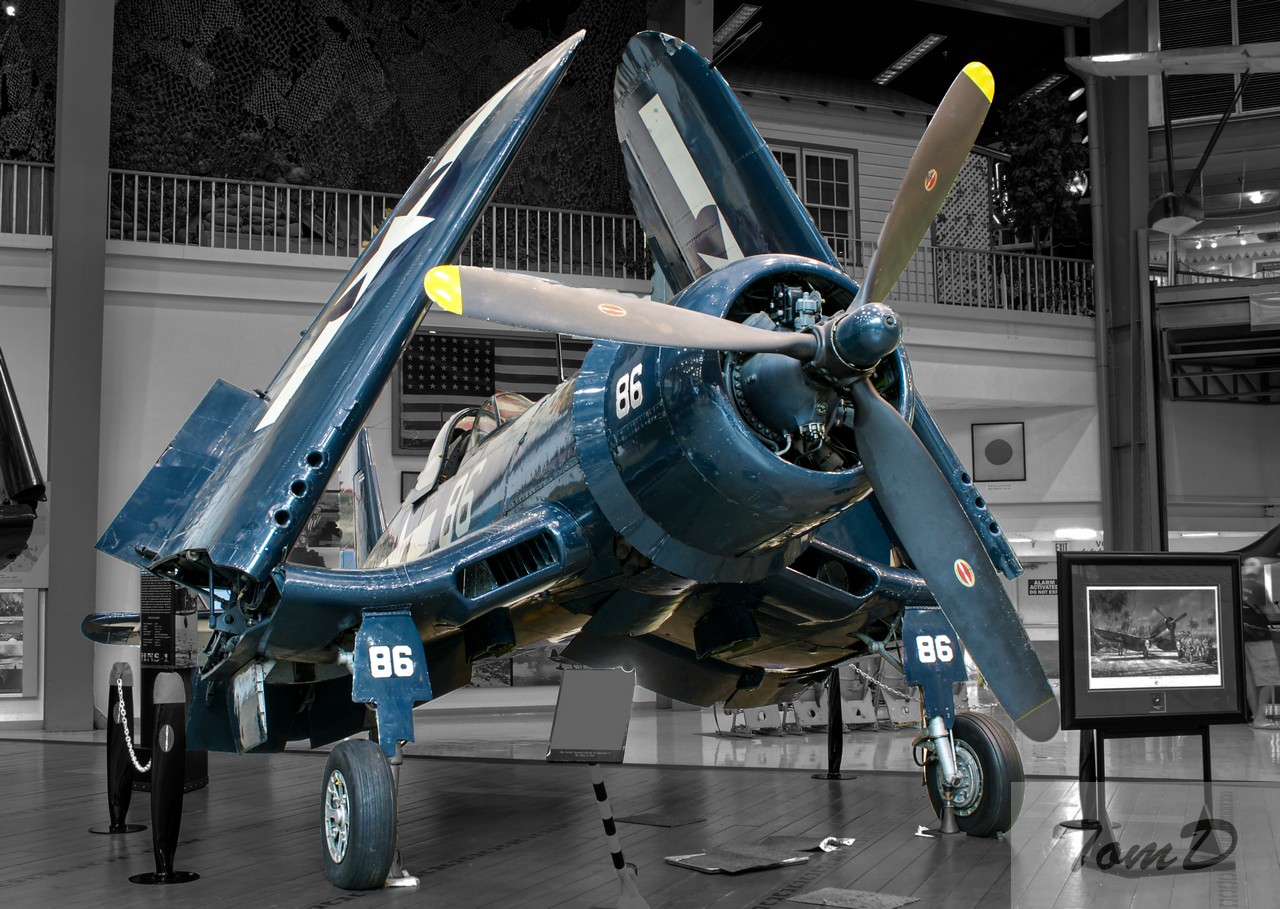
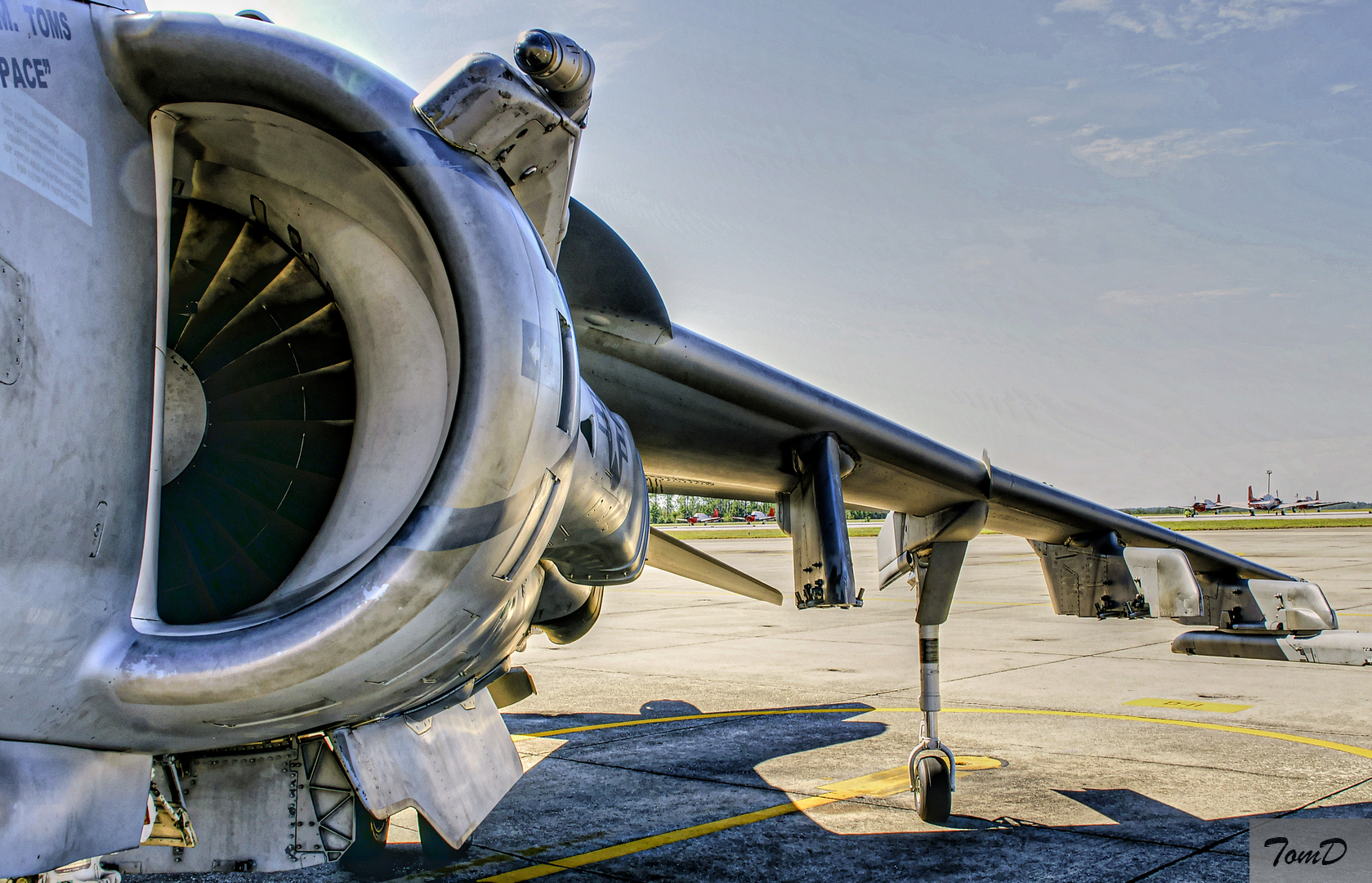
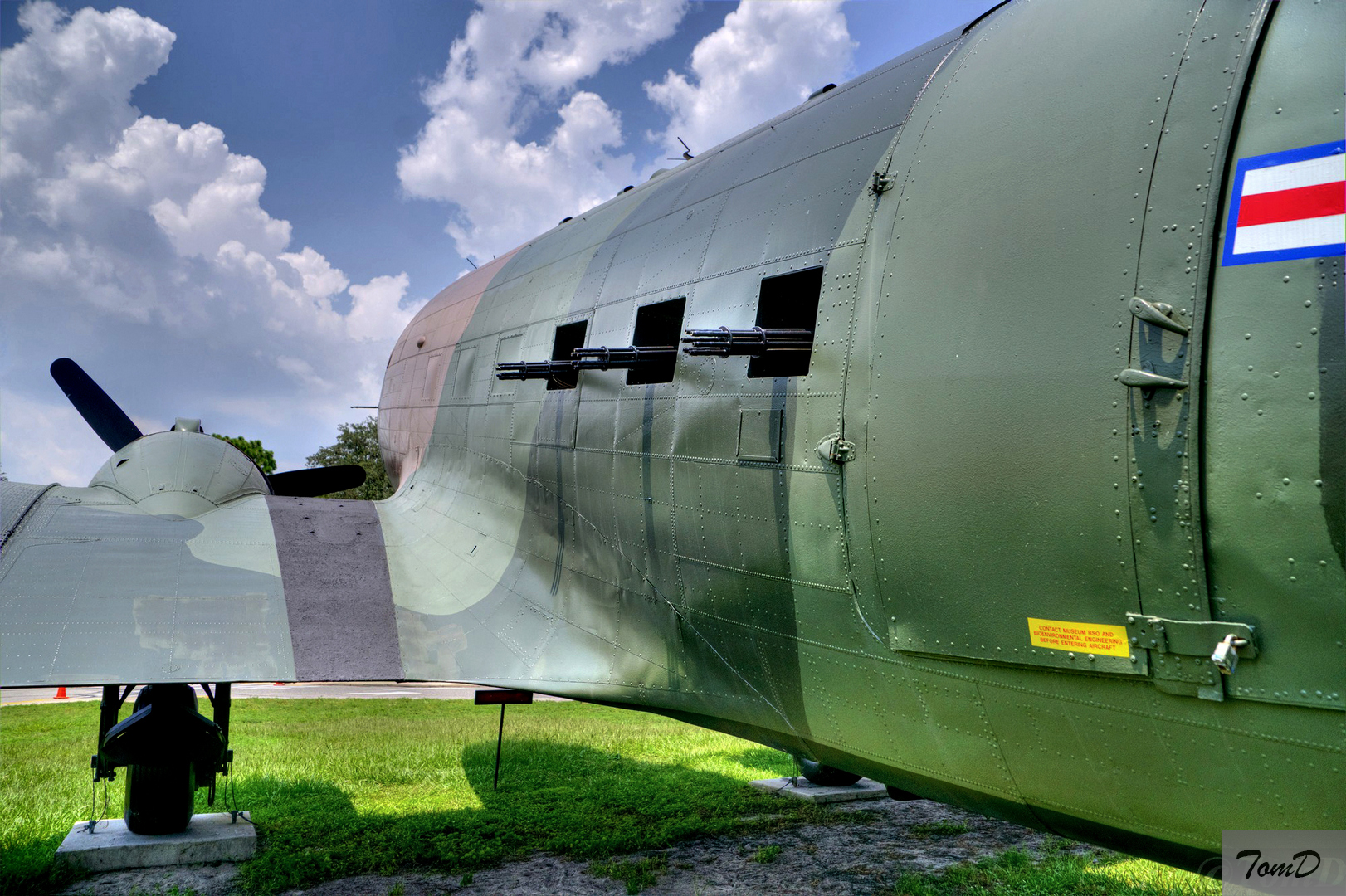
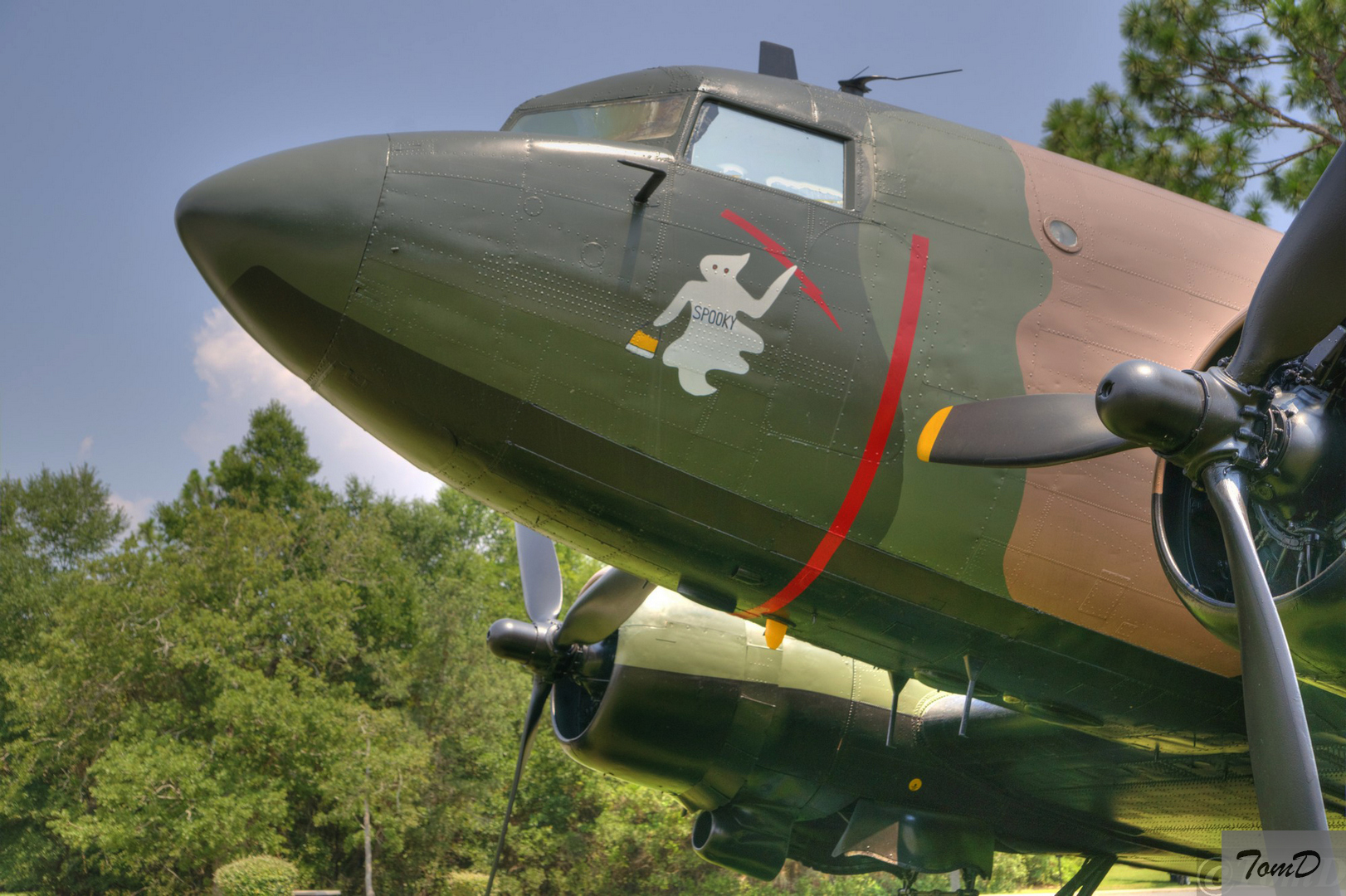
All of these shots save the Spookies were from US Naval museum and the Spookies were from the Air Force museum at Eglin AFB.
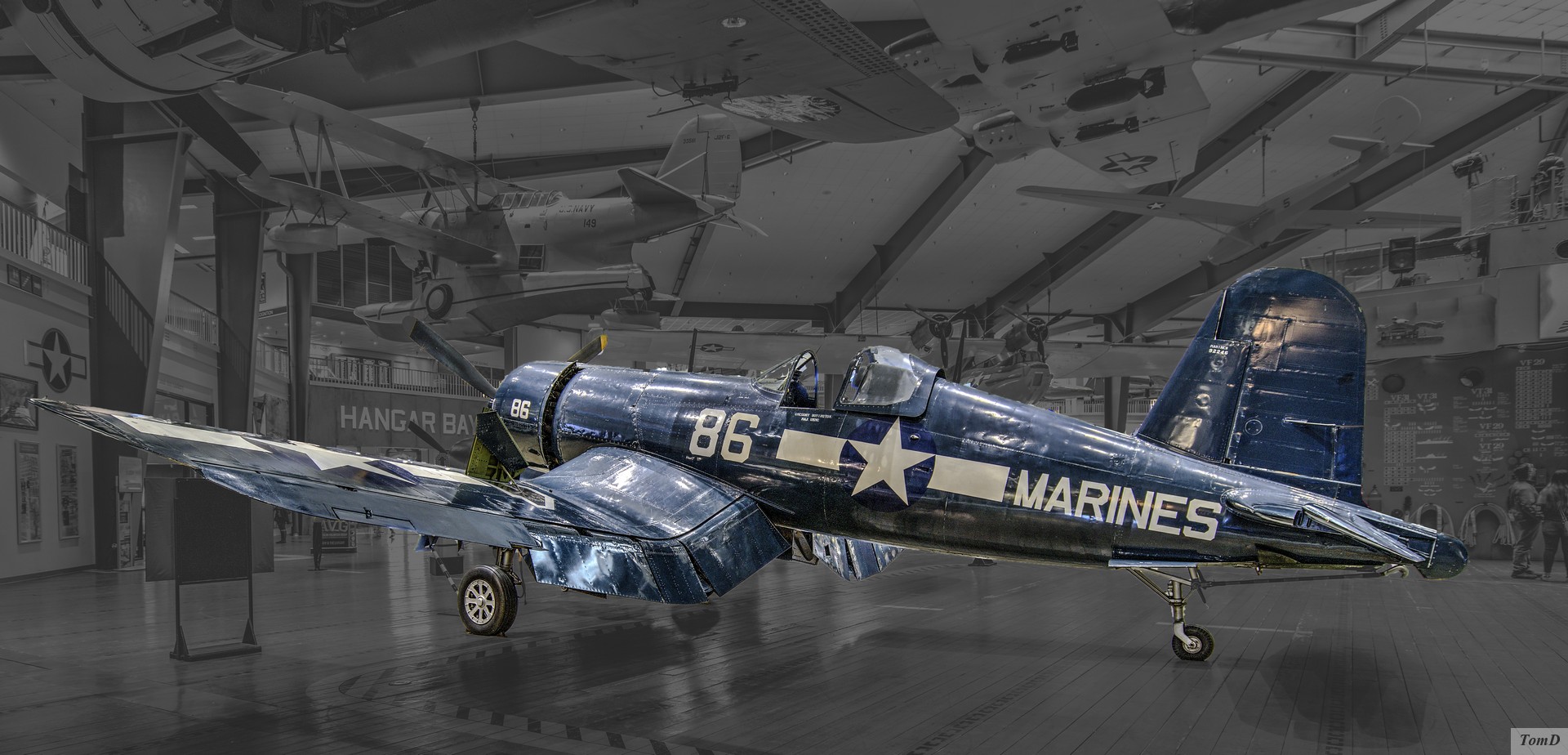
F4 Corsair, one of the, if not the premium fighter aircraft of WWII. Corsairs were still in frontline duty 10 years later after all the others were long retired.
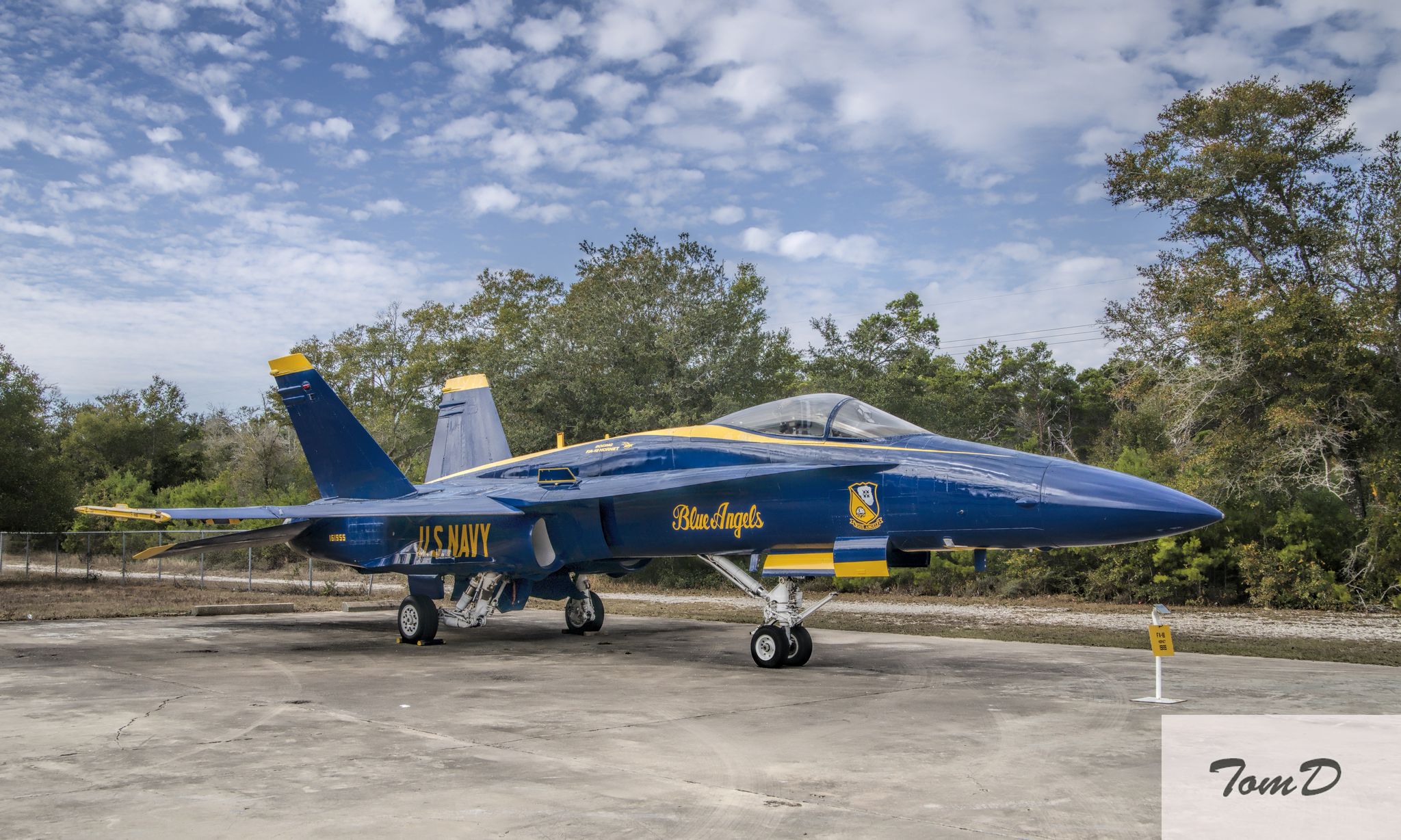
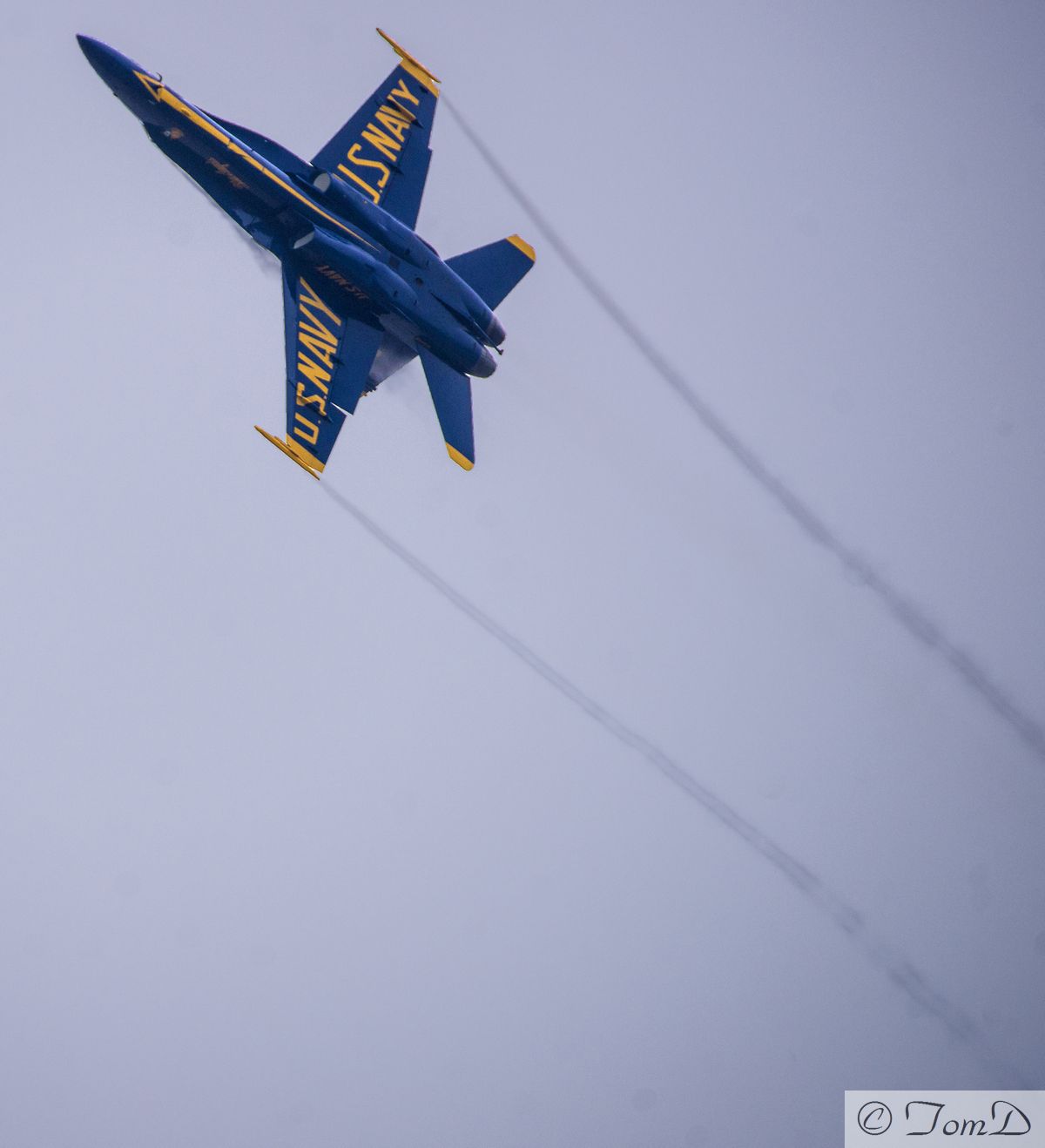
A F18 F/A retired from the Blue Angels
SONY DSC
Another view of the F4 Corsair
SONY DSC
A US Marine Corps Vertical take off and landing Harrier. This was originally a pure British design and produced (and used) aircraft. Falkland Islands, remember? When the US Marines thought the Harrier was spot on, it was injected with some US DNA and produced by McDonald Douglas in the US.
2 views of the original Spooky Gunship made famous in the VietNam era. It was based on the WWII era C47 AKA, DC3 & and was armed with .308 (7.62×51 NATO designation) miniguns and could put on quite a night time display, filling the sky with tracers. The gunship concept was considered to be highly successful and has since evolved considerably, currently C130 based and with a variety of types of lethal weapons of various calibers up to and including 105mm howitzers of (ironically) also of Viet Nam vintage.
All these shots were taken in flight, except one and it looks like it is (sorta).
Doesn’t need much intro, probably the most famous air demonstration team ever.
SONY DSC
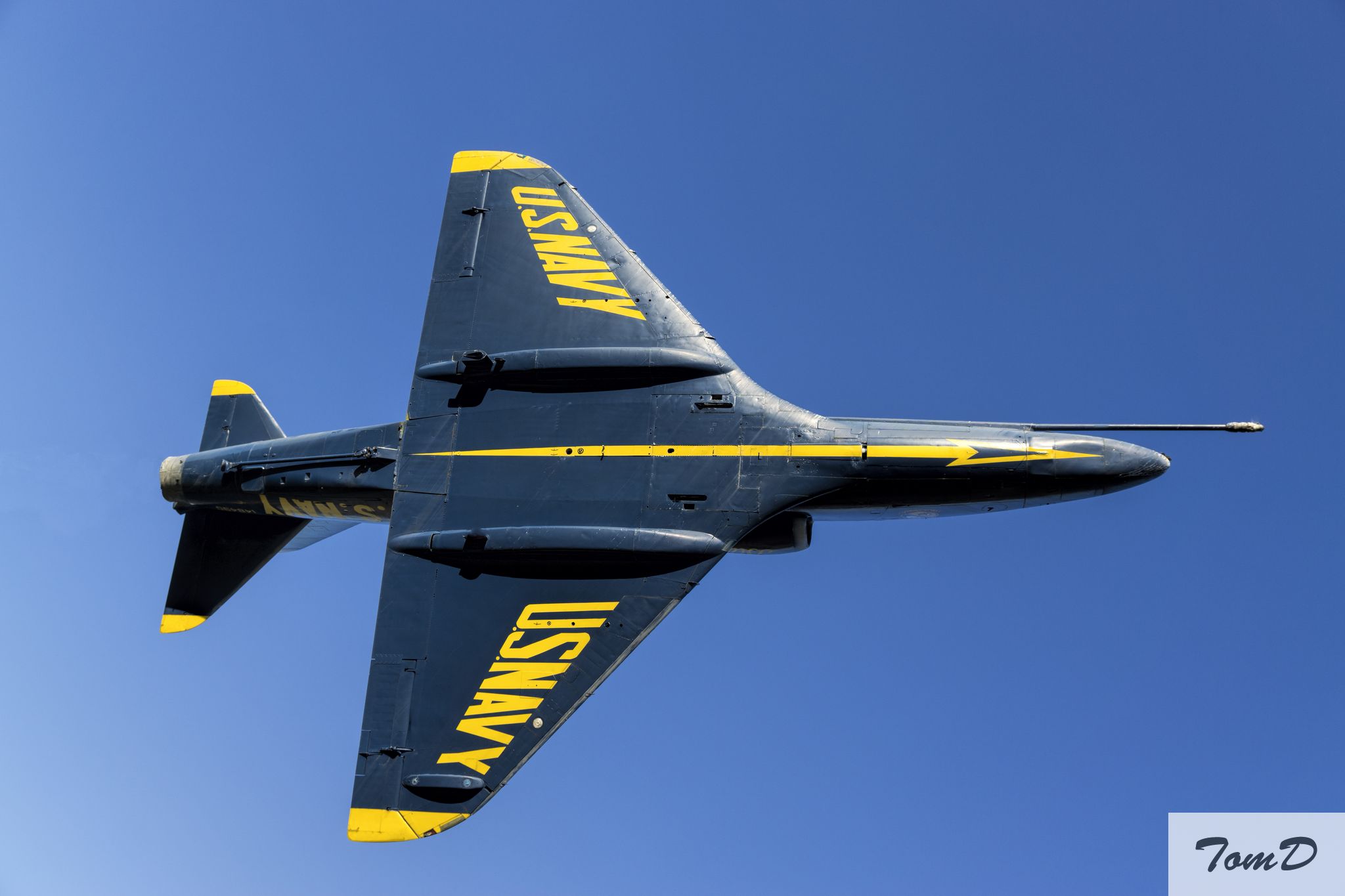
An earlier generation of the Blue Angels
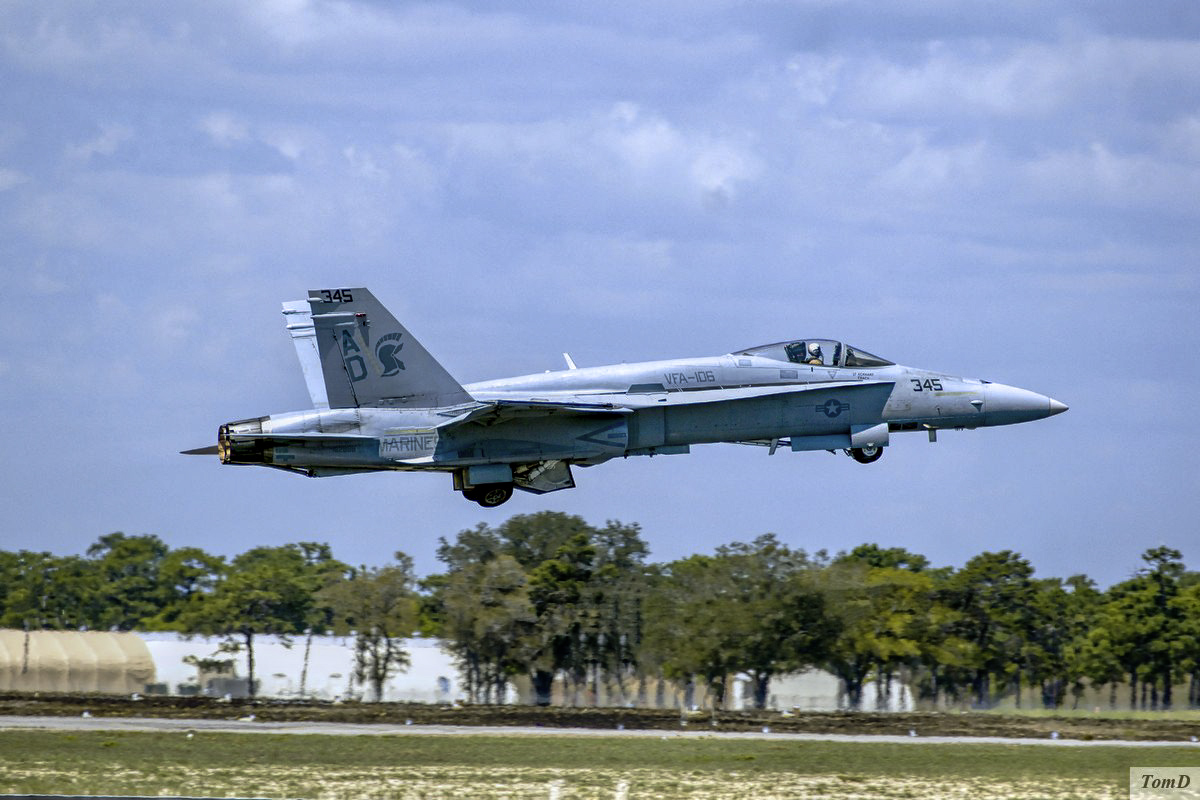
This was taken at Eglin AFB of a operational F18 just clearing the runway. Not sure what a Navy F18 was doing on an Air Force Base.
SONY DSC
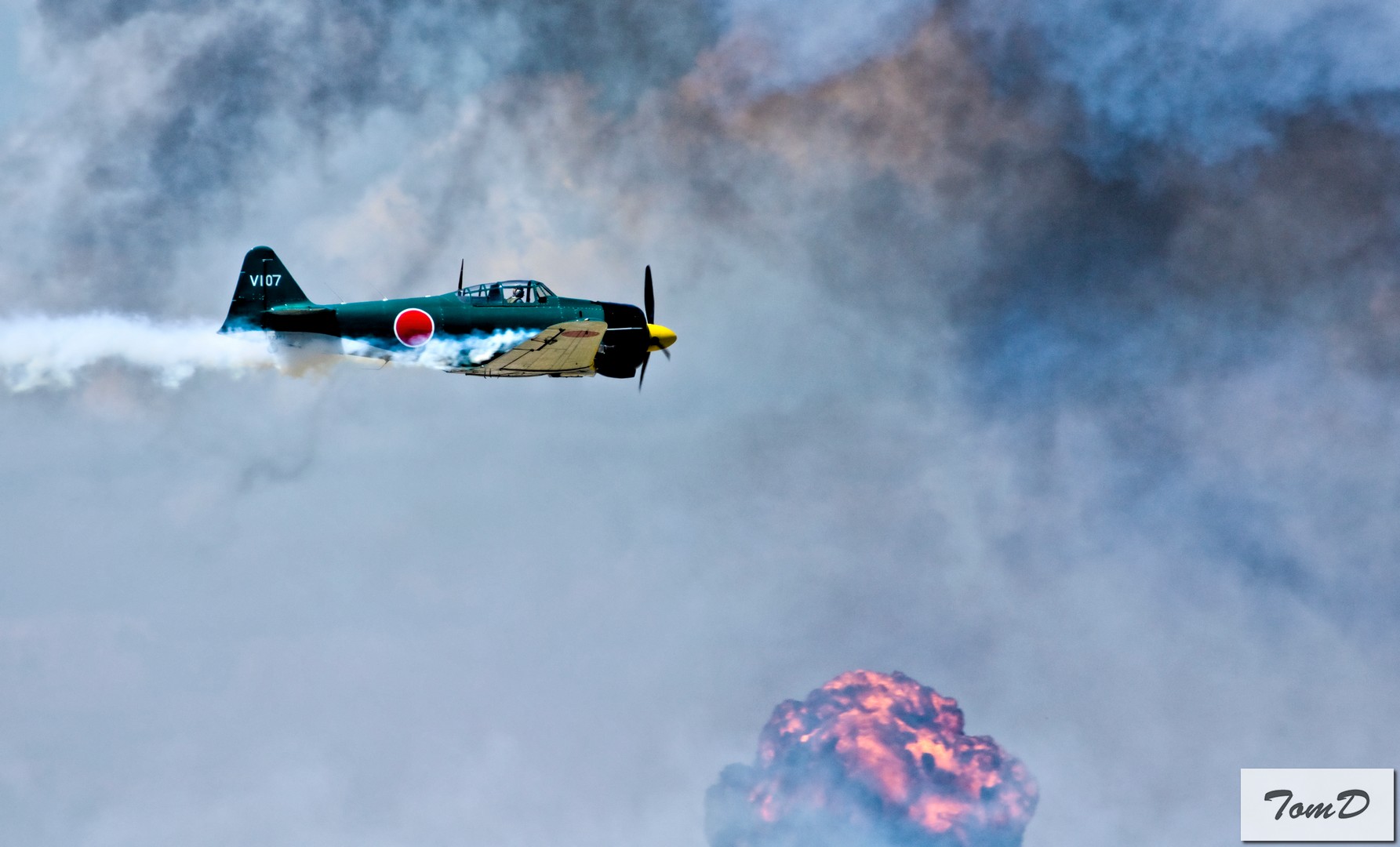
This is a real once operational Mitsubishi A6M, AKA Zero seen at an airshow. These were the terror of the skies in the WWII Pacific theater until overwhelmed by hordes of superior American pilots and aircraft by late 1943.
SONY DSC
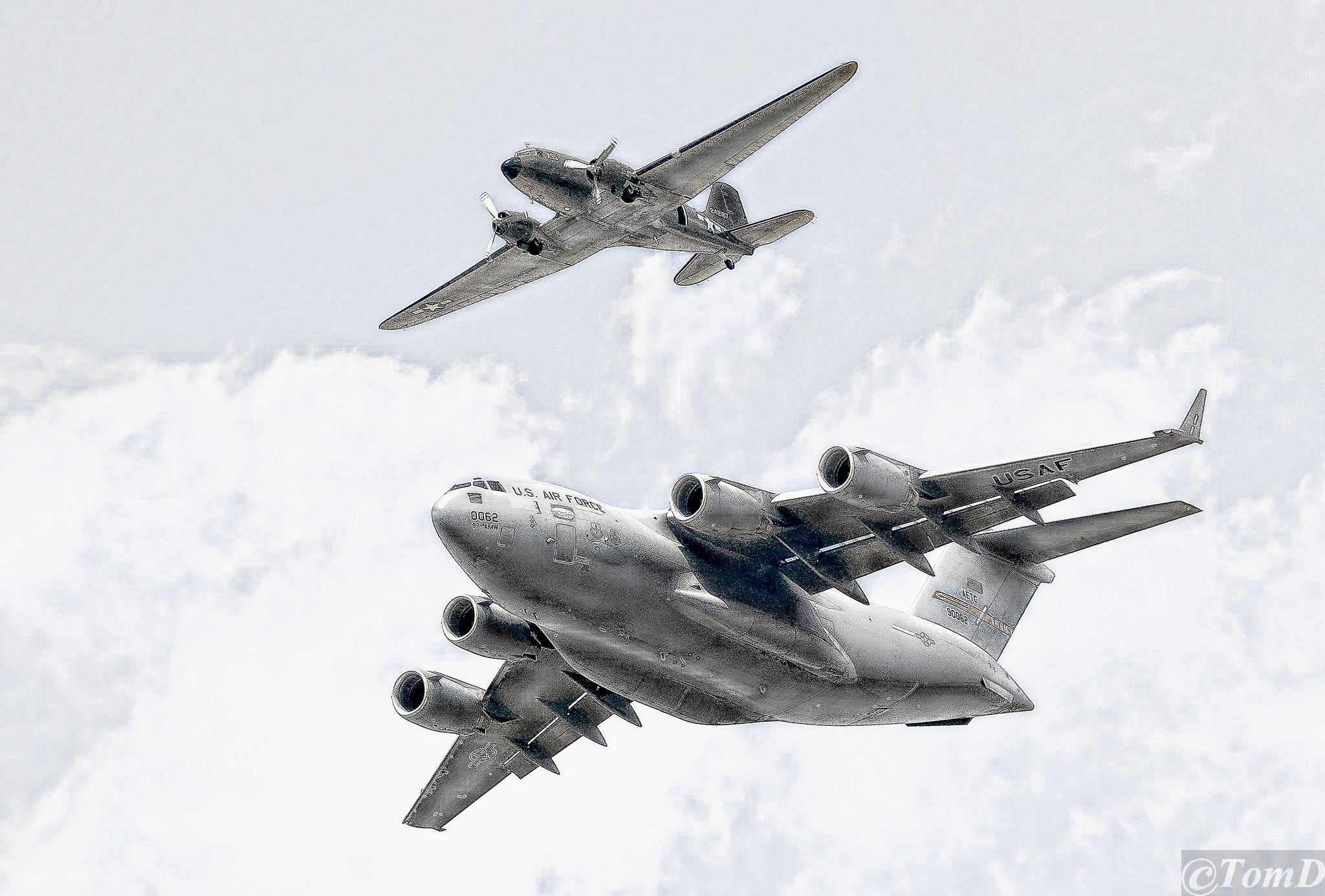
Generations of Military transport aircraft in the air together and photoshopped somewhat. The DC3, known as the C47 was probably one of the very most important aircraft in WWII. Made by Douglas Aircraft in quantities of God knows how many 10’s of thousands, they were everywhere, carrying everything for all nations allied to the US. My Dad, then a platoon commander with the 101st Airborne jumped out of one of these the night of June 6, 1944 into what he described as a f****** mess of thousands of American paratroopers lost and separated in the dark forming impromptu groups from various units and stumbling about in the night shooting equally confused Germans.
SONY DSC
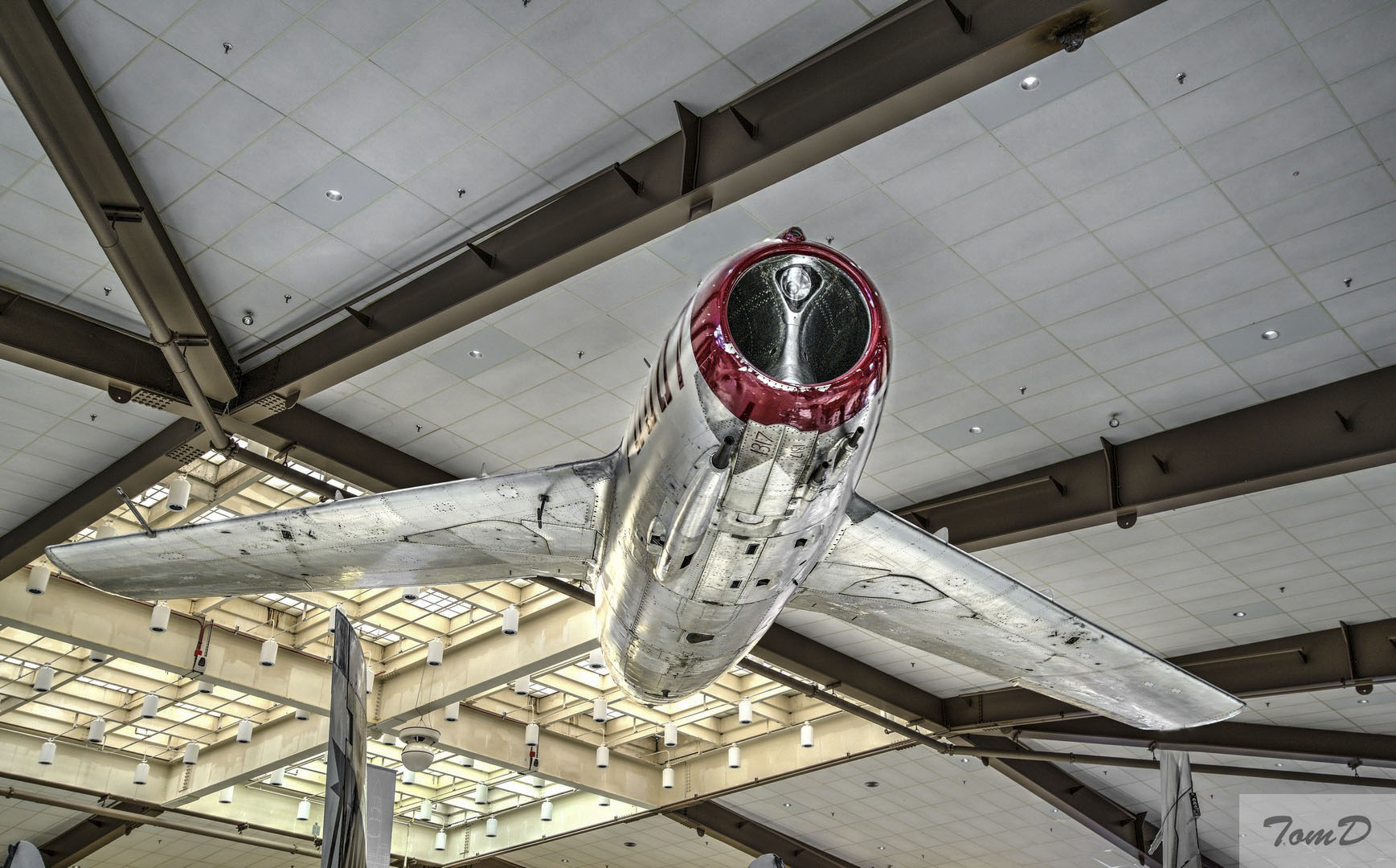
This is a Mig15, the Russian aircraft that mixed it up with F-86 American Saber over the Yalu River in the early 1950’s during the Korean war. Before the Americans hustled the then brand new F86’s over to Korea, the Migs were quite the problem, being far superior to anything we had in theater. This was quite a formidable design and was superior to the F86 in climb, top speed and altitude until several improvements had been made. The “funny” part is that the Brits, our allies, sold the engine design to the Russians. At the time, the Russians lacked the ability to design such an engine. Wonder how many US lives that cost?
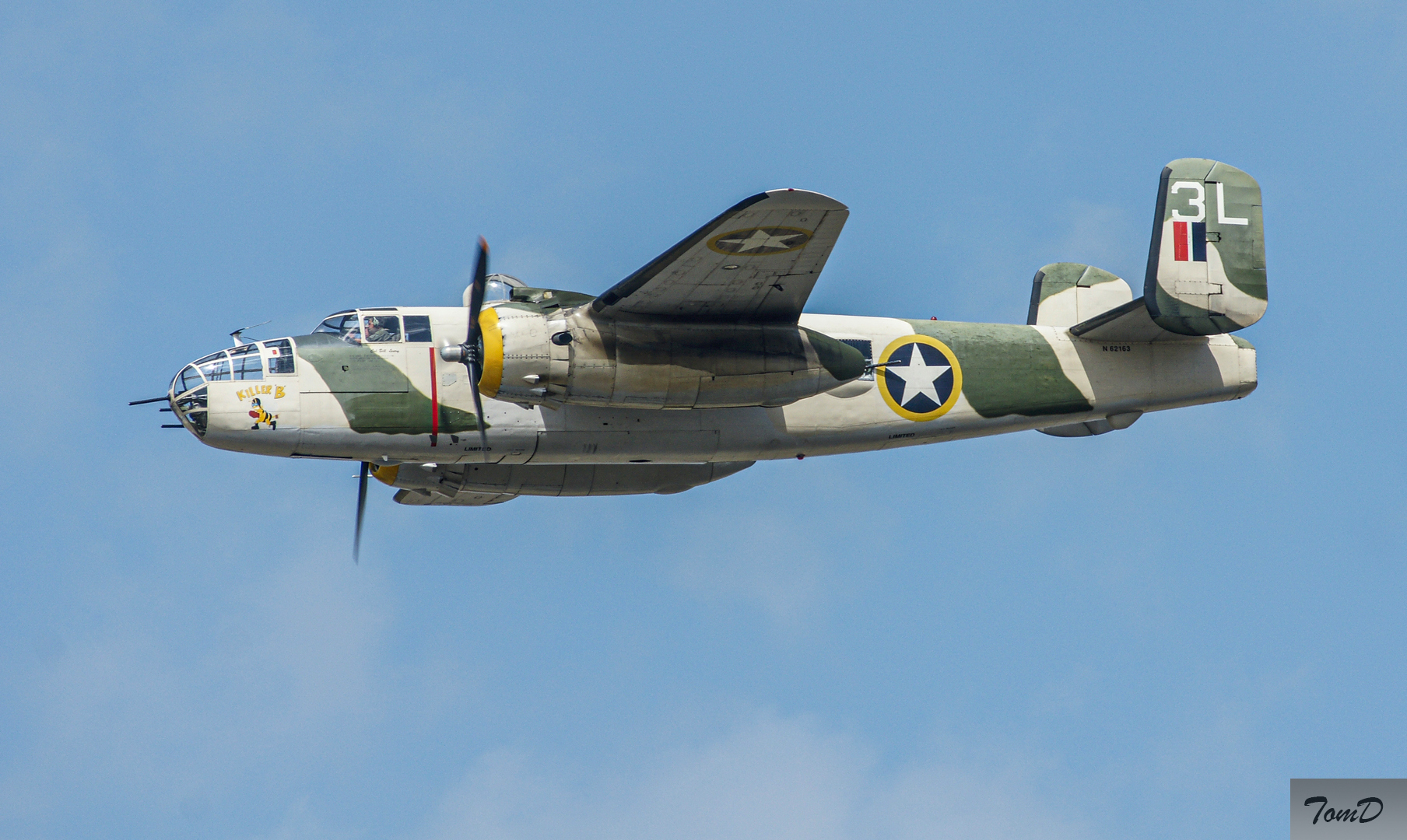
A B25 in bomber configuration, a heavily used medium bomber in all theaters also converted to extremely heavily armed gunships to strafe Japanese shipping and airfields.