Category: Photography
19NOV2024 – Photo of the Day

Calibrating a Focus Bracket with the Sony 90mm Macro Lens on the A7 IV
TomD brought up a lot of good points about the limitations and vagaries of focus stacking so I tried to get a better handle on the mechanics of the settings used.
And when in need of a handy dandy close up subject I hauled out my extremely dead tarantula spider. He has the benefit of being a rather large macro subject. So I arranged the camera on a tripod at the minimum focal distance and set the bracket spacing to 4 out of 10 and selected 125 frames. After the end I measured the length of the spider that was in focus in the bracket. It came to about 2.5 inches. Now this is a ballpark because there was an angle to the camera. but this gives a decent idea of how many shots are needed to cover a depth of field.
Here is the first bracket frame
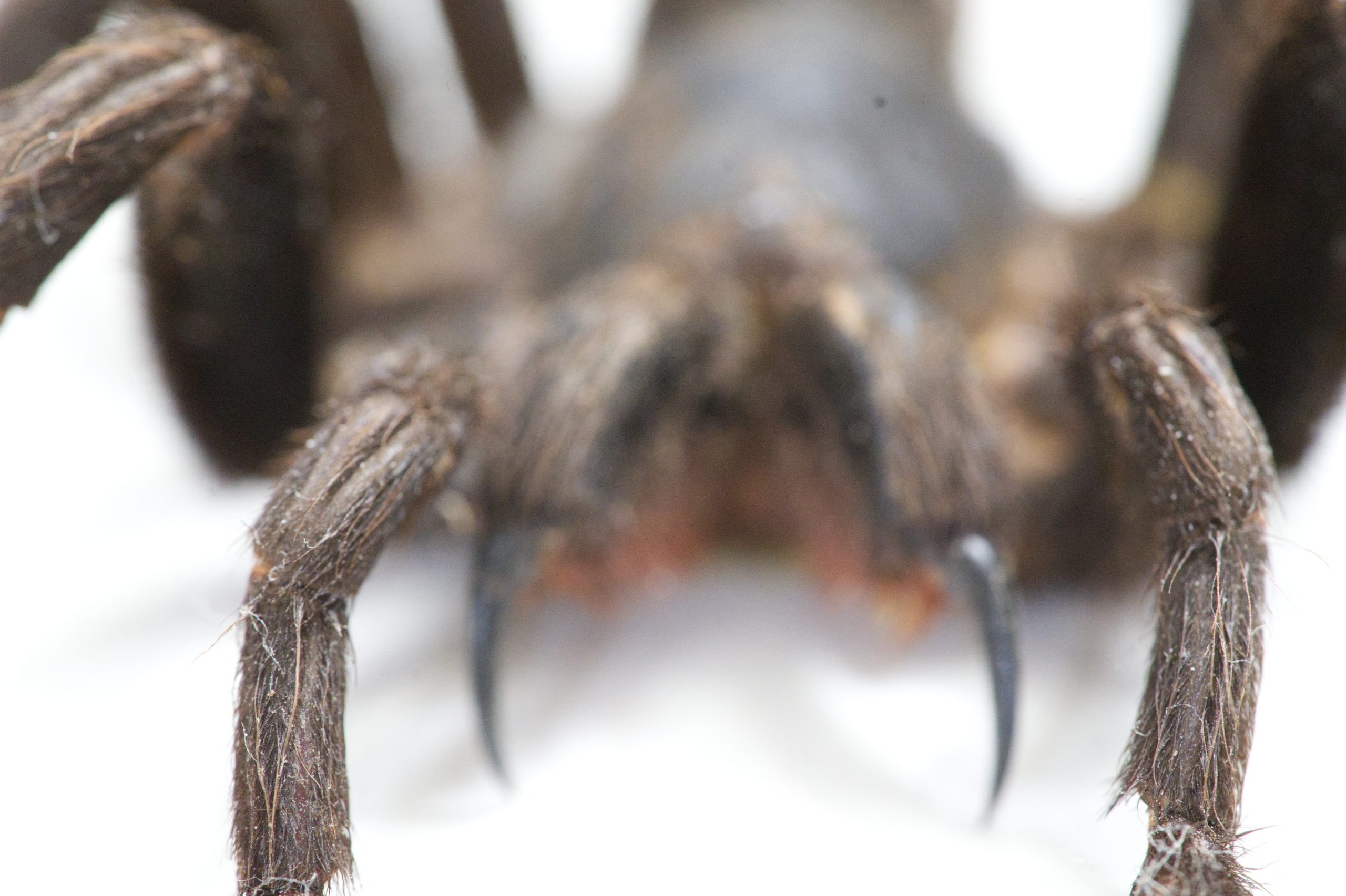
Here’s the last (125th) frame
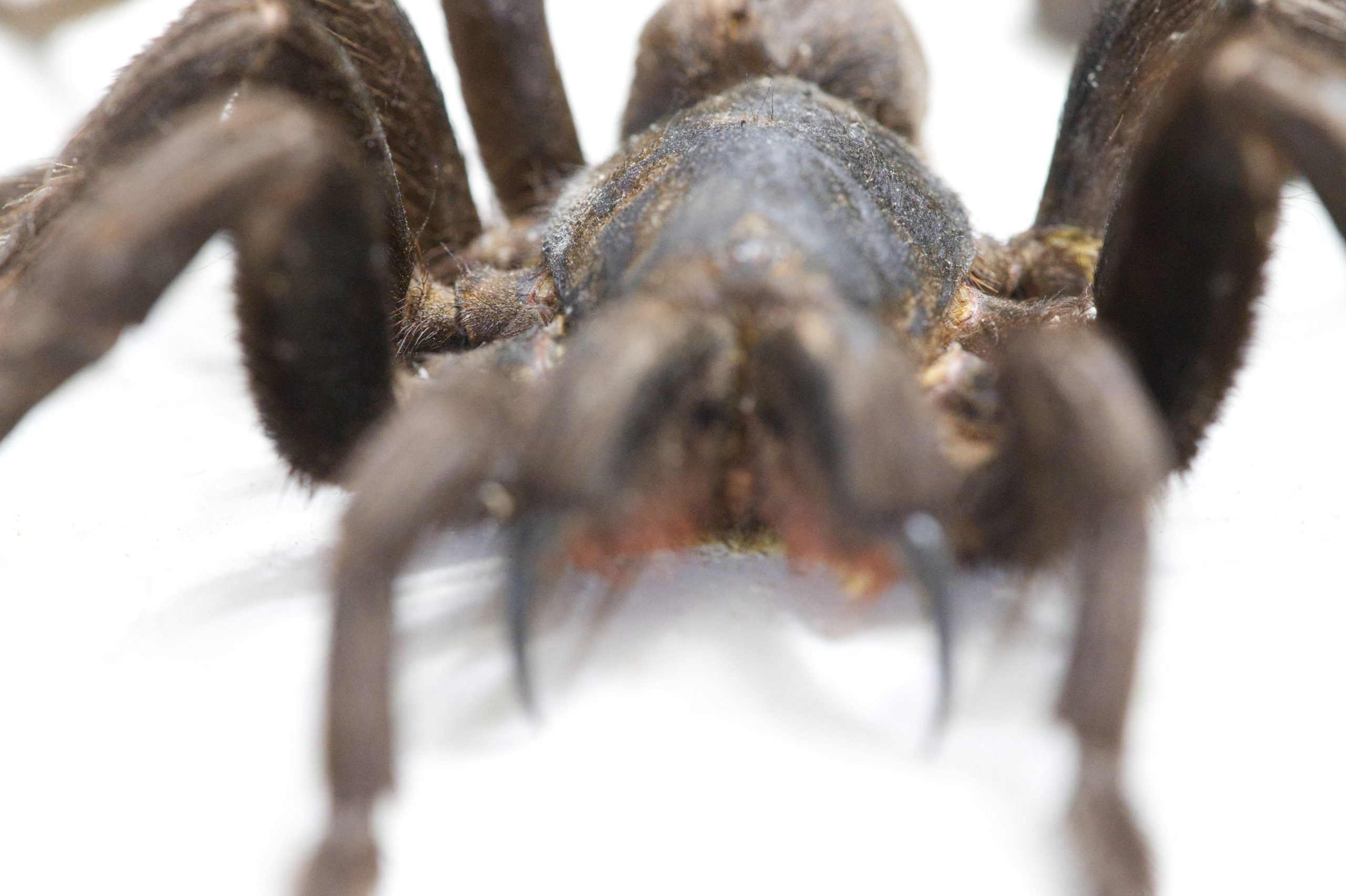
Here is the stacked composite
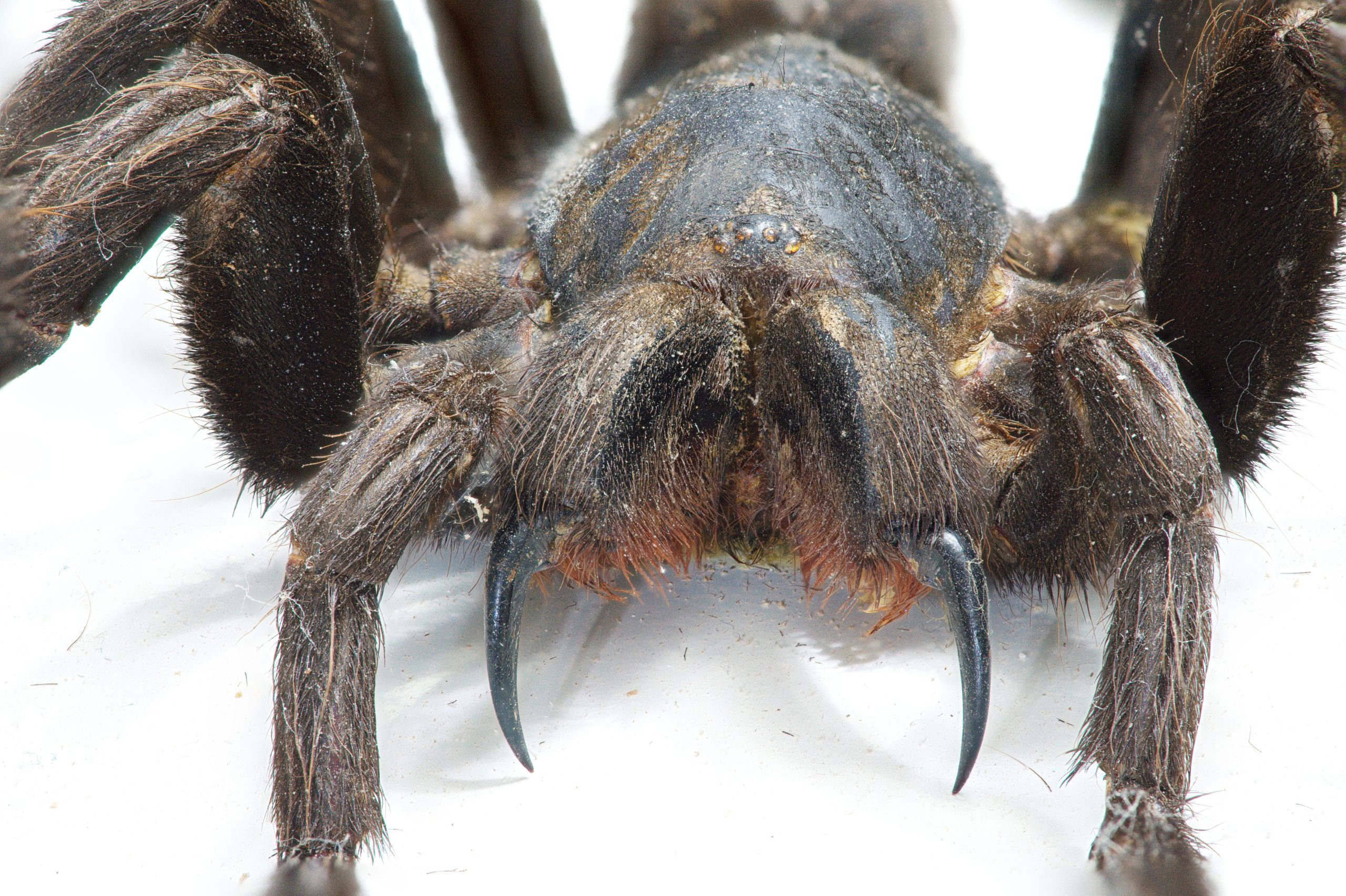
And finally here is a photo taken from the same distance at a very small aperture (f\18) as a comparison.
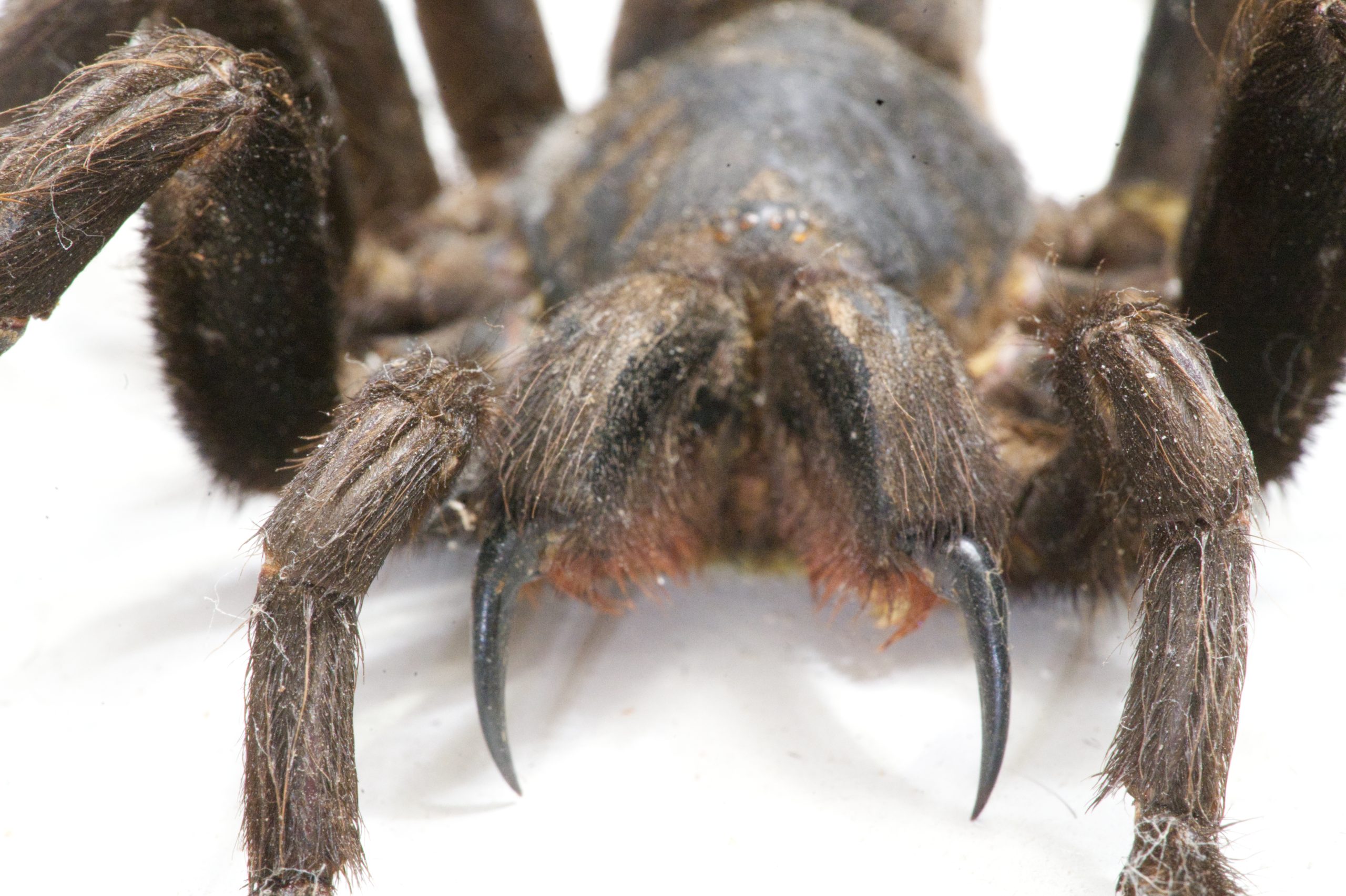
Now this stack took 50 minutes to crank out on my laptop. Is it worth the time and effort? I guess that’s a personal choice. But I’m kind of enjoying playing around with a new technique. And that’s probably the nerd in me showing through.
Update:
TomD commented:
As a lifelong certified arachnophobe, 2.5” inches is entirely too big (by at least an order of magnitude) for a live spider to be.
Thanks for the experiment! Enlightening!
Even with 4 steps/per frame x 125 frames, or 500 steps, it still didn’t get the abdomen. So 500 steps only covered around 1.75”?
That’s extremely unintuitive and approaching unusable.
As I said in an earlier post, the software that I played with at the camera club would have the entire object with 8-10 exposures.
Maybe that’s more a function of the lens than the software. I’ve done a lot of macro work using several lenses and noticed that macro lenses with a very close focus all have a razor thin usable depth of field. I wonder what would happen if you took a good prime lens in the 85+mm range, moved it back and tried the same experiment at something like f8?
You would have to crop in to get the same image size but I’ve noticed that ou A7IV’s can be cropped quite a ways and still have great IQ’s (image quality).
Using the setup specs of your experiment, I’d say that the upper dof limit is in the inch range.
photog replied:
Tom, I’m going to play around with this function. I want to see what I can do with it. It seems like an interesting tool that I might find some good applications for. But I can see that it might not have any compelling uses for most people.
18NOV2024 – Photo of the Day
Guest Contributor – TomD – 17NOV2024 – Photo – Focus Stacking Issues
Yesterday, I experimented some and found what I consider the Achilles heel of the method. This isn’t a factor for inanimate objects but outdoor nature photography becomes difficult to say the least. I was trying to shoot a clump of red berries in a bush and then a flower (this is Florida)> There was no detectable wind the the 1/4 mph (or whatever) was just enough to move the subject 1/8” to 1/16”, just barely. That would have had little to no effect in regular photography but it totally ruled out stacked images for any purpose. That + the sheer length of time the subject has to remain motionless is hard in the wild. For my initial experiments, I was doing just 25 images with a 2 sec interval. That’s a life time in some circumstances but a bunch of articles recommended 100!
This is different from the focus stacking that i learned when I was in a camera club about 15 years ago. Then the shooting formula was still on a tripod, you would focus the camera on the nearest point you wanted, then the furthest and then input the number of steps that you want. Typically, it was along the line of 5 to 10 intervals, max.
The major downside was that the camera had to be tethered to and controlled by a computer. And the software was expensive.
At any rate, it looks as if this latest technique is limited to purely static subjects. But so to is HDR but to a much lessor extent. The most images you need in HDR is 5 and my camera will whip those out in less than a second. So you have some latitude.
17NOV2024 – Photo of the Day
Sony A7 IV Focus Bracketing Test – 16NOV2024
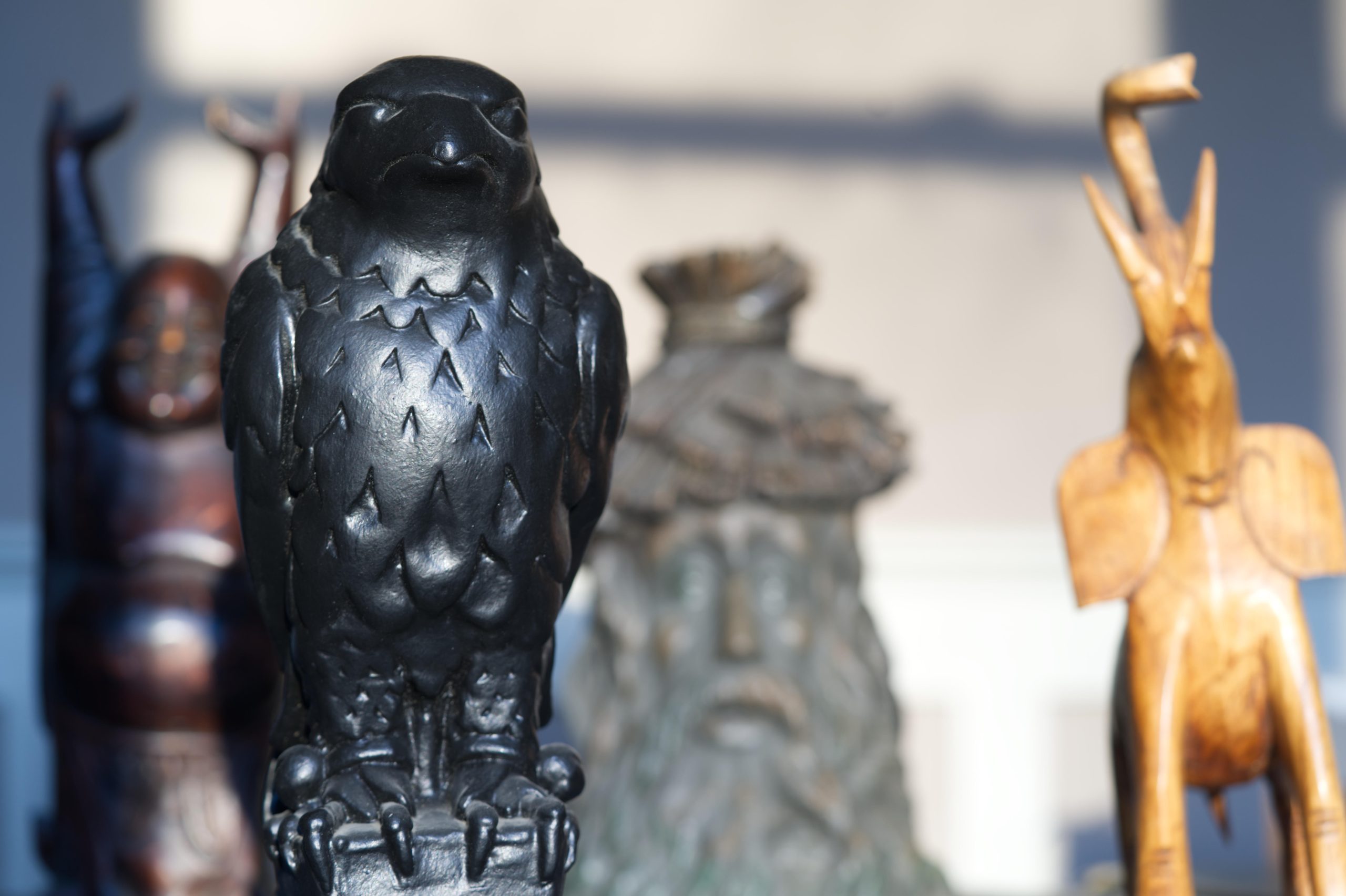
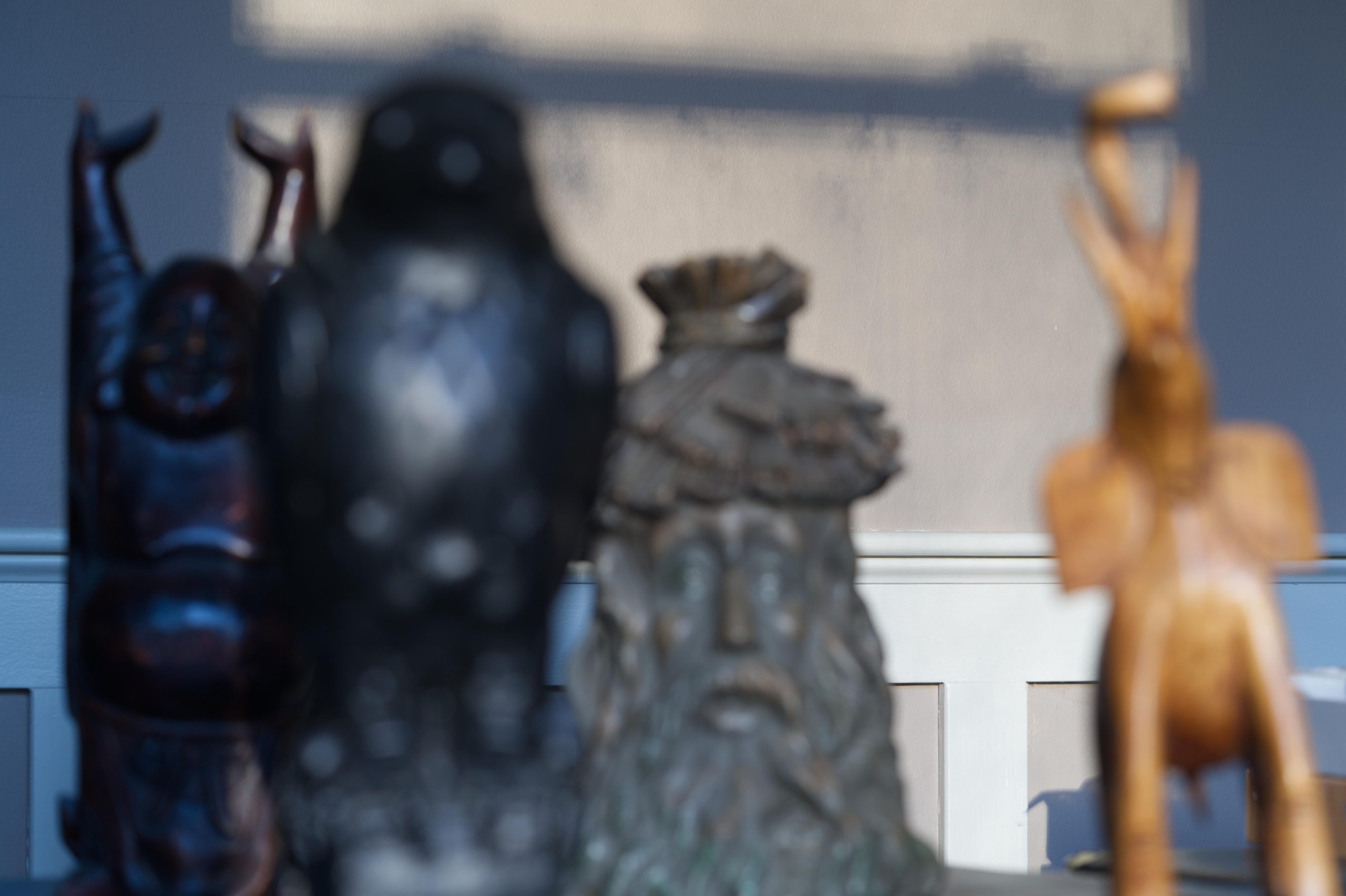
Welcome to the further adventures of me playing around with the newly added focus bracketing function on my Sony A7IV camera. Although I was using the Sony 90mm macro lens this isn’t a macro bracket. I set up a few small statues in a location that caught the late afternoon light and ran a hundred shots with a medium setting on the focus change. I’ve attached the first file (1) and the last file (100) followed by the merged product.
(1)
(100)
merged product
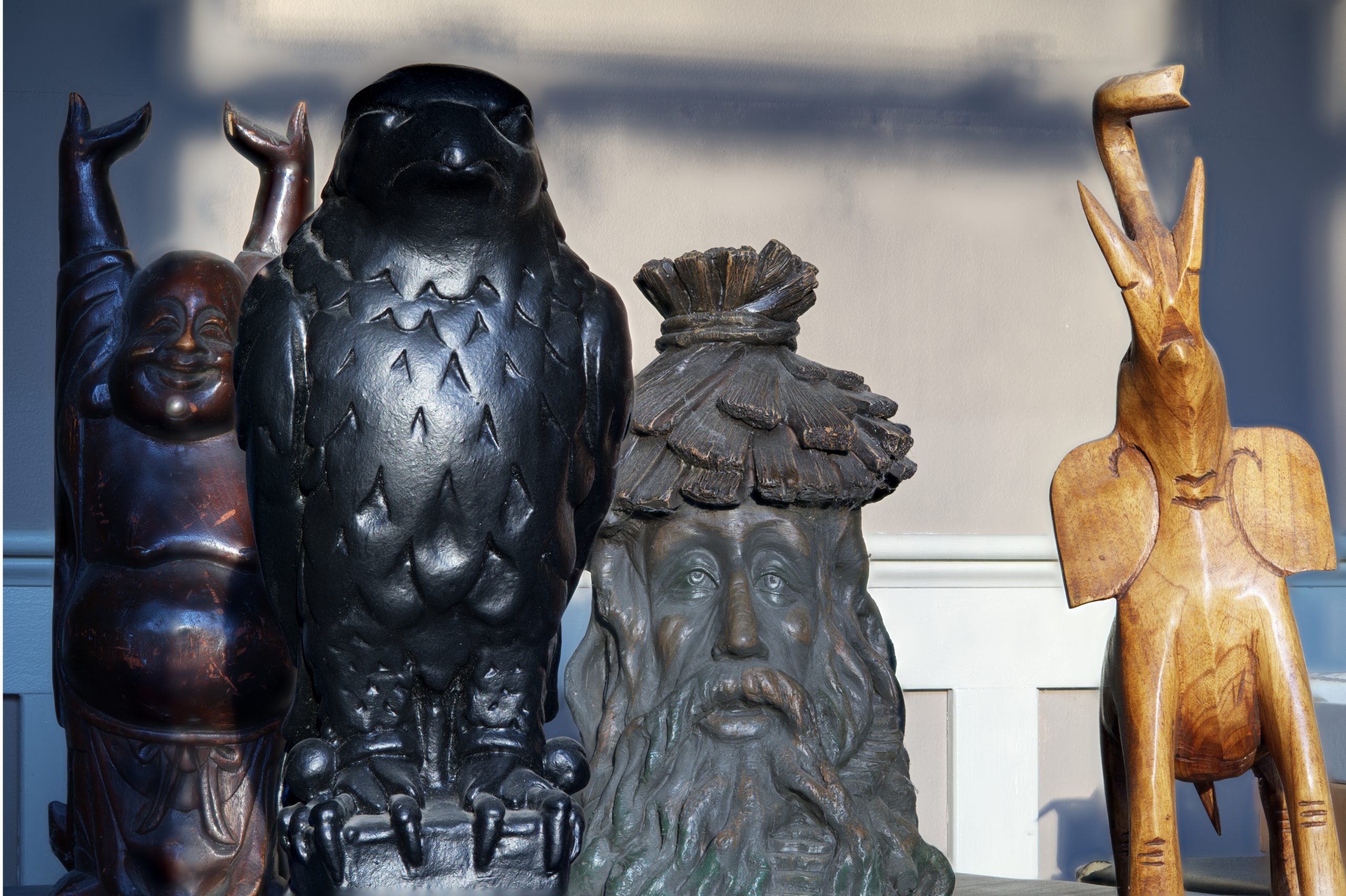
Now this isn’t all that an exciting test. Afterwards I though I probably should have included a shot at a very small aperture like F8 or F16 as a comparison of what can be done the old fashioned way without the software magic. But I didn’t think of that before.
Anyway, just another test as I play around with my fun new toy.
16NOV2024 – Photo of the Day

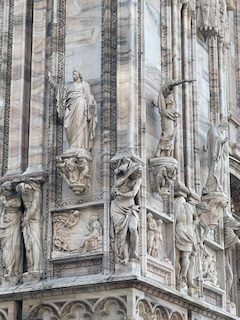
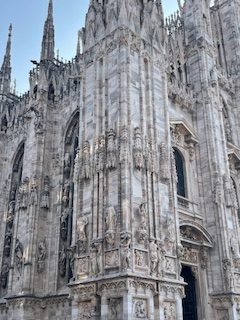
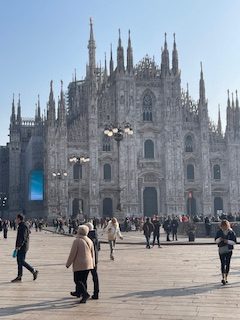
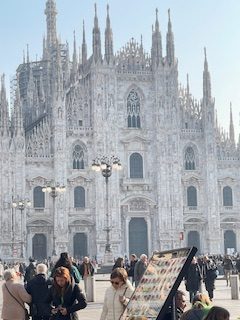
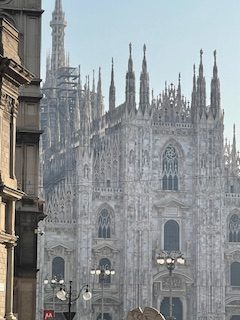
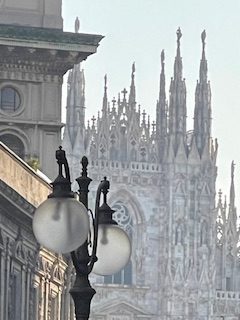
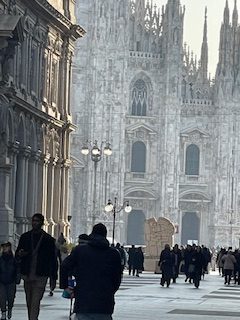
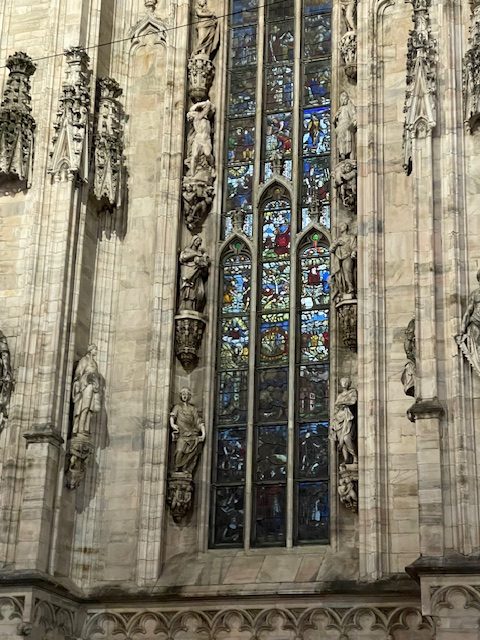
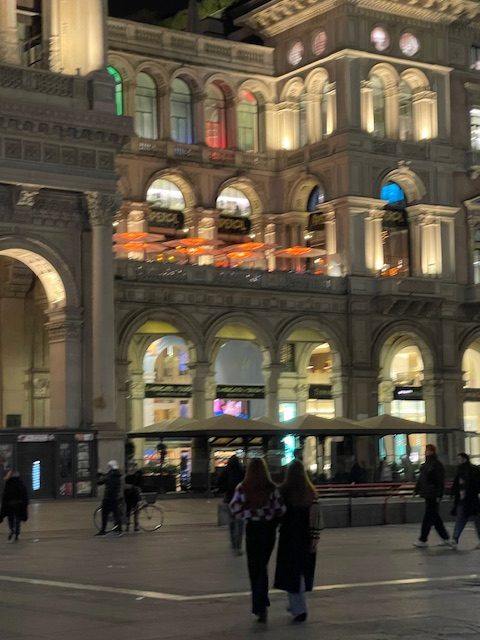
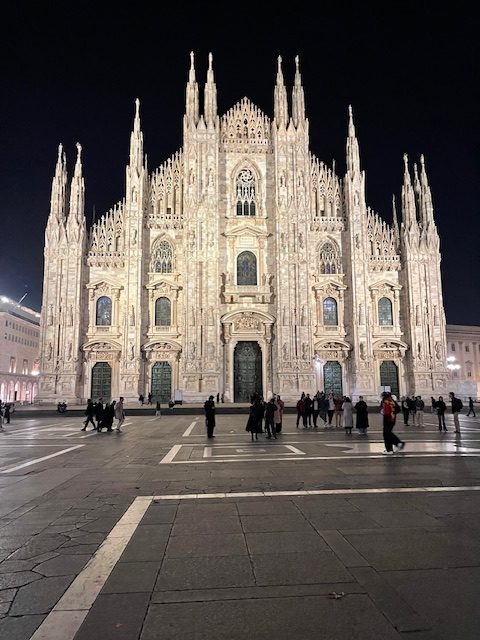
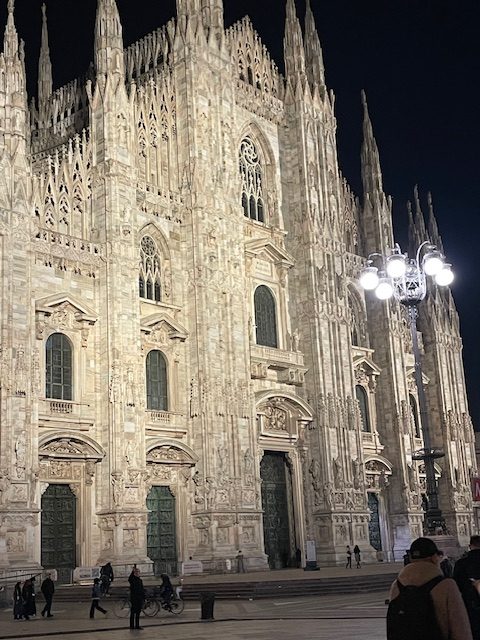
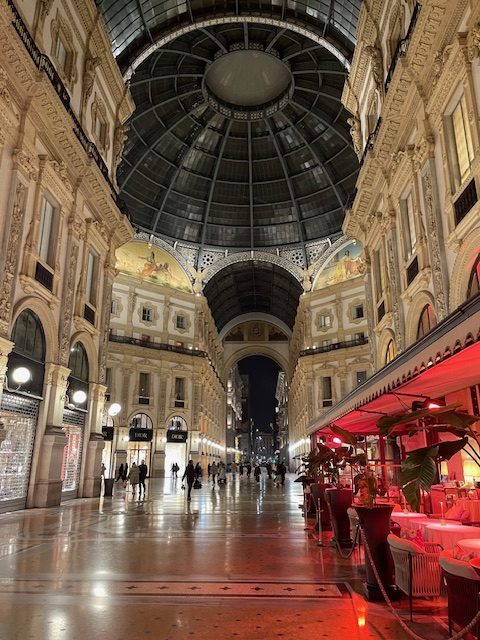
Guest Contributor – The Fat Man – 15NOV2024 – Photo – Milan
15NOV2024 – Photo of the Day