Longhorn Beetle Macro Focus Stack

So you take the Sony A7IV camera with the latest firmware update and you attach the Sony 90mm f/2.8 Macro G Lens and set the camera for focus bracketing using the small interval focus change and a hundred exposures with an f/8 aperture and ISO 100 quality and you get 100 files that look this bad:

Then you put the 100 files through a photo editor to get the exposure just right and process them in another piece of software that combines them into a focus stack and get this:

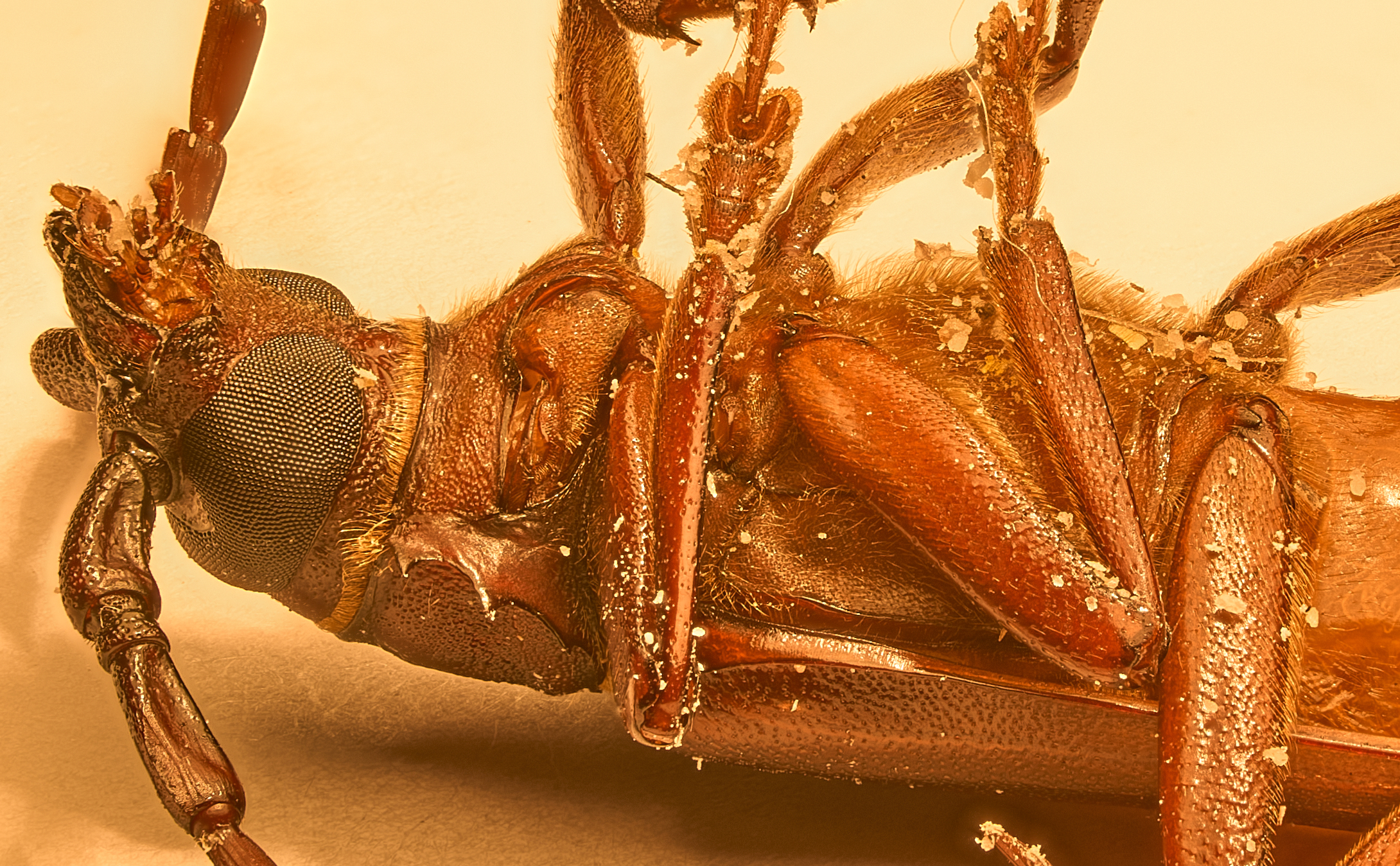
And if you crop that stack photo you’ll find quite a lot of detail:

Admittedly, this isn’t the loveliest insect photo on record but you have to admit it has a lot of detail.

Too Soon for Cabin Fever

Too many irons in the fire.  More and more “stuff” dumped in front of me to trip over.  Boredom, frustration, ennui, blah, blah, blah.  Okay, whatever.

So, I’m trying to concentrate on the important stuff.  I got my cover artist signed up.  He needs some information from me and I’m working to answer the questions.  I’m still waiting for some answers from the experts on small stuff and big stuff that has to be decided (when, how and how much).

And I’m looking to sell off a bunch of lenses I don’t use much and exchange them for that new 100mm f/2.8 macro lens from Sony.  It’ll be good to move out a bunch of stuff that’s just sitting around and concentrate on what I like to play around with.  I’ll probably also buy a macro rail and maybe some doo-dads that will let me experiment with tilt shift and other technical adjustments.  I was watching a video from a guy in England who does a lot of product work.  You know, pictures of corn flakes boxes and shampoo bottles.  He was demonstrating his technical camera.  It’s a digital “back” attached to a bellows with a lens on the other side attached to a support that allowed for all kinds of motion for the lens; tilt and shift and any kind of motion relative to the digital back.  In addition, the digital back can tilt and shift also.  This allows the image formed by the lens to strike the sensor either straight on or at any angle desired.  Now I think this is really great.  I’d love to have this capability.  But the numbers being thrown around for a medium format digital back and the other components runs into the tens of thousands of dollars (well, pounds for that Brit).

But it occurred to me that with a little ingenuity and a slight downgrade in kit (e.g., a full frame camera like my Sony A7IV instead of a medium format back) I might be able to get almost the same effects for very short money.  And since the winter is beginning to bite into my soul (we had the first noticeable snow cover this morning) this would be a marvelous time to distract myself from the realities of Dunwich in the winter.

Tuesday and Wednesday will be boring work days.  Saturday is another family party (great!).  A week from Tuesday will be a day of tedium not to be imagined and then Thursday is Thanksgiving.  I guess you must take the good with the bad.  But I’m not very patient.  Camera Girl is much better at that sort of thing.  She was raised to be hard-working and dependable.  I, on the other hand, am lazy, easily bored and unreliable.  I like to think this is because I am like my idol; Wiley Coyote, a super genius.  I like the way that sounds, WILEY COYOTE, SUPER GENIUS!!!!!!

I’d better cut this short.  It’s becoming too much like me talking to myself and that’s not healthy for anyone.  It’s too close to the scene where Wendy Torrance starts reading the manuscript that Jack has been working on and finds that it’s hundreds of pages of text that consists of variations on the sentence, “All work and no play makes Jack a dull boy.”  It’s just too early in the winter to start getting cabin fever.

FE 100mm f2.8 MACRO GM Lens – Damn You Sony!

Just when I think I’m immune to lens lust Sony drags me back in!

Alright, this is not an in-depth review because this lens hasn’t even reached the stores yet.  It come out in early November.  But it has already destabilized my photographic equilibrium with its compelling mixture of desirable features and the stellar reviews the experts are giving it.

So just to put my own spin on it, here are the features I find most exciting.

  1. Fast autofocus.  Okay, probably not blazingly fast because no macro lens can be.  There’s just too much focus racking needed in a macro lens for that.  But its four XD Linear AF motors make it orders of magnitude faster than my current Sony 90mm f2.8 macro.
  2. 1.4X magnification.  That compares with the 90mm and its standard 1.0X magnification.  This is a big deal.  Filling the frame with your subject is what makes for better macro shots.
  3. The reviewers stressed that the Optical Steady Shot (OSS) system actually did seem to work very well on macro shots.  That’s always been a sore point for me with the 90mm lens.  There’s nothing steady about the image unless I’m on at least a monopod.  If this pans out it will be a major upgrade to my macro experience.
  4. The reviewers also stressed that the images when using a 1.4X or 2X teleconverter were still very good which if true means that 2X and 2.8X magnification would be achievable.  I’m most skeptical of this claim.  Whenever I’ve used Sony teleconverters I’ve always noticed a very significant image quality degradation (especially with the 2X unit).  If this turns out to be true it would be a very nice benefit.

Okay enough hyperventilating.  So let’s give some of the bad news.  It’s fifteen hundred bucks!  And I’ve checked the resale value of my 90mm lens ($450).  So I’d be forking over an extra grand or so.  Gack!!!!

Oh, the pain, the pain.  Well, Christmas is coming up.  And I do have some rarely used lenses hanging around maybe I could shrink that grand down to five hundred bucks.

It’s funny just a few months ago I think I was saying how glad I was that I no longer obsessed about camera gear and lenses in particular.  Sure I’m always interested in descriptions of the new odd-ball super-macros that the various Chinese lens manufacturers seem to create constantly.  But I’m never too excited because these lenses tend to be not of the highest quality.

But here Sony has dropped this thing in my lap with basically everything I wanted except a 200mm focal length (and that would be compensated for if it actually does work as well as they claim it does with a 2X teleconverter).  And here I am with my mouth hanging open, desperate to get my hands on this piece of photo kit.  They truly are evil geniuses sitting there in Tokyo (or wherever the hell their corporate headquarters is in Japan) and saying, “Now we’ve got photog right where we want him.”

And they do.  Damn them!!!


Laowa AF FF 180mm f/4.5 CA-Dreamer Macro 1.5X Lens

Regular readers of this site who read my photography reviews know that I am a macro-lens junkie of the first echelon.  I have been trying to get Sony to upgrade all their cameras to allow my vintage Minolta 200mm f\4  Macro lens to perform like a lens thirty years younger.

Alas, that will never be.  But in pursuit of a long macro (~ 180-200mm) I have always hoped that Sony or one of the third party manufacturers of lenses like Sigma or Tamron would one day produce an autofocus macro lens in this focal range.  And autofocus is the trick because Laowa, a Chinese manufacturer has come out with macro lenses of various lengths but up until recently, they only made manual focus lenses.

But that has now changed.  I saw this announcement:

Laowa AF FF 180mm f/4.5 CA-Dreamer Macro 1.5x Lens

It says this lens is coming out in a couple of weeks.  And it’s even better than a 1.0X magnification.  It’s a 1.5X.  This is very exciting.  If this lens autofocuses as well as my Sony 90mm macro it will provide a distinct advantage for things like hummingbird photos and dragonflies.

Now this is a big if.  There is no guarantee that Sony will allow the autofocus of their cameras to work exactly as well with third part lenses as with their own.  The only proof of the pudding will be when I have this lens in hand for a week or two of testing.

Now that’s not such a big deal.  The Laowa lenses usually cost less than half of what Sony charges and renting one would even be cheaper still.  So I think I have a plan to play around with this thing in the near future.

This unfortunately feeds into a long standing illness that I suffer from, namely; gear acquisition syndrome (G.A.S.).  It’s been quite a while since I’ve had a flareup of this but apparently I am not cured.

To be continued…

Comment from TomD

I think the reviewer said that autofocus didn’t work at less than 1.5 meter distance. That being a little less than 5′, it won’t be useful for macro work.

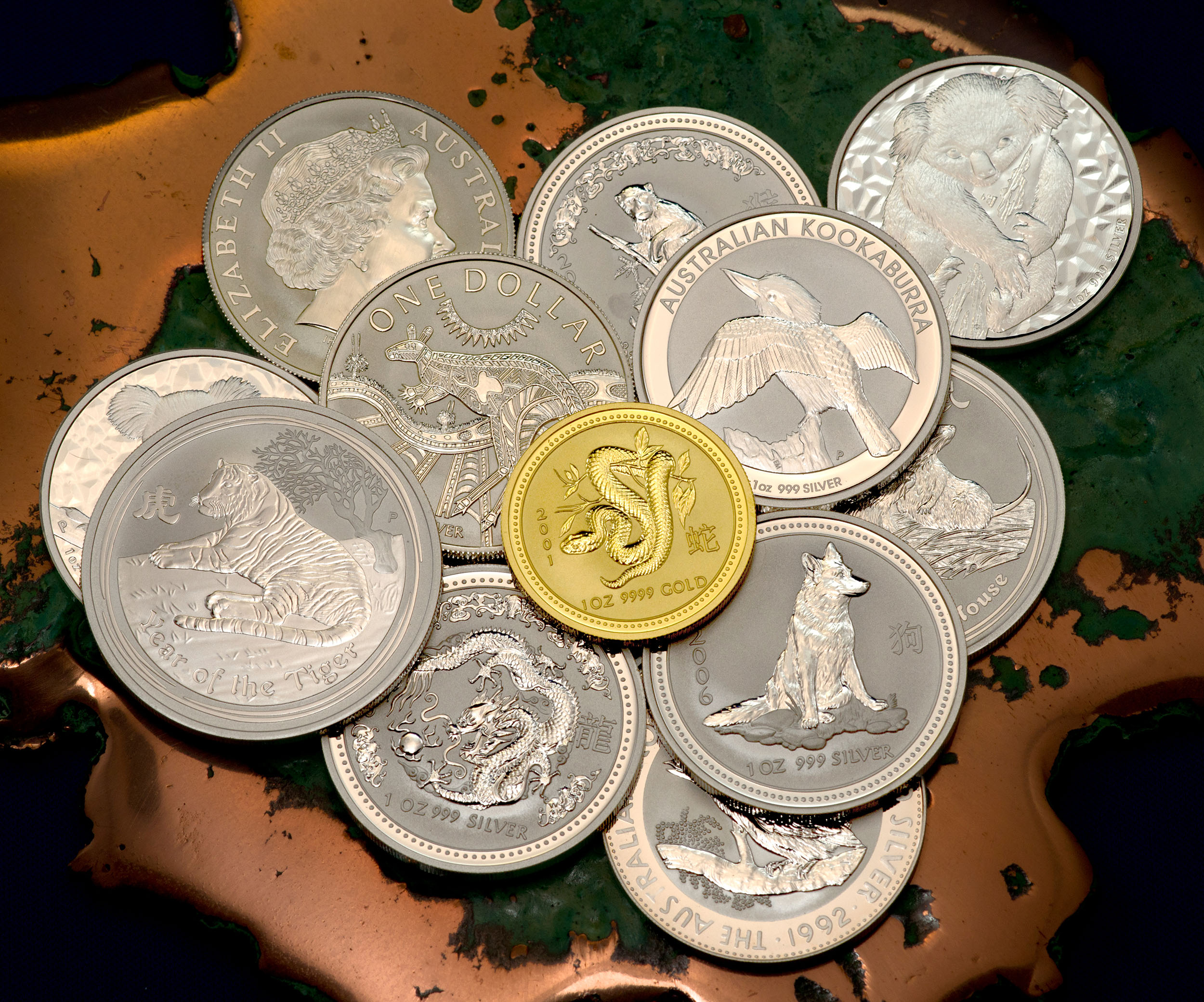
I used to do a lot of studio macro work that I was paid for. I sorta specialized in gold and silver coin and numismatic photography. The attached picture was part of a series for an Australian coin distributor. These coins are all by The Perth Mint Perth Aus.

Most of my shots were with a Sony100mm 2.8 and shot with studio lighting.

Australian-group-1m
Australian-group-1m

Calibrating a Focus Bracket with the Sony 90mm Macro Lens on the A7 IV

TomD brought up a lot of good points about the limitations and vagaries of focus stacking so I tried to get a better handle on the mechanics of the settings used.

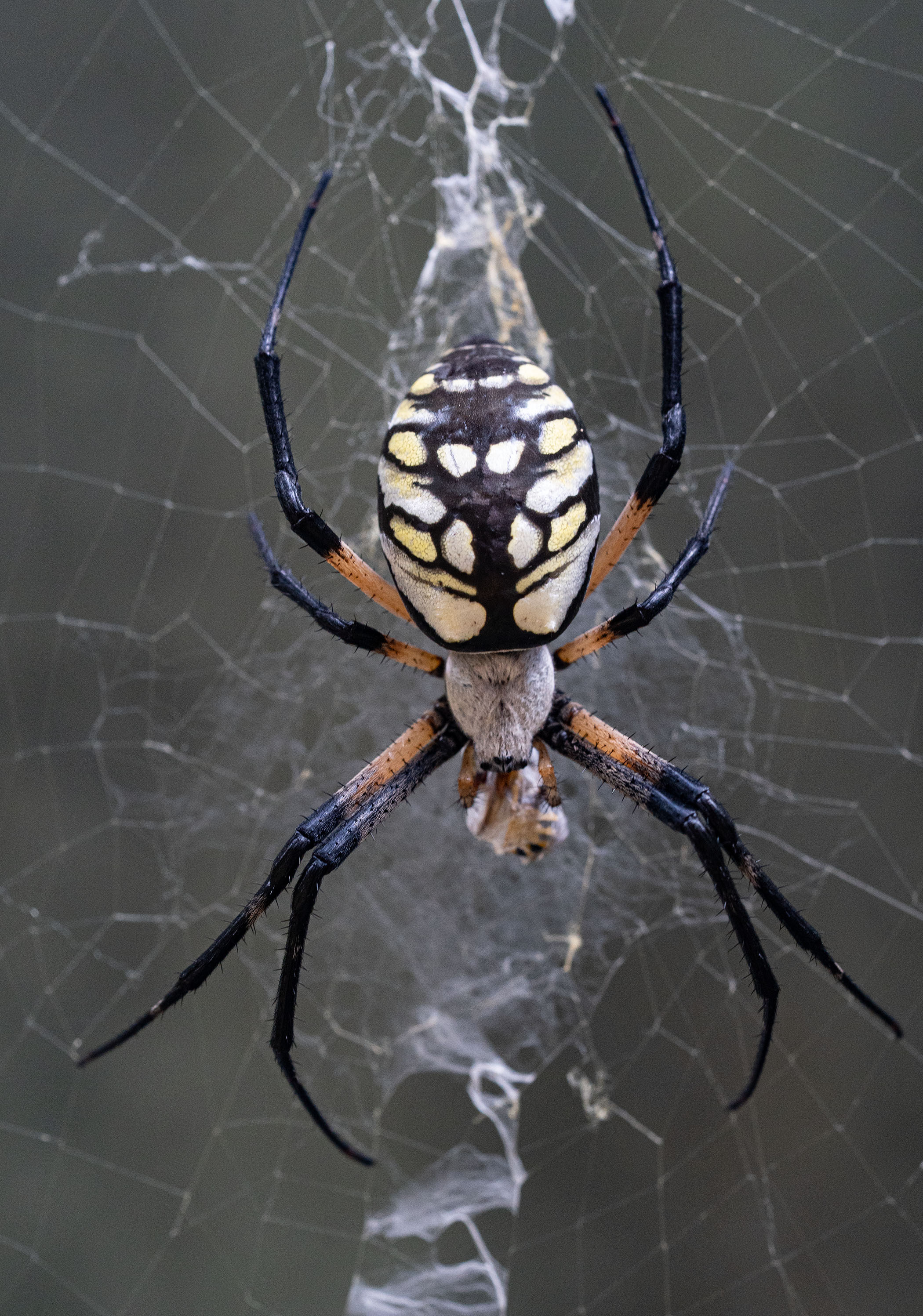
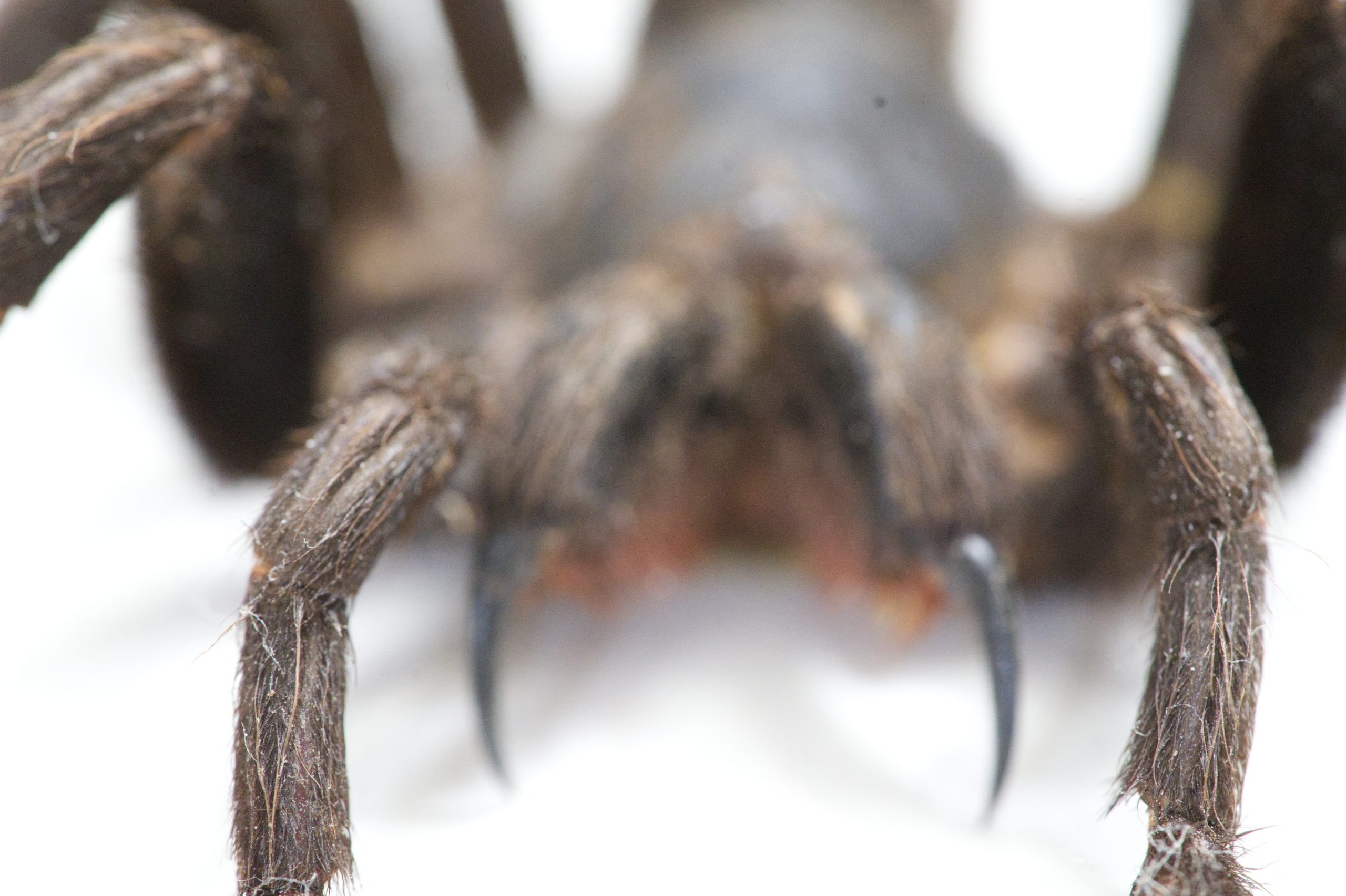
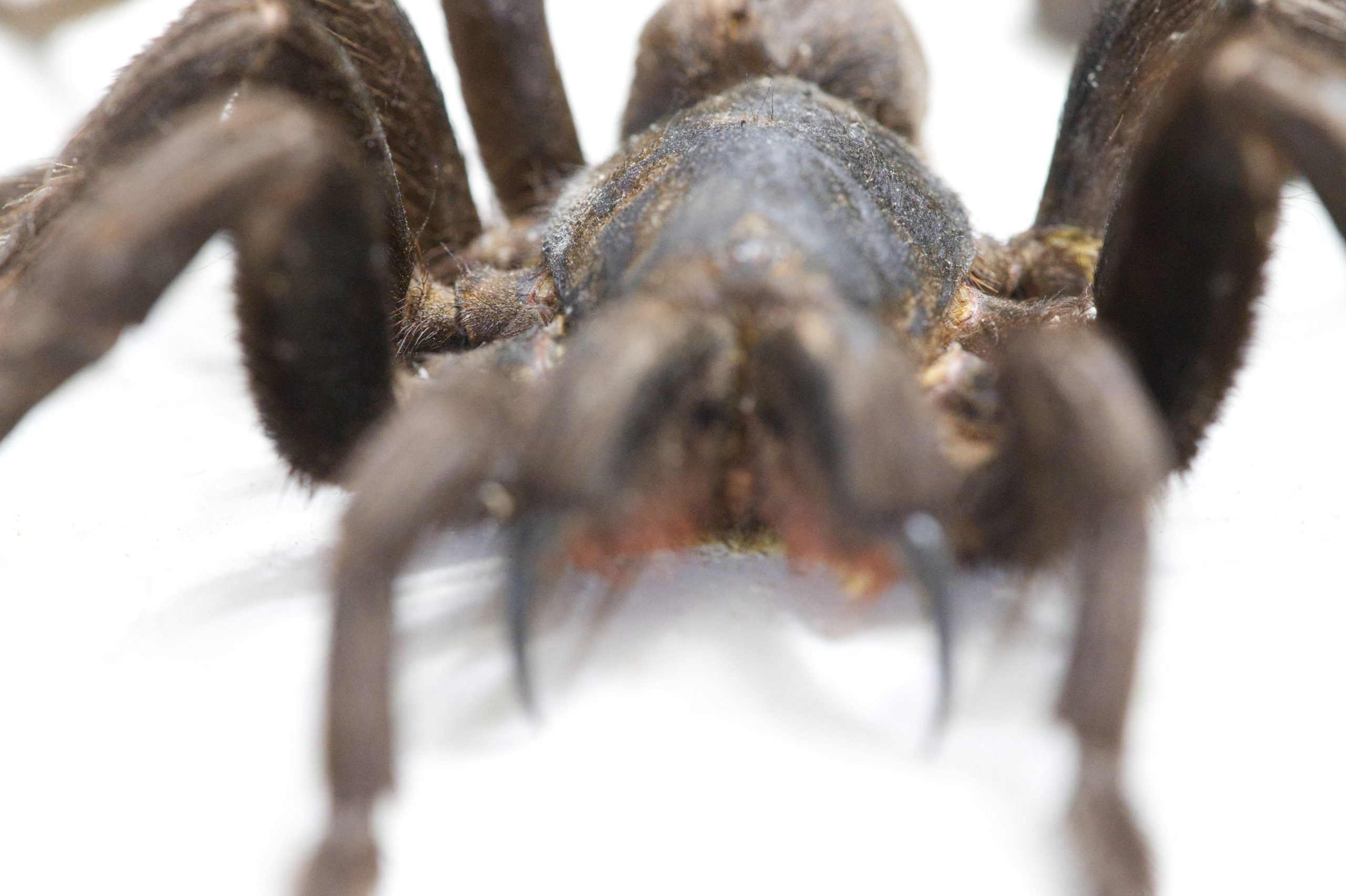
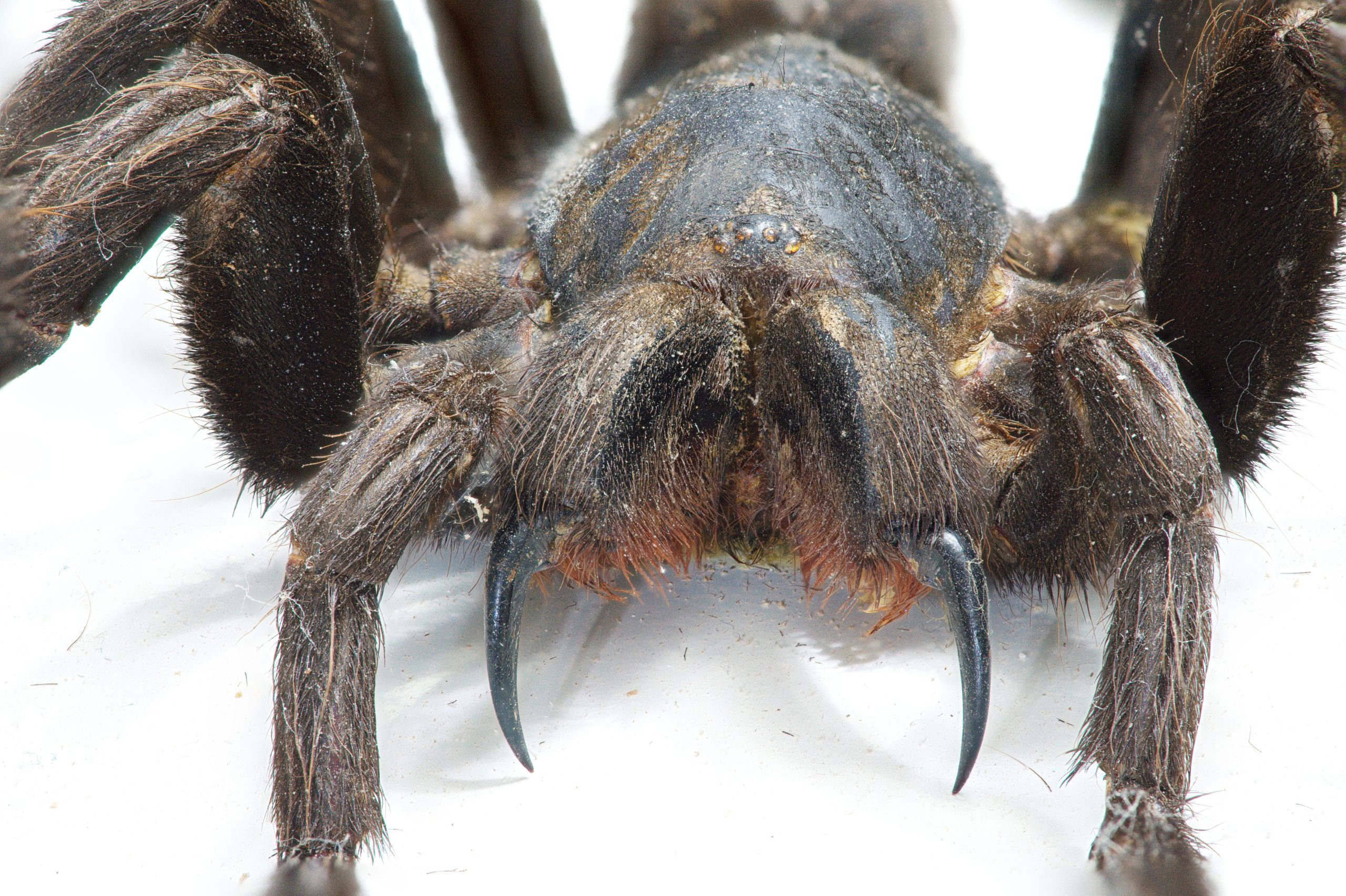
And when in need of a handy dandy close up subject I hauled out my extremely dead tarantula spider.  He has the benefit of being a rather large macro subject.  So I arranged the camera on a tripod at the minimum focal distance and set the bracket spacing to 4 out of 10 and selected 125 frames.  After the end I measured the length of the spider that was in focus in the bracket.  It came to about 2.5 inches.  Now this is a ballpark because there was an angle to the camera.  but this gives a decent idea of how many shots are needed to cover a depth of field.

Here is the first bracket frame
Here’s the last (125th) frame
Here is the stacked composite
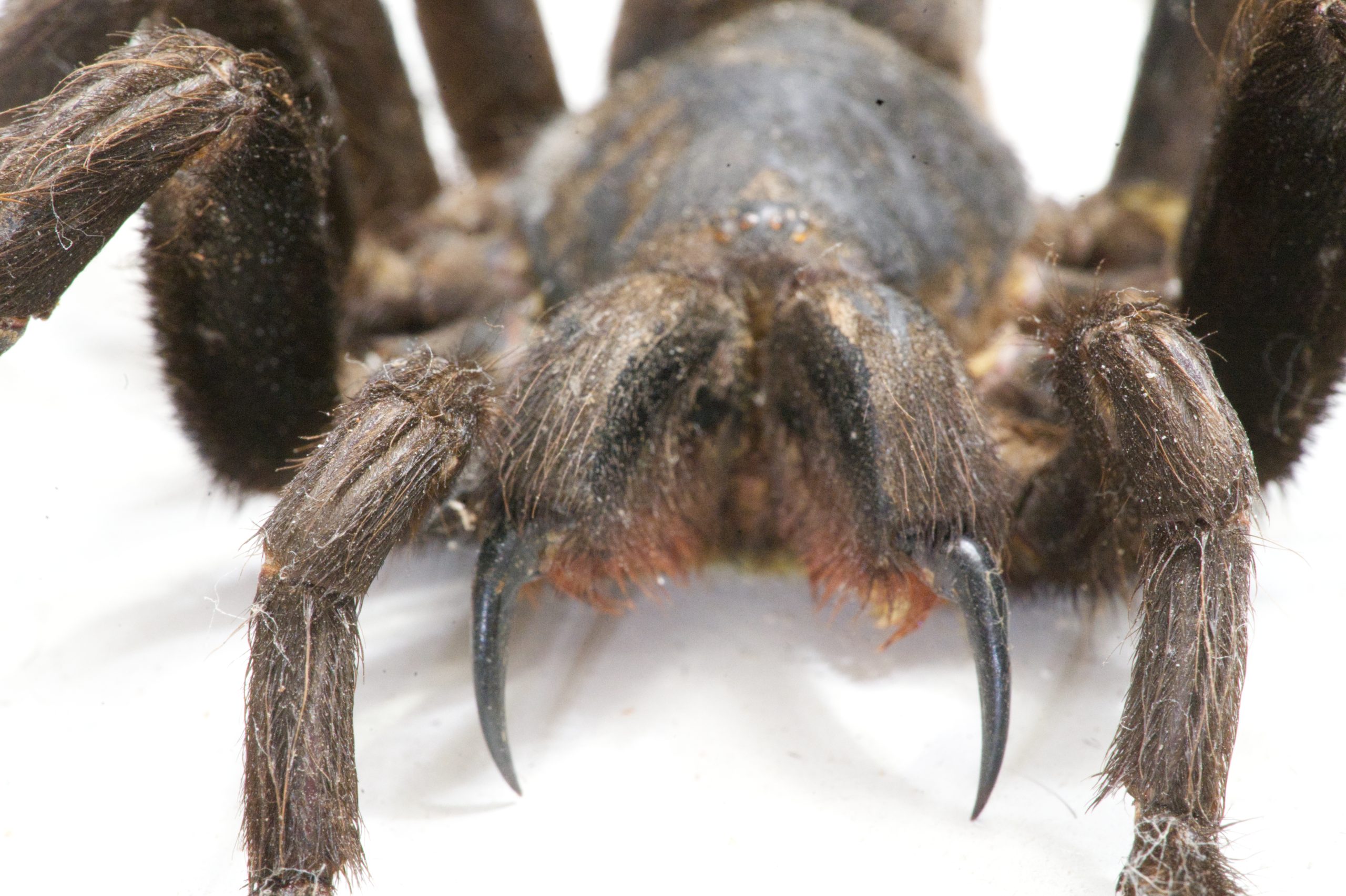
And finally here is a photo taken from the same distance at a very small aperture (f\18) as a comparison.
Now this stack took 50 minutes to crank out on my laptop.  Is it worth the time and effort?  I guess that’s a personal choice.  But I’m kind of enjoying playing around with a new technique.  And that’s probably the nerd in me showing through.


Update:

TomD commented:

As a lifelong certified arachnophobe, 2.5” inches is entirely too big (by at least an order of magnitude) for a live spider to be.

Thanks for the experiment! Enlightening!

Even with 4 steps/per frame x 125 frames, or 500 steps, it still didn’t get the abdomen. So 500 steps only covered around 1.75”?

That’s extremely unintuitive and approaching unusable.

As I said in an earlier post, the software that I played with at the camera club would have the entire object with 8-10 exposures.

Maybe that’s more a function of the lens than the software. I’ve done a lot of macro work using several lenses and noticed that macro lenses with a very close focus all have a razor thin usable depth of field. I wonder what would happen if you took a good prime lens in the 85+mm range, moved it back and tried the same experiment at something like f8?

You would have to crop in to get the same image size but I’ve noticed that ou A7IV’s can be cropped quite a ways and still have great IQ’s (image quality).

Using the setup specs of your experiment, I’d say that the upper dof limit is in the inch range.

photog replied:

Tom, I’m going to play around with this function.  I want to see what I can do with it.  It seems like an interesting tool that I might find some good applications for.  But I can see that it might not have any compelling uses for most people.

Guest Contributor – TomD – 11FEB2024 – Photo Talk

Tom | Flickr

TomD

I’ve done a LOT of studio type macro. If you want the easy way to do macro shots its with a lighting setup. I’ll attach a shot of my light box setup below. BTW: Important that the lights be 5000 kelvin color temp (daylight).

how to 1.jpg
how to 1.jpg

Light box (above). That’s my old Sony A850 on the tripod. I build the light holding framework around the box with PVC tubing. I’ll also post a shot of what I was mostly doing.

A Mexican coin shot using the light box. One reason straight on lighting alone won’t work is that it won’t create the shadowing that defines the shot.

Don Quijote.jpg
Don Quijote.jpg


Speaking of cameras, I’m about to acquire another body. It’s been about 6, maybe more, years since I gave my ASPC Sony a6300 to my wife and went entirely to full frame, full sized cameras. When it comes to photographic quality, you can’t beat them, but they lack in one really important respect: full frame, full sized cameras are too big and too expensive to carry constantly. I kept the A6300 with a Zeiss 16-70 f4 with me almost all the time. It’s small enough to fit in a pocket or console and be available. It wasn’t exactly cheap but but if it was lost, stolen or broken, it wouldn’t be like the $5K-$6K hit for one of my full frame bodies + a Sony GM series lens. And, frankly, you would would have to look very hard to tell the difference between most shots from my 6000 series cameras and the full frame cameras.

A significant portion of my favorite shots have been serendipitous.

The wife is attached to the 6300 so I’m about to get a newer A6600 for less that a thousand and I already have the big investment, the lens selection in hand.