I went out into the swamp braving ticks and brambles. I found moss, a little snow, some algae and some impressionistic wavelets.
Who needs Matisse?

Next year’s Charlie Brown Christmas Tree.

Mossy stump.

Really mossy stump!

All the Secrets of the Universe and Some Really Important Stuff Too!
I went out into the swamp braving ticks and brambles. I found moss, a little snow, some algae and some impressionistic wavelets.
Who needs Matisse?
Next year’s Charlie Brown Christmas Tree.
Mossy stump.
Really mossy stump!
Well, here we go again. SonyAlphaRumors (SAR) has a post today recapping the rumors for a new full-frame camera coming out soon. The latest development is a registration with the Chinese government of two new Sony cameras. The Admin at SAR says based on the designations, one of the two has to be a full-frame Sony. Also the Admin says it’s typically 1-2 months later that the cameras are launched. These developments are added onto rumors that say that Sony will be releasing a full-frame camera that will have a high frames per second rate and extremely good auto-focus but with moderate resolution. This identified it as either the legendary A9 or an A7S III. In an earlier iteration of this rumor it was stated that this camera was going to be very expensive. This would point to an A9. The Admin was saying that it would compete with the Canon and Nikon professional cameras that retail in the $6,000 – $5,000 range. Currently he seems to be undecided whether it could also be an A7S III and moderately more expensive than the current A7X II series cameras.
From a personal point of view I hope it turns out to b the A7S III. I currently use the A7S. It has only two weaknesses. It needs much better auto-focus (which is actually a general problem for all the Sony mirrorless cameras) and it could stand to have 18 or 24 megapixels of resolution. If those two weaknesses were addressed it would be the perfect camera for my needs.
So if SAR is right (which is a big if), then sometime between the end of April and the end of May a fantastic new Sony full-frame camera is due to debut. So, do I believe this? Well, actually kinda no. Maybe it’s the delay in new products caused by the earthquake that occurred in Japan a couple of years ago or maybe I’m just getting skeptical. But I don’t think Sony has the goods yet. Believe me. I’d like nothing better than to plunk down $3,000 to get my dream camera. It would be right in time for summer and all the photo opportunities that that entails. And I would love for Sony to reach up into the top bracket of camera-making companies. After all, I’ve got a pretty healthy investment in gear at this point.
But for some reason I don’t think they’ll put out the cameras that are mentioned above. I think they’ll put out the A7 III. It will have some number of megapixels slightly less than the current A7R II and will have some new gimmicks built in that will appeal to the mass of people (something with the word selfy associated with it). It will claim to have the state of the art of auto-focus technology (but it won’t). It will be just another iteration of the A7 cameras that Sony has been putting out for the last few years. And, if that turns out to be the case, that’s going to be a problem for me. I’ve been a loyal and patient Sony fan going back to the A-850 DSLR. I’ve owned four Sony mirrorless cameras and a ton of lenses. But I’m just about out of patience. I haven’t owned a Sony mirrorless that could auto-focus half as well as the A-850. And the A-850 was far from the best auto-focusing camera out back in its day. So I guess what I’m saying is that Sony is about to be judged by me. If they don’t come out with a full-frame I’ll stay in waiting mode. But if they do, I’ll be deciding whether I have a future with Sony mirrorless or not. So listen up Sony. It’s either my way or the highway (that’ll scare ‘em).
There is no surer sign of cabin fever than the late winter indoor macro session. I look out the window at blinding sunshine. I run outside to enjoy the beautiful weather and crash into ten degrees F.
Back inside and break out the macro set up. These were shot with a Sony A7S, Minolta 200mm F4 macro lens, and the LAEA3 adapter and sometimes some A-mount macro extensions. Take them for what they are, a desperate cry for help(i.e., spring).



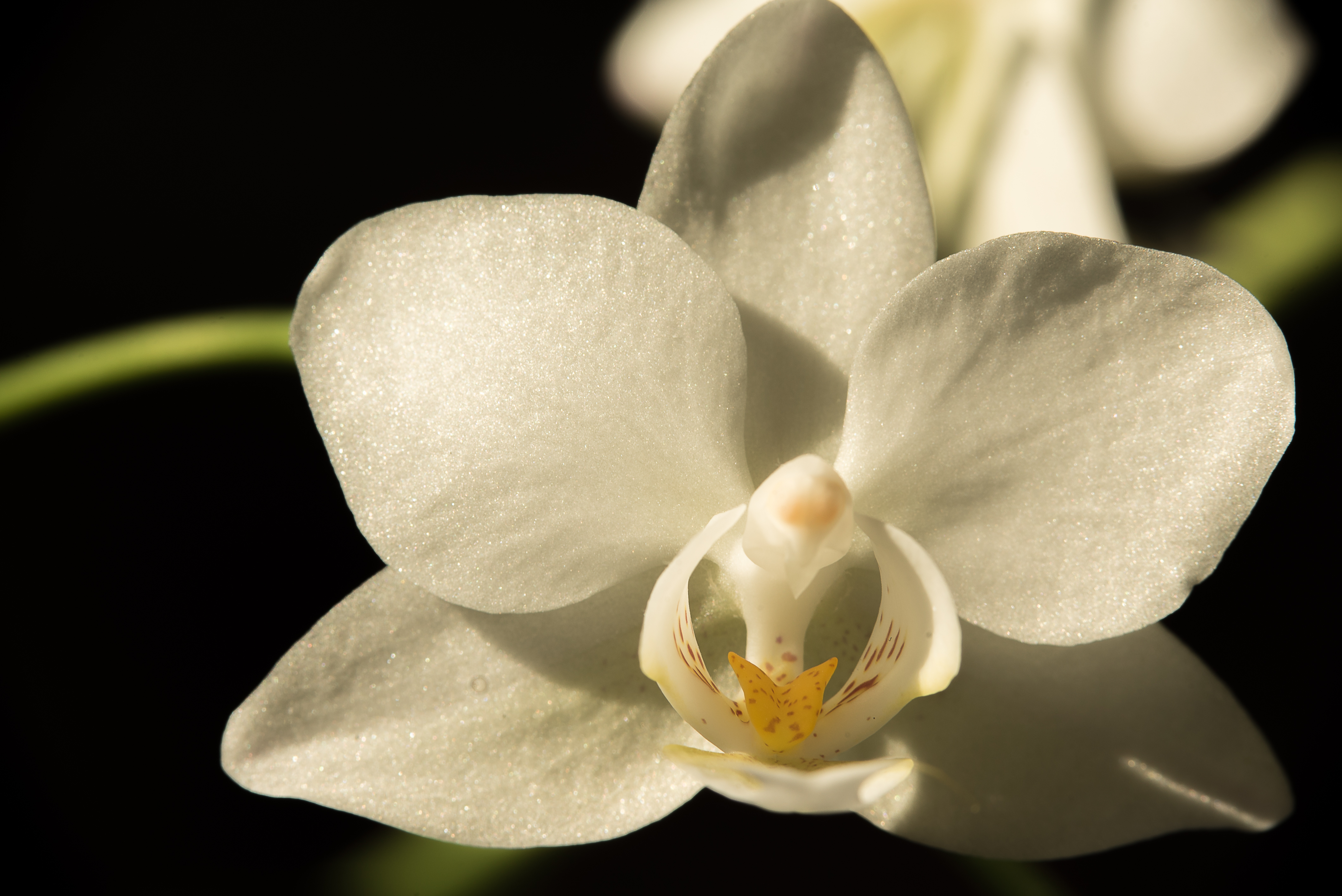

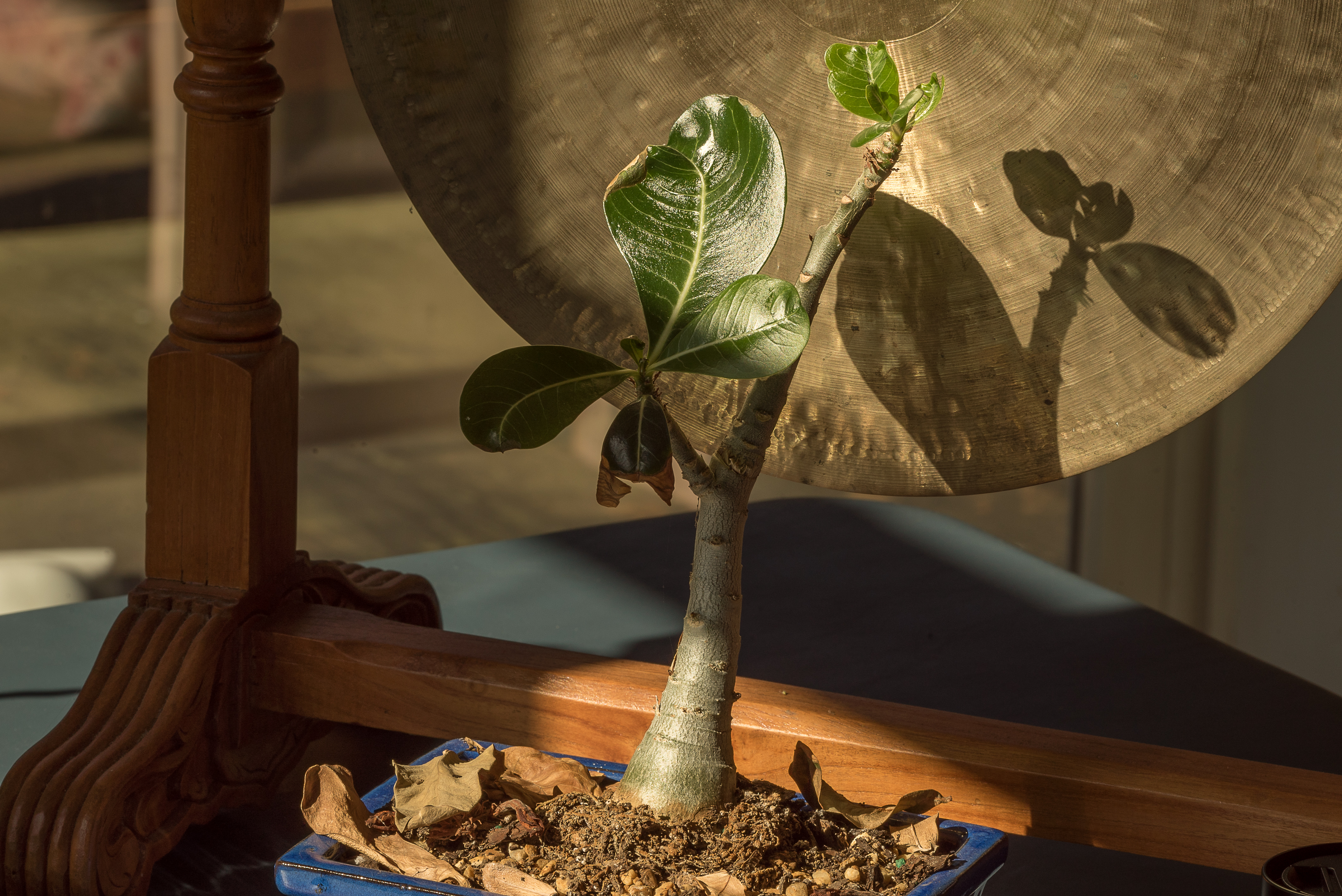
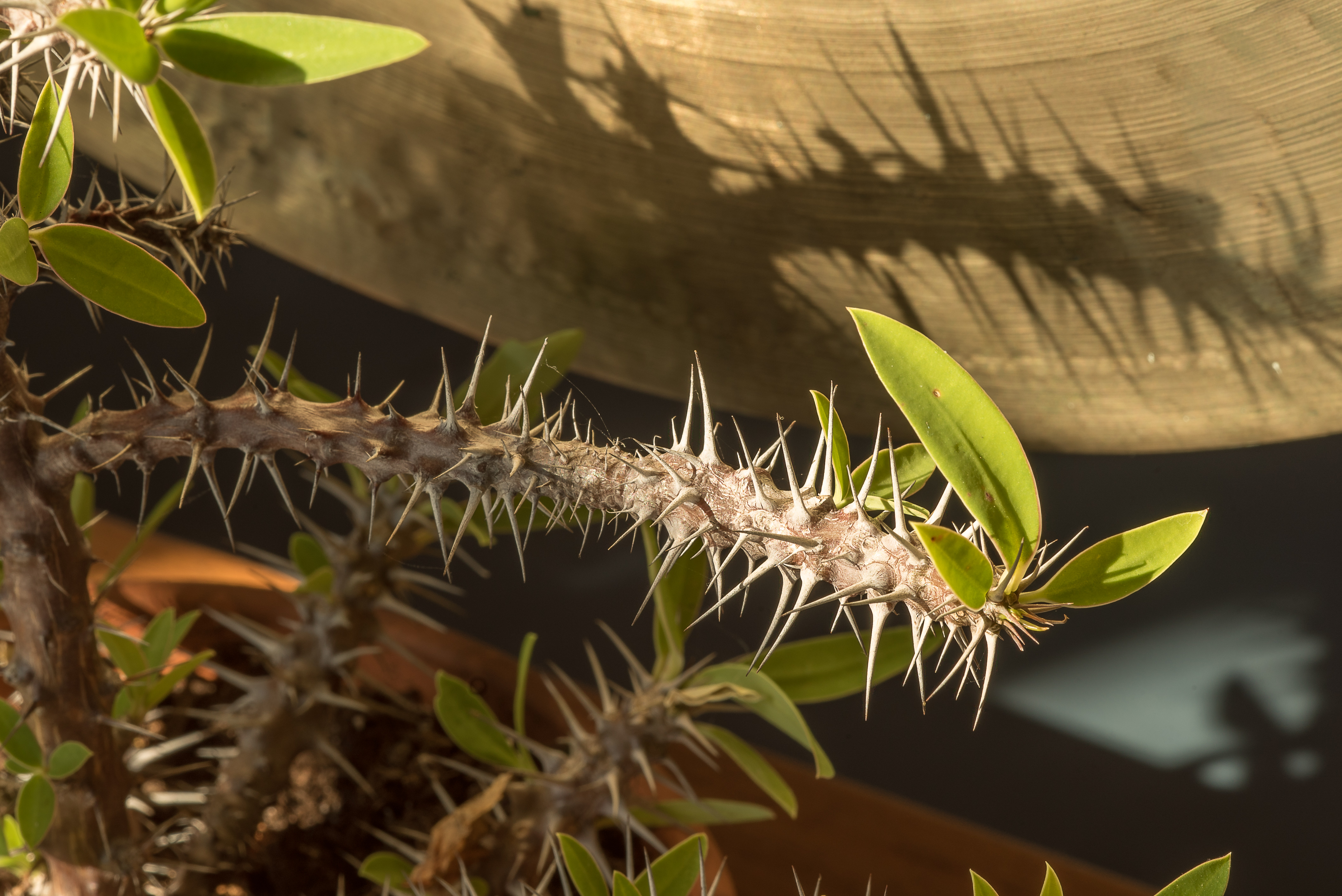
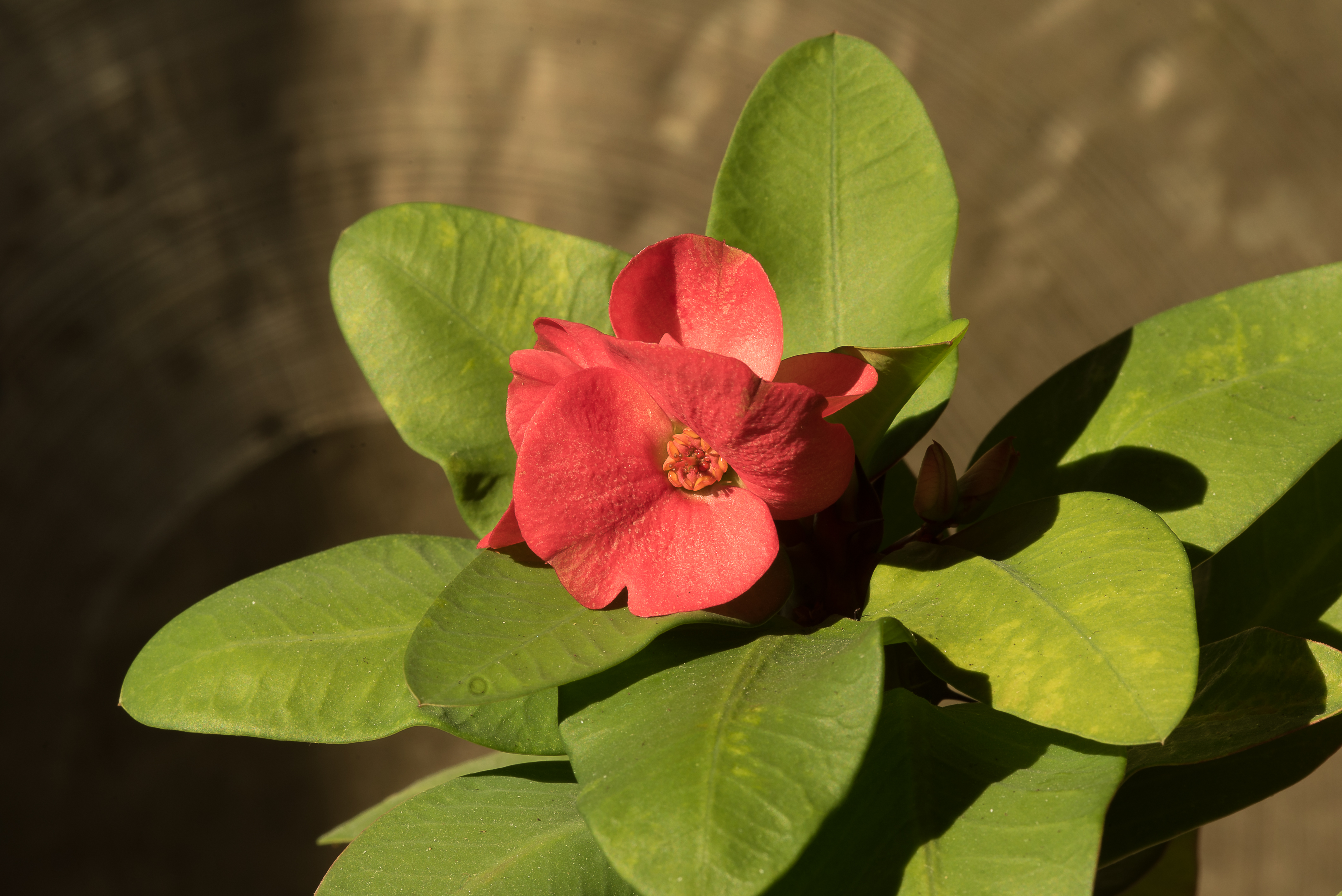
Here’s something to brighten the mood on a cloudy damp day.

Autumn with the Sony A7S – Part1
Autumn with the Sony A7S – Part2
Autumn with the Sony A7S – Part3
All but the last three photos were taken with the Loxia 21mm lens on the A7S. This lens has proven to be sharp wide open and corner to corner (of course it gets even sharper when it’s stopped down). The colors are excellent and the lens does not suffer from chromatic aberration or other faults. It is a fantastic lens for any photos that conform to a 21mm focal length. I highly recommend it to any A7-type camera users.


The final three photos in the group above were taken with the Voigtlander 10mm. This lens cannot compare to the Loxia 21mm with respect to corner sharpness, or flare resistance or chromatic aberration. This is not to say that it is bad in these respects. On the contrary for an unbelievably wide 10mm focal length it’s actually amazingly good, just not in the same league with the Loxia. What it does excel at is providing the ability to juxtapose a foreground and background in extremely creative ways that only ultra wide angles can provide. And so if you need that type of composition I wholeheartedly recomment this Voigtlander (or the 12mm version too).
Autumn with the Sony A7S – Part 1 – Loxia 21mm
Autumn with the Sony A7S – Part 2 – Minolta 200mm Macro
Here’s just a few shots to give an idea how the 10mm looks compared to the 200mm and the 21mm. The next installment will be all the lenses used at the peak of fall colors.


Autumn with the Sony A7S – Part 1 – Loxia 21mm
With the 200mm you get a totally different emphasis (not to mention some detail on the birds). I always loved using this lens for landscape stuff. Extremely sharp and excellent colors. But maximum aperture is only f\4 so in low light like this situation a tripod comes in handy to handle the longer exposure times.


Fall is the Super Bowl for New England landscape photographers. So I felt compelled to make some kind of effort to scout out some colorful trees. It’s still a little before peak color so hopefully I’ll find some showier shots soon. I will post some other shots with the 10mm Voigtlander and the 200mm Minolta macro separately.


Back in August I took some close-ups of flowers around the yard using the Voigtlander 10mm on the A7S. I confess it’s an odd combination for that application. But it produced some interesting (but odd) results. Here they are.


Portland Head Light with Voitlander 10mm f\5.6
[paypal-donation]
I thought it might be interesting to Sony Shooters to read about the perspective of someone who came to the brand from the Sony DSLR entrance. Prior to 2009 I was using Pentax DSLRs for my hobby photography. I had a few specialized lenses but other than a good macro lens and a decent mid-range zoom I hadn’t committed much in the way of funds to the system. In 2009 I purchased the Sony A-850. It was the budget full-frame 24 megapixel from Sony and it was a very interesting camera. 24 megapixels was the top of the line at the time for the whole industry and I liked the colors it produced. Mechanically, the shutter and mirror were quite noisy. The auto-focus wasn’t up to Canikon standards. The usable ISO range really didn’t extend beyond 400 unless you were willing to do a significant amount of post processing. But the fact that Sony had not one, but two full frame models available made all Sony users happy and excited about the future.
Then it happened! Sony pulled the rug out from under the users. They announced that there would be no more DSLRs. They introduced the DSLT (digital single lens translucent), basically a beam splitter was added to the light path and the optical viewfinder was replaced with an electronic viewfinder (EVF). In a roundabout way they had gone to the mirrorless side without admitting it. The uproar was long and heated. Many users decided to go to other manufacturers (Nikon, Canon, Pentax, etc.), others stocked up on older Minolta and Sony DSLR models and hoped to wait out the changes. Some bought into the DSLT concept.
Personally I wasn’t sure what to do. I read about the ~½ stop light loss caused by the translucent mirror (beam splitter) and the possible image degradation that could entail and decided I didn’t want to go there. I looked at the full frame Canon and Nikon offerings available and felt that professional options were shockingly expensive ($5,000 – $7,000) while the semi-pro models were uninspiring. What was a hobbyist to do?
So I decided not to worry and instead enjoy my A-850 until I decided which way to go. But a funny thing happened. I was shooting some indoor occasion events for my family and was unhappy with the low light capability of the A-850. I wanted usable 3200 ISO. It wasn’t there. I rented the Nikon D3S and liked what it had. That camera produced usable 6,400 ISO. But it cost $5,000. At about this time Sony launched some true mirrorless cameras. These cameras were branded as the NEX series. They had a new mount (e-mount) that possessed a very short registration distance that would allow the NEX cameras to utilize lenses for almost any other lens mount by means of adapters. It also had a very small body size. I watched the several iterations of this camera line until I found one that caught my interest. This was the NEX 5N. It had an APSC-E sensor but it was claimed that it had usable 3200 ISO. So I bought it. Well, the ISO claims were exaggerated. I estimated that good noise performance didn’t extend above 800 ISO. On top of that the auto-focus was extremely unreliable. Using magnified view and manual focus it was possible to produce extreme sharpness but as is obvious to anyone trying to photograph moving objects or even people indoors it is impossible to get a static object as a target every (or even most of) the time. So this was a limited camera.
Fast forward to 2013. Sony introduced the A7 cameras. These were full frame mirrorless cameras. They were slightly larger than the NEX cameras (but still very small). Initially two models were introduced. A 24 mpx A7 and a 36mpx A7R (R = resolution). The cameras are very interesting. The sensors are excellent but the cameras have their quirks. Both cameras have mediocre auto-focus even though the A7 added on-sensor phase detect sensor pixels. Also the A7R suffers from a very powerful shutter mechanism that introduces vibration into a number of different shooting categories. These problems continued to irritate Sony users. Also the new full-frame mount had a very limited range of native full-frame e-mount lenses (designated FE by Sony).
In 2014 Sony launched the A7S. This was a full frame (like all the other A7 cameras) but it had a 12 mpx sensor that had ISO settings that went all the way up to 400,000! Also it was the first full frame camera to shoot 4K video (although requiring an external recorder to handle this high data storage rate setting). This camera was something of a sensation. It became the king of low light photography and video. Sony was onto something good here. The auto focus was still not great but it was improving slowly. In the case of the A7S the camera’s low light capability seemed to improve the ability of the AF to work in low light conditions.
In 2015 Sony started to roll out the Mark 2 versions of the A7, A7R and A7S. These cameras featured improvements over the original versions that showed that Sony was actually listening to complaints. The A7 II had much improved auto focus (still not great but almost good). The A7R II got rid of the crude shutter, added on-sensor phase detect auto focus and boosted the pixel count to 42 mpx. And all three cameras introduced 5 axis stabilization to the line. This was a very popular feature. And over the last year and a half, Sony (and Zeiss and several of the 3rd party lens manufacturers) have released a large number and a good range of focal length lense (many of them of a very high quality). This has been enthusiastically applauded by Sony’s customers. Finally, Sony has begun to refine auto focus to allow for motion tracking. Maybe it is starting to look like Sony might someday provide a truly capable sports camera. This better auto focus capability started out in the A6000 and A6300 crop frame (APSC-E) cameras but the phase detect on sensor auto focus is starting to approach DSLR phase detect capability. Finally! Admittedly, Canon and Nikon far exceed what Sony provides in this department. Some have speculated that Sony is holding off on releasing the true state of the art until they’re ready to unveil their A9 professional model. I hope that is true. Rumors say that may be in September at Photokina. Time will tell.
So let’s recap. Sony has been torturing their camera customers since abandoning the DSLR model in 2010. After many disappointments and false starts their A7 cameras have finally reached a point where professional photographers can use them for most (but not all) photographic styles. To me it seems that 2016/2017 should answer the question of whether Sony can solve the remaining short comings in the systems. My opinion of what those shortcomings are:
1) General auto focus capability.
2) Tracking auto focus.
3) Battery life.
4) Gear durability (for professional duty).
5) Support service for professional users.
If Sony handles just the first two items they will ensure that their market share will increase substantially. If they take care of all five Canikon will be in big trouble.
[paypal-donation]