Feel free to comment with your own jokes.
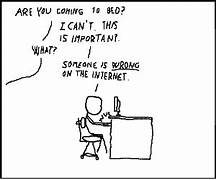
another from XKCD
All the Secrets of the Universe and Some Really Important Stuff Too!
Guest Contributor TomD’s Content
Feel free to comment with your own jokes.
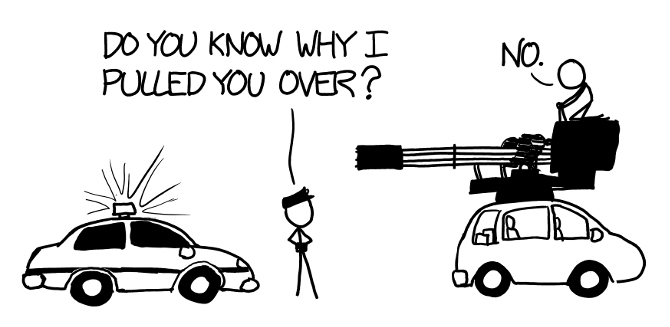
This is by XKCD, aka Randal Monroe, a PHD physicist, who used it in a whimsical study on the practicality of using the recoil from an A-10 30mm rotary cannon as a method of propulsion.
Feel free to comment with your own jokes.
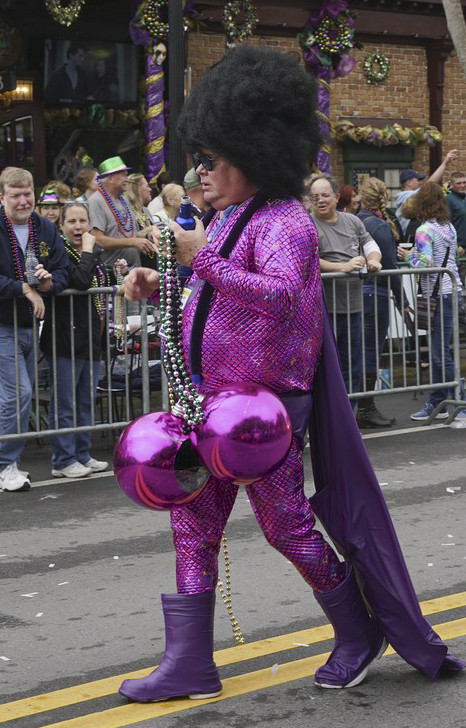
I took this shot at the Pensacola Mardi Gras. Not sure what to think or say about it other than to note I’m pretty sure I wouldn’t do that unless possessed by demons and maybe not even then.
Here’s a link to a youTube of a brother/sister duet that starts out normally enough but quickly evolves into something startlingly beautiful. Absolutely exceptional, to me anyway.
But I use a full desktop with pretty good speakers. Probably wouldn’t have the same effect on a phone.

The picture I posted is of an old late 70’s era lens for a film camera. It looks a little grungy but I haven’t touched it in well over 20 years.
This lens has a feature that all lenses had at the time but not any more and I don’t know why. It is called “depth of field preview”. This is set up at f4. See the 2nd ring out from the body? It has the straight vertical orange line with the little 4, 8, 11, 16 on each side of the vertical. Notice that the lens is now focused between 10 and infinity (meters). Now look down at the 4’s on each side of the orange vertical. They show that the camera will be focused from around 10 meters to infinity. That explains your shot above.
The DOF preview also tells you that if you were shooting f16, you would be focused from roughly 4 meters to infinity.
To this day I miss this feature. But I guess that it requires too much thinking (read any) for today’s public.
UPDATE:
I should mention that this camera is a Canon AE 1 from sometime in the late 70’s. It was an auto exposure (AE) but you still got to set ISO and shutter speed, and not to mention focus vis a split image distance finder.
(Quick historical aside: split image was the principle optical range finding method for most naval gunnery prior to radar. If you’ve ever seen the zagged warship camouflage paint schemes from WWI and up to mid-war WWII, the purpose was to defeat or eliminate the effectiveness of split image range finding. It gives you no clear planes to match up.)
I had a main camera before the AE1, a Nikon F1, a pure manual camera though it did include a “match needle” for setting shutter and f stop. Before match needles, we had to carry a light meter on a cord around our necks. Things were definitely manual but that meant that you had to have an understanding of all of the elements involved and how they related.
I learned to shoot with my Dad’s single shot 1934 depression era .22 bolt action. No magazine. In order to shoot, you had to, open the bolt, take a single .22 round, insert it in the chamber. close the bolt, pull back the firing pin, aim and fire. Just like having to set all the elements of a photograph, this little production meant that the shooter had no instant backup and had to think about about what he was doing, and understand.
I remember trying to teach my stepson how to shoot with a Ruger 10-22, an autoloader. The 1 lesson was a disaster. With all the easy backup rounds, he had no motivation to absorb the elements that go into a successful shot and just start spraying to little effect. All further lessons until he was a fundamental shooter were with Dad’s old Winchester single shot. Or as I was later pounded into us in the Marine Corp, “sight alignment, trigger squeeze”. I already knew but I did qualify Expert using a M14.
Successful photography is a balancing lesson between a number of variables. Until you learn those variables, one by one and how they interrelate——–
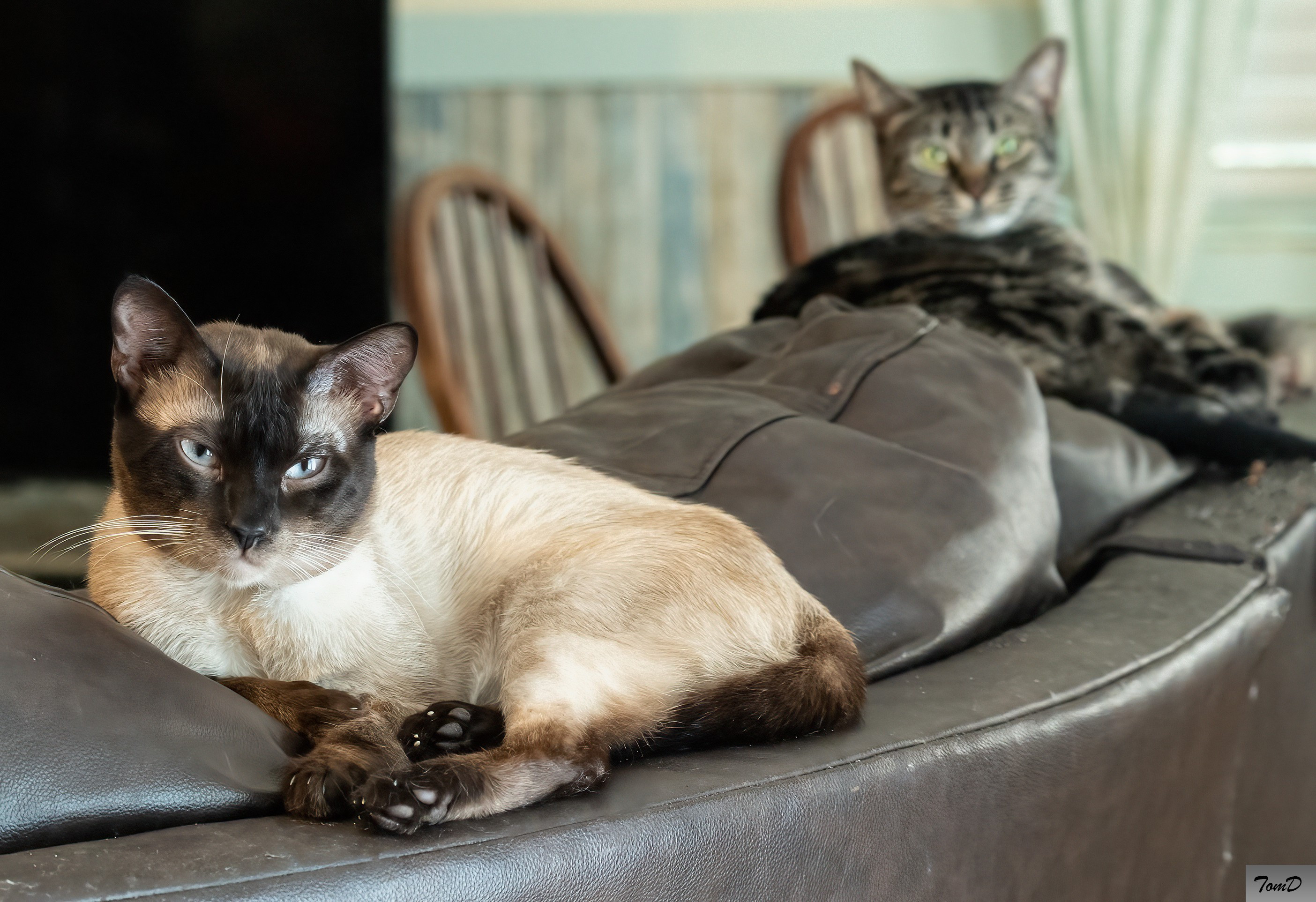
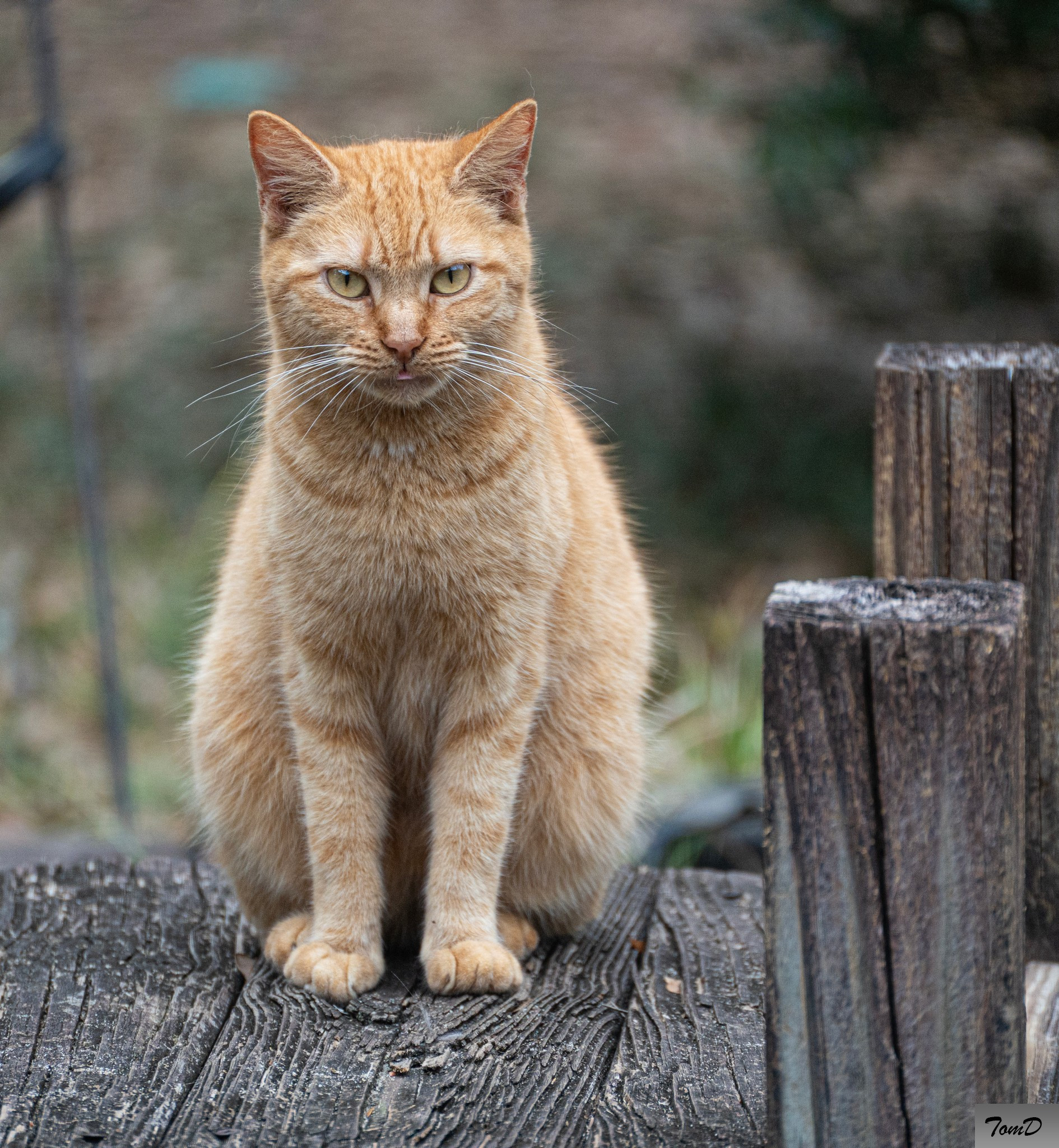
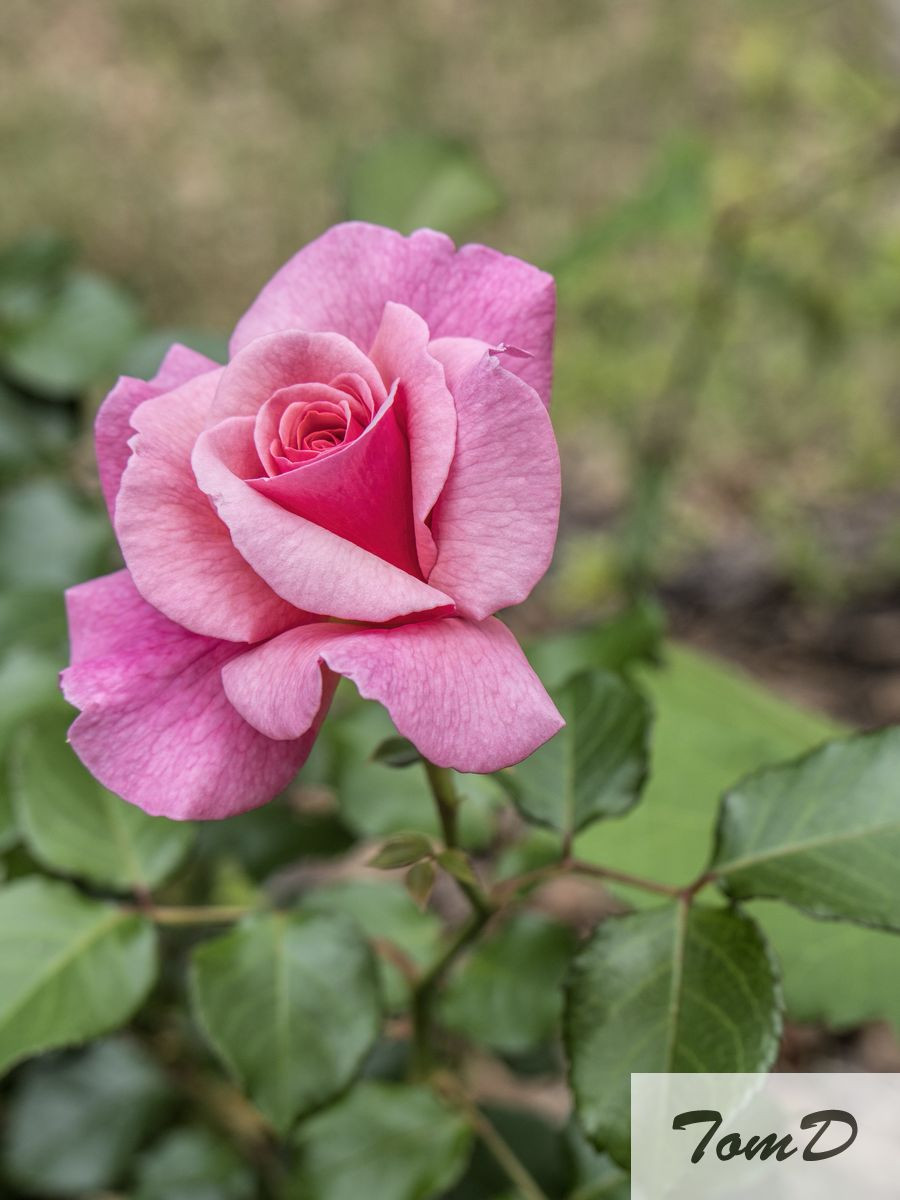
If you’ve ever been into cameras you’ll notice occasional affinity between a particular camera and lens combo. One such pairing is my #2 camera, a Sony a7IV, a Tamron 70-300 f5.6 zoom. The shots are crystal clear, the colors vibrant and a nice smooth bokeh (the out of focus area). The lens isn’t expensive as things go these days but I consistently get great results.