Tom’s World – 25SEP2024 – Museum Aircraft – 3

Tom | Flickr

TomD

Aircraft Museum WWII Naval Aircraft

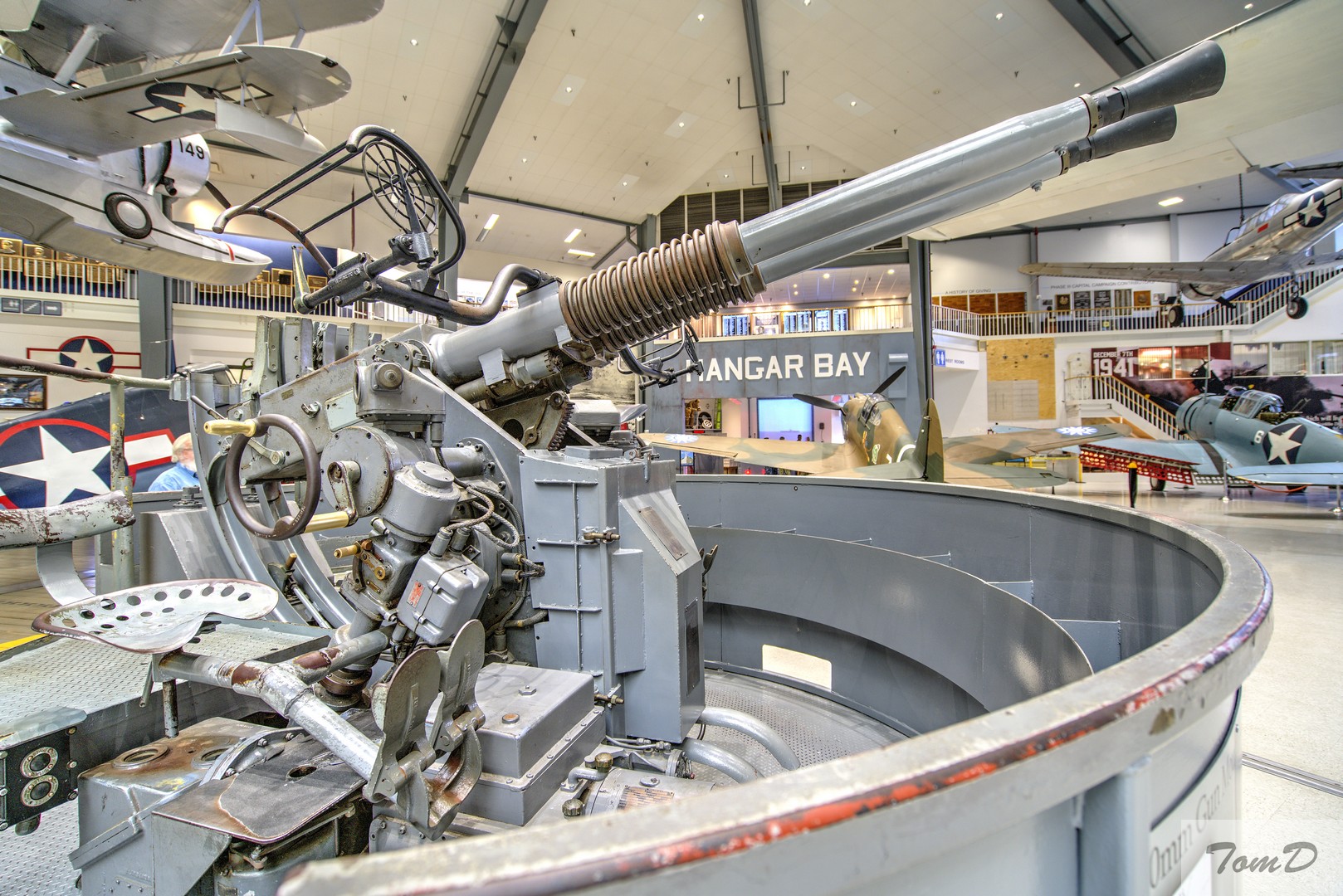
40 MM Bofors, The 40 MM Bofors was, along with the 5′  38 caliber cannon,  were the centerpieces of the most effective anti-aircraft systems the world has ever seen to that point. It was widely used, interestingly, also by Germany and, to a lesser extent, Japan during the war. Several years ago, I was climbing around the interior of a C130 gunship and came upon what looked to be a Bofors. Talking to a crewman, he confirmed it was indeed a WWII era manufactured piece stripped from surplus ships and stored. The US made around 60,000 of them. They are still using WWII surplus ammo. I figured why not since the Gunships are also using 105 mm howitzers from the Viet Nam era.


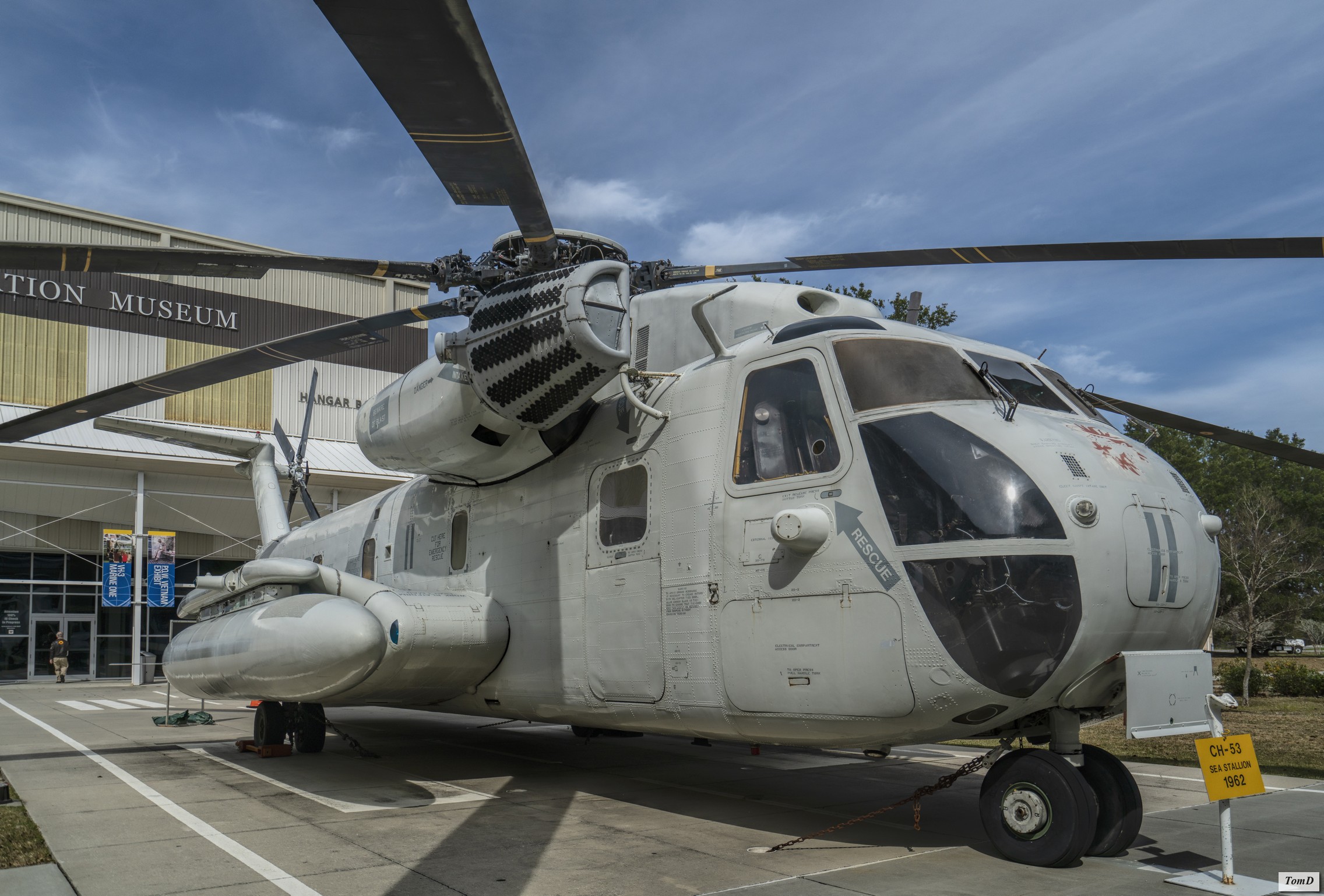
A CH53 Sea Stallion helicopter. My brother-in-law flew these for the Navy back when.


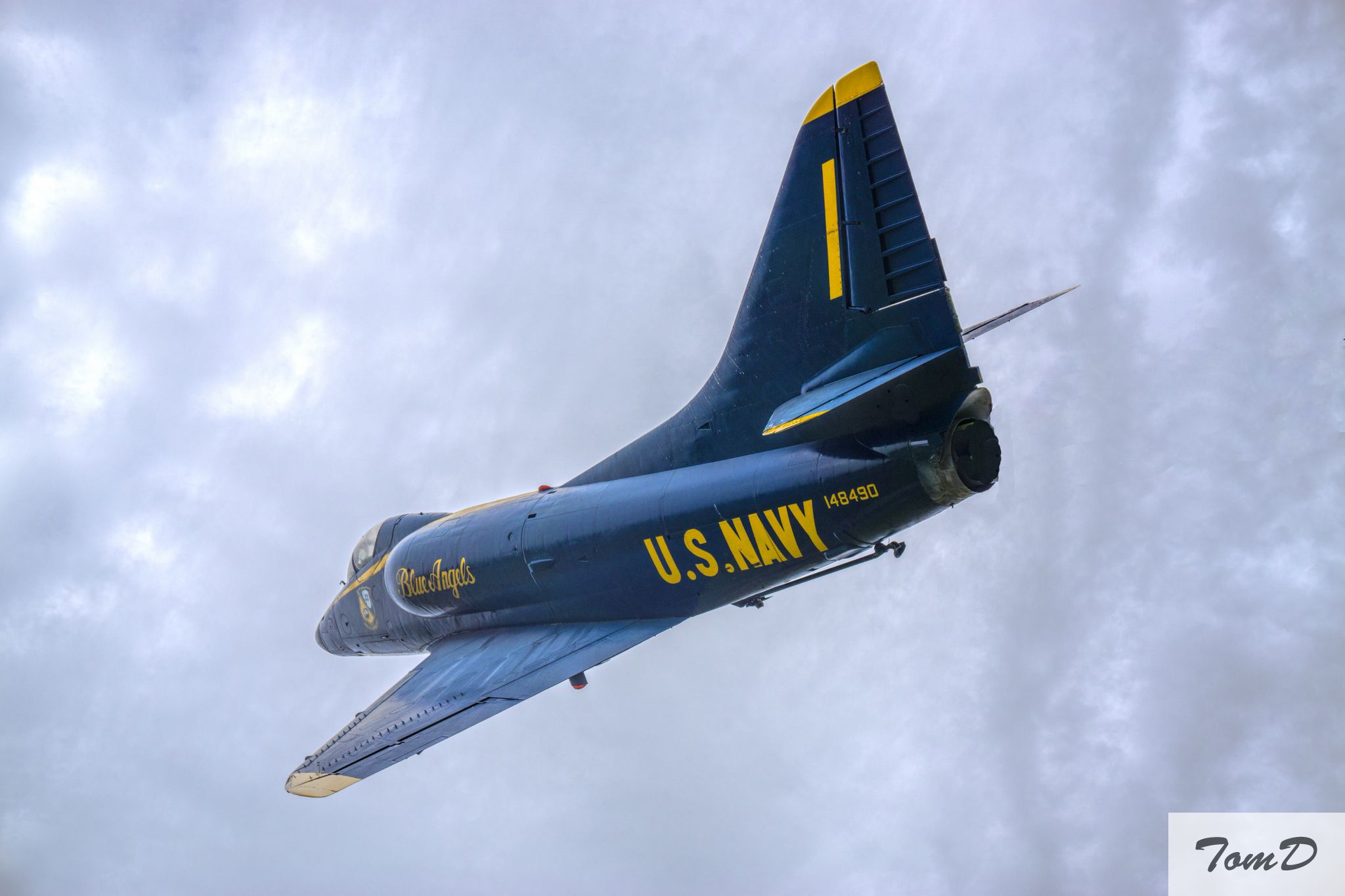
This is a shot of an A-4 Skyhawk in Blue Angels coloration. If I could have a flyable aircraft from the early jet era, an A-4 would definitely be on the short list. They were the sports cars, nimble, quick, almost the opposite of the heavy and ponderous (but fast) F-4’s of the time.


A post WWII British Sea Fury at an air show.

SONY DSC


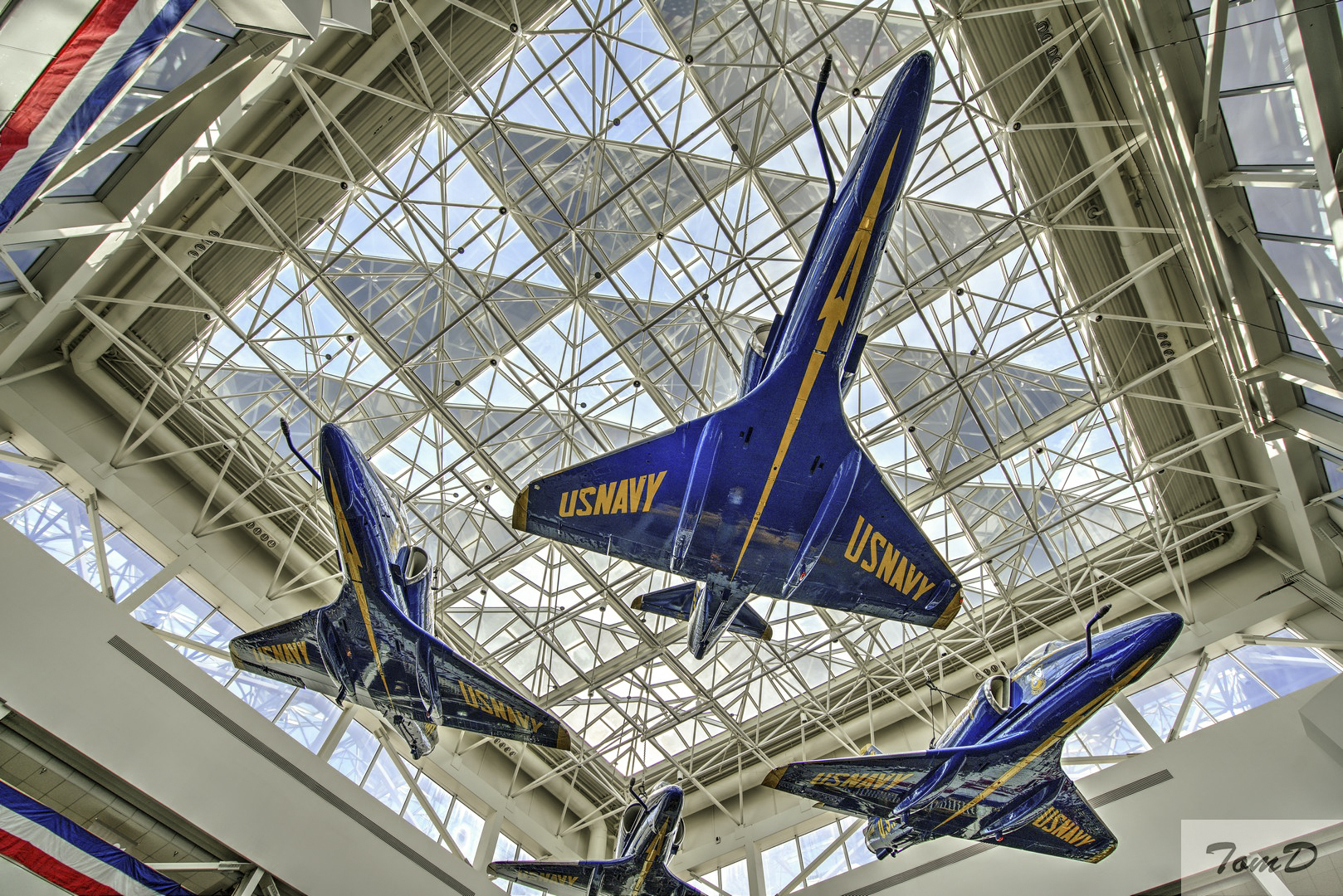
The atrium for the US Naval Air Museum; 4- A-4’s suspended from the ceiling in formation. It’s pretty spectacular in person.

Tom’s World – 09SEP2024 – Museum Aircraft – 1

Tom’s World – 18SEP2024 – Museum Aircraft – 2

Tom’s World – 18SEP2024 – Museum Aircraft – 2

Tom | Flickr

TomD

Aircraft Museum WWII Naval Aircraft


Catalina- This aircraft was not glamorous and so, doesn’t figure into the war stories of WWII but it was probably one of the most important aircraft from the Pacific theater. It was commonly used as a scout and rescue aircraft and was the one that initially reported the location of the Japanese fleet prior to the Battle of Midway.
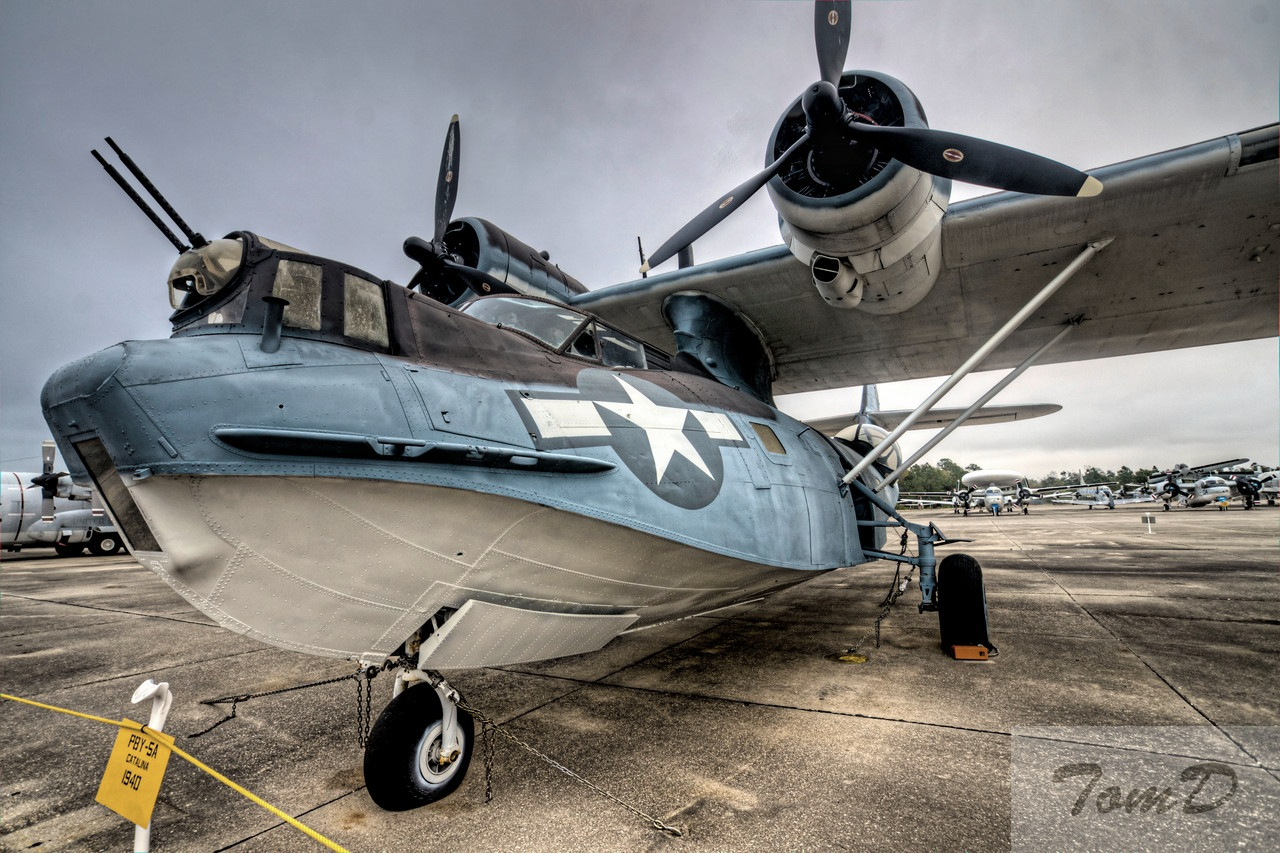
 

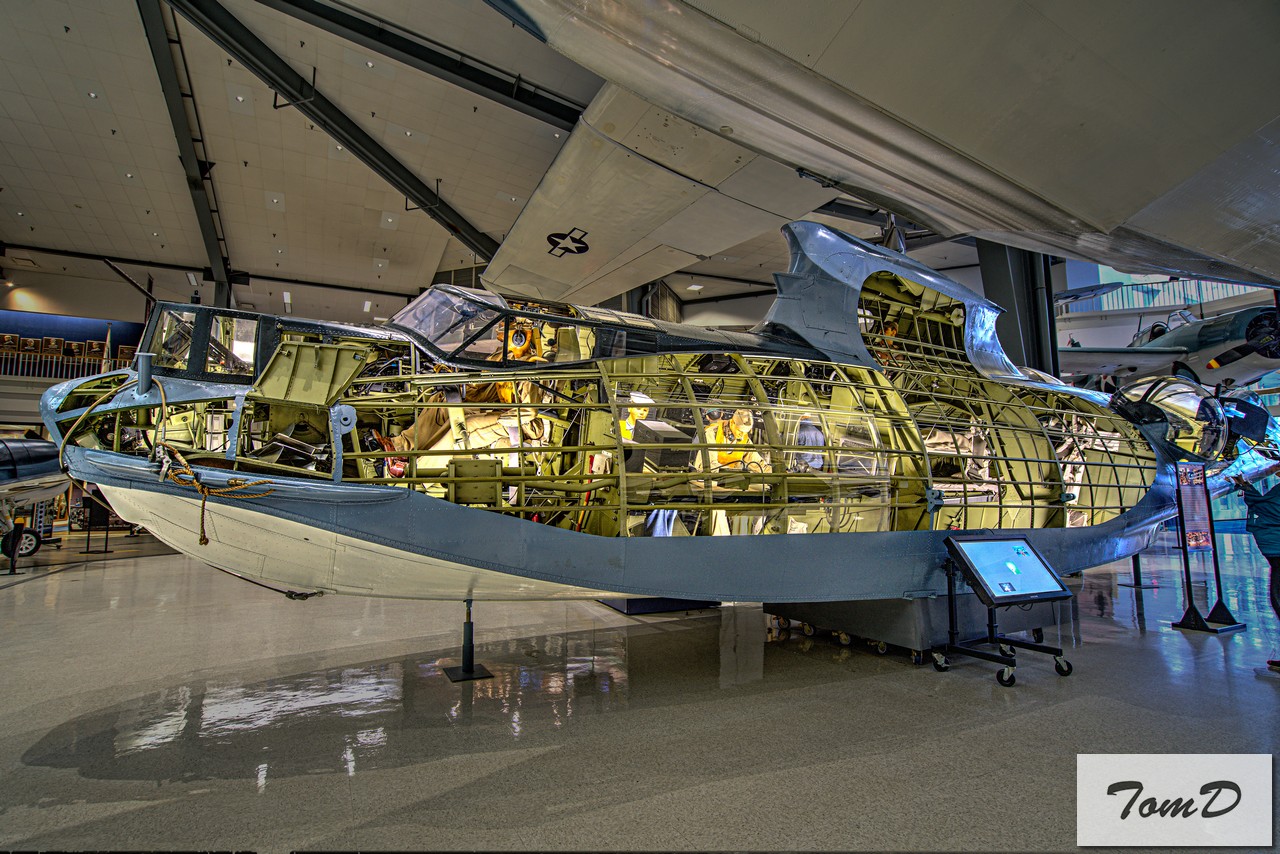
NAS Pensacola was the location from which all Catalina initial training was conducted. This is an actual Catalina modified to be a WWII training aid showing typical activities on the seaplane.
 

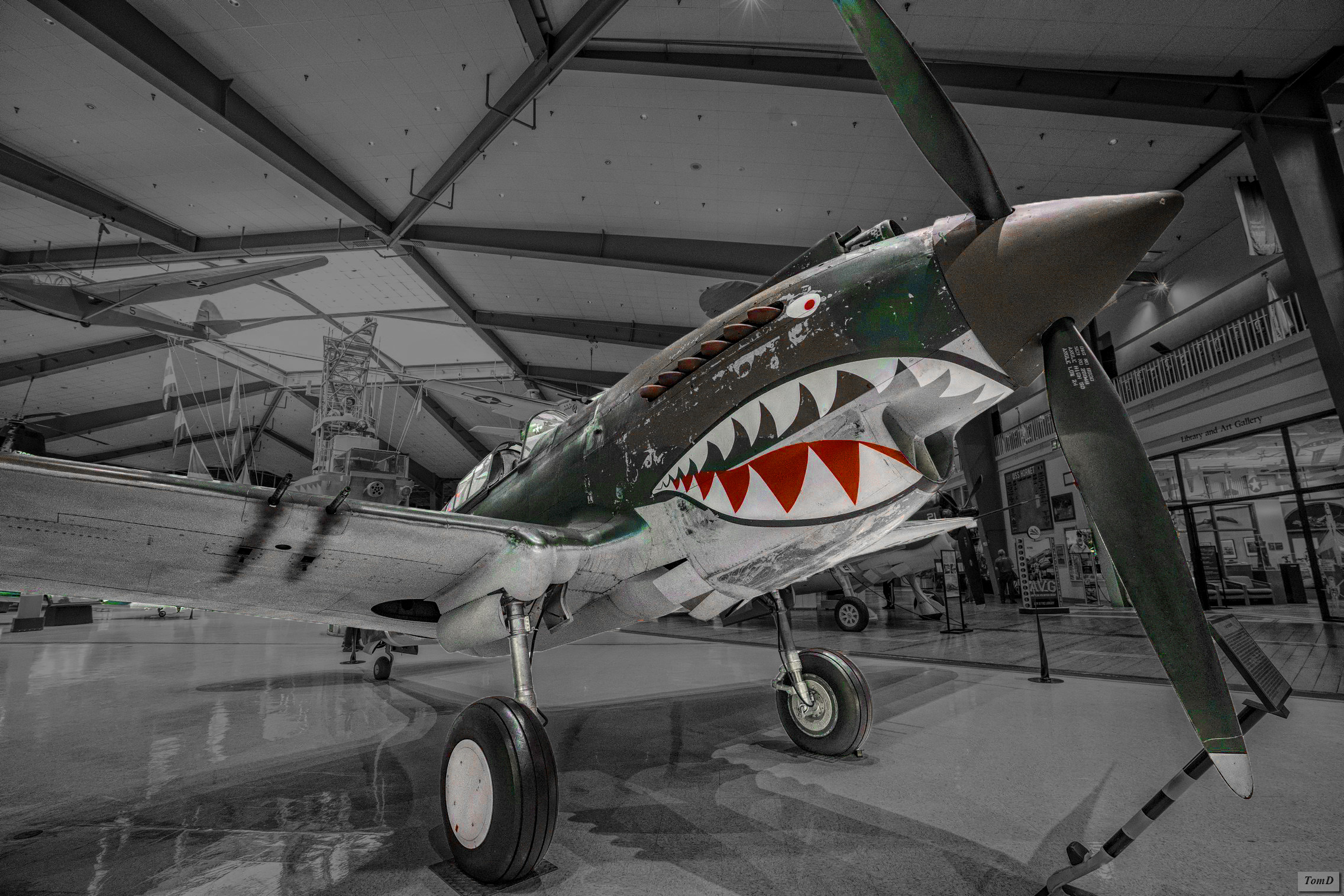
Army P40. P40’s were US Army frontline aircraft introduced in 1938 but were pretty much outclassed by the Mitsubishi Zero but nonetheless had a successful record against other Japanese types in the Flying Tigers prior to the US entry into WWII.
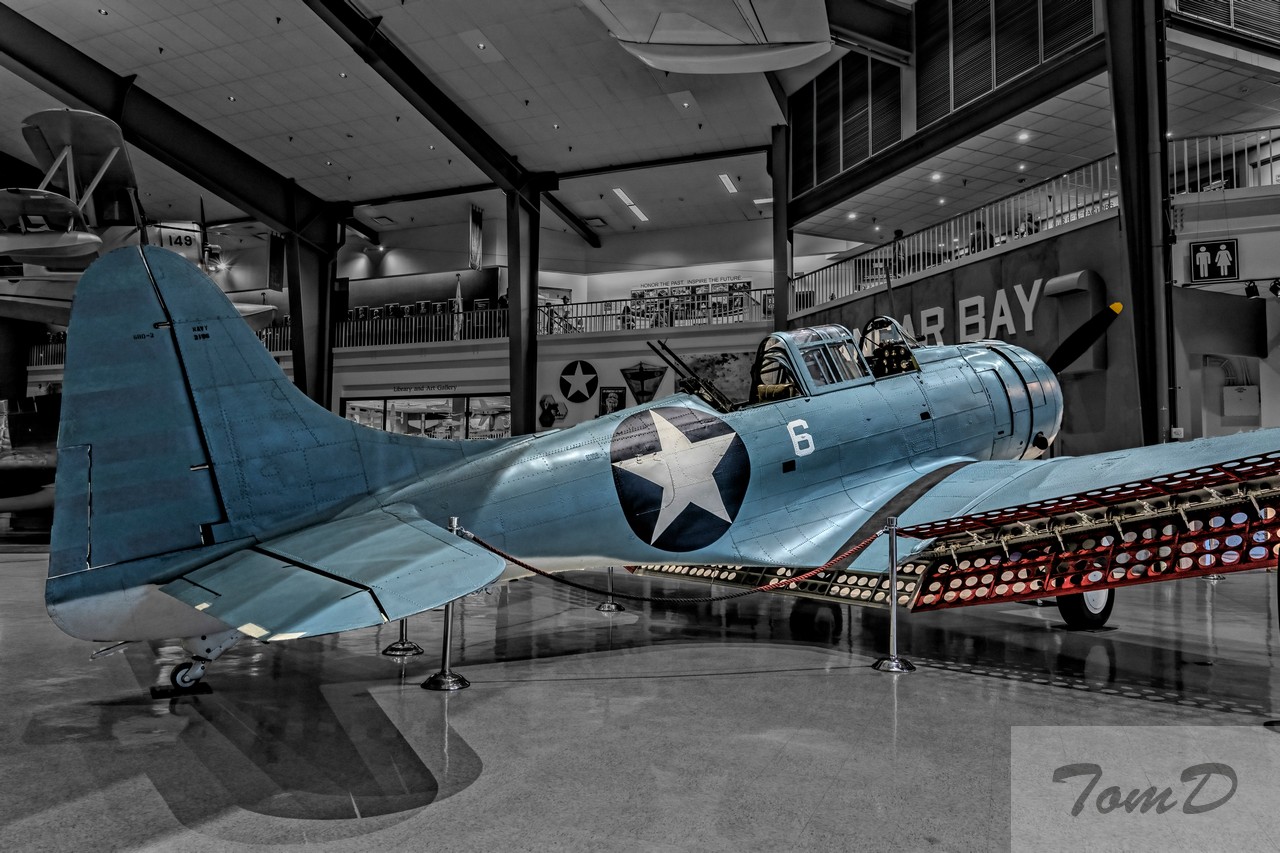
Battle of Midway: to anybody with even a passing awareness of the Pacific Theatre of the war knows of the central importance of the June 1942 battle of Midway in which the US sank 3 Japanese aircraft carriers in about 15 minutes and a 4th several hours later.  Such a decisive victory was to leave the Japanese trying to catch up for the remainder of the war. Though things were pretty tough later that year in the 5 Guadalcanal battles that created the Iron Bottom Sound populated chiefly but not exclusively by US ships. Things were pretty desperate for the first 1-1/2 years of the war.


This beautifully restored Douglas SBD, the type that actually sank the carriers, is the last aircraft remaining on earth that took part in the battle. Sometime after the battle, it was declared to be worn out and sent to the US as a training aircraft where some trainee Ensign missed an approach to a training carrier in Lake Michigan. The plane stayed at the bottom of the lake for 50 years until it was retrieved and restored to this condition.
 

F4U- This famous aircraft probably doesn’t need an intro. Upon its initial intro, the F4U Corsair was considered to be too dangerous and unsuitable for carrier operation because of its essentially zero forward visibility when on carrier approach. Until the British showed to Americans how to do it, the Corsair was limited to ground based Marine Corps usage. The Corsair racked up an incredible kill/loss ratio but it probably was helped by the fact that the Japanese had no means of effective pilot training to replace their losses later in the war. Unlike the US, they left their experienced pilots in the fight until they were killed, losing all of that experience.

The Corsair remained in production longer than any other US fighter and was still in  frontline use in some air forces well into the 50’s and the jet age.

In the foreground is a Pratt and Whitney R-2800, a motor that put out as much as 2800 HP in some late war versions and was used in so many US aircraft that I’d have to research to list them all.
 

Guest Contributor – Ed Brault – 15SEP2024 – Known Space

You might try fitting your story into Larry Niven’s Known-Space/Man-Kzin Wars Universe. Since Niven allowed other writers access to what is now a shared universe, over 15 books of short stories, novelettes, novellas and novels have been written by numerous authors. The Tech timeline goes from 19th Century India, through the age of fusion reaction drives, Bussard Ramjets, and the 3-days per lightyear Hyperdrive. You could set your story in any period along more that 1000 years of technology. The Kzinti Occupation years on Wunderland are ripe for Resistance stories, as are the post-liberation years of political upheaval as surviving working-class colonists try to overthrow the semi-aristocratic Herrenmen who are descended from the original Fifteen Families in the first colony ships, who claimed all the good farmland, industrial concerns, and control of the government.

Known Space – Wikipedia

Tom’s World – 09SEP2024 – Museum Aircraft – 1

Tom | Flickr

TomD

Tired of statues and would like to jump to another topic: museum aircraft

Most, but not all, of these shots were taken at the US Naval Air Museum, on board NAS Pensacola. I’ve been to the Smithsonian, Wright Patterson and scores of lesser museums but this museum is right at the top, world wide. The Blue Angels are based out of Pensacola, so you’ll see a lot of that. The Naval Museum concentrates on Naval stuff as you may suspect but there’s other noteworthy stuff there too, like a Messerschmitt Me 262 one of the very, very few still in existence. The ME 262 was the first ever jet to be used in combat.


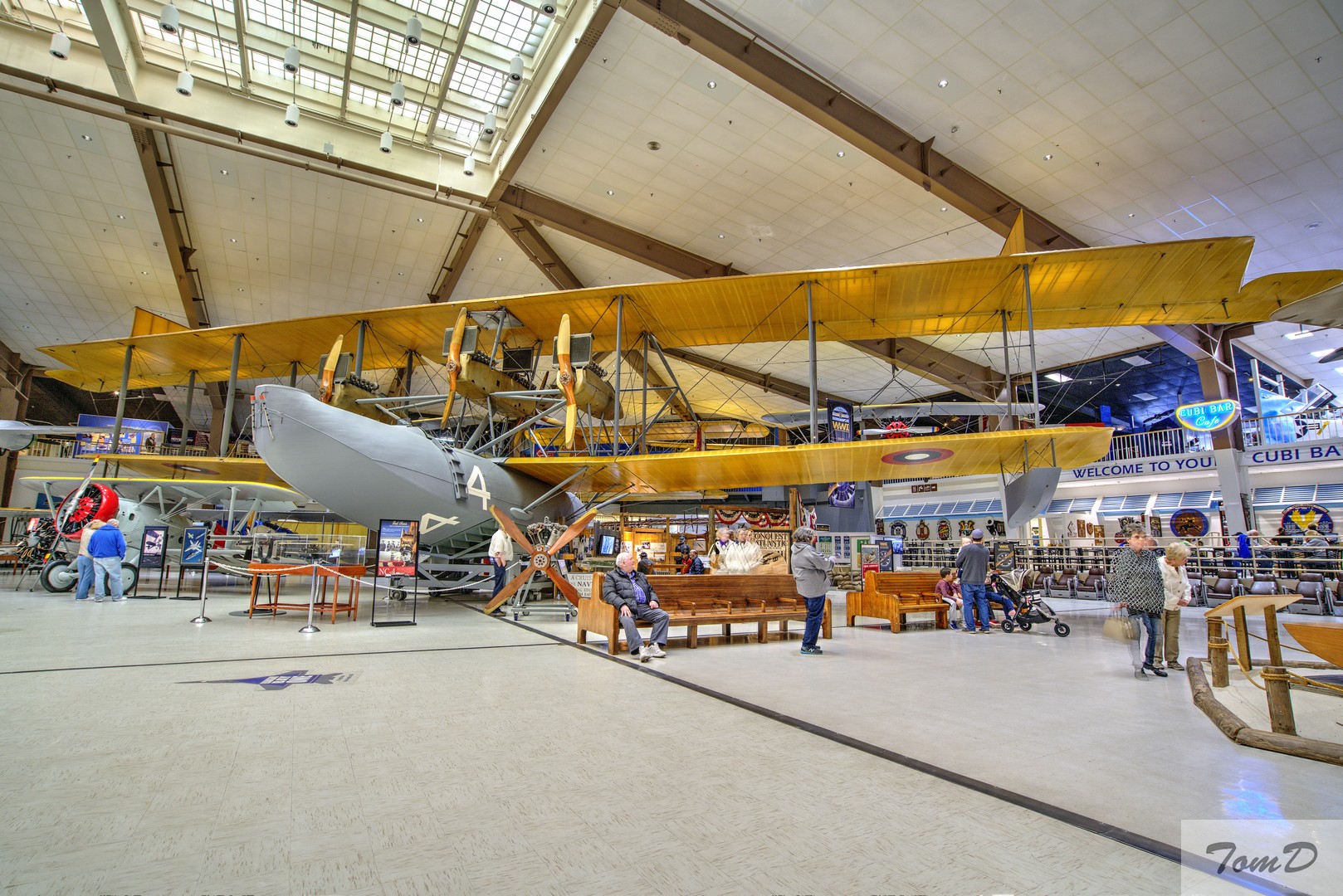
This Navy NC-4 was the first aircraft to cross the Atlantic. Unlike Lindberg, it wasn’t solo and it wasn’t non stop. But it was in 1919 when most aircraft had max ranges in the hundred mile range or so. This by the way, the actual aircraft, not just the aircraft type. Talk about a beautiful restoration.

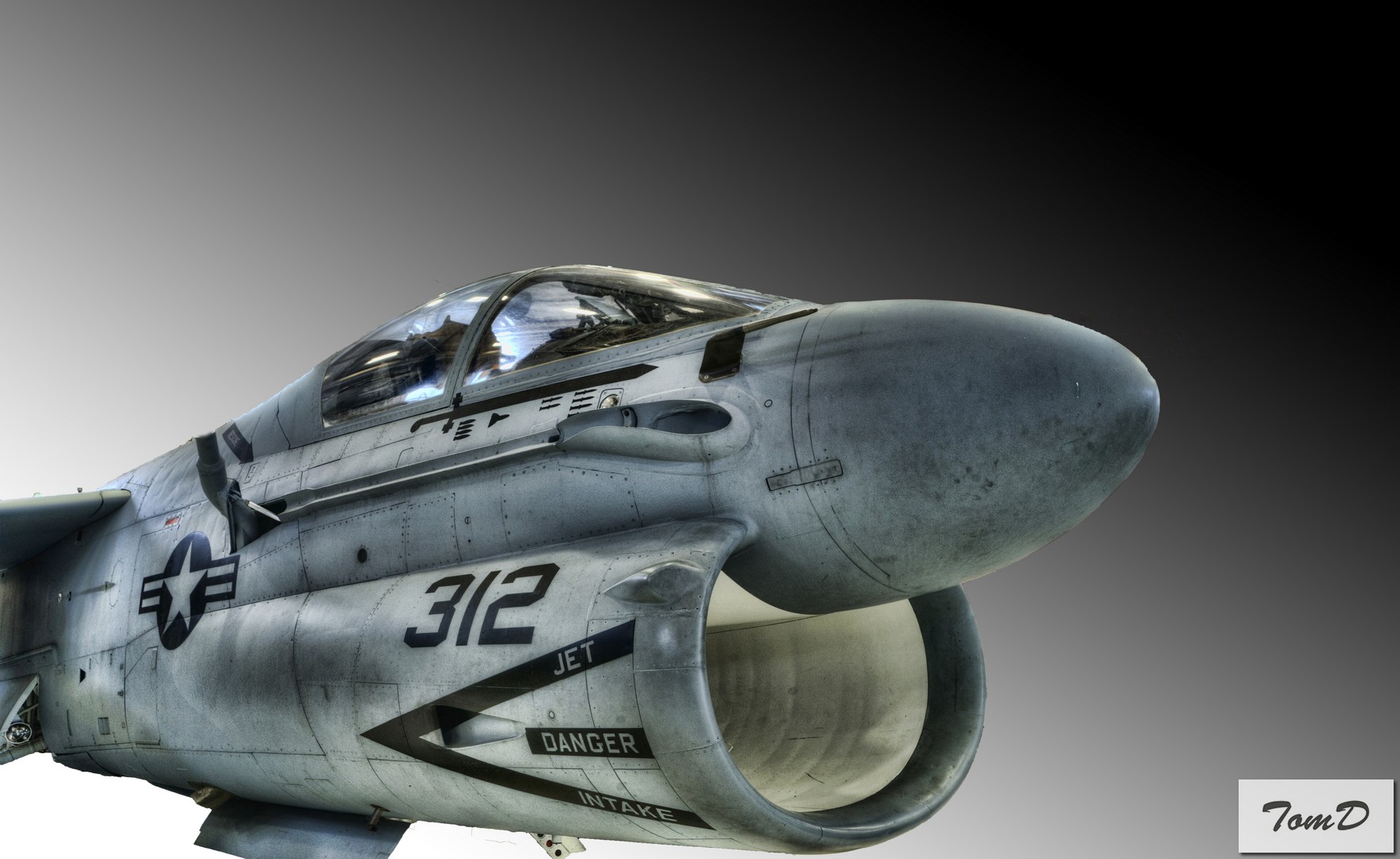
Corsair: The museum tends to be crowded with stuff just everywhere competing for visual attention. I shot this picture and was looking at it wondering what could be done with it and somehow ended up here.

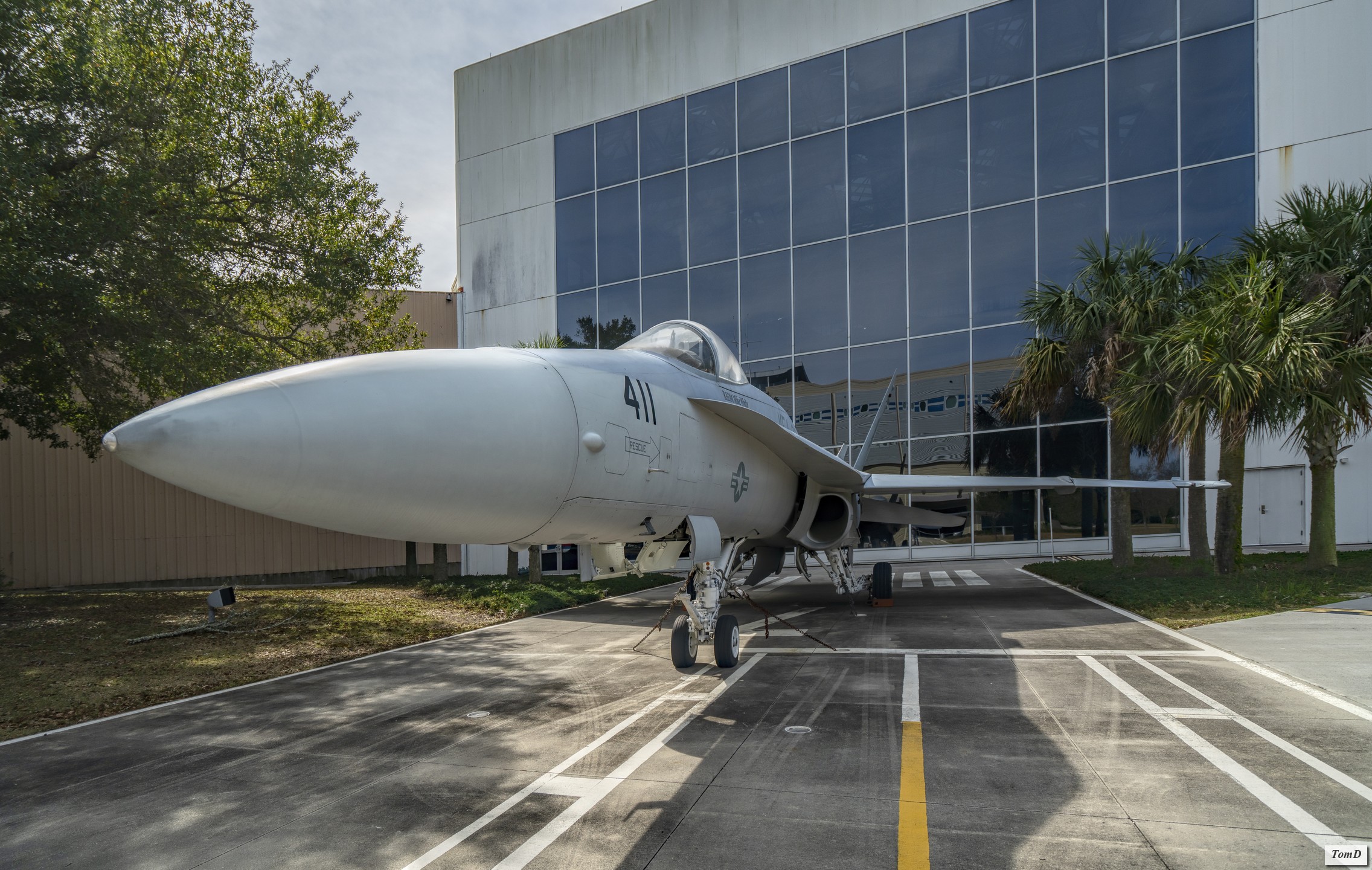
An F18 outside one of the museum buildings.

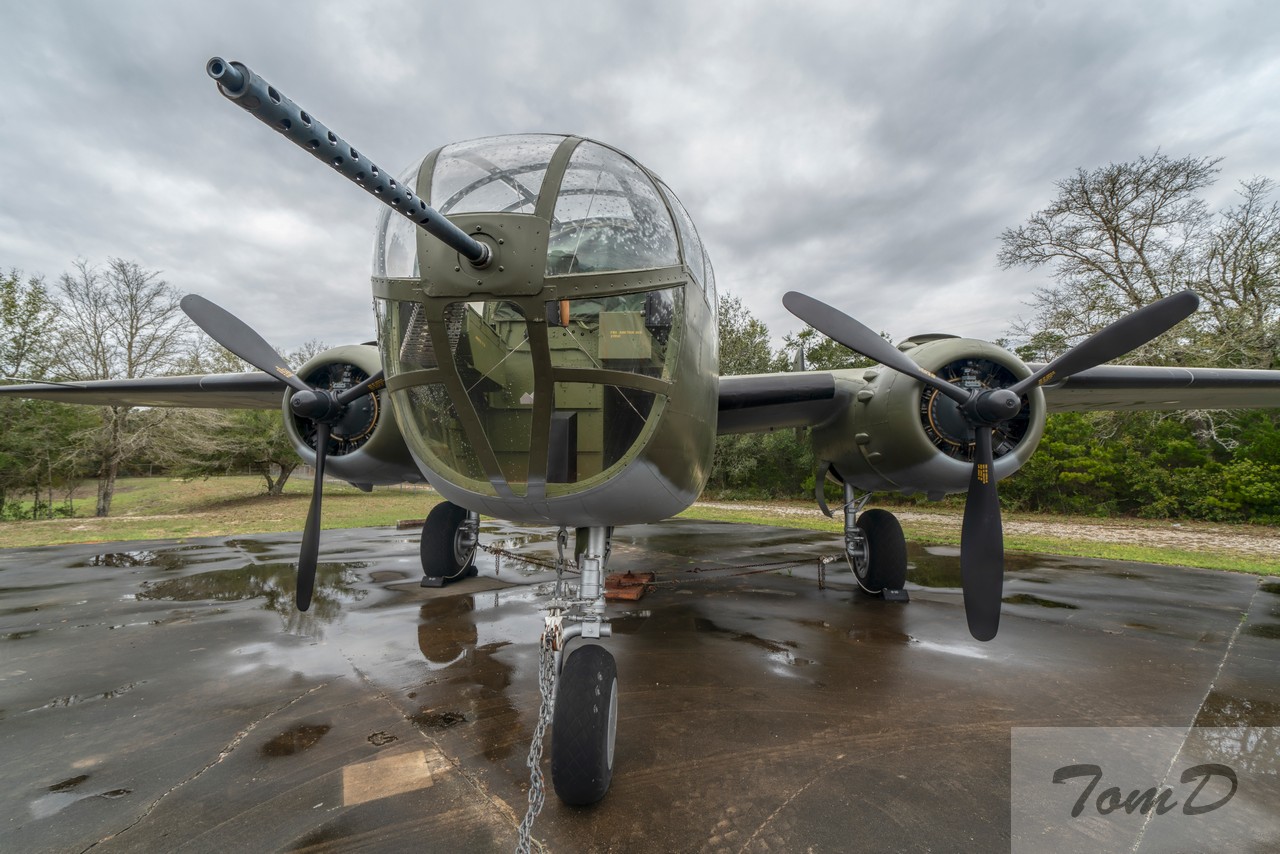
00683: A B25 Mitchell bomber. This was principally an Army aircraft but the B25 won fame in early 1942 when the famous raid on Tokyo was launched from the aircraft carrier USS Hornet.

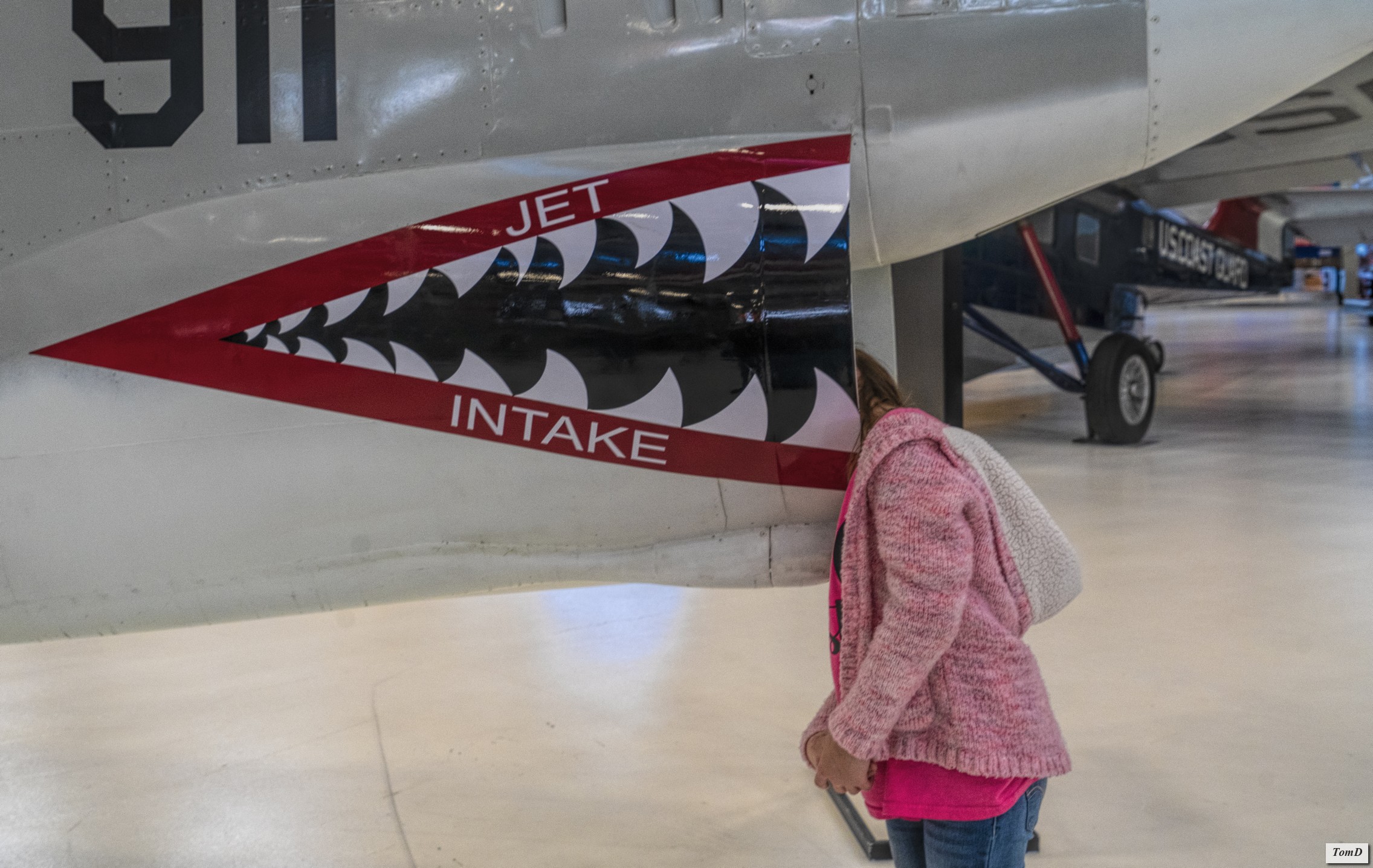
A little humorsep

Guest Contributor – War Pig – 10SEP2024 – California


war pig

Dad was s big name at North American Aviation, then Rockwell/Rocketdyne. He actually touched things that went in orbit in the space program. I have a ring the factory made for important people at Rocketdyne. It was made from a crazy, missile nose cone titanium alloy. Like tungsten carbide, it took diamonds to cut it. It had been tempered in the hellfire of reentry and was light yet incredibly string. We lived in places like Simi Valley, Canoga Park and then up in the Thousand Oaks area. Mom shopped at the then amazing Topanga Plaza. We went ice skating indoors. We’d go up Mt Baldy in the morning to play in the snow, then in the late afternoon, we swam and surfed at the public beaches. It was the days of Wolfman Jack, Dragnet and Adam-12. It was also the days of the Watts riots, but as my heritage is divided between Caucasian and Native American, neither side had an issue with me. Mexican, Black and White kids got on amazingly well in school. Drugs were just beginning to be a problem. Living was large and life was good. We were solidly ahead of the Russkies in the space race. American technocracy led the world. We were winning battles in Vietnam (only to be betrayed by politicians later). Overall, it was a magical time.

Guest Contributor – War Pig – 09SEP2024 – Finding Significance Redux


war pig

One of my favorites is Ahab’s soliloquy spoken by Gregoey Peck on the bridge of the Pequod.

I do not have the funds to make great changes. No political power, no influence except among family who respect my opinions. I believe there is too much money In politics already, so I do not contribute to political parties or candidates except for a cousin of mine who is a county trustee.

Instead, I offer the party or candidate something totally above price. My vote. It cannot be bought as I would not sell it for millions, therefore it is beyond value. I earned my franchise through blood, sweat and pain. It is priceless to me.

As for social media, I eschew it. My private life is mine and I do not care to share it with strangers. I also do not care about their lives so no reason to join social media. I don’t want to see pictures of their restaurant meals, etc. I find no attraction in trying to gain approval from strangers by amassing likes. There are a few for whom I care about their opinions. Mostly my close relatives and a very few brothers in arms.

We really need to lower our population back down to about 150 million. We’re beginning to act like an experimental overcrowded rat colony.

Tom’s World – 28AUG2024 – Statues – 5

Tom | Flickr

TomD


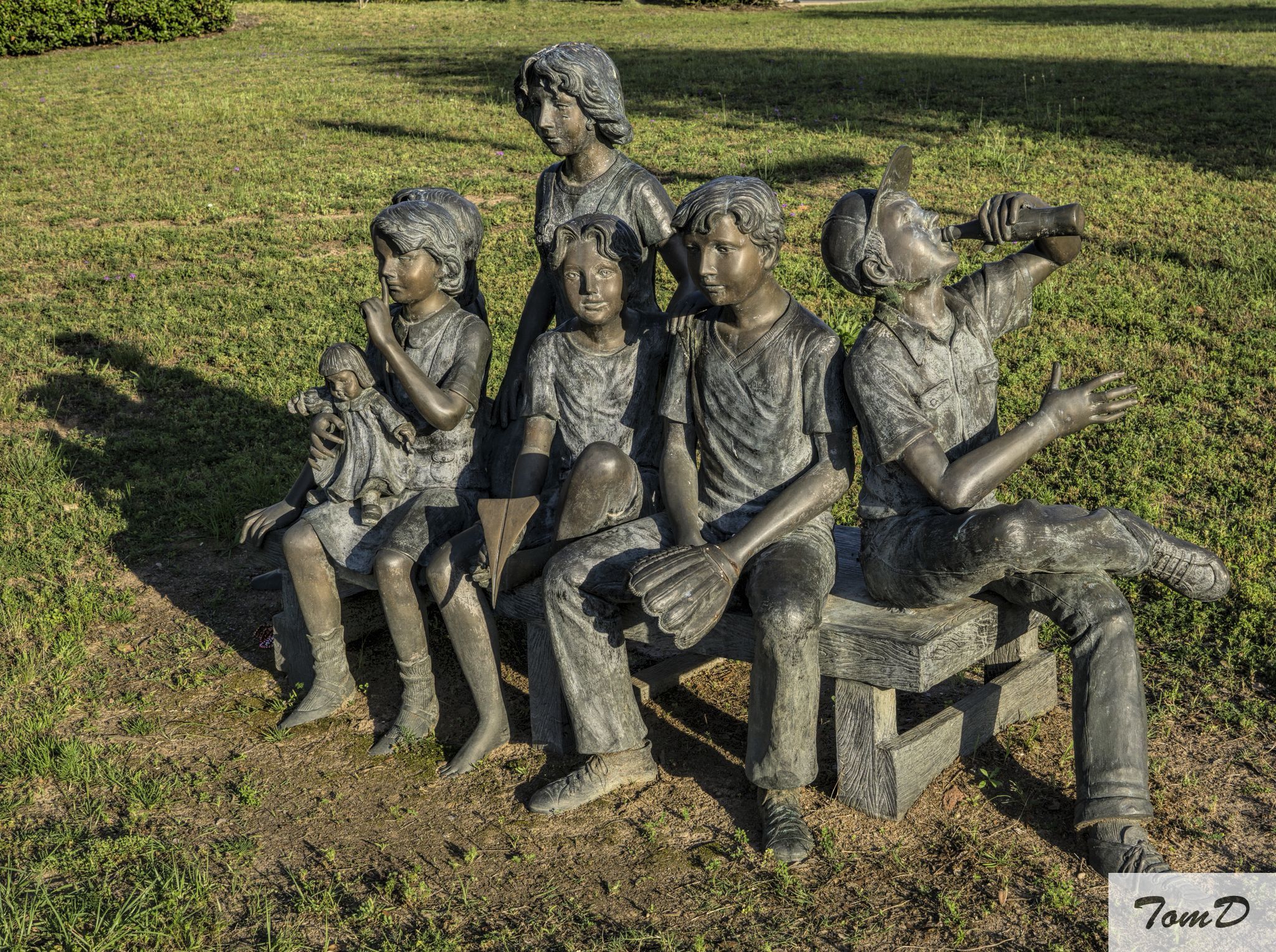
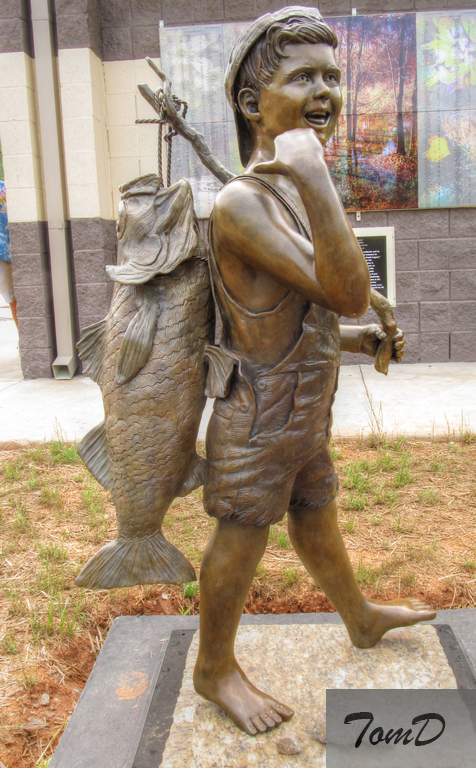
I don’t know the story of this group of statues except that they depict typical young people from an earlier era and are located in the common area of a downtown Pensacola residential area.


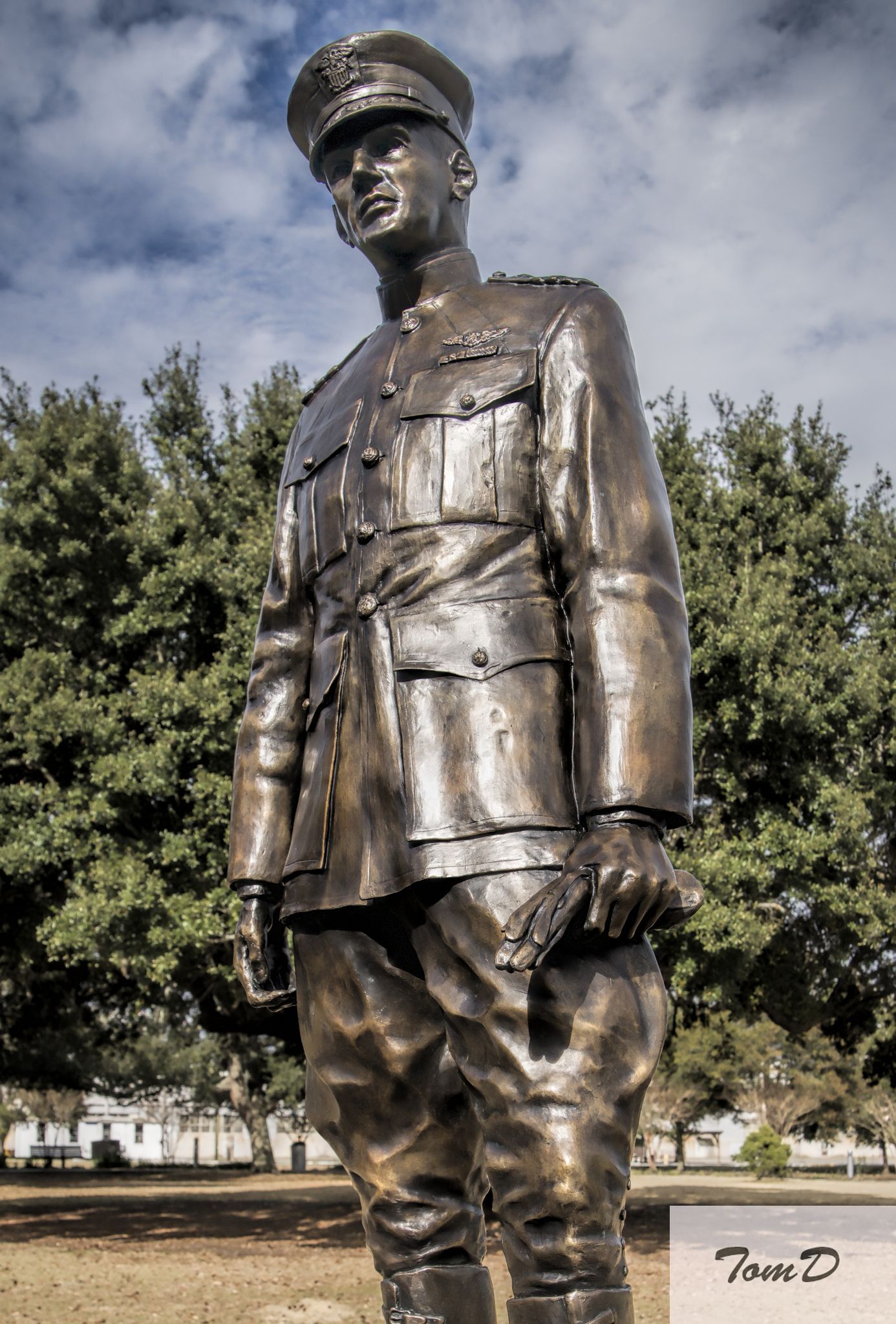
Admiral John Towers, Naval Aviator number 3. In 1914, then Lt. Towers was ordered to Pensacola to create the first training program for Naval Aviators.

SONY DSC


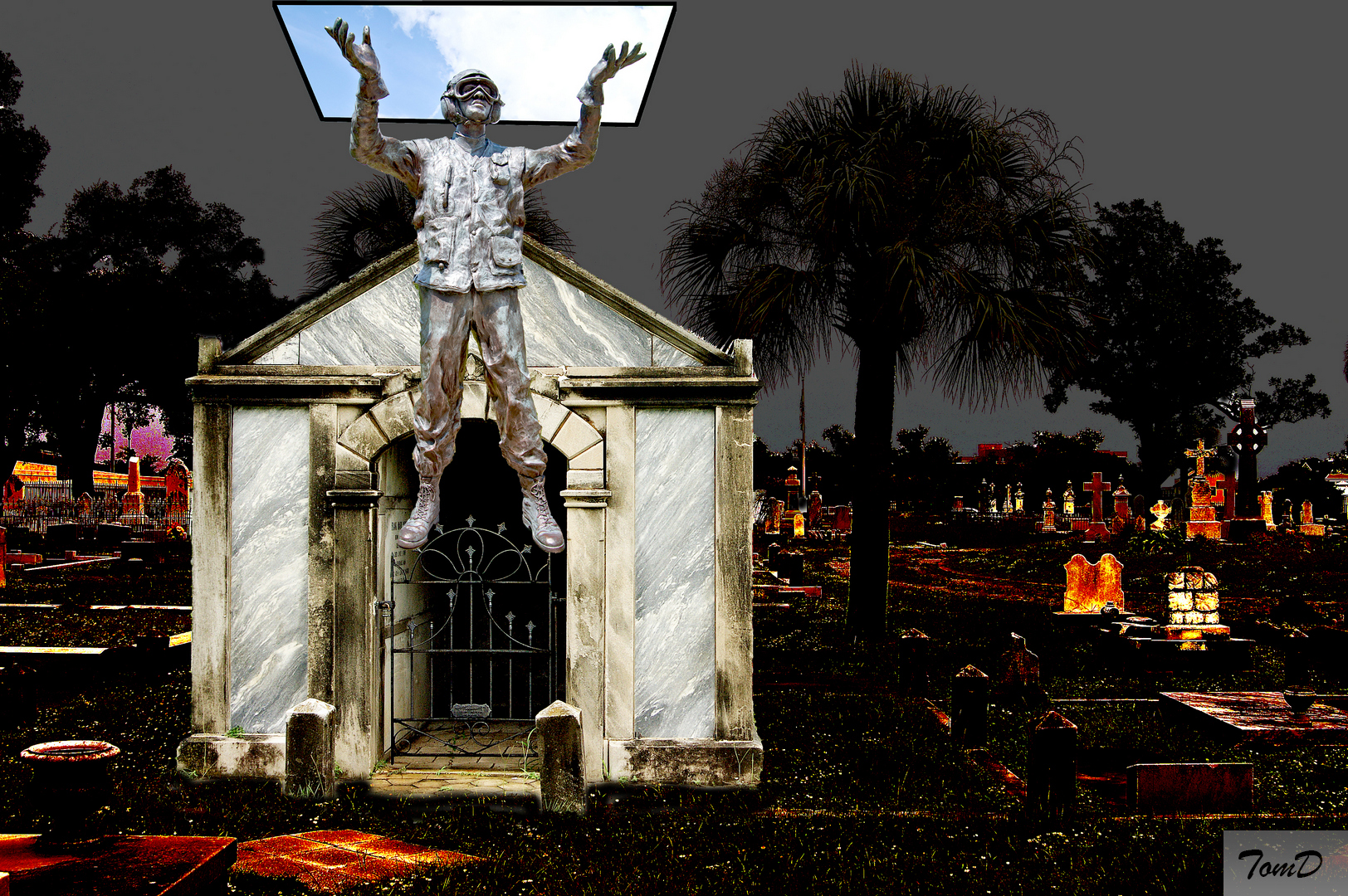
Obviously a Photoshop composite. This combines heavily modified elements of a bronze statue from the US Naval Air Museum and a scene from St. Michael’s Cemetery in Pensacola. St. Michaels contains graves from the 1700’s when Florida was a Spanish colony.

SONY DSC


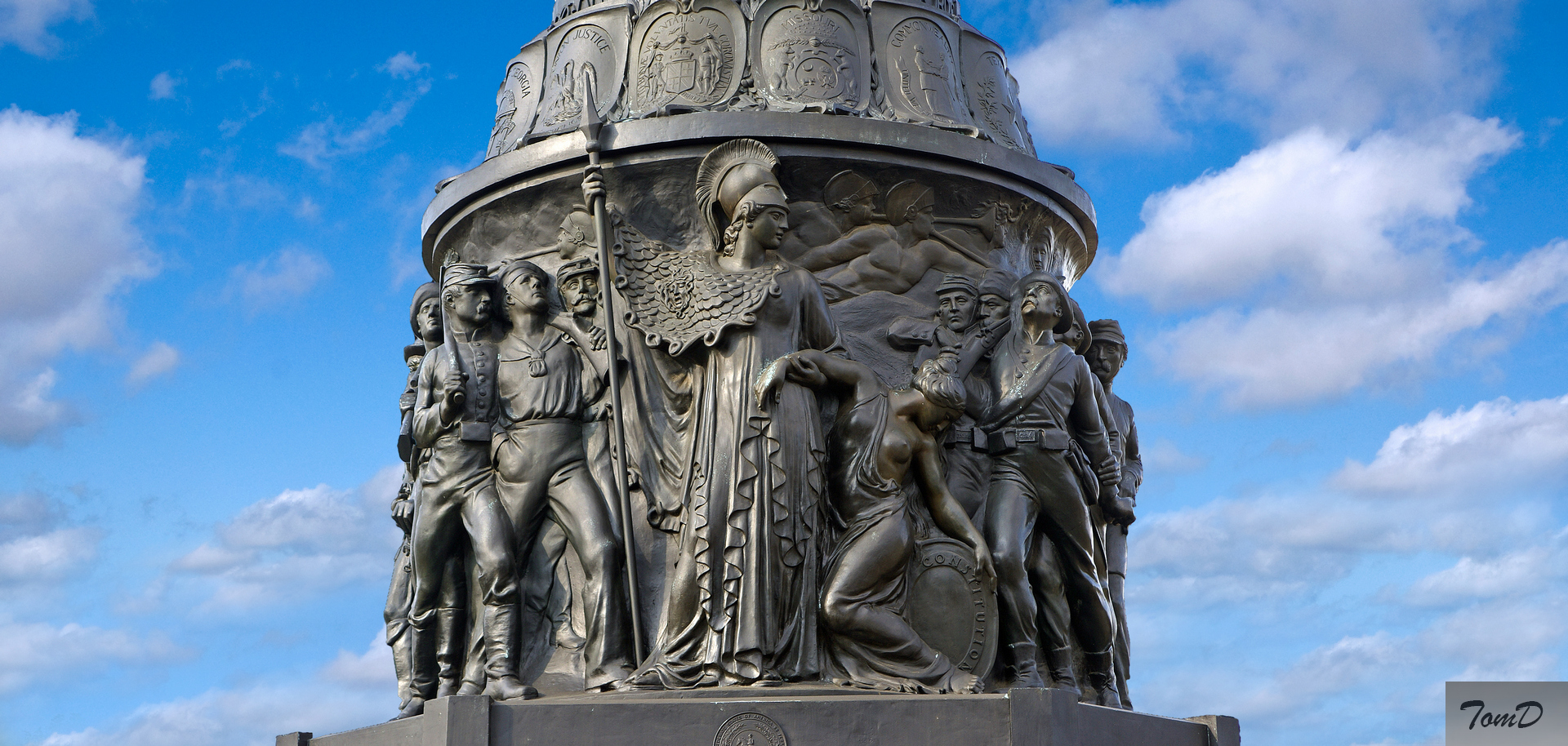
Closeup of the Confederate Memorial Monument located in Arlington National Cemetery. I recently read that the storm clouds were gathering around this monument for it’s removal as, I suppose, a National disgrace.

Tom’s World – 28AUG2024 – Statues – 4

Tom | Flickr

TomD

Taken on a drizzly early spring day in Atlanta’s Westview Cemetery. This cemetery along with Oakland Cemetery about 3 miles east combined have so many fantastic photo subjects as to be a visual banquet. I can (and have) spent cumulative weeks just trying to see everything.

SONY DSC


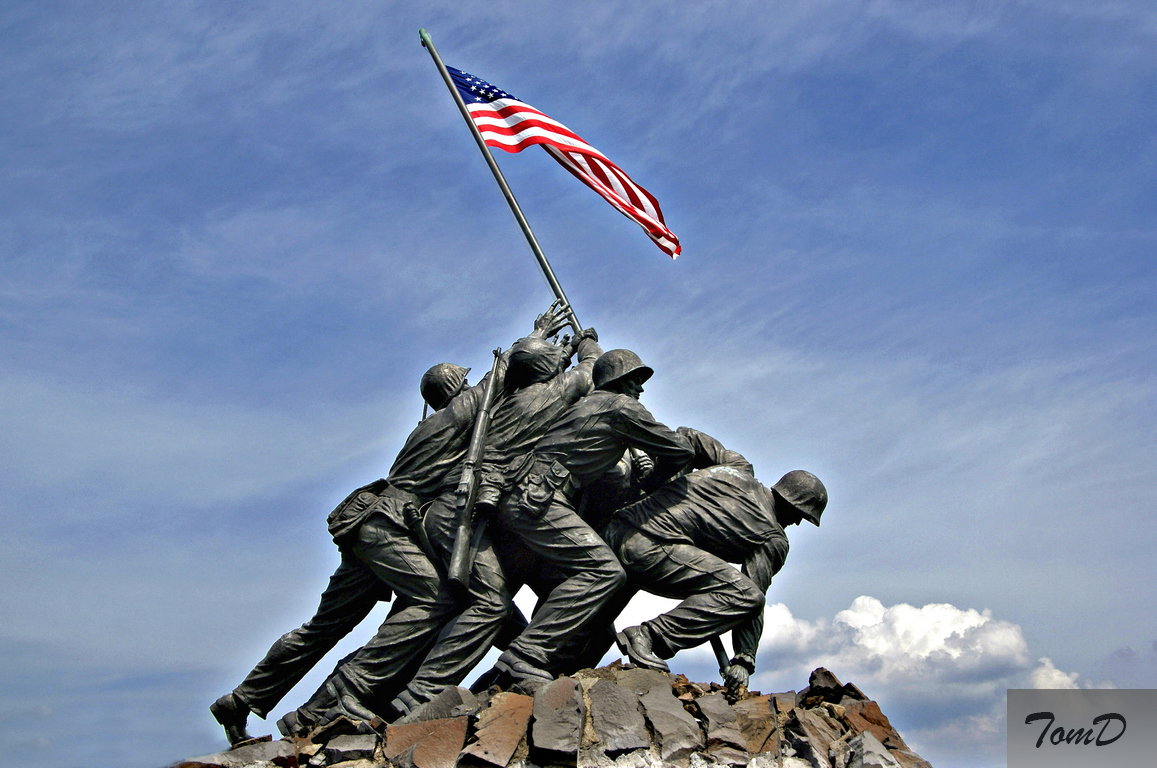
No intro necessary for this one except it’s the real one. I get up the DC area every few years to visit my parents grave sites in Arlington Nation and took this on one of the trips.

SONY DSC


This amusing statue is located at the terminus of a bicycle trail in Alpharetta, Ga.


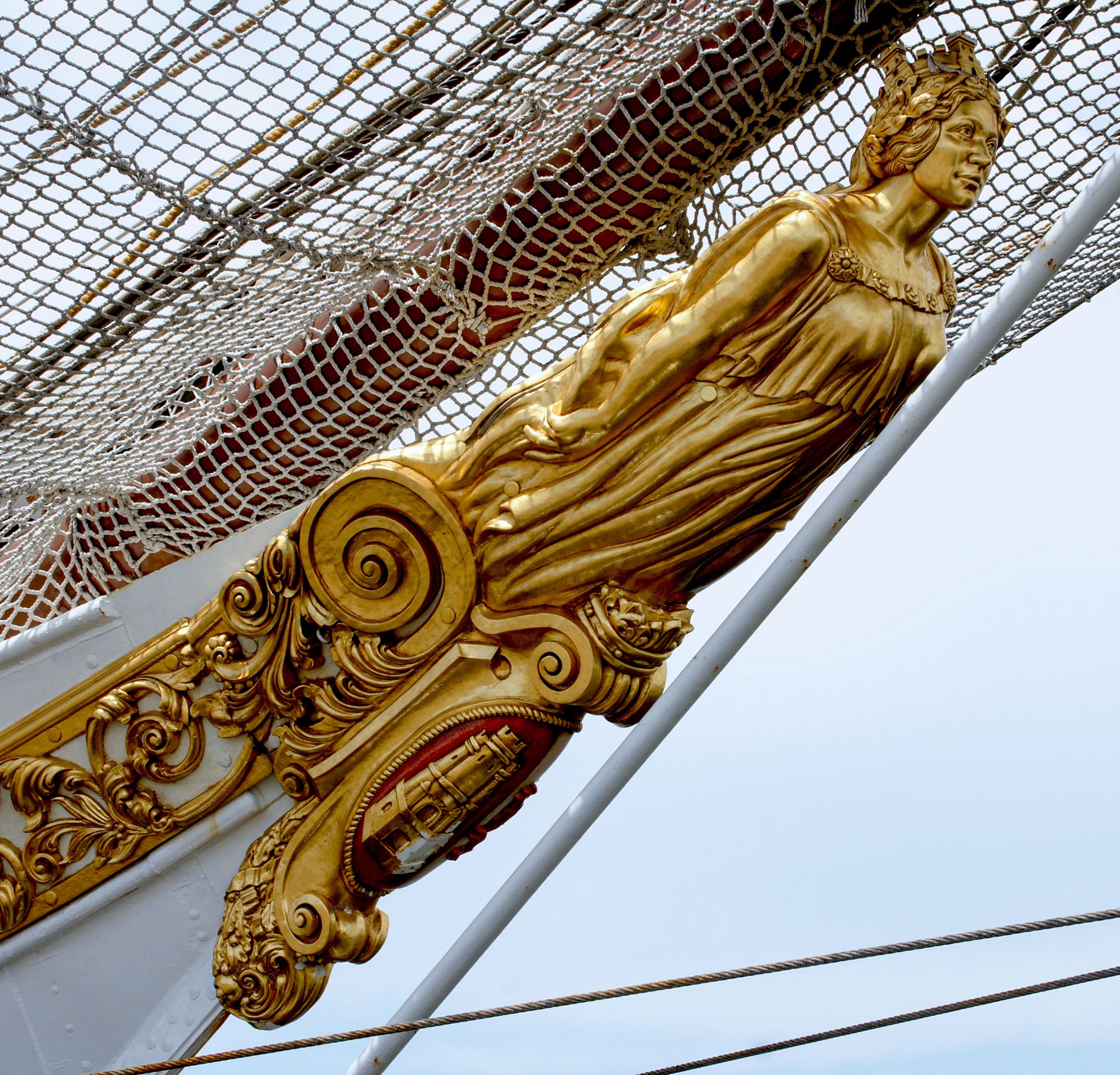
#19 Figurehead for the largest sailing vessel in current use, The Juan Sebastian De Alcano. Juan Sebastián de Elcano is a training ship of the Spanish Navy. It is a four-masted topsail, steel-hulled barquentine (schooner barque). At 113 metres (371 ft) long, it is the third-largest tall ship in the world, and is the sailing vessel that has sailed the furthest, covering more than 2,000,000 nautical miles (3,700,000 km; 2,300,000 mi) in its lifetime.

The JS De Alcano puts in to port in Pensacola for a visit every 4 years or so,