The aircraft are, I fear, getting a little stale. So I’ll change the subject to—no subject, no theme. Just pictures that I think are interesting.
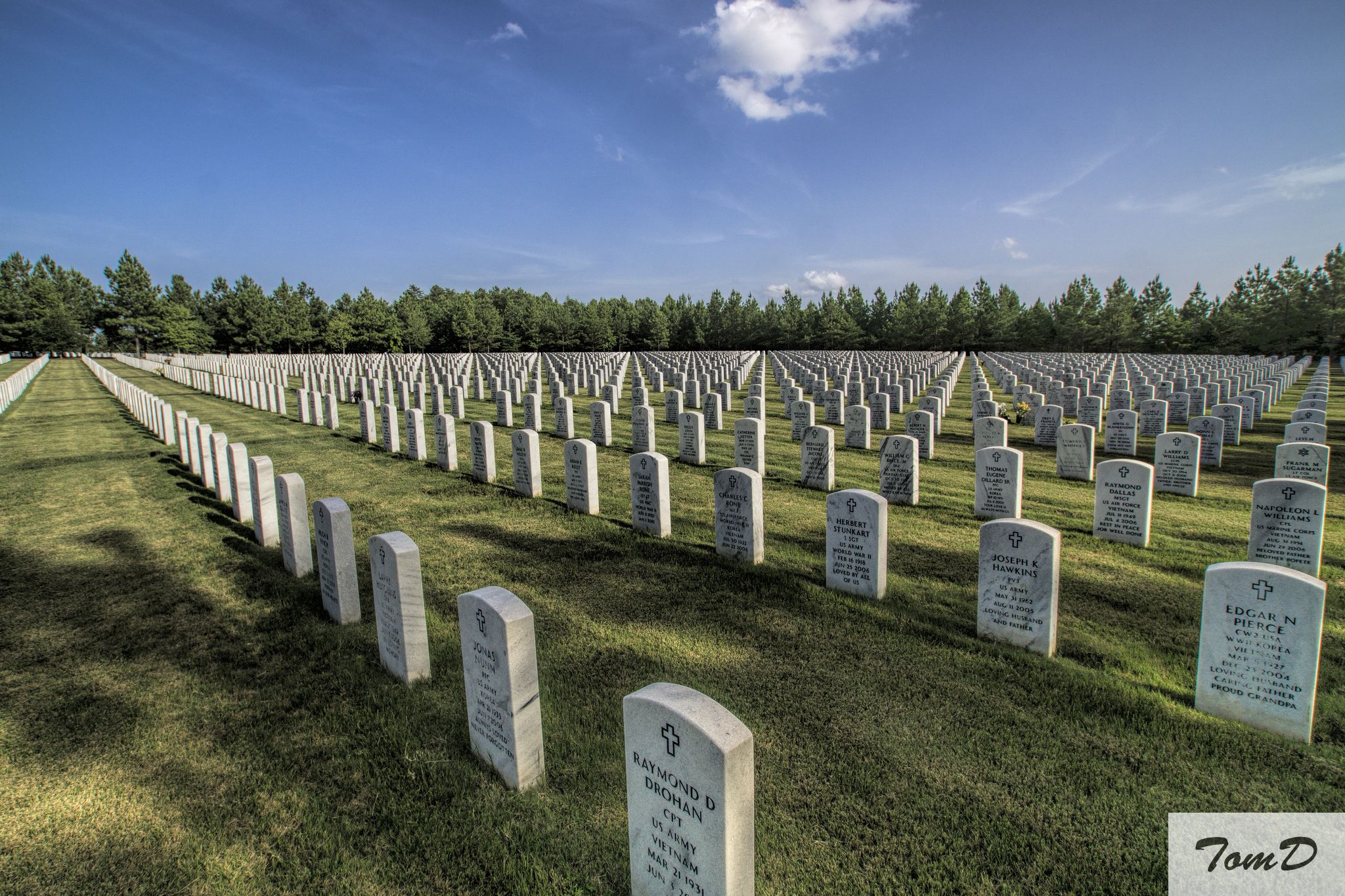
Fractal Symmetry, This photo was taken at a US Military Cemetery Near Canton, Ga.
Mardi Gras, Pensacola version. Don’t know her but she seems to be having a great time.
SONY DSC
Beach scene, In January way out on Ft Pickens.
SONY DSC
Early March, my front yard
SONY DSC
I’m not sure just what the hell was going on with the winds aloft but I don’t remember seeing the like either before or since. For my front yard.
SONY DSC
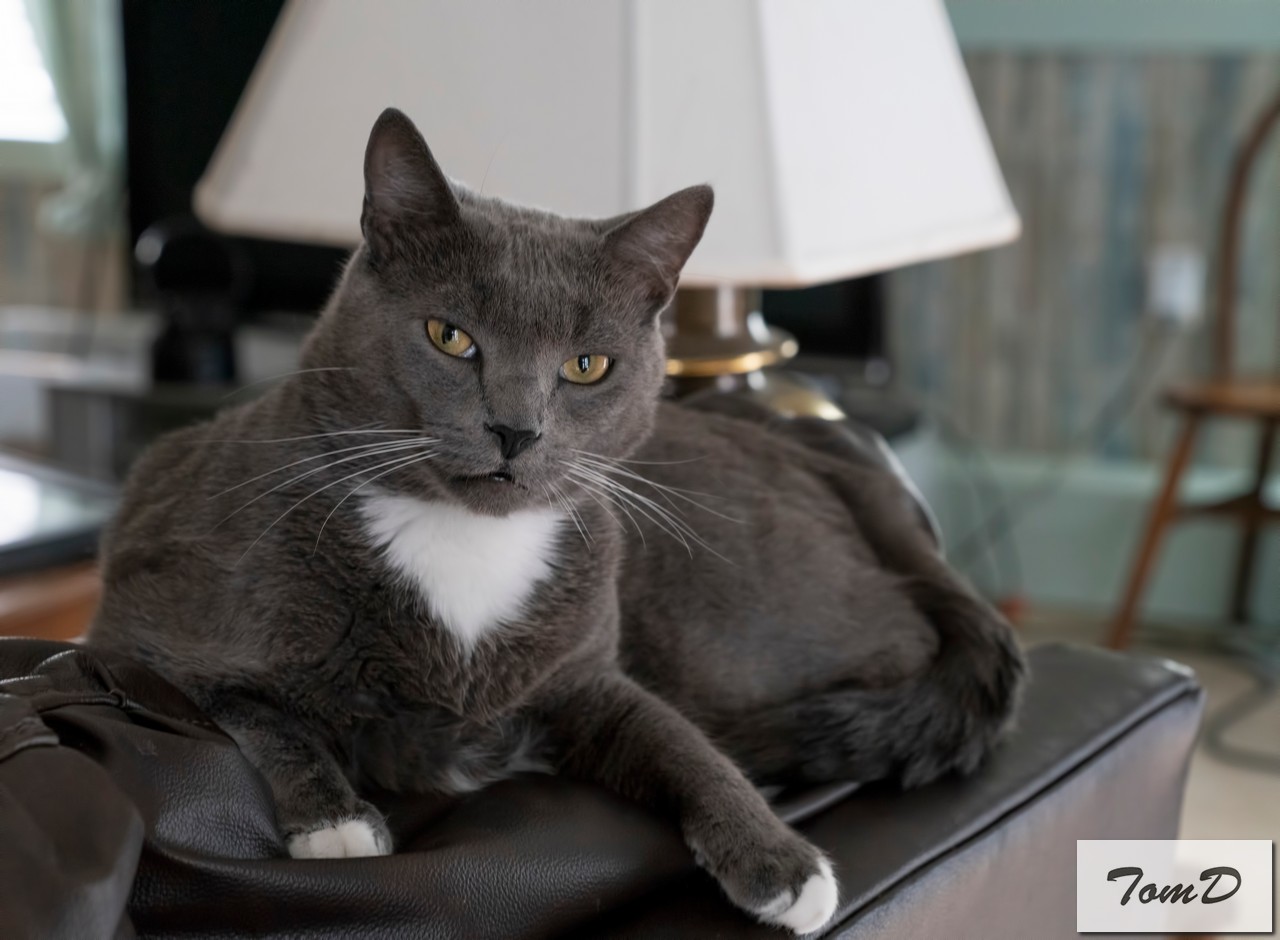
Oliver, one of my cats.
“Run you stick bastards!” Seen in a local parking lot.
Just stopped at a light somewhere. I thought close focus on the drops on the windshield with the background blurred out would make an interesting shot.
Dims have been calling Republicans fascists and Hitler for most of my life. The really ironic part is they couldn’t define fascism if their little lives depended on it.
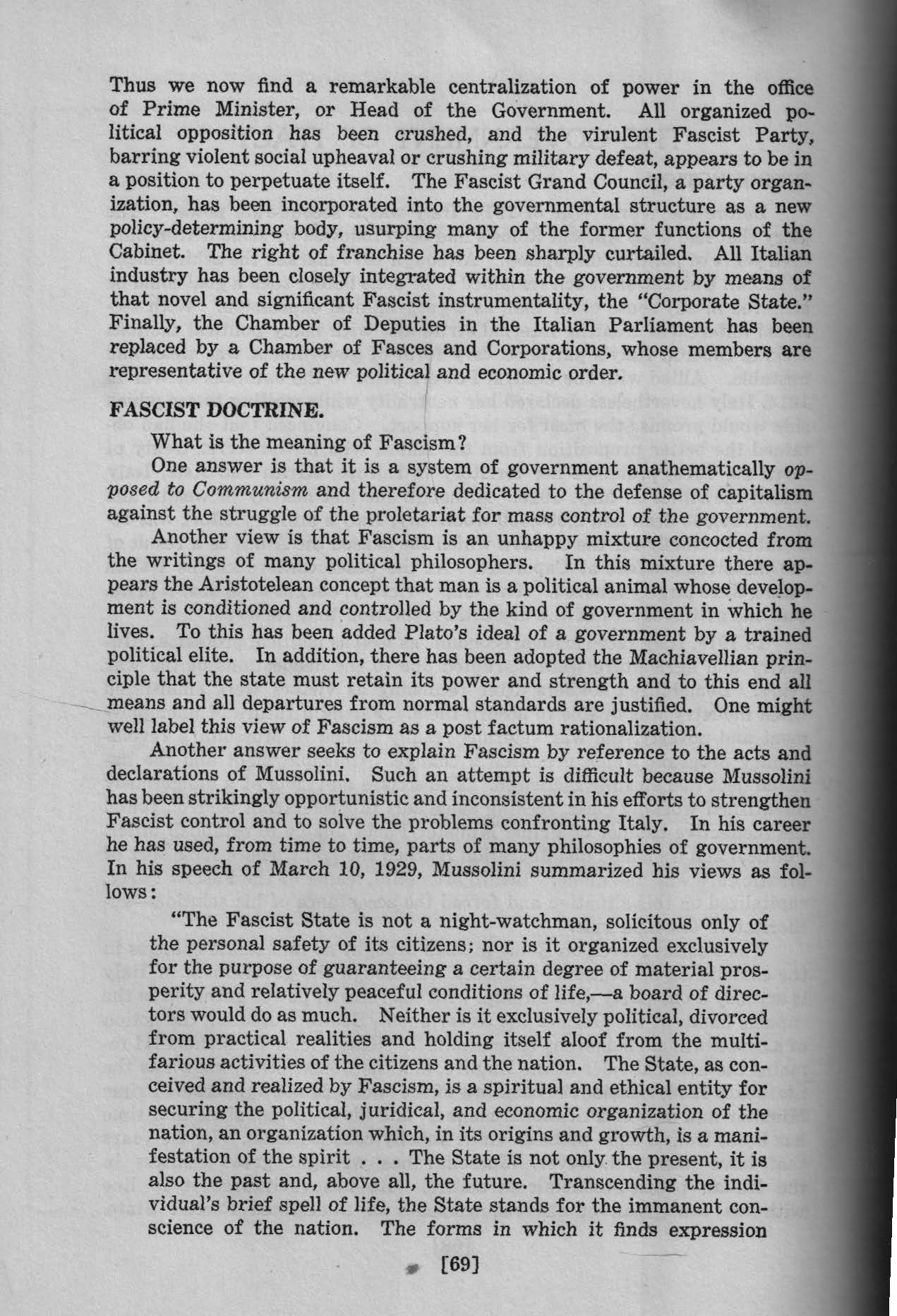
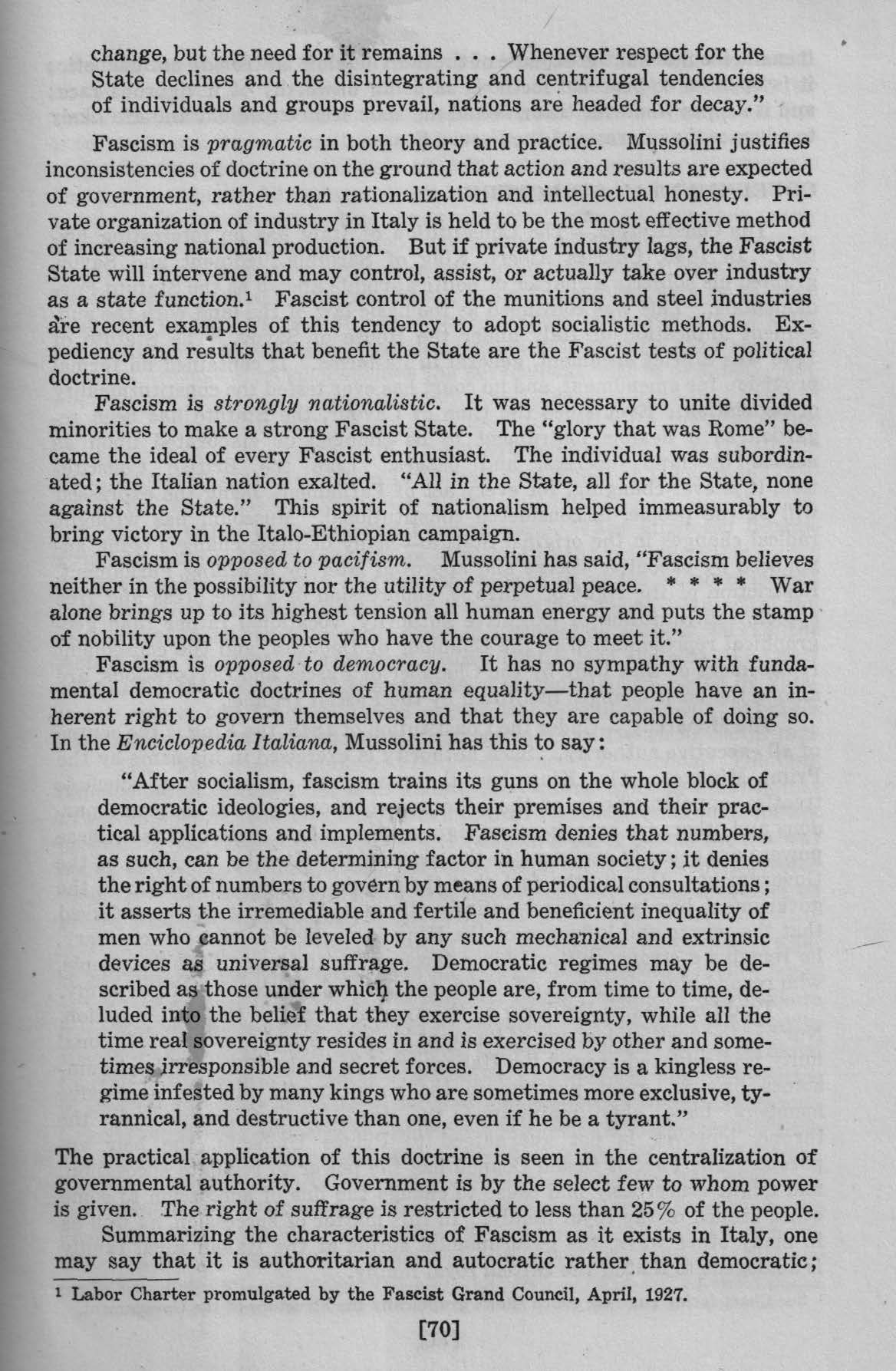
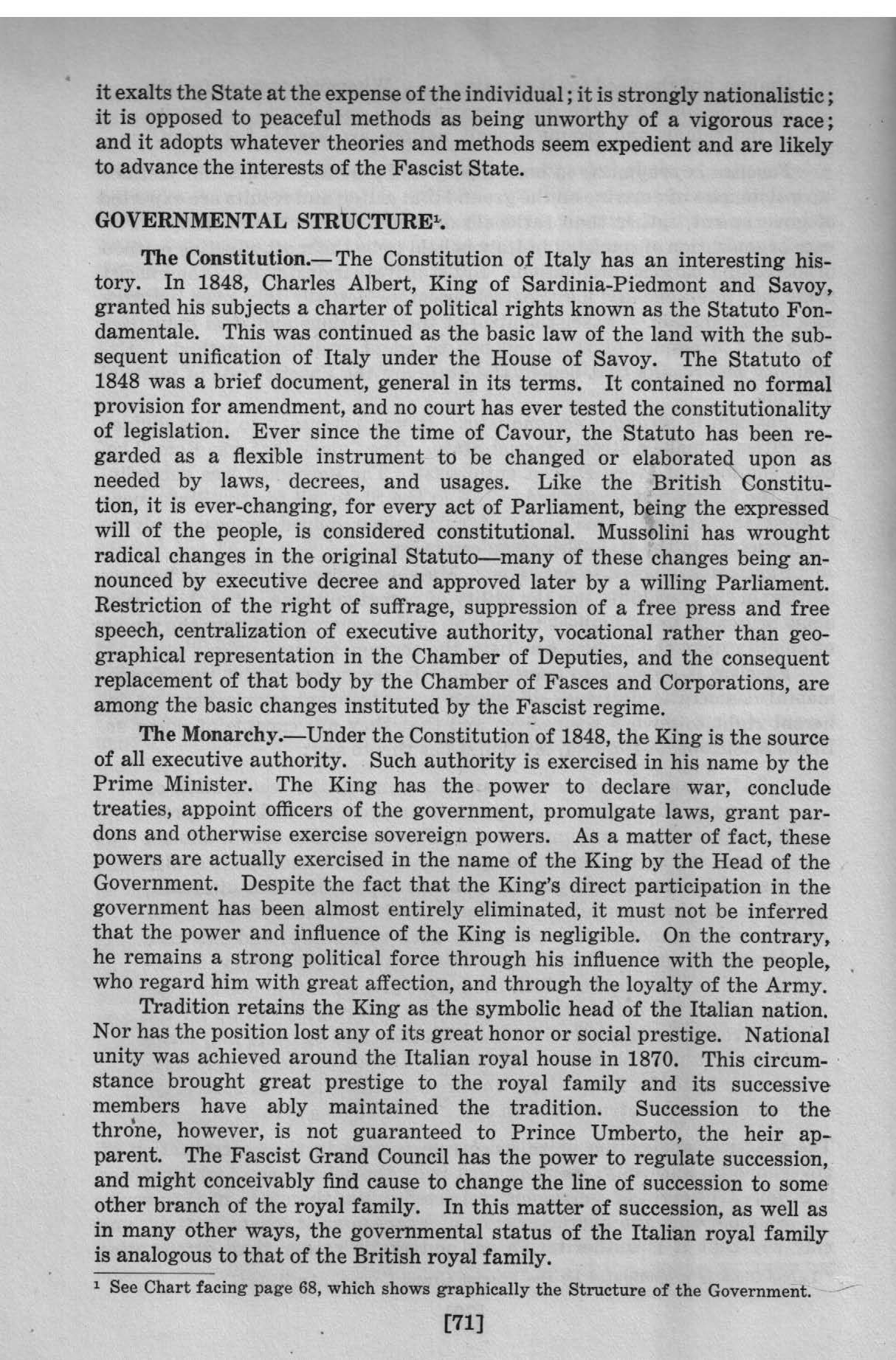
I’ve still got some of my Dad’s West Point Textbooks, mostly dating from the late 30’s to early 40’s. One, “The Governments of the Major Foreign Powers”, p 1941 looks to be what we would now call Political Science, a misnomer if there ever was one. The book spends about 50 pages per country with great detail. It should be required reading at Harvard, etc.
Few people know that Fascism is an offshoot or variation of socialism. It was originated by Benito Mussolini, who, up to that time was a functionary in the Italian Socialist Party. At the time of his takeover of Italy, he was widely applauded and acclaimed by the US left. He did, after all, make the trains run on time.
One of the biggest differences between socialism and fascism is that socialism wanted state ownership of industry whereas fascism was fine with private ownership but required state control. Does that remind you of anything?
It seems that it is common today to bandy about the accusation of “Fascist” without a clue as to what Facism is.
Attached are 3 pages from a 1941 West Point textbook titled, “The Governments of the Major Foreign Powers”. These 3 pages are excerpts from approx 40 pages on the Government of Italy. It should be noted that, since this book was published in 1941, the US had yet to have entered the war.
Frankly, after rereading the short chapter on Fascist Doctrine, I can see the origin of quite a bit of the DNA from today’s left.
sometimes when I drop in, I feel like someone was reincarnated. The following two quotes seem to be appropriate for your discourse:
“Forget the politicians. The politicians are put there to give you the idea that you have freedom of choice. You don’t. You have no choice. You have owners. They own you. They own everything. They own all the important land. They own and control the corporations. They’ve long since bought and paid for the Senate, the Congress, the state houses, the city halls. They got the judges in their back pockets and they own all the big media companies, so they control just about all of the news and information you get to hear. They got you by the balls. They spend billions of dollars every year lobbying. Lobbying to get what they want. Well, we know what they want. They want more for themselves and less for everybody else, but I’ll tell you what they don’t want. They don’t want a population of citizens capable of critical thinking. They don’t want well-informed, well-educated people capable of critical thinking. They’re not interested in that. That doesn’t help them. That’s against their interests. That’s right.”
“I don’t like ass kissers, flag wavers, or team players. I like people who buck the system. Individualists. I often warn people: Somewhere along the way, someone is going to tell you: ‘There is no I in team.’ What you should tell them is: ‘Maybe not. But there is an I in independence, individuality, and integrity.’” George Carlin
All of these shots save the Spookies were from US Naval museum and the Spookies were from the Air Force museum at Eglin AFB.
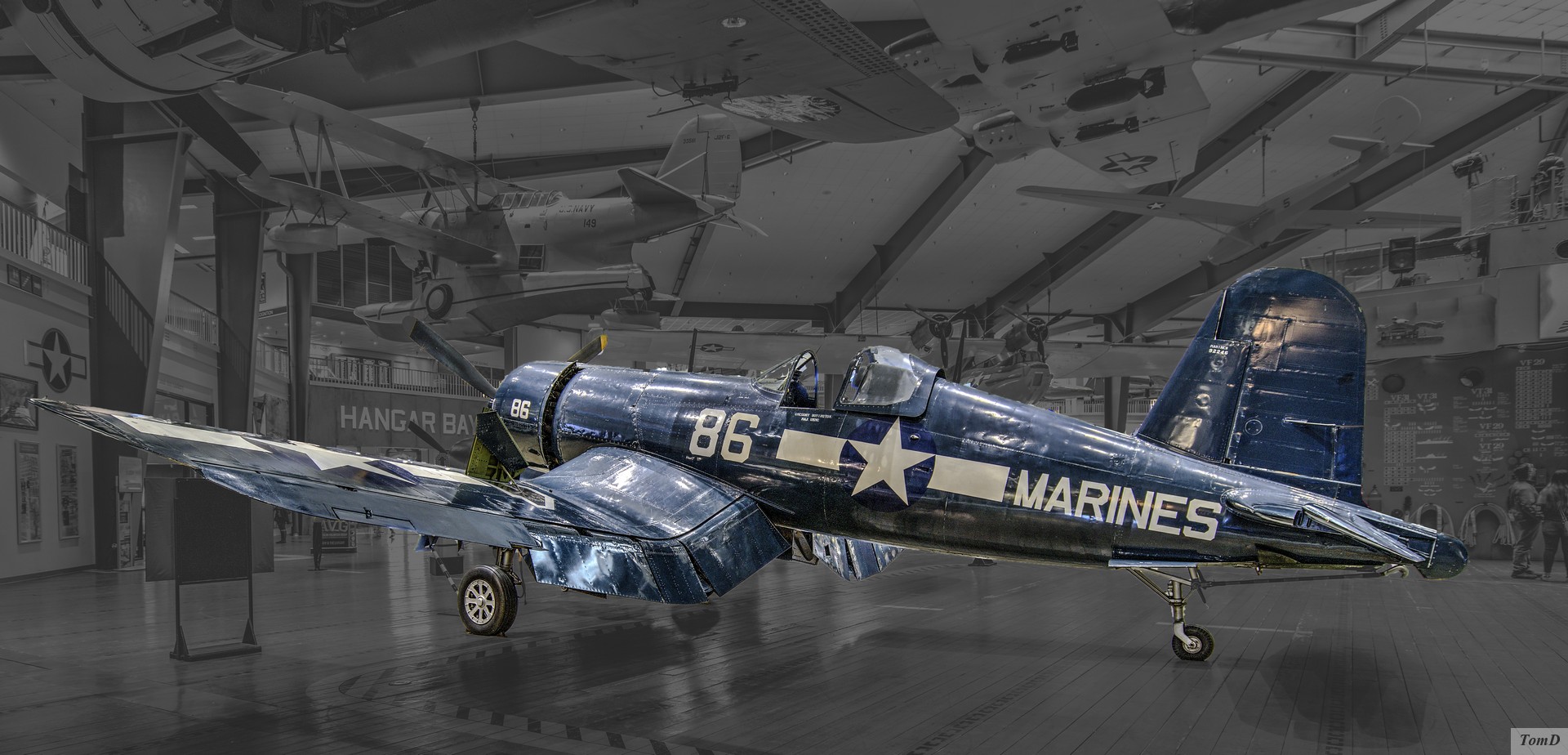
F4 Corsair, one of the, if not the premium fighter aircraft of WWII. Corsairs were still in frontline duty 10 years later after all the others were long retired.
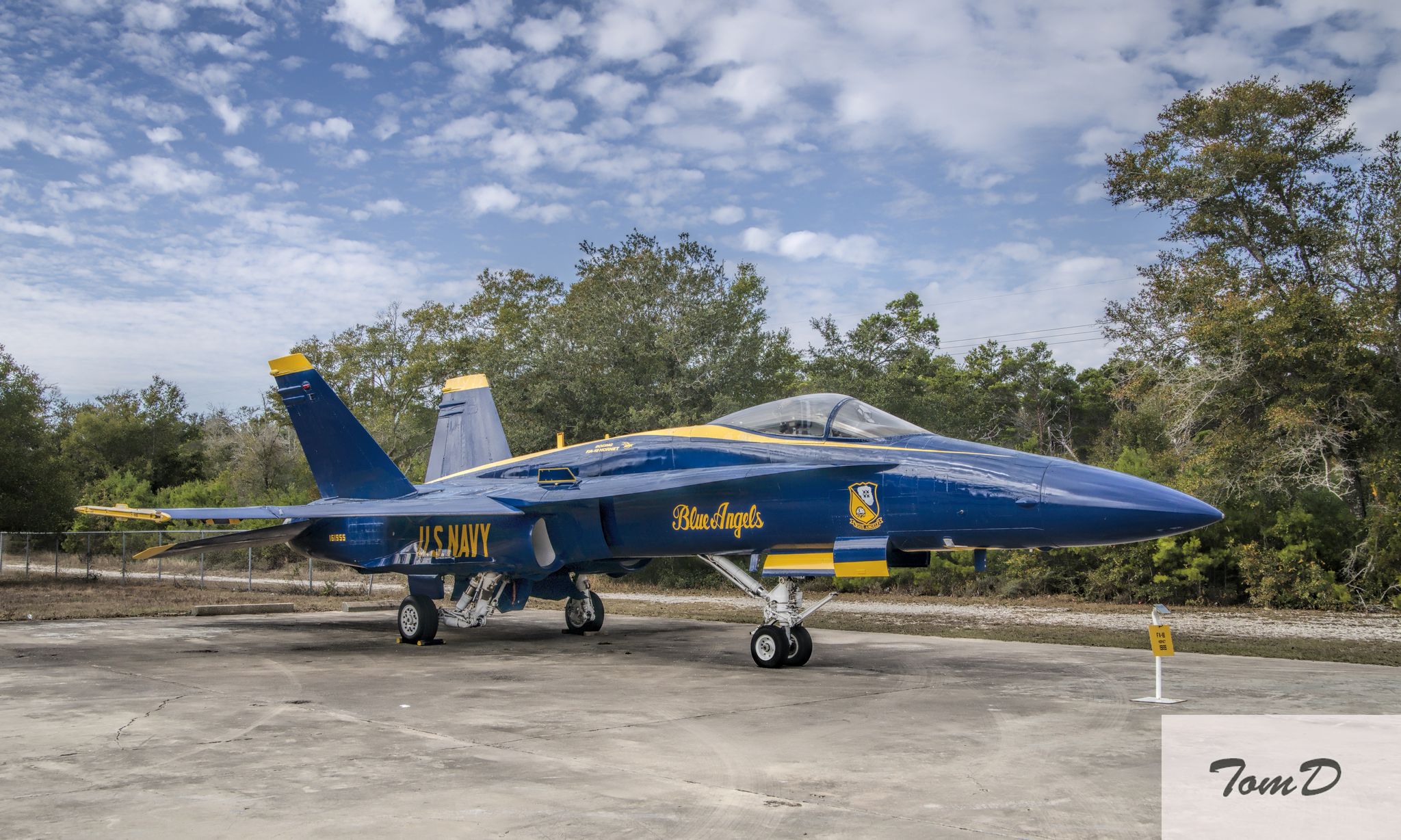
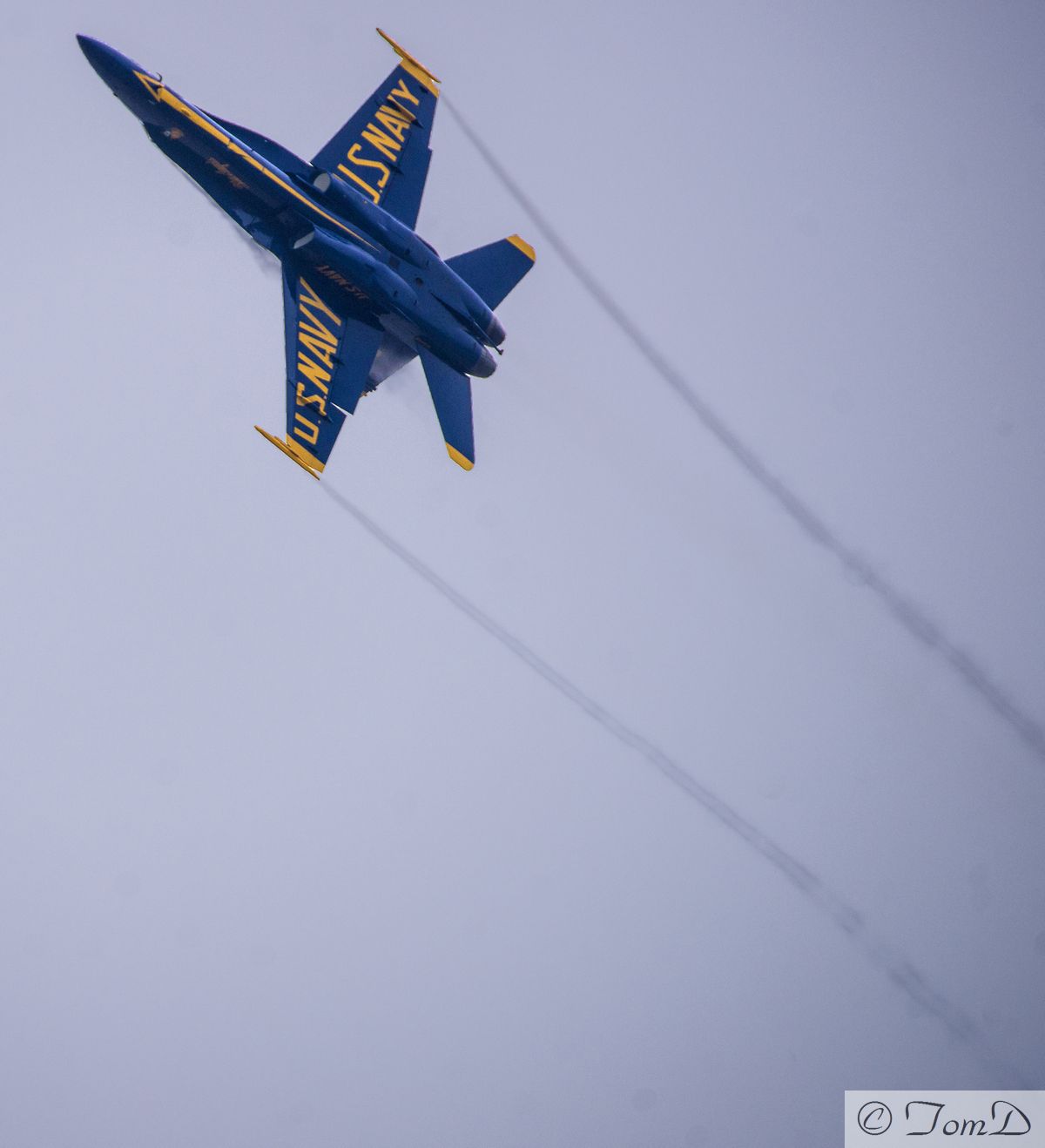
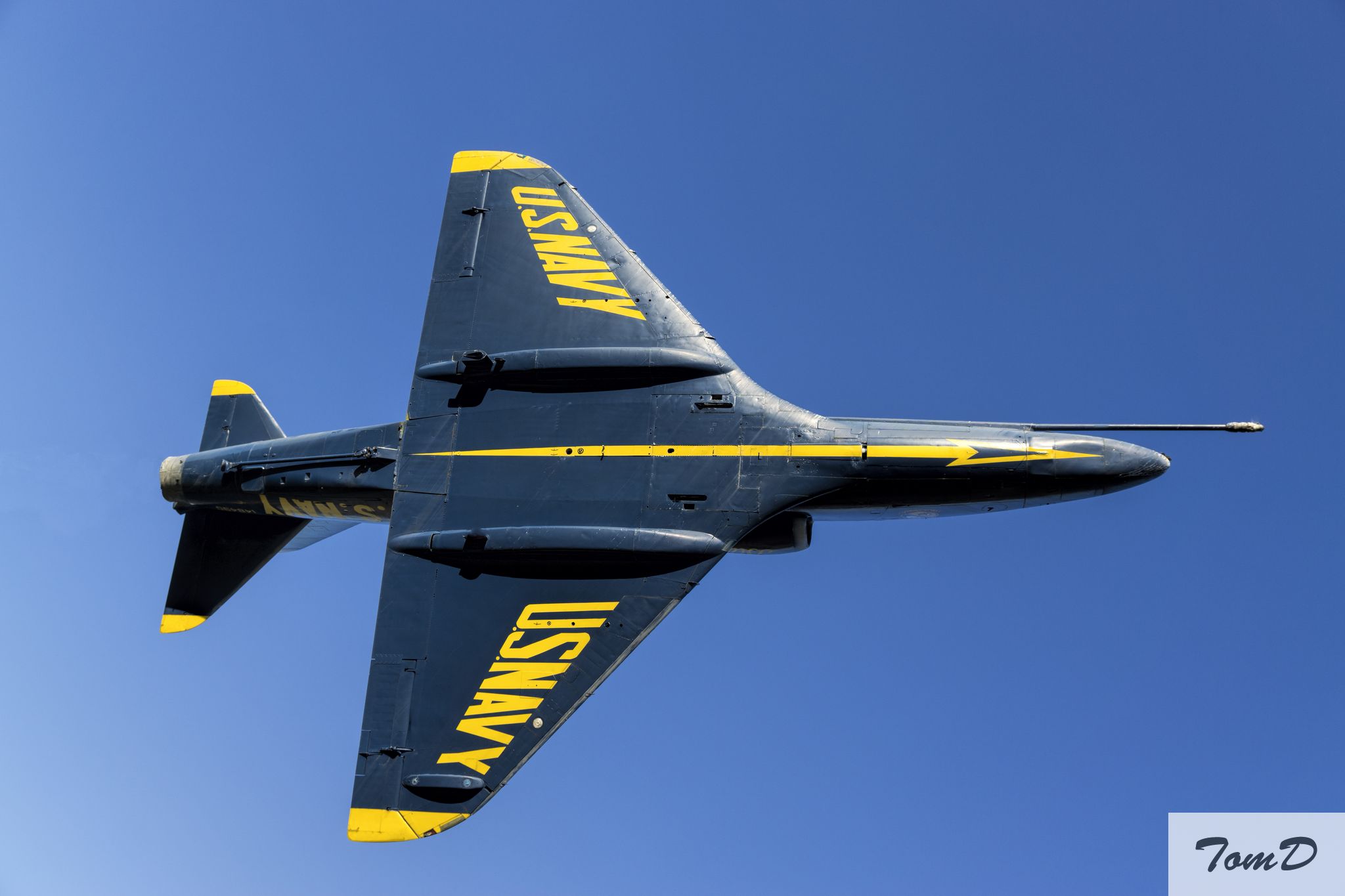
A F18 F/A retired from the Blue Angels
SONY DSC
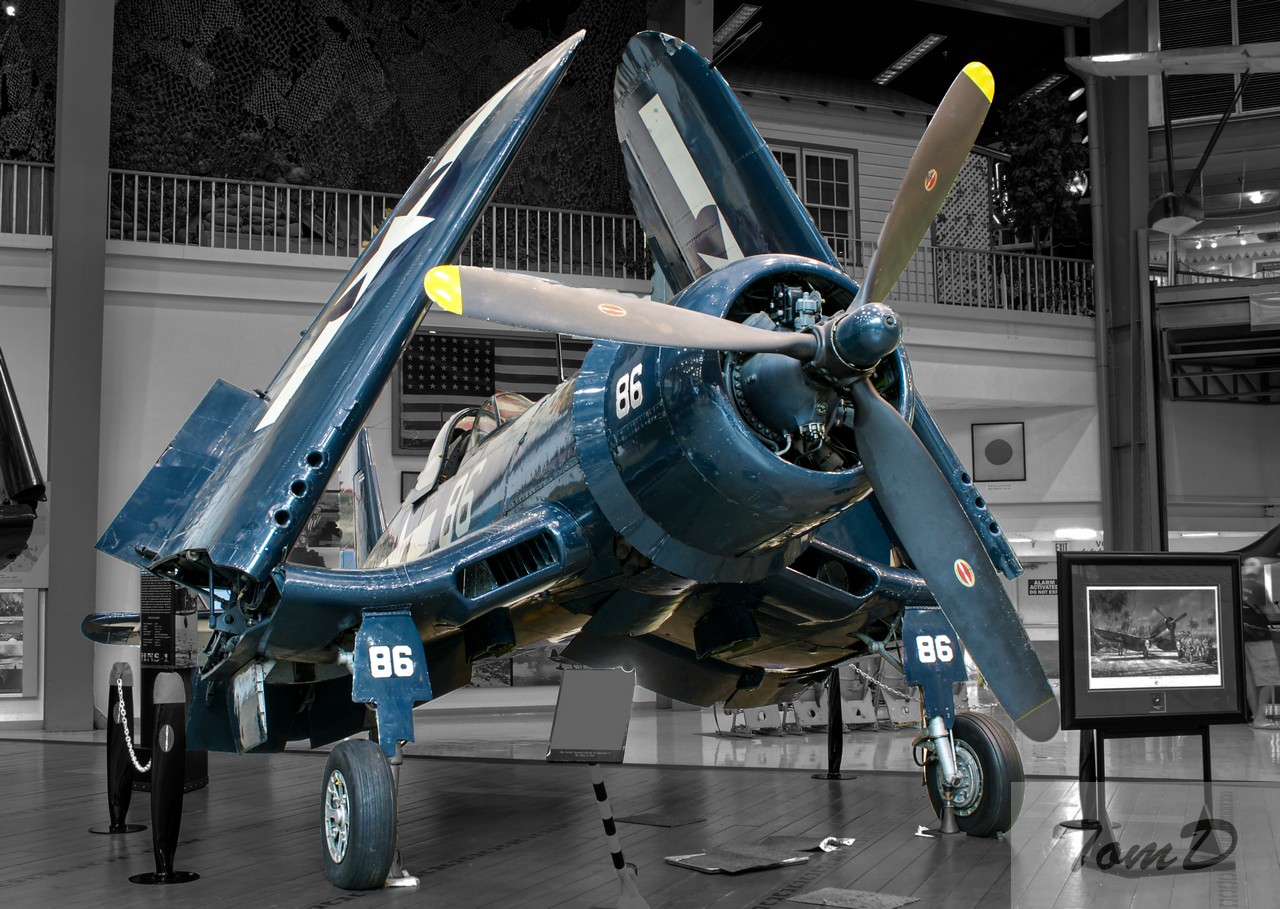
Another view of the F4 Corsair
SONY DSC
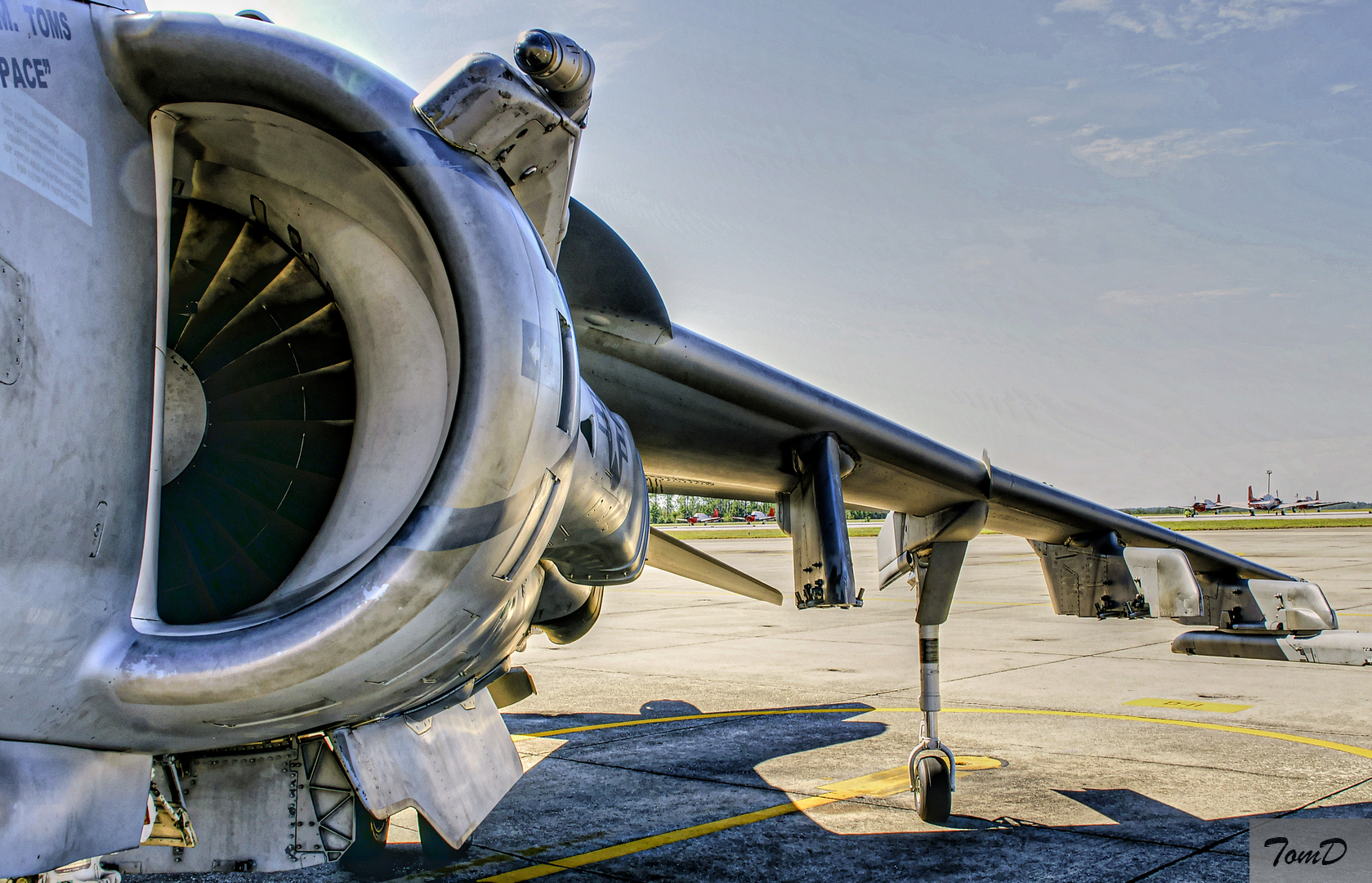
A US Marine Corps Vertical take off and landing Harrier. This was originally a pure British design and produced (and used) aircraft. Falkland Islands, remember? When the US Marines thought the Harrier was spot on, it was injected with some US DNA and produced by McDonald Douglas in the US.
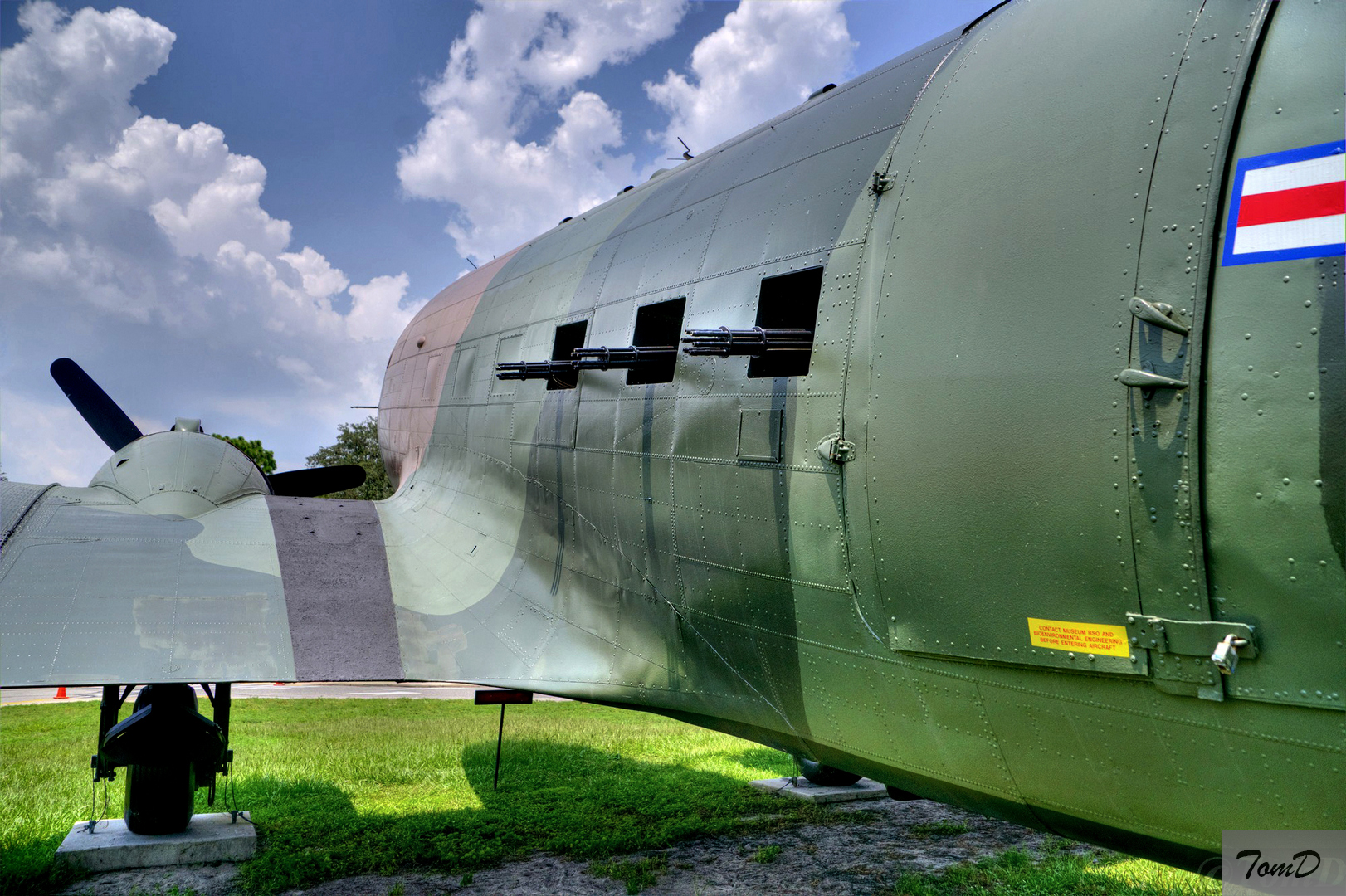
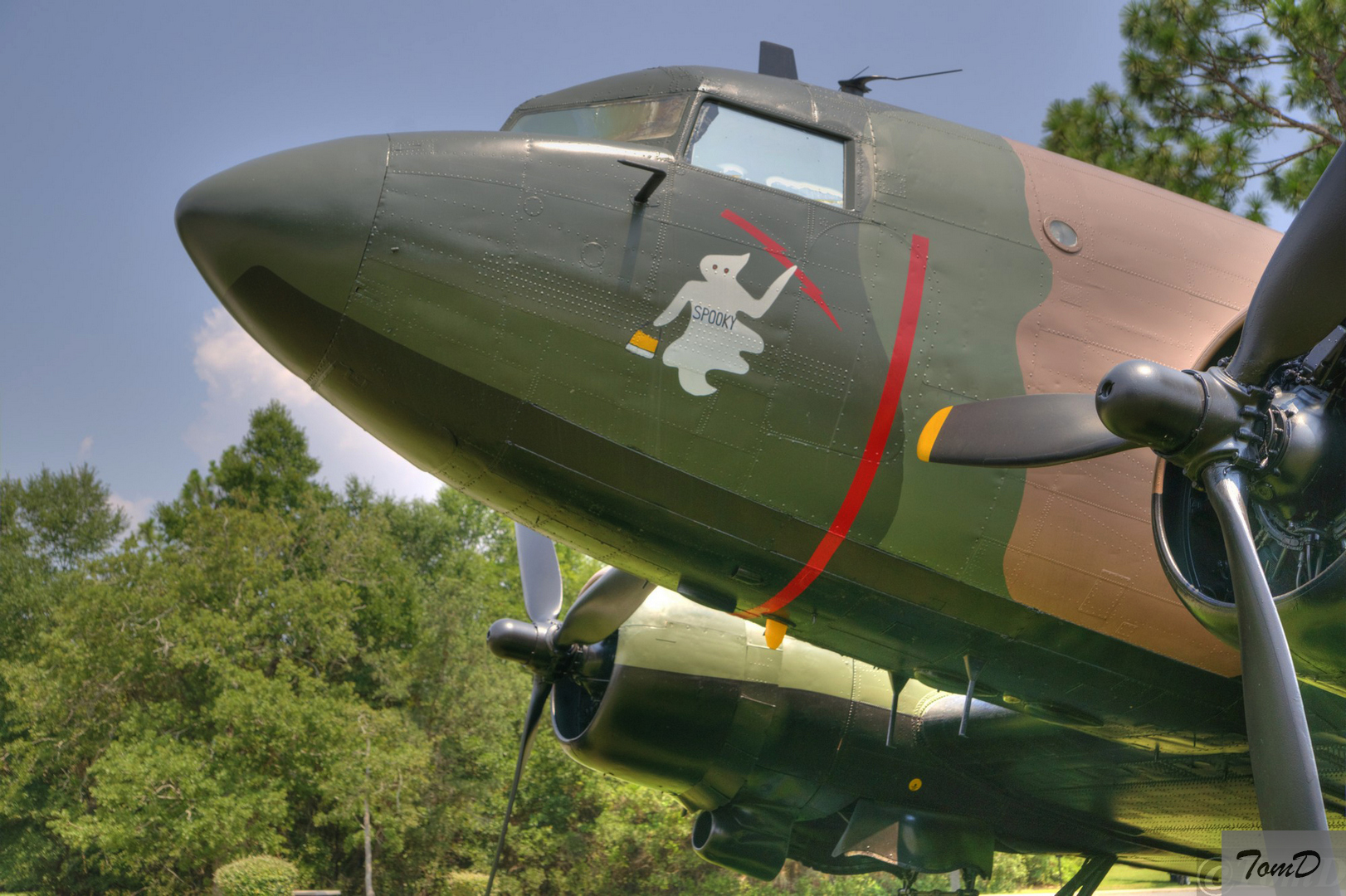
2 views of the original Spooky Gunship made famous in the VietNam era. It was based on the WWII era C47 AKA, DC3 & and was armed with .308 (7.62×51 NATO designation) miniguns and could put on quite a night time display, filling the sky with tracers. The gunship concept was considered to be highly successful and has since evolved considerably, currently C130 based and with a variety of types of lethal weapons of various calibers up to and including 105mm howitzers of (ironically) also of Viet Nam vintage.
All these shots were taken in flight, except one and it looks like it is (sorta).
Doesn’t need much intro, probably the most famous air demonstration team ever.
SONY DSC
An earlier generation of the Blue Angels
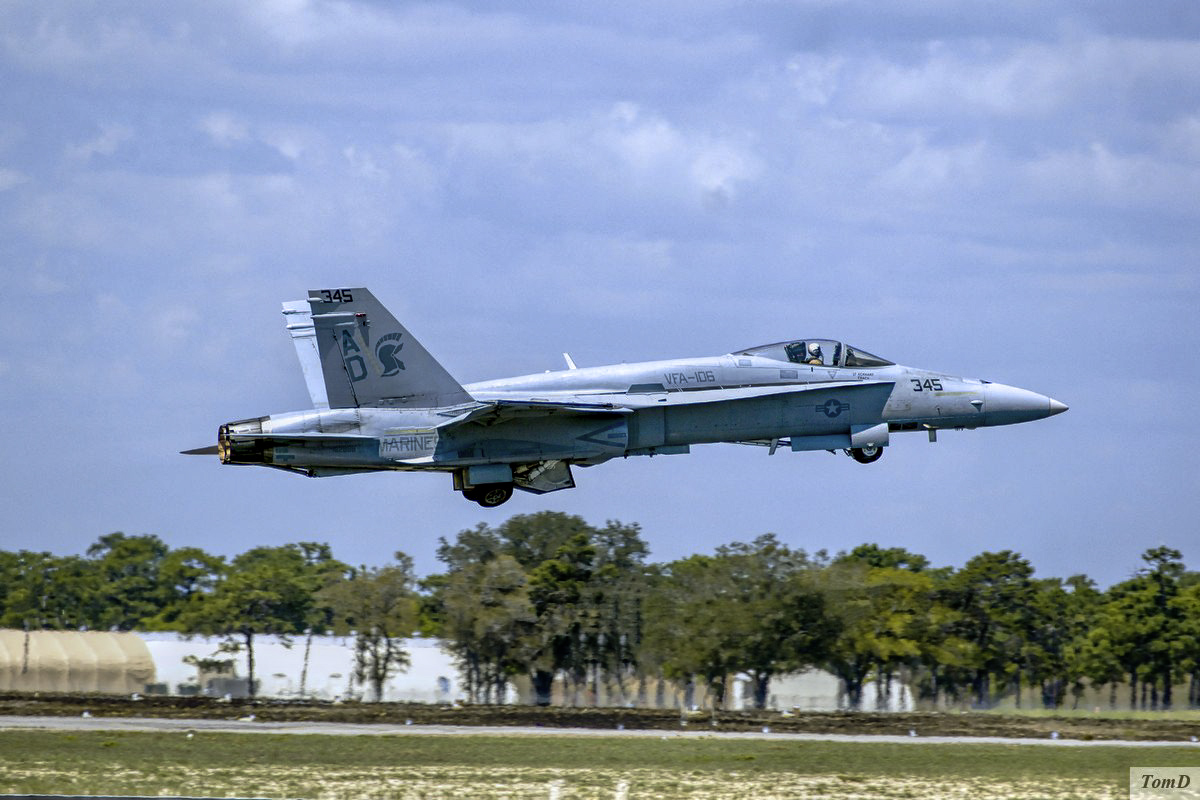
This was taken at Eglin AFB of a operational F18 just clearing the runway. Not sure what a Navy F18 was doing on an Air Force Base.
SONY DSC
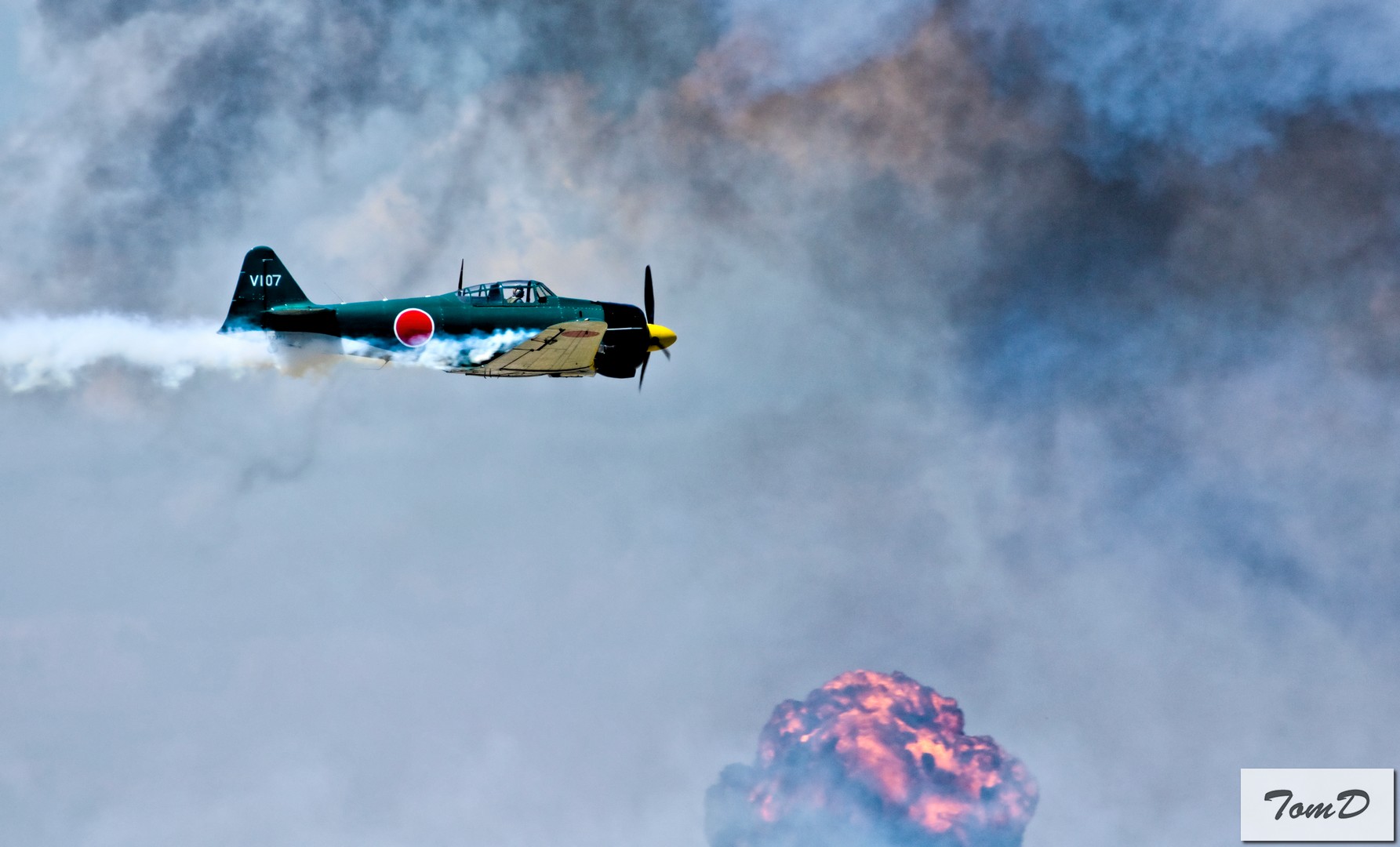
This is a real once operational Mitsubishi A6M, AKA Zero seen at an airshow. These were the terror of the skies in the WWII Pacific theater until overwhelmed by hordes of superior American pilots and aircraft by late 1943.
SONY DSC
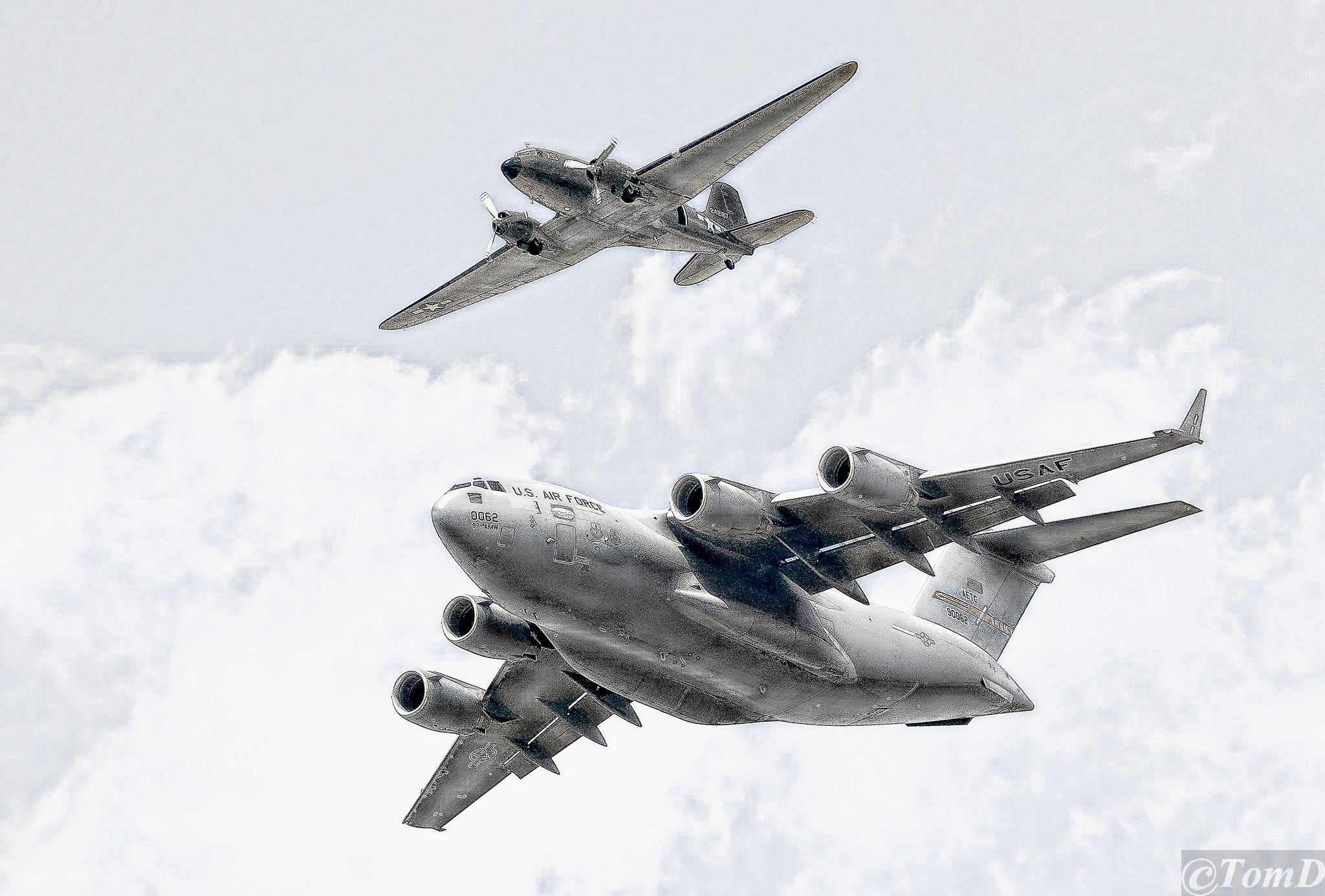
Generations of Military transport aircraft in the air together and photoshopped somewhat. The DC3, known as the C47 was probably one of the very most important aircraft in WWII. Made by Douglas Aircraft in quantities of God knows how many 10’s of thousands, they were everywhere, carrying everything for all nations allied to the US. My Dad, then a platoon commander with the 101st Airborne jumped out of one of these the night of June 6, 1944 into what he described as a f****** mess of thousands of American paratroopers lost and separated in the dark forming impromptu groups from various units and stumbling about in the night shooting equally confused Germans.
SONY DSC
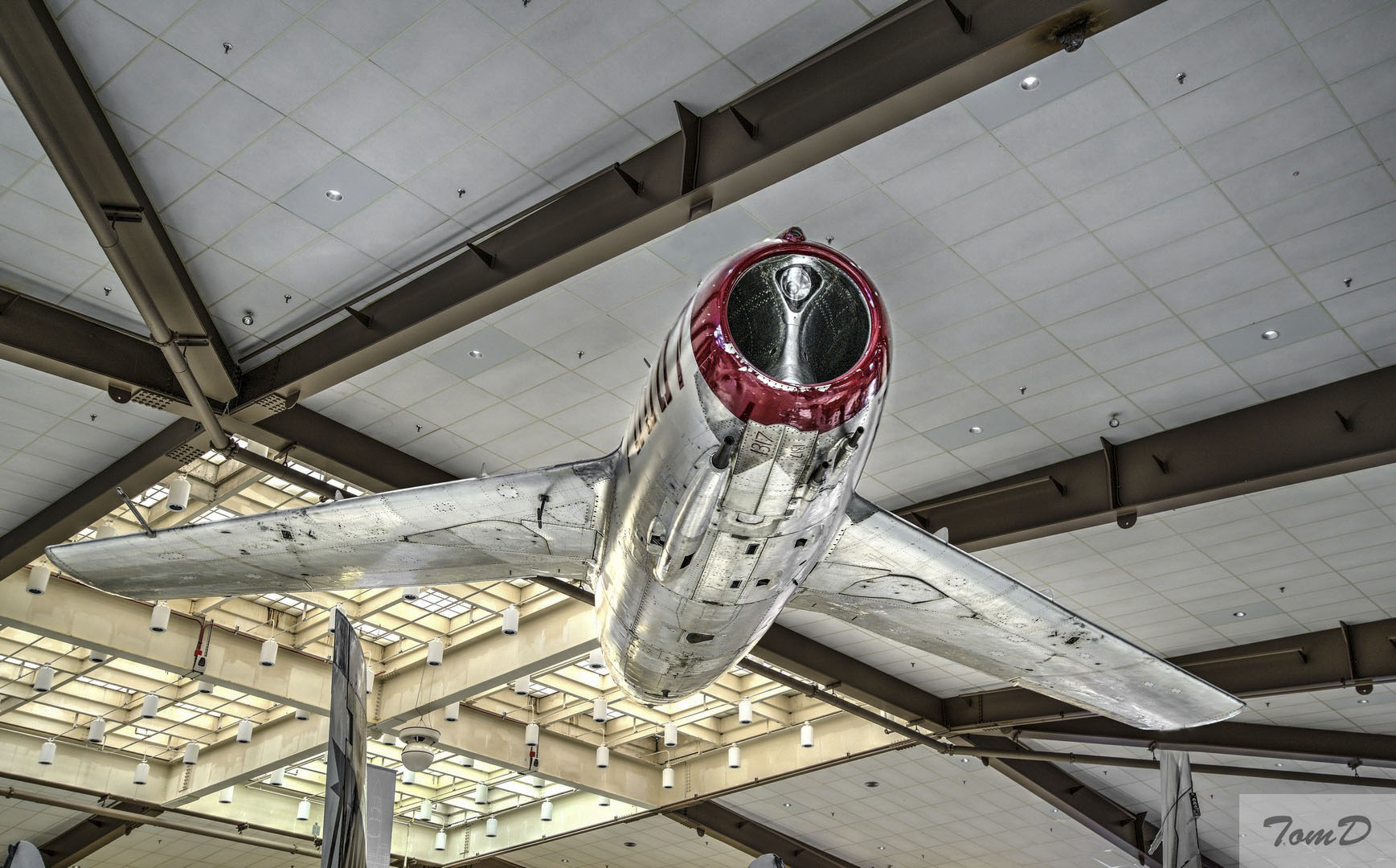
This is a Mig15, the Russian aircraft that mixed it up with F-86 American Saber over the Yalu River in the early 1950’s during the Korean war. Before the Americans hustled the then brand new F86’s over to Korea, the Migs were quite the problem, being far superior to anything we had in theater. This was quite a formidable design and was superior to the F86 in climb, top speed and altitude until several improvements had been made. The “funny” part is that the Brits, our allies, sold the engine design to the Russians. At the time, the Russians lacked the ability to design such an engine. Wonder how many US lives that cost?
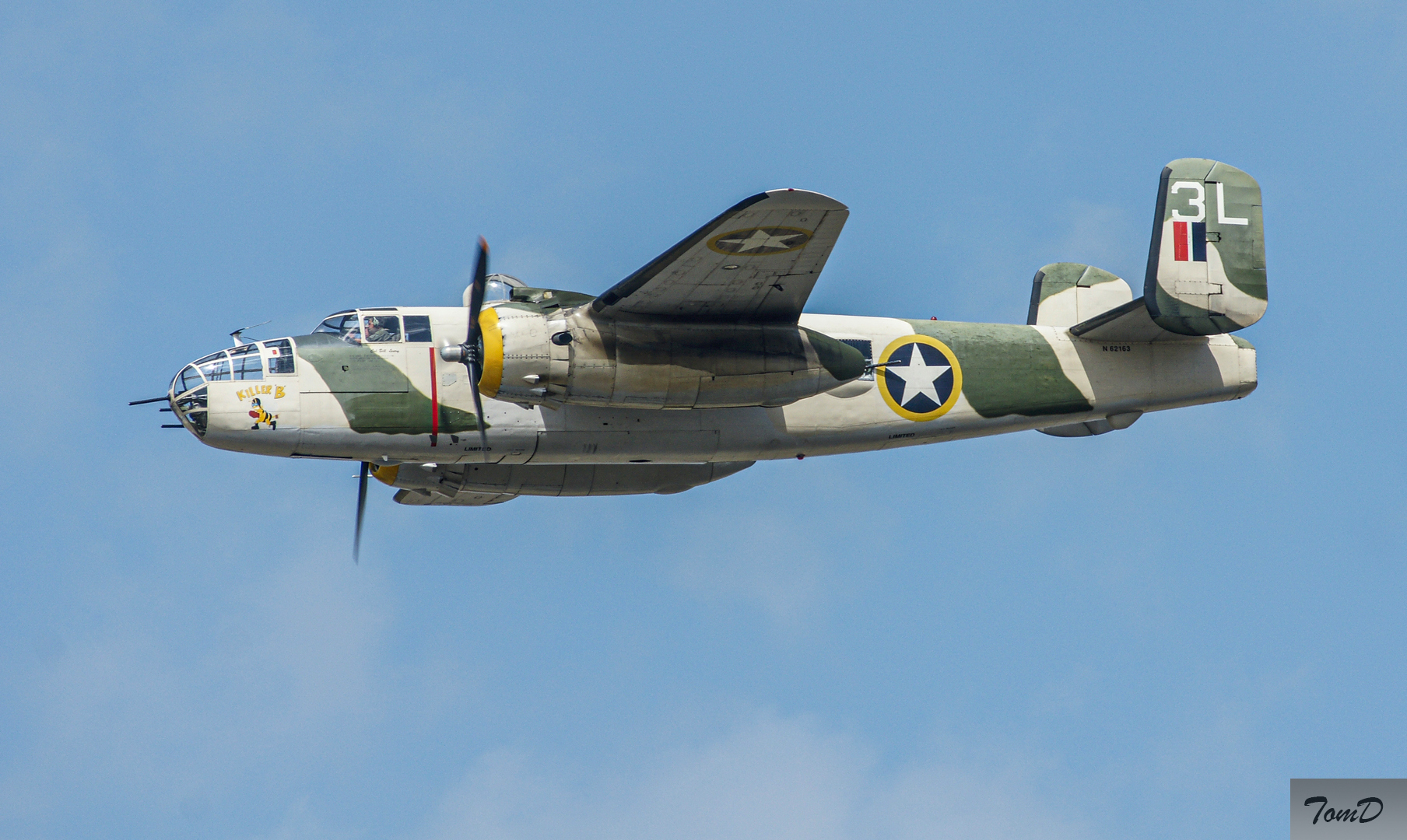
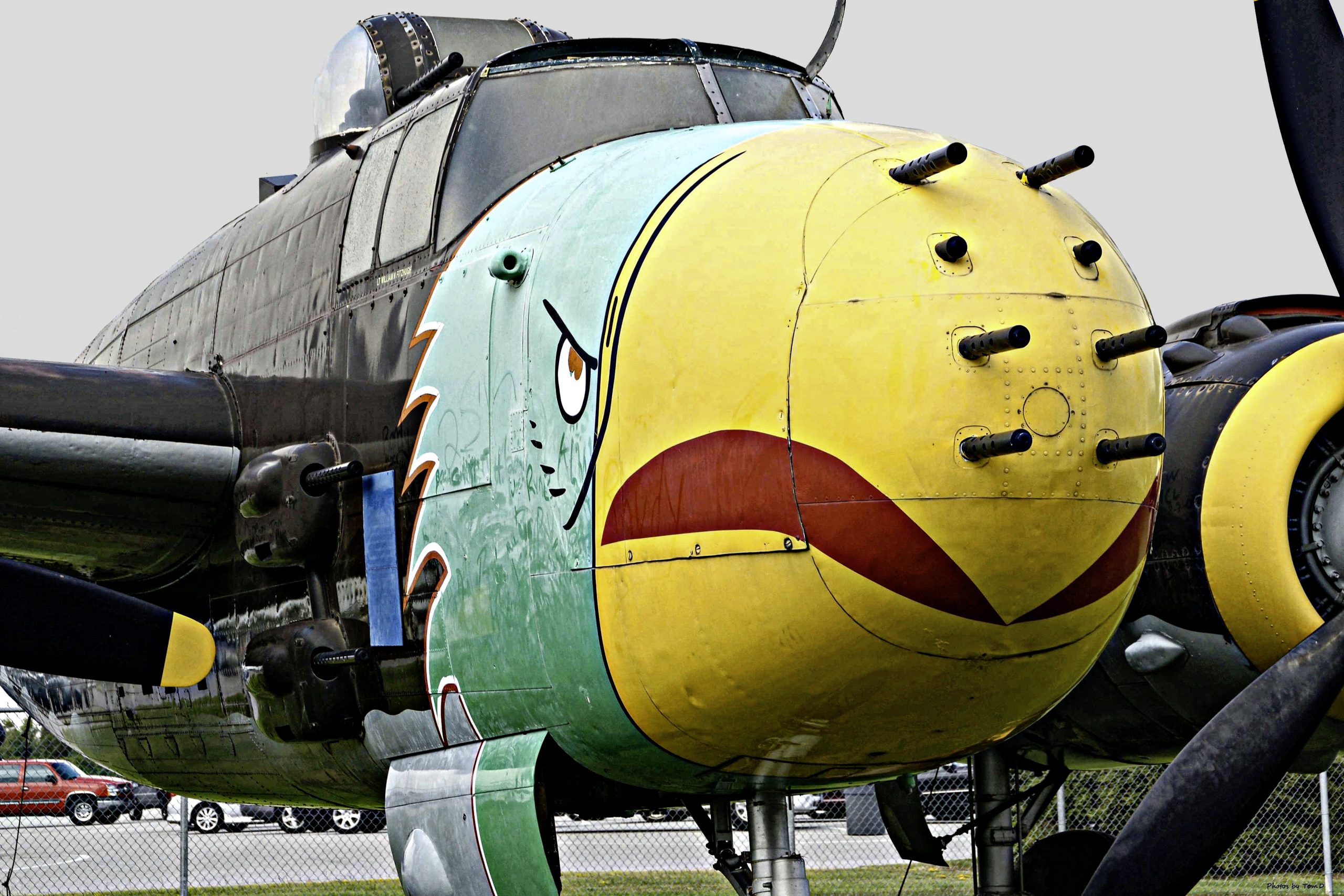
A B25 in bomber configuration, a heavily used medium bomber in all theaters also converted to extremely heavily armed gunships to strafe Japanese shipping and airfields.
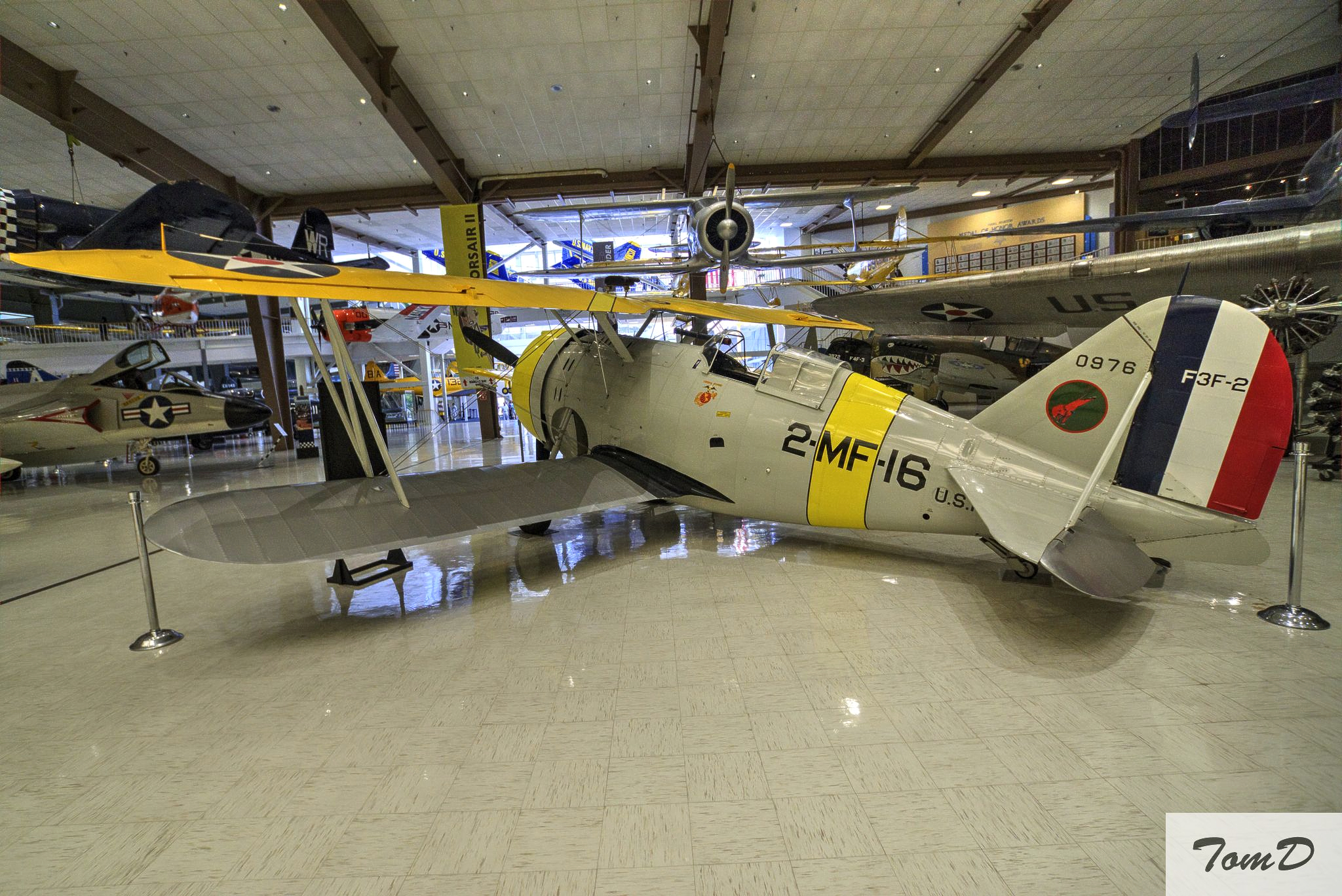
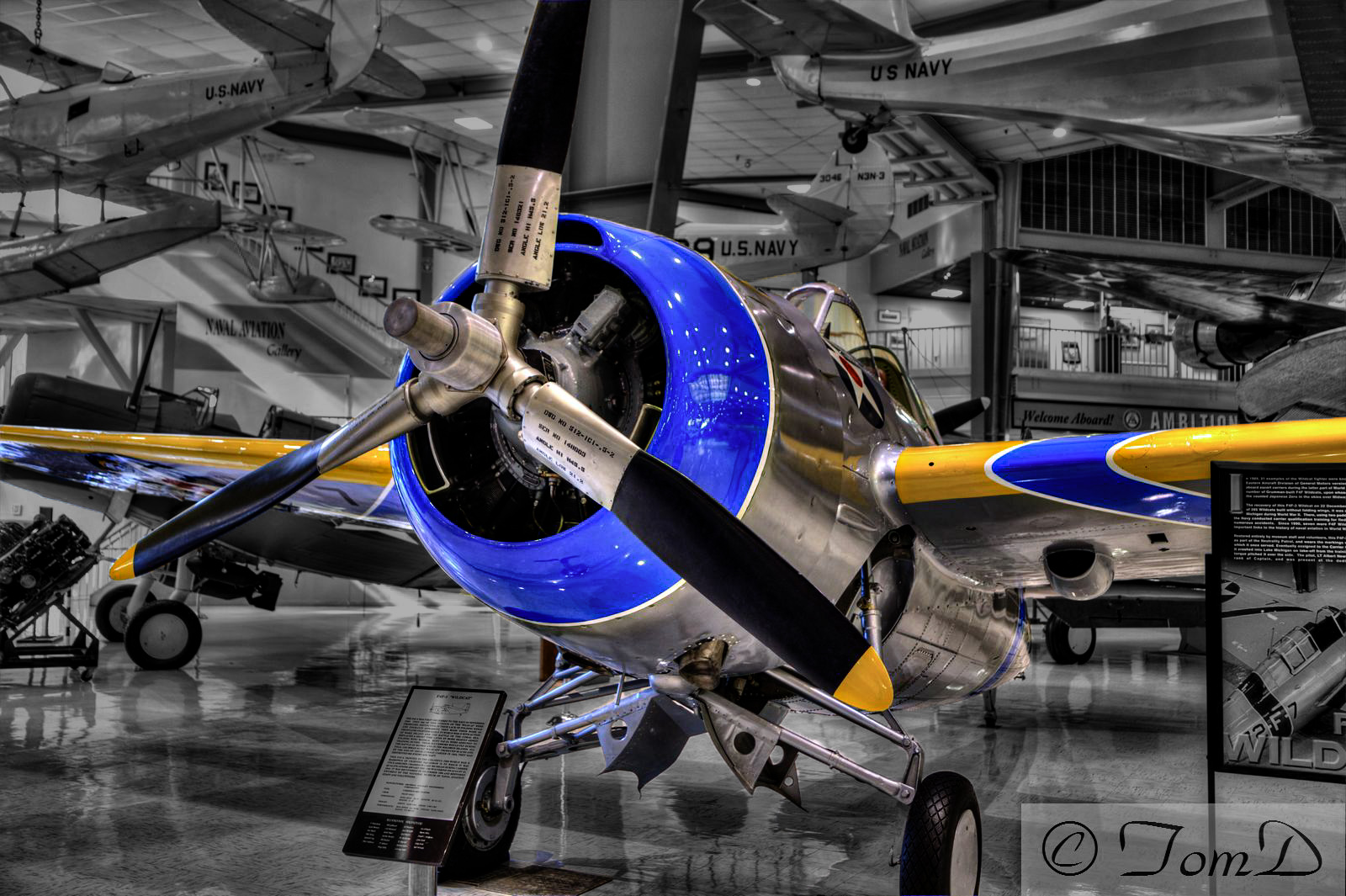
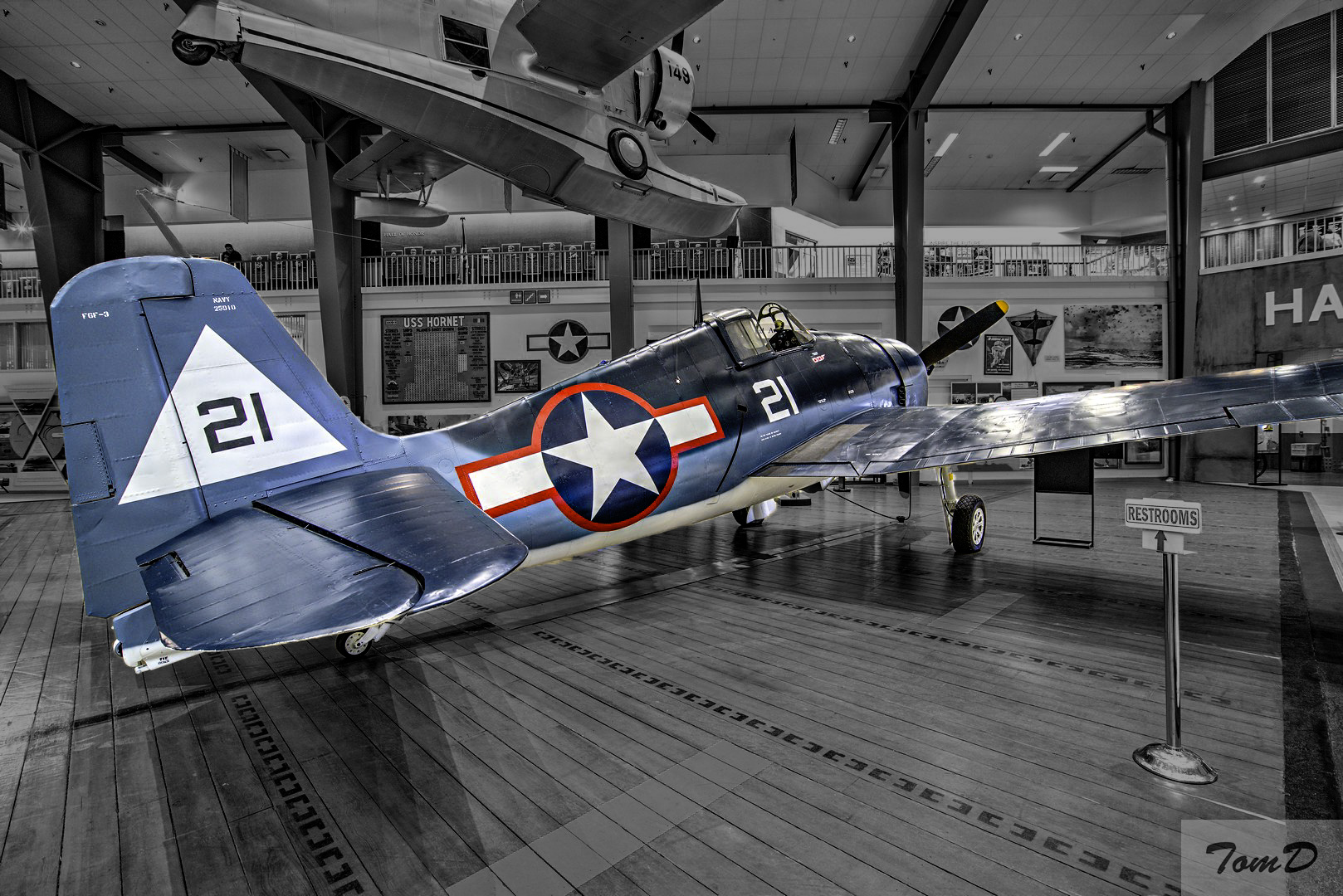
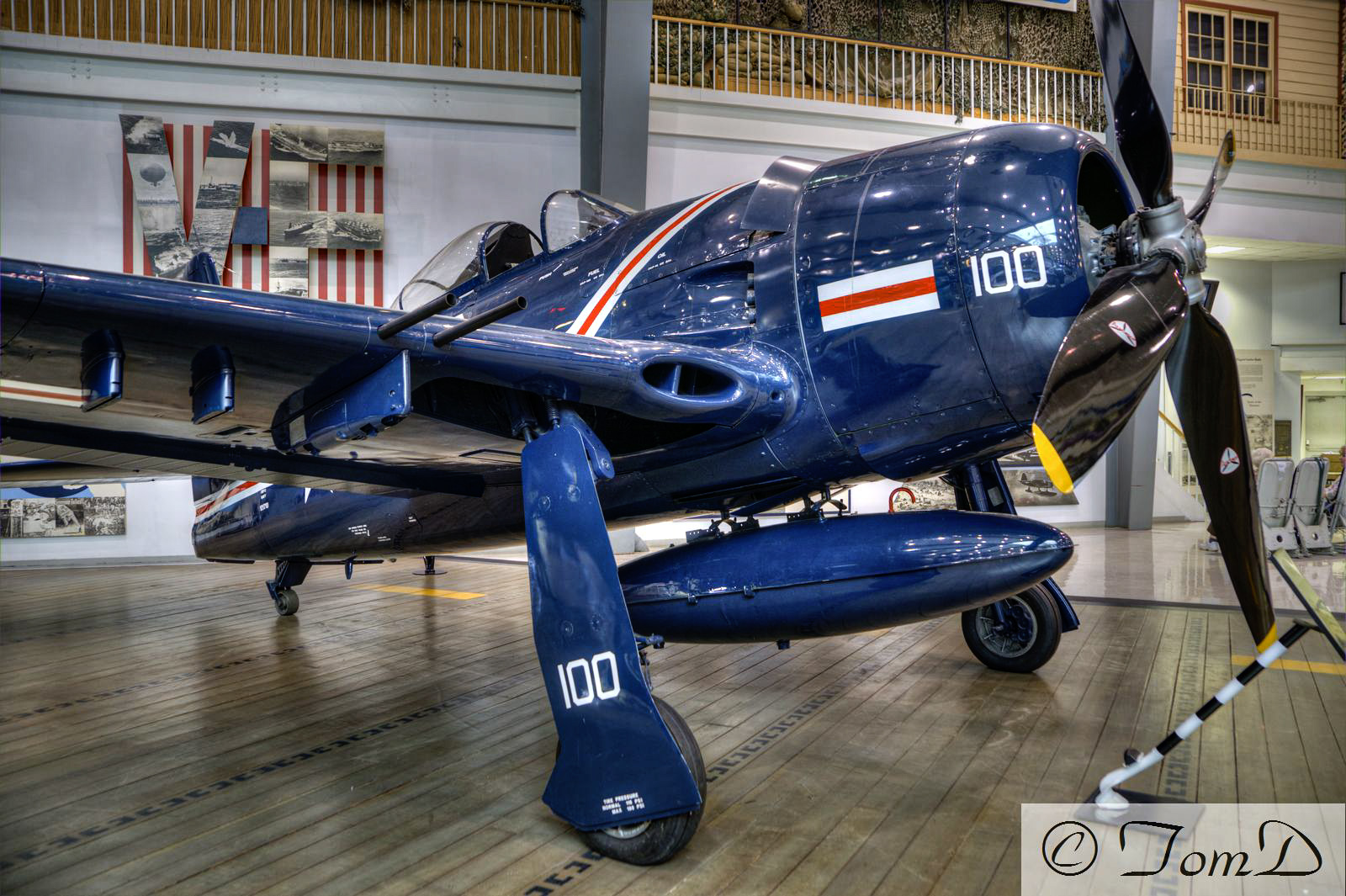
This is a series of photos, all taken at the US Naval Air Museum on base at NAS Pensacola, of US Naval frontline fighters made by Grumman Aircraft introduced to service between the years of 1935 to 1970.
In that short time, front line aircraft evolved from biplanes with open cockpits and a couple of .30 cal MGs as armament to jets at the edge of the atmosphere firing supersonic radar guided missiles from close to 100 miles away. Top speeds went from 260 MPH to 1,560 MPH and rate of climb from around 2,000 FPM (feet per minute) to around 50,000 FPM. State of the art evolved even faster if the 1950’s design F-4 is taken into account.
The subject of these pictures is US Naval frontline fighters originally introduced from 1935 to 1970.
F3: The only aircraft in this series not labeled a cat of some description. The F3 was introduced in 1935 and used as the basis of design for the much more successful and capable F4F. There might have been at least some F3’s around in the Navy at the start of WWII but not many.
F4F Wildcat: The Wildcat was the Navy’s frontline fighter through 1942 and until September 1943 when it was replaced by the F6F. The F4F’s main adversary was the Japanese Zero which outclassed the F4F in a number of aspects. The Navy pilots had to be incredibly brave to get into fights with a much superior fighter. Two things happened: First a mostly intact Zero was found on an Alaskan island, refurbished and intensively tested. A large Achilles heel for the Zero was discovered: in a dive at speed, the Zero’s ailerons froze and it could not maneuver, especially to the right. If you got into a fight with Zeros, dive away, don’t even try to mix it up, or you will die. The second leveling is a result of the Japanese decision to leave their pilots on frontline service until they died or were wounded beyond any possibility of further service. The Americans took their best pilots and shipped them back to become instructors. The Japanese entered the war with supply of the best combat pilots in the world. 18-20 months later of near constant combat atritted that supply to a fraction. By the 1944 Marianas “Turkey Shoot” there were nearly no well trained Japanese pilots still living and functional to face the hoards of well trained American pilots in their then new and far superior fighters.
SONY DSC
F6F Hellcat: Speaking of new and far superior fighters, The Hellcat and its contemporary, the F7 Corsair, would be that. The F6 Hellcat combined with the atritted Japanese skilled pilot pool certainly changed the dynamic of Pacific Theater air combat. The F4F shot down 5,600 Japanese aircraft with a kill to loss rate of 19:1. Admittedly, the average Japanese pilot in 1945 was not even a shadow of an equal to the pilot pool in 1941. Despite the competition of the US Corsair, the F6F was the numerically dominant US fighter in the theater until the end of the war.
F8F Bearcat: Bearcats were a stripped and lightened improvement on the F6, with significantly improved performance in the metrics of agility, climb and speed. A little too late though, they were just being introduced as the war ended. You still see racing versions of F8’s at Reno and other pylon racing events.
SONY DSC
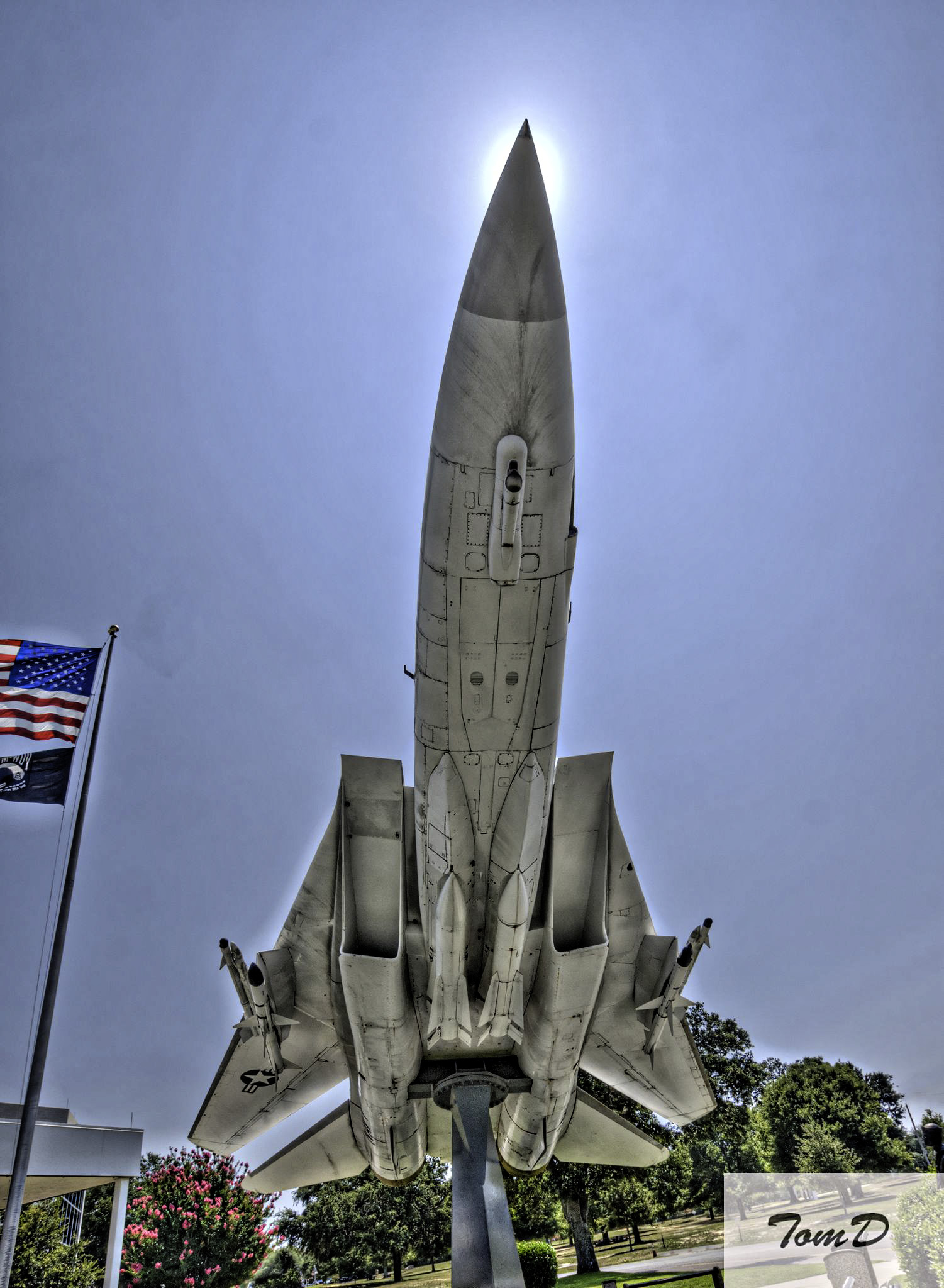
F14 TomCat: F14’s of “Top Gun” fame were the frontline Naval fighter, replacing the F4 starting in 1970 until being retired with the last units leaving service in around 2006. They were heavy, gas hogs, maintenance heavy, complex, expensive but damned effective. It’s fighter replacement, the multirole F18, isn’t as effective as a pure fighter
Due to an error by the webmaster (me), TomD’s latest post on military aircraft “Tom’s World – 10OCT2024 – Museum Aircraft – 5” was not published this morning as it should have been.
Instead it will appear tomorrow at 9am eastern time.
Please excuse this lapse. I’ve been juggling a few too many chainsaws of late and it’s beginning to take its toll.
While I’m doing aircraft I’ll up the picture count because I have so blasted many of them and we’d still be posting aircraft during the 2028 election cycle. (Slight exaggeration there.)
B25 Gunship: This was a WWII variant of the B25 when someone asked the question of “just how many 50 Cal machine guns can we hang on a B25 and have it still fly?” The answer was “Quite a few”. I’m pretty sure this variant was used exclusively in the Pacific Theater.
SONY DSC
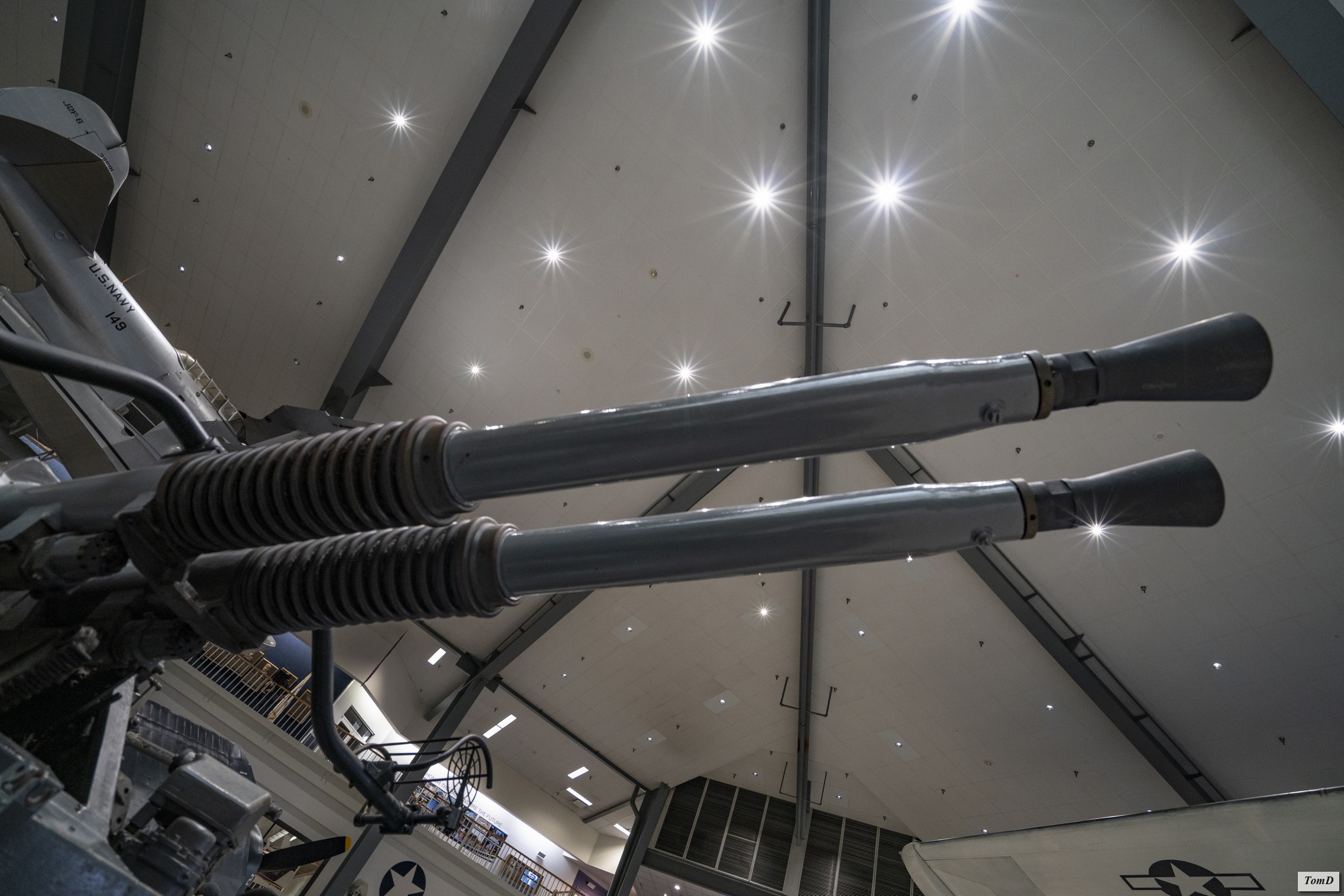
40MM Borfors: Another view of this famous weapon.
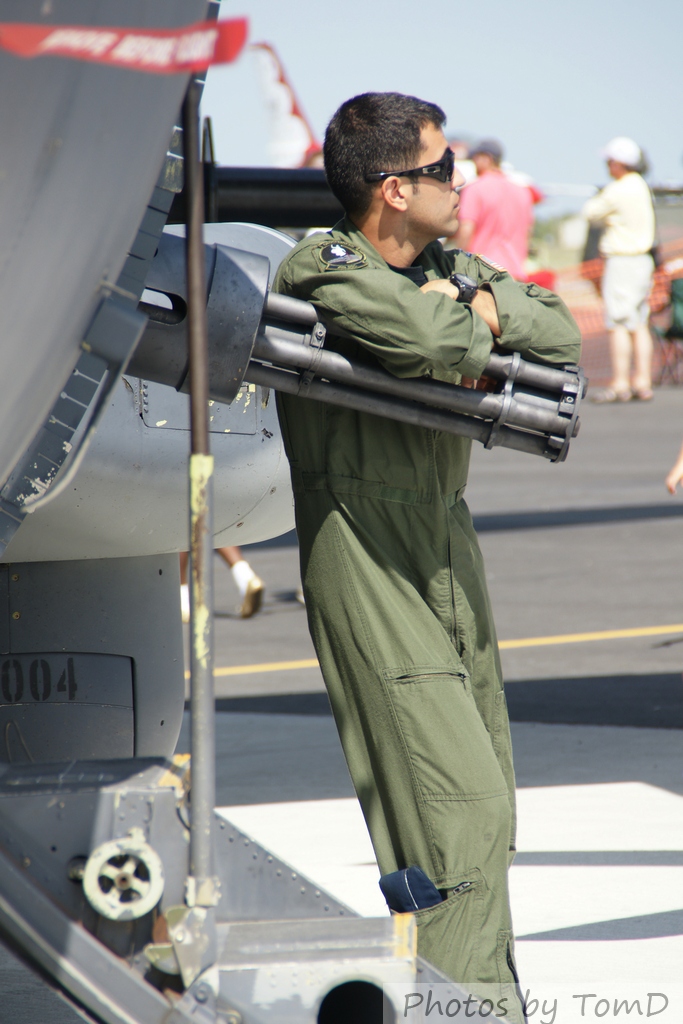
130 Gunship Crewman: Just lounging around as the civilians swarm around your aircraft.
SONY DSC
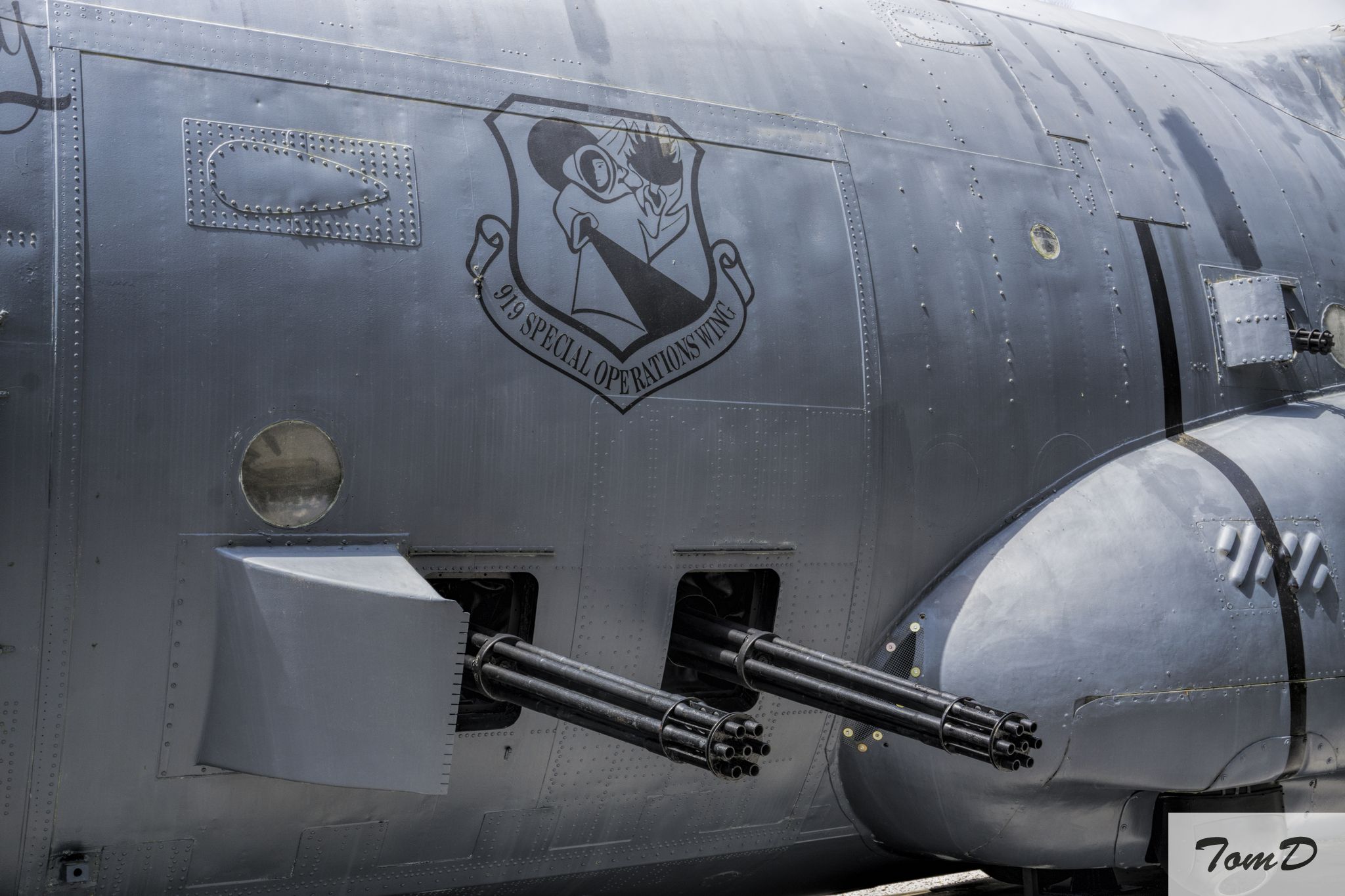
Armament on a C130 Gunship: This shot was taken on Hurlburt Field, the operational headquarters of most of the Special Forces and their aircraft support. Three mini-guns is unusual, usually there is one 25mm. This aircraft also had a 105 and a 40mm outside this view.
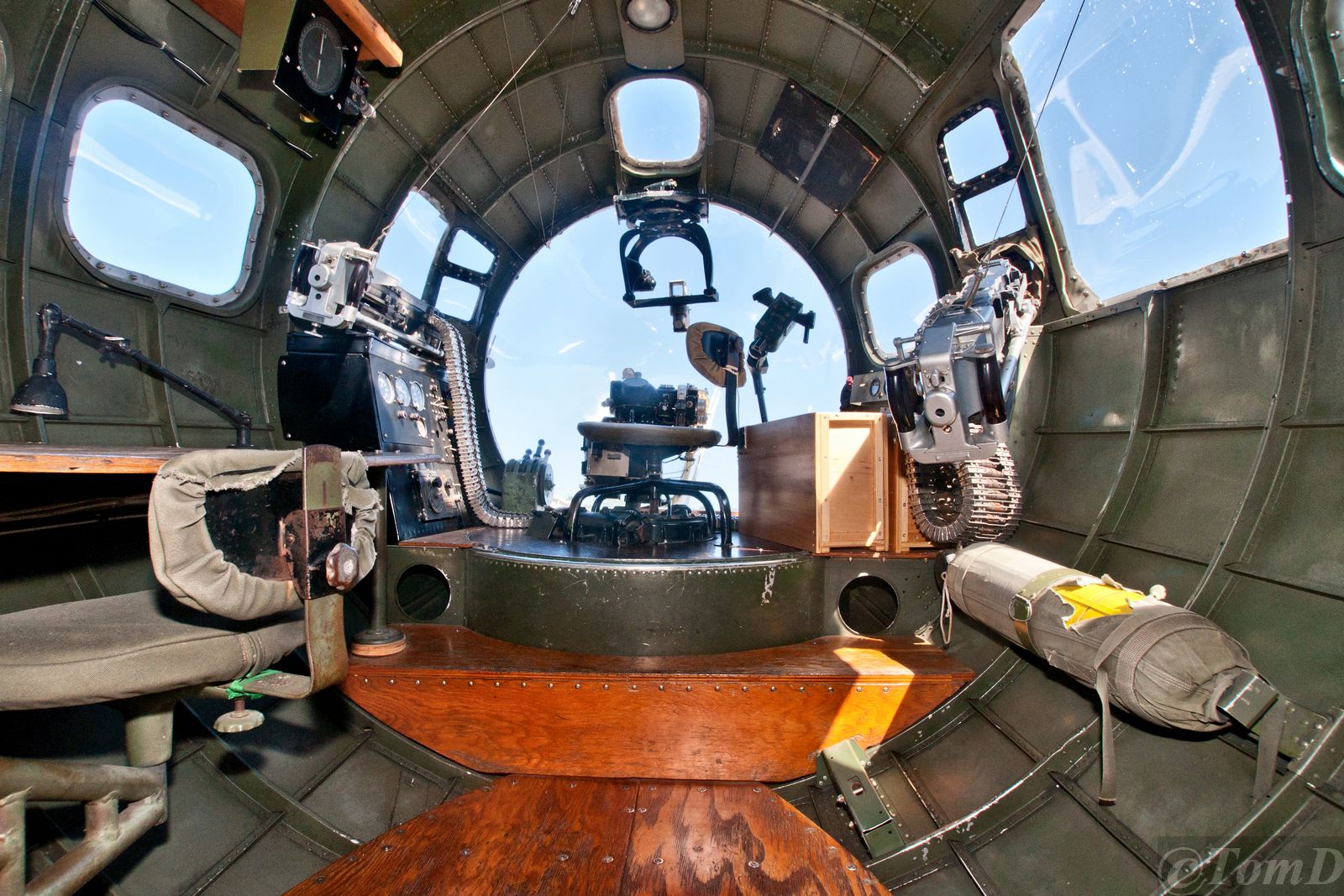
B17 Bombardier: Bombardier station for a WWII B17 bomber. The Germans shot these things down by the many 1,000’s during the war, each one representing the loss of 9 crewmen.Through 1943 and 1944, the probability of making it through a 25 mission tour was essentially zero. Both the German fighter and flack defence was viciously effective. Same story for the American B24’s and the various British bomber crews.
SONY DSC
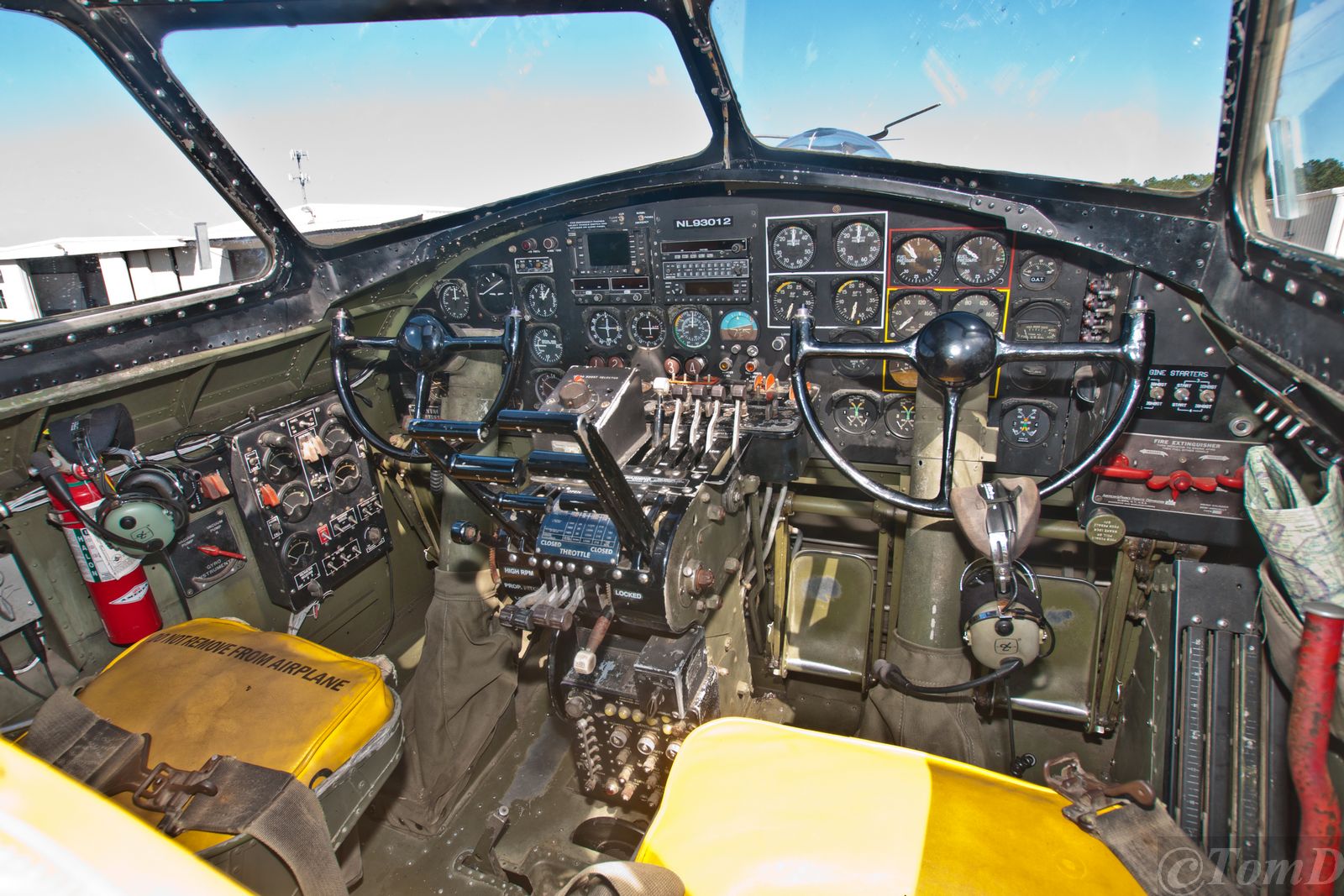
B17 Cockpit: Pilot on the left and CO pilot on the right. One of the tactics the German fighters used to great success was to come at the bombers from the front, avoiding the bristling 50 cal MG’s. Can you imagine being locked in formation, unable to maneuver, while a heavy cannon armed FW 190 comes dead at you guns blazing?
SONY DSC
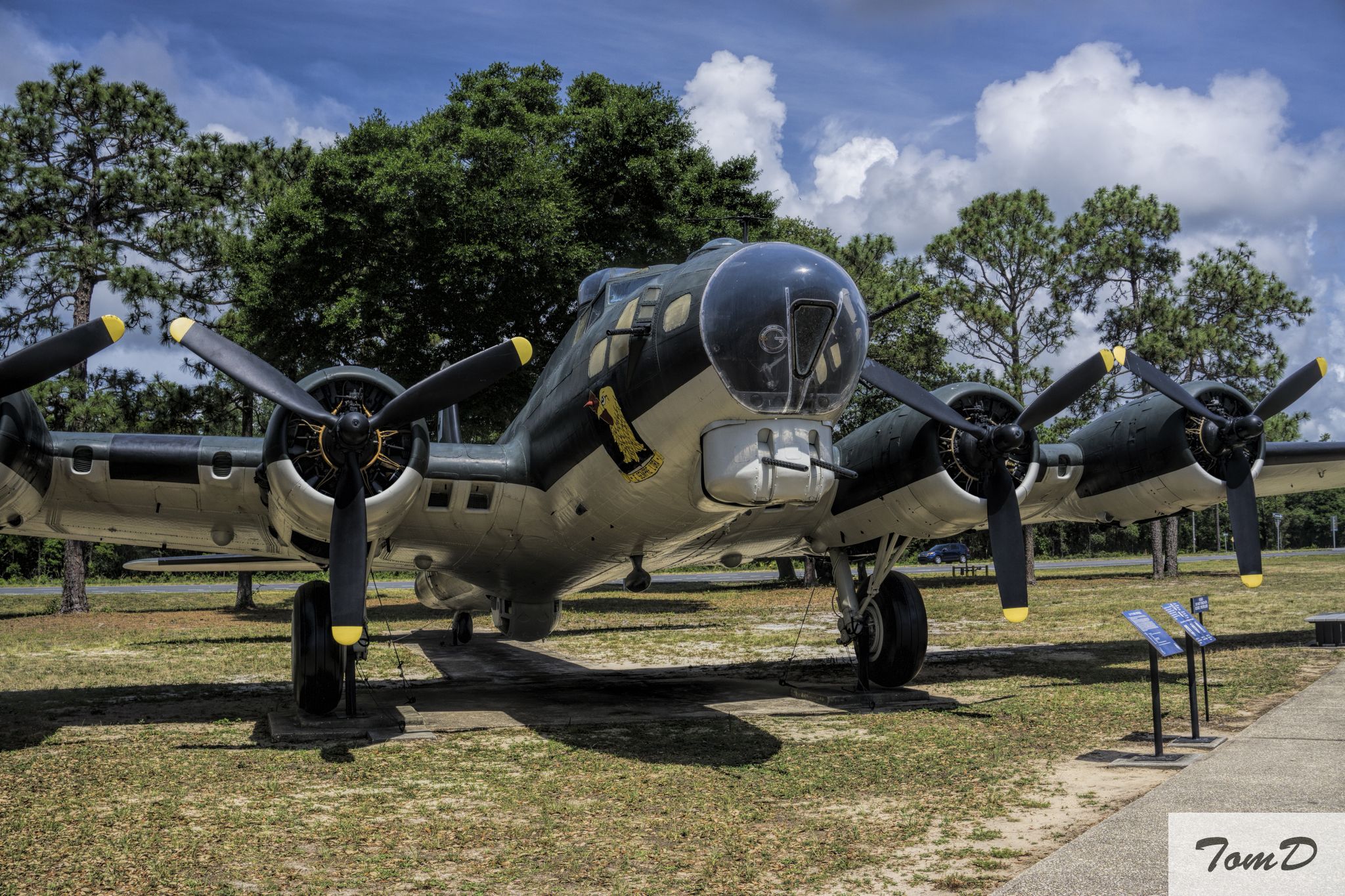
B17 Bomber: This shot was taken at the Air Force Museum at Eglin AFB.
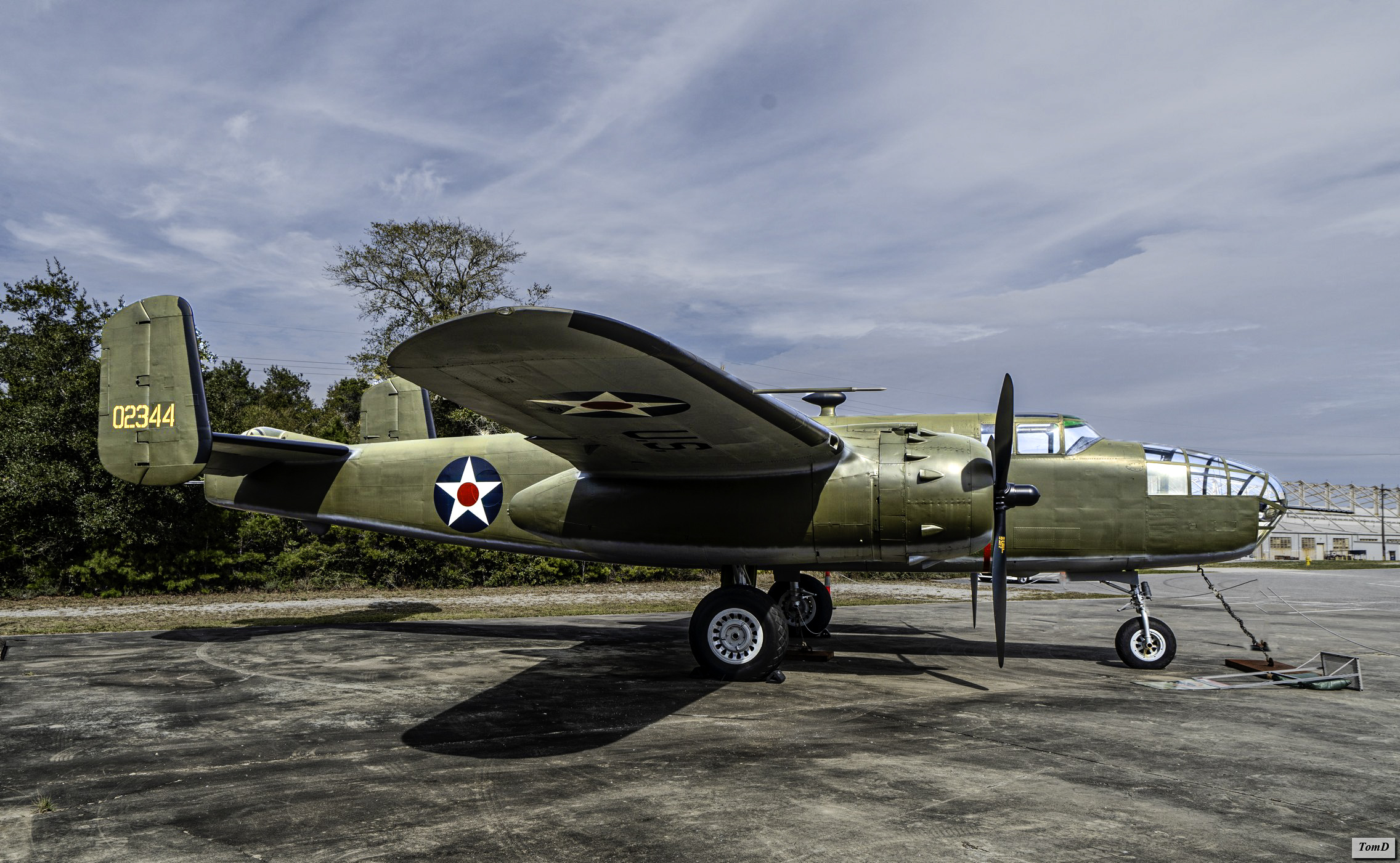
B25 Bomber: This is a side view of the same plane I posted earlier. Taken at NAS Pensacola.
Democrats policy is to screw things up and then point at the Republican co-conspirators and blame them for everything.
We have no business in the Ukraine, only by offering NATO statehood which under different presidents was not an option did we intentionally provoke a response from Russia. We almost went to war in ’62 over the weaponization of Cuba, and there is no land connection to the US. NATO statehood would allow for weaponization of a physically attached neighboring state, similar to allowing the arming up of Baja California, and expecting no response from the US.
The “wag the dog” scenario created by the MIC, and the state department to justify more expenditures on unneeded toys that have the newest “Gee, Wow” factor, and donors in your district co-opt many who enter the Swamp, there is no immunity to the corruption created in DC. It eats to the bone on almost everyone who succumbs to the lure of power.
Regarding the Israeli situation, I liked the simple elegance of arming the Hezbollah, Hamas supply chain with weaponized pagers. It was utterly ruthless, laser targeted, and minimally damaging collaterally. If you are forced into a defensive war you protect yourself from a 3 way attack, cut the heads off the snakes and let the bodies wither from neglect. Somebody did their job accurately, and correctly. Bravo Zulu from my viewfinder. I have no dog in the fight against Israel, and believe the Palestinians are a self inflicted injury upon themselves, they can not seek refugee status with any of their neighbors because they try to overthrow and disrupt anyplace they infest. They screwed up on Egypt, Jordan, Lebanon, and Syria when they were still possibly able to claim aggrieved status, now it’s sorta expected that they always bite the hand that feeds them.
They voted to be administered by terrorists, deal with it.
Update:
War Pig commented:
Israel can handle Hamas and Hezbolla. If Iran sends their special forces that may escalate things. If Iran tosses a nuke Israel can obliterate them in return. And if Israel has to throw nukes, Iran won’t be the only target, so the other naughty actors in the region will tamp Iran’s desires that way. Israel seems to have pretty good infiltration or Iran’s military operations.
If the Iranians want to use their navy to make trouble in the gulf, they can look back to 1988 when our navy’s Praying Mantis operation sank half of their navy in one union shift. Imagine what our navy could do to theirs now?
I just want to give proper appreciation to TomD for his excellent photo-essay series Tom’s World. His photography puts my own poor efforts to shame. And his choice of subjects has some wonderful groupings. His recent military aircraft series have been first rate.