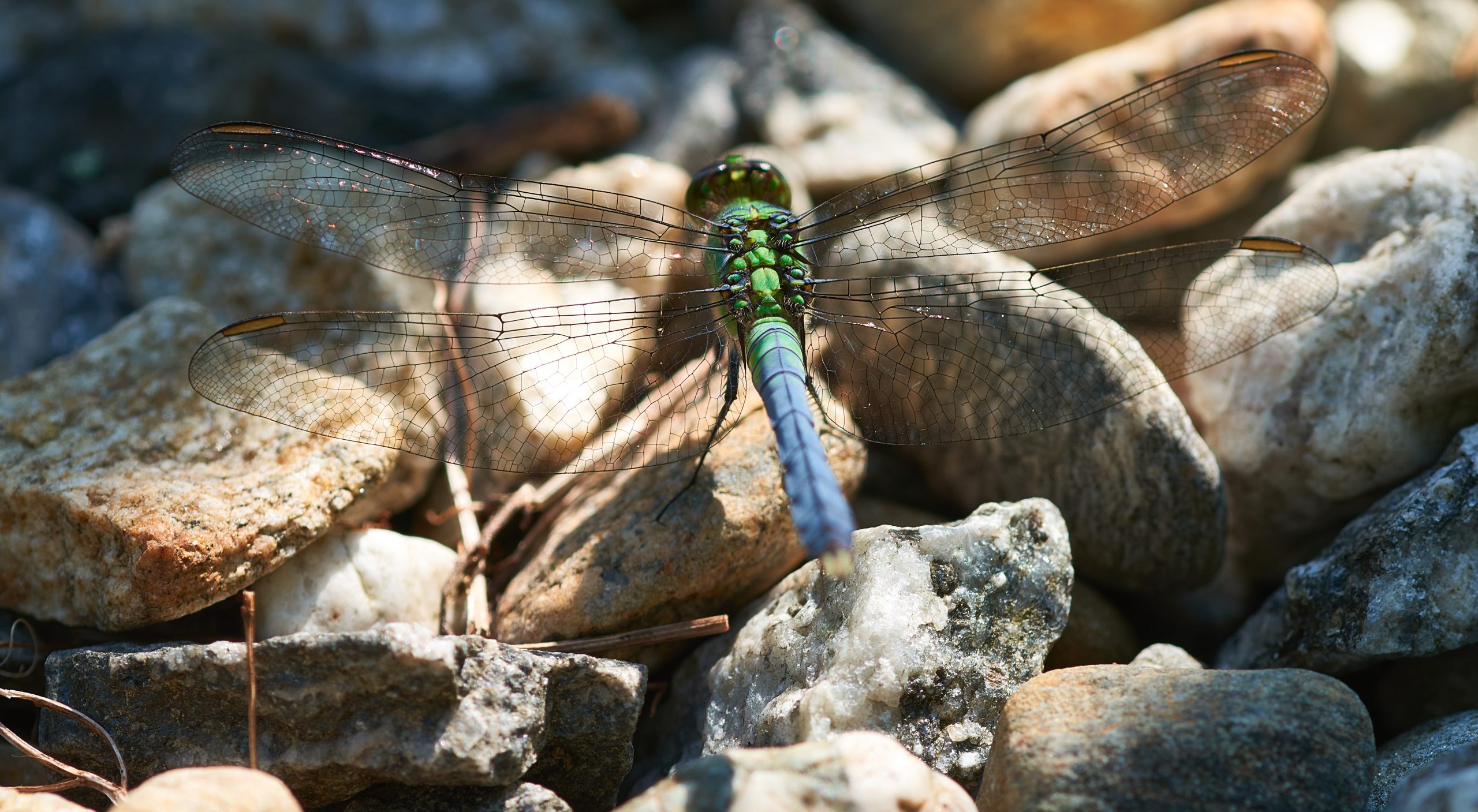
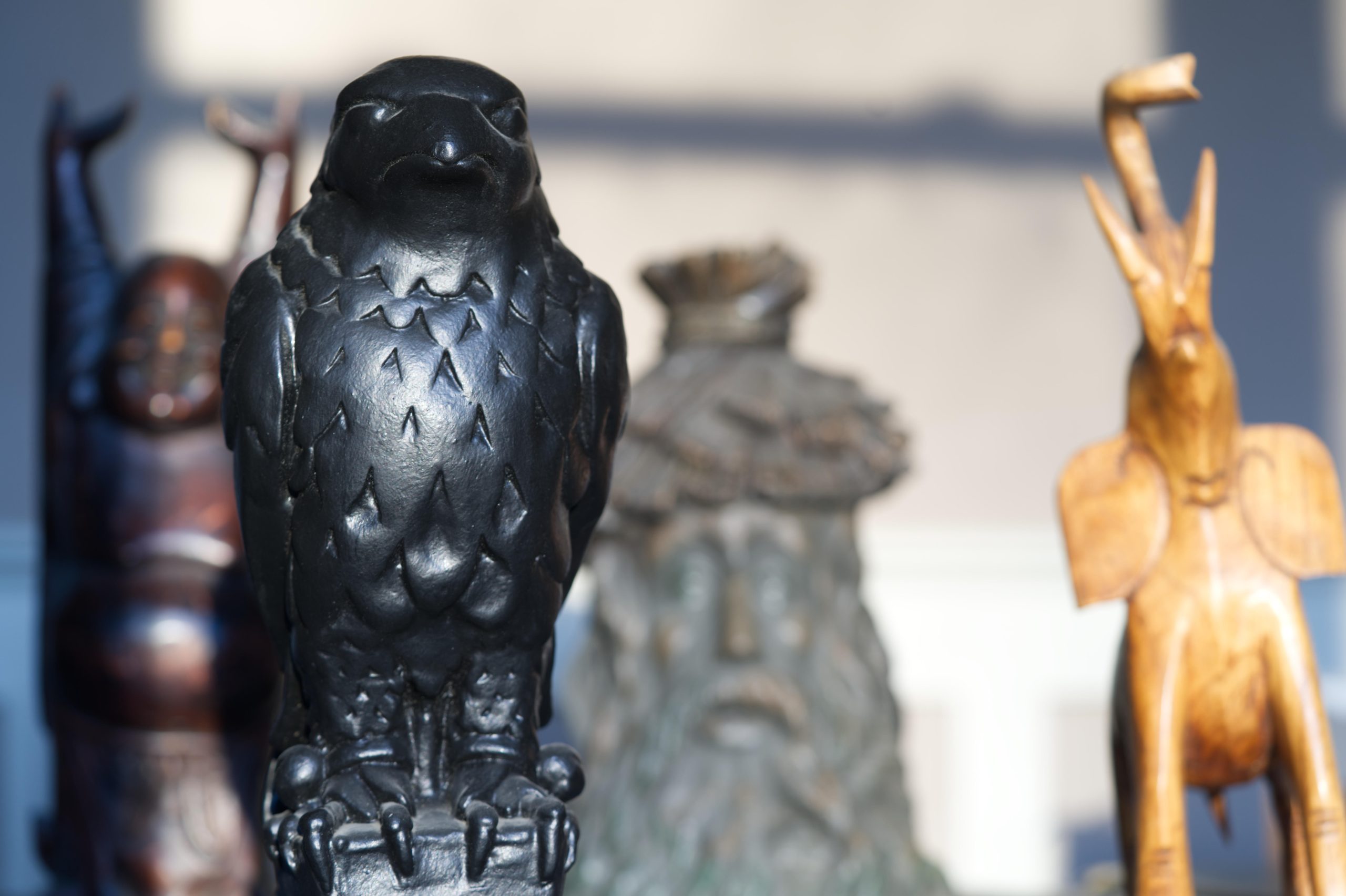
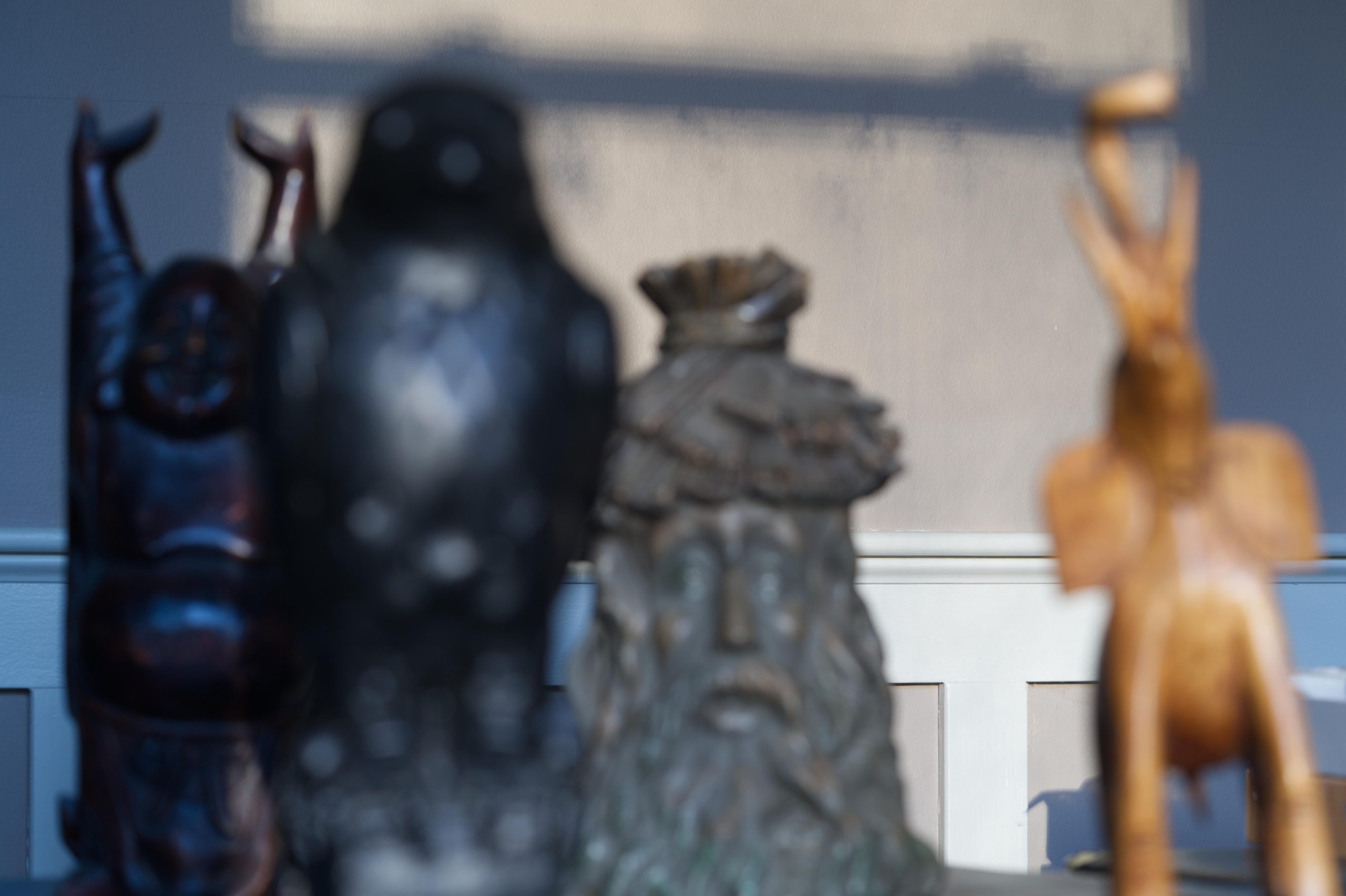
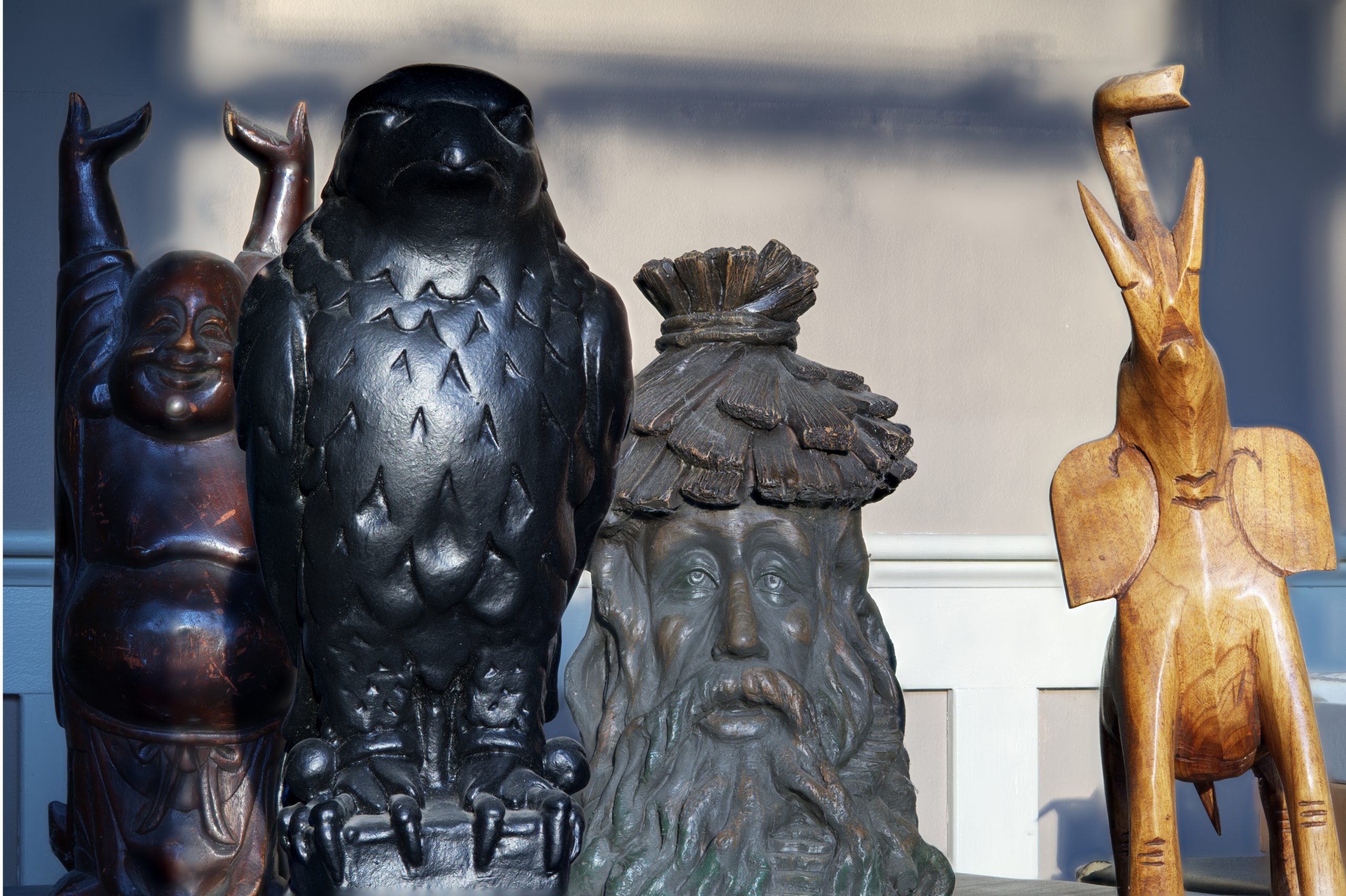
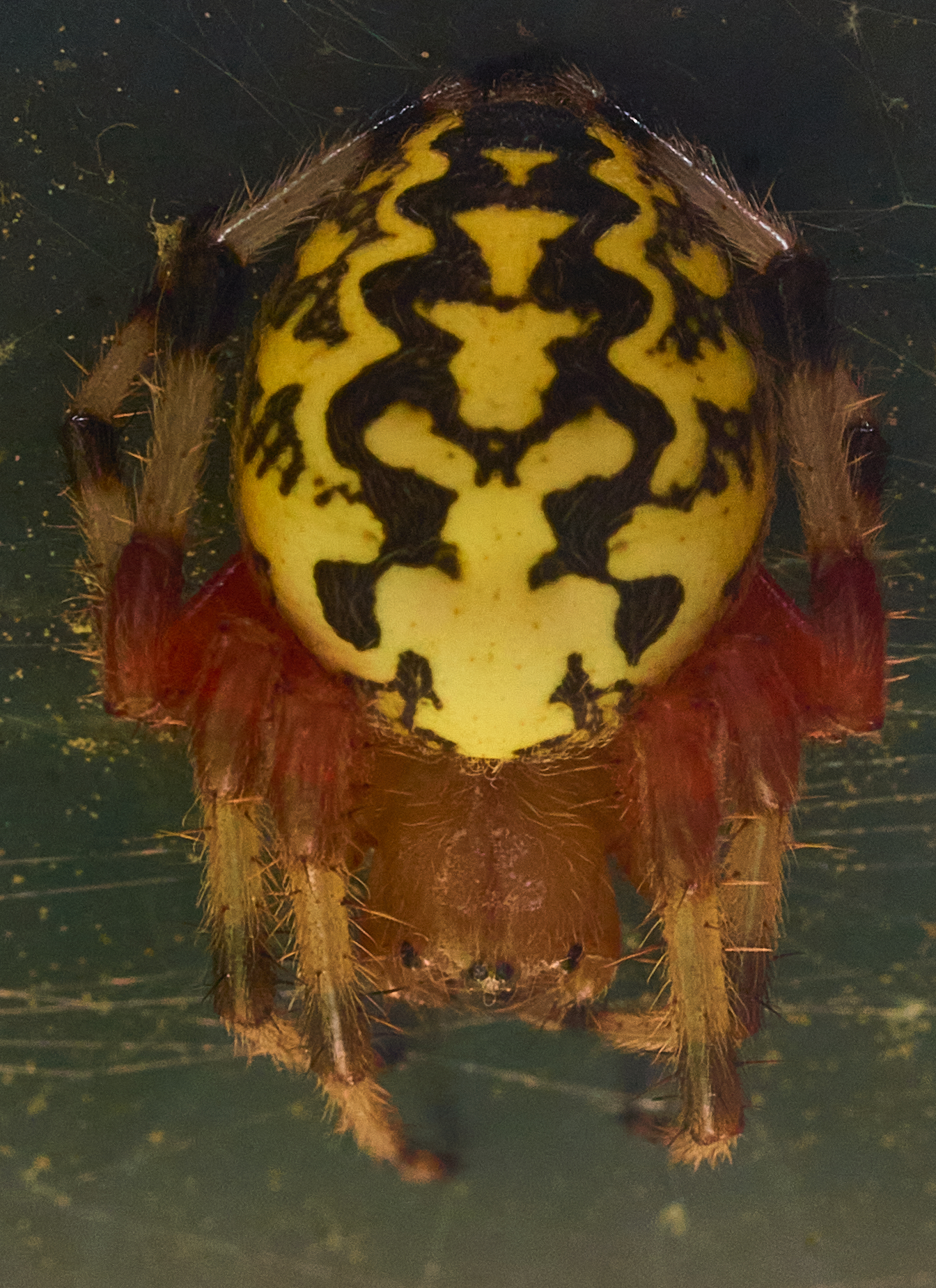
Yesterday, I experimented some and found what I consider the Achilles heel of the method. This isn’t a factor for inanimate objects but outdoor nature photography becomes difficult to say the least. I was trying to shoot a clump of red berries in a bush and then a flower (this is Florida)> There was no detectable wind the the 1/4 mph (or whatever) was just enough to move the subject 1/8” to 1/16”, just barely. That would have had little to no effect in regular photography but it totally ruled out stacked images for any purpose. That + the sheer length of time the subject has to remain motionless is hard in the wild. For my initial experiments, I was doing just 25 images with a 2 sec interval. That’s a life time in some circumstances but a bunch of articles recommended 100!
This is different from the focus stacking that i learned when I was in a camera club about 15 years ago. Then the shooting formula was still on a tripod, you would focus the camera on the nearest point you wanted, then the furthest and then input the number of steps that you want. Typically, it was along the line of 5 to 10 intervals, max.
The major downside was that the camera had to be tethered to and controlled by a computer. And the software was expensive.
At any rate, it looks as if this latest technique is limited to purely static subjects. But so to is HDR but to a much lessor extent. The most images you need in HDR is 5 and my camera will whip those out in less than a second. So you have some latitude.