The Middle Way

Lately my days have been filled with frustrating road blocks.  Things that should resolve themselves easily instead get bogged down in endless complication and delay.  Because of this I’ve been pretty stressed out.  So today while I was contemplating this it occurred to me that I shouldn’t allow days at a time to go by without any fun.  So, I’ve decided to try and add at least one fun thing into each of my days.

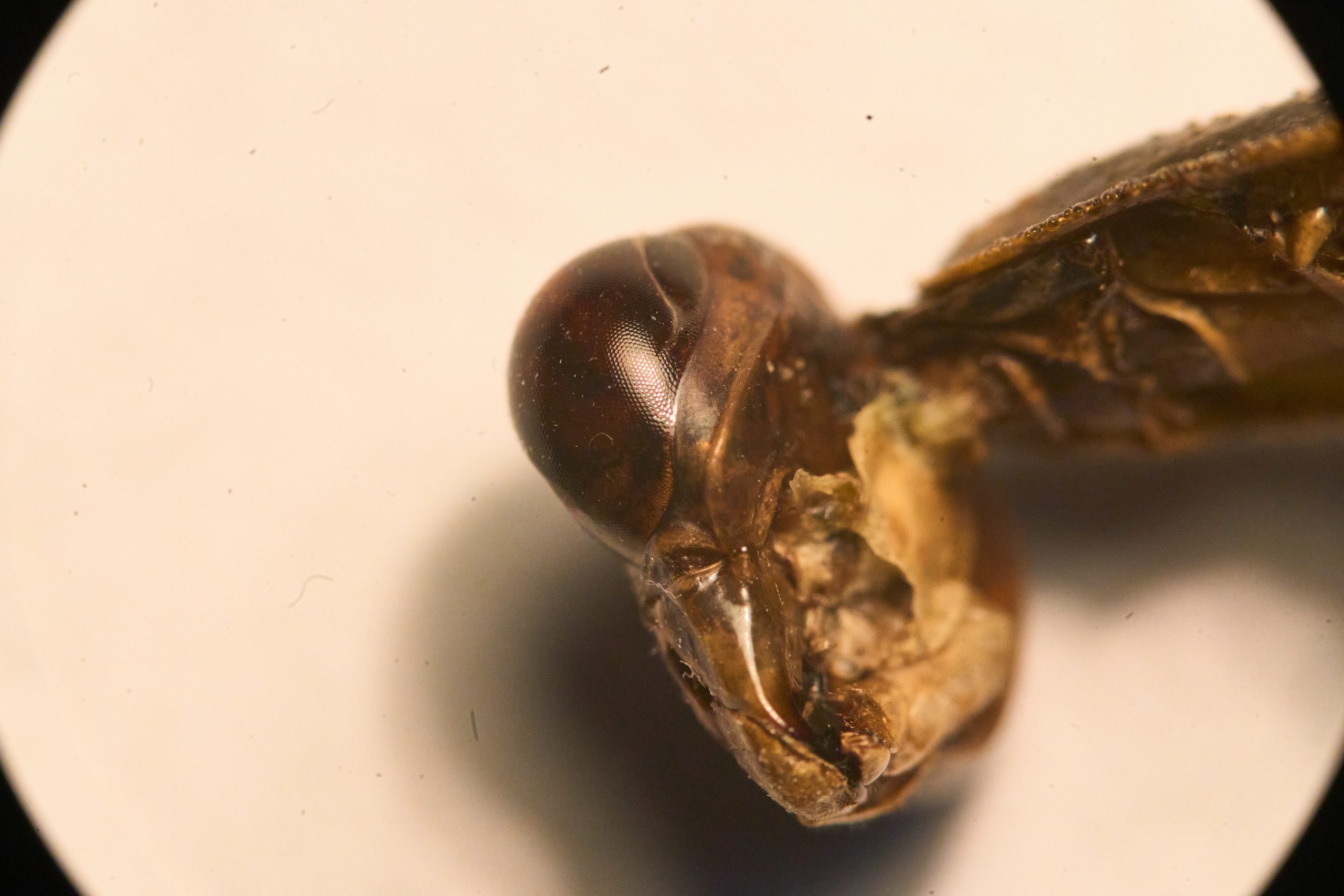
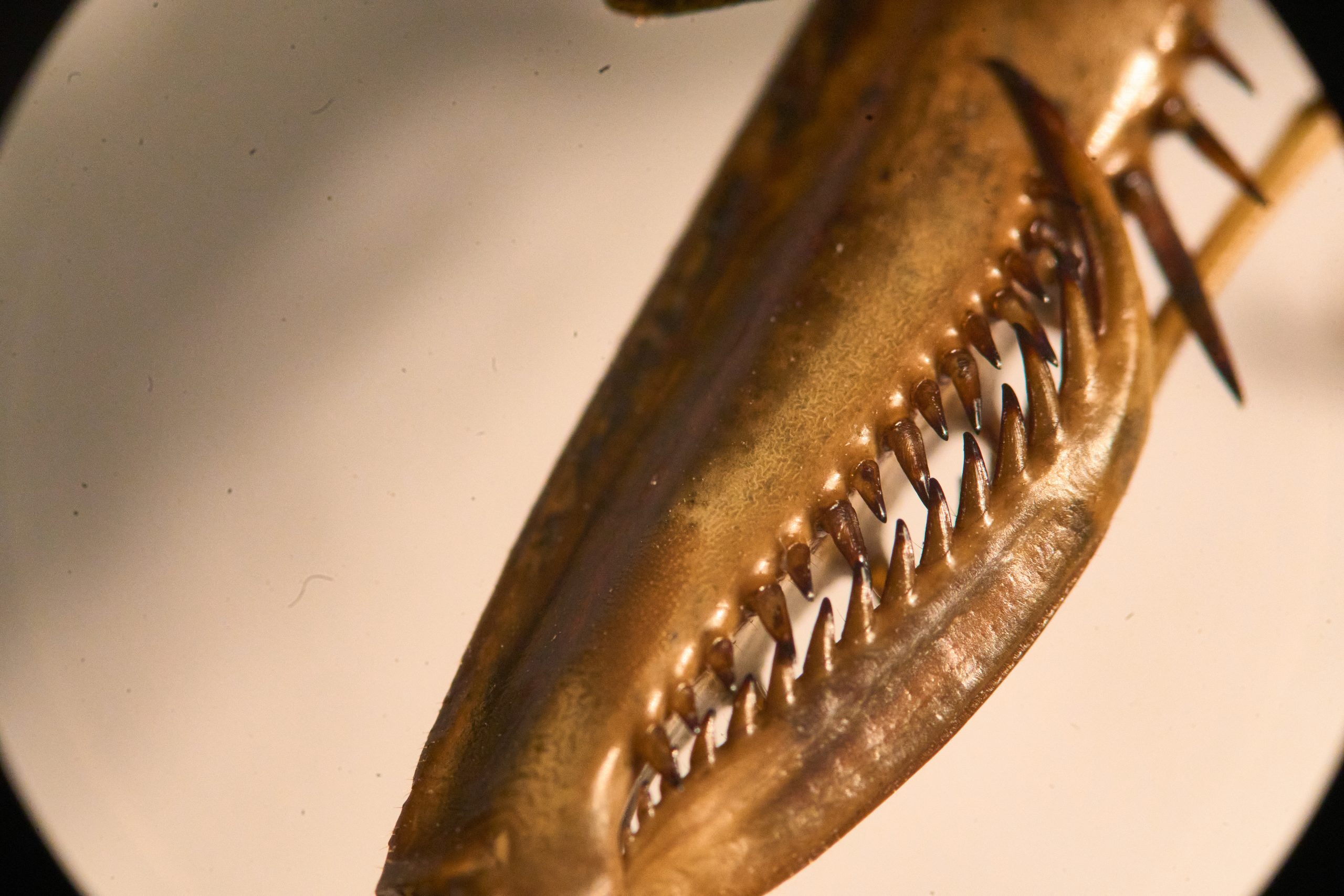
Sounds easy.  But what it means is that I have to first free my mind from the annoying things I’m trying to overcome and instead think up some small diversion that I can do in a short amount of time.  For instance, today I dragged out my camera, the Minolta 200mm f/4 macro lens and a bellows mount and started taking some macro shots of a dead preying mantis that I’ve had sitting on a house plant for a few months.

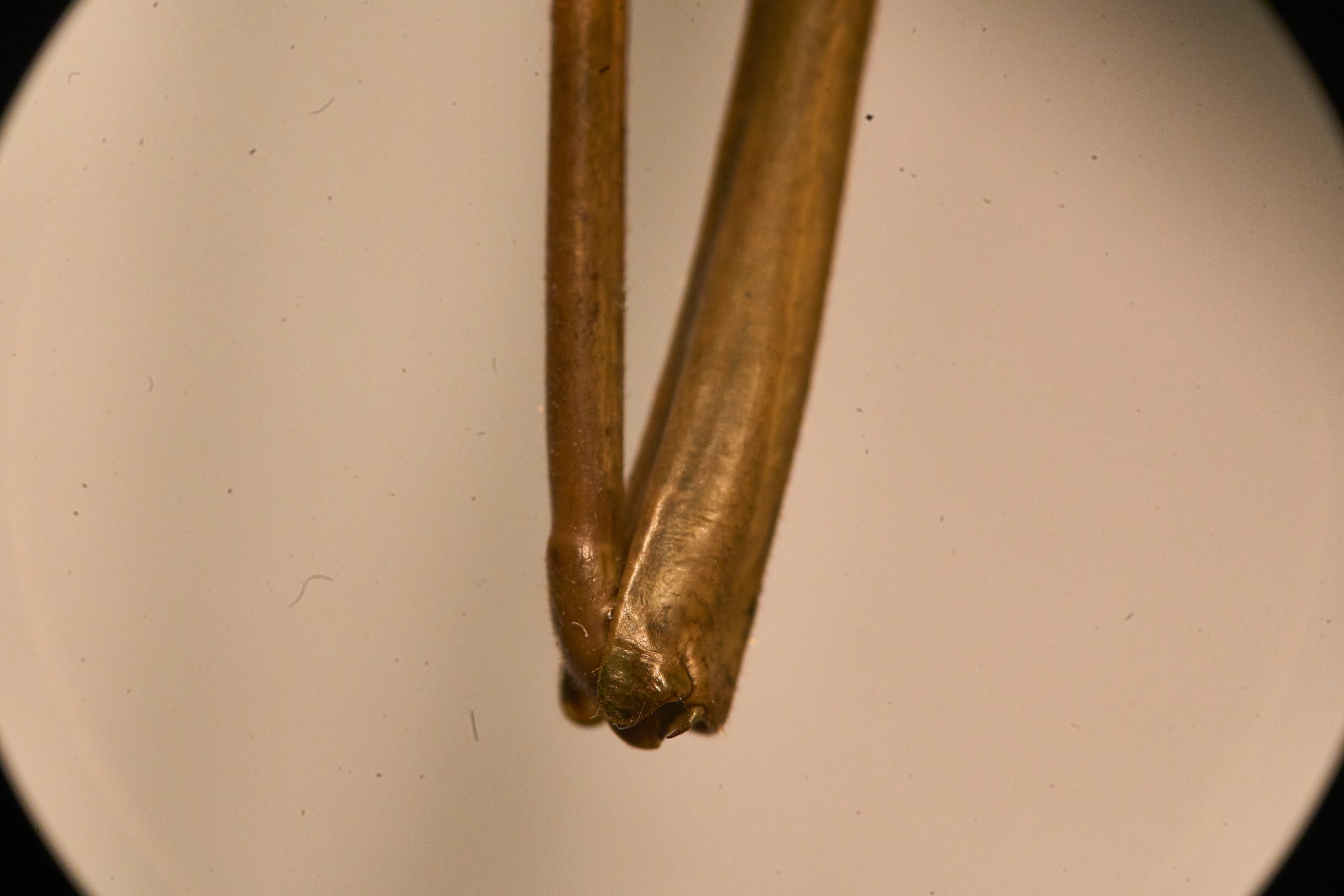
Now was this a terribly valuable use of my time?  No, not at all.  But it was fun and it got me thinking about what kind of a macro rig I’d like to set up.  The bellows device I was using had a bunch of problems associated with it.  It didn’t attach to my tripod very well and it was not rigid enough to avoid a lot of vibration.  But working around these issues was stimulating and fun.  And it made me think about something other than my problems.  It was a distraction and it lightened my mood brilliantly.

So, for the foreseeable future (meaning, until I get past my problems), I will be trying to add something fun to my days in order to stave off depression.  But in general, maybe I’ve hit on something worth pursuing.  I’ve never been someone who lived a balanced life.  My instincts have always been a sort of all or nothing strategy to most things in life.  Probably this was a matter of necessity caused by an almost pathological laziness that left me always forced into an eleventh hour, hail Mary effort to stave off disaster.

So maybe late in life I’ve discovered a miraculous unheard-of strategy; balance.

Tomorrow is a big family party.  But I think I’ll get up early and try to set up a focus bracket with the 90mm macro lens and some interesting macro subject.  I think I saw a dead spider down in the exercise area.  I think he might make an interesting target.  If not, I’ll find some still life thing; a feather or a coin or something.  And I’ll have some fun.

And that will leave Sunday to do some work.  I need to figure a few things out that have been stalled for a couple of weeks.  And then Monday and Tuesday are unavoidable hell.  I thought Tuesday would actually turn into a horrifying fiasco but blind luck stepped in and turned a horrifying nightmare into a merely tedious exercise in futility.  But just two days later and it will be Thanksgiving and that should be a wonderful way to recover.

Balance.  What did Siddhartha preach?  The Middle Way?
Plato Was a Dope

The original utopia was Plato’s Republic.  And in that hypothesized city-state one of the most important precepts for producing good citizens was proper education.  Now, if you’ve ever read “The Republic” you know it’s literally gibberish.  Plato proceeds from unsubstantiated statements to illogical conclusions throughout the argument he uses to design his state but one thing I think he was right about is the necessity for highly superior education.  So, my republics will incorporate the most scientific and practical methods for educating and testing the young in order to maximize their future value as workers and citizens and to provide a worldview that would allow them to harmonize with their fellow citizens.

Now, since I am not an educator or a psychologist, I have no fixed ideas about methodology or even the content of this educational regimen.  I will hazard a guess that mathematics should still have a very important place in these schools.  I think thousands of years of western educational practices has proven the link between mathematical learning and general mental fitness.  But beyond that I’ll say that identifying the curricula for the various levels and types of schooling is something that will be of the highest importance for these communities.  And by no means do I intend for schooling to be strictly academic.  Specific vocational training is something I see as extremely valuable for individuals of all types.  Even a particle physicist or a concert pianist could benefit from knowing how to solder a component onto his computer motherboard or snake a bathtub drain.  But all of this is tangential to the main reasons why education will be critical to making these communities successful.

The schools will identify the academic capabilities of the children and combining this with their interests the correct academic and vocational curricula will be provided as choices.  This should maximize the probability for a successful citizen.  But the schools will also educate children with the ethos and expectations that the community is based on.  In this way the young will align themselves with the goals that are expected from them as members in the association.  In this way, the likelihood that these later generations will fit in with the community is maximized.

As with every other aspect of the community, feedback from the testing will inform the goals and needs of the community.  For instance, suppose the community is lacking in machinists.  So, the forecasting will be used to increase the monetary incentives for machinists.  And so forth for whatever other imbalances occur.

And education can also apply to other aspects of life.  For instance, men and women need to find mates in order to produce the next generation.  Education can include counseling on adapting to married life and even providing a dating service to locate compatible mates.

Now, Plato had his citizens indoctrinated with myths that justified their strange lifestyle.  For instance, he did not want the nuclear family to interfere with the loyalties of his citizens and so the children were raised together as a pack.  And he had stories that supposedly reinforced this lifestyle.  I wouldn’t expect these optimized communities of mine to attempt to destroy families.  On the contrary, I would expect them to do everything possible to prove that their lifestyle and community provide the best human environment possible.

I wonder what aspect of my optimal communities I’ll talk about next?  Well, maybe that’s enough for a while.  I better post on something else tomorrow.

Utopia and Nukes

Okay, I said I’d get down to details in setting up “photopia.”  Well, where do we start?  The first question is how do you start such a thing from where we are now?  In the past the founder would be a prophet.  Moses, Jesus, Mohammad, Joseph Smith, L Ron Hubbard (!).  For my founding I’ll settle for a trillionaire with virtually unlimited resources of artificial intelligence.  Then he’ll have to be a humanitarian, a philanthropist, a lover of mankind.  Because he’s going to have to take the long view.  He’ll know that to save mankind he’ll have to start by rejecting a good chunk of humanity at the start.  Because as humanity currently exists, there is a definite percentage of the population that can’t be included in an optimized human environment.  There is a twenty percent group that is hopeless.  Some of them are uncontrollably violent.  Some are completely unwilling to do work.  Some are anti-social to the extent that they habitually commit various types of crime.  It goes without saying utopia has no place for such individuals.

The system that our founder builds must begin by trying to select a core of people that are unmistakenly outside of this 20%.  The only way that the system can be founded is to start with the best starting material.  So extremely careful biographical research into the initial candidates will have to be performed to rule out any unacceptable or even sub-optimal individuals.  Ideally, married couples and even families of the highest quality should be incorporated in the starting material.  This will build additional stability in the structure.

But one thing that will be true is that even within this foundation of selected individuals there will need to be a continuous weeding out mechanism for people who fail or for the offspring who will be identified as failures.  And if offspring are rejected, often the parents and siblings will find it impossible to stay inside the group.  And not because this community is a hermetically sealed bubble.  Everyone inside will be in contact with the outside world continuously.  But if children of group members become dangerous, they must be kept outside of the community and that is hard to enforce unless the rest of the family is ejected.  So, it becomes apparent that policing the group for anti-social activity will become one of the most important activities of the administrators.

And as I mentioned in the earlier installment of this essay, those who are ejected are given the equity that they’ve earned in the community when the leave so that they can find their own place in the world.  So, what exactly are the rules of this club?  Well, the founder gets to decide those.  If he’s wise, these rules are ones that will tend to increase stability, prosperity and social cohesion.  What exactly these rules are may be dependent on the values and personal traits of this “prophet.”  And ideally, there could be a number of different foundations to allow for the different but equally valid personality types that exist in our species.  And maybe some of these will be failures and some will thrive.  But over the course of time by trial and error a calculus for creating human communities could be derived.

Now, what happens to those who can’t be included.  Well, nothing.  They’ll be on their own.  This assumes that the larger human community still exists outside of these enclaves and that it has to deal with the full spectrum of human types.  And that is why prisons and welfare exist.  And that brings up another point.  How would these societies be viewed by the outside world.  My guess will be; poorly.  I believe many nations would try to destroy them or at least force them to accept members that they would reject.  And for that reason, the location of these societies may be one of the most important questions that the administrators will have to decide.  Of course, trillionaires can do wonders with the right amount of bribery.  But let’s just say that a nuclear weapons program may be a necessity for this utopia of mine.

When I write the next installment (and I may have to think about it for a while) I think I’ll talk about education.

photopia

“It has been said that history repeats itself. This is perhaps not quite correct; it merely rhymes.”

Theodor Reik


When I think about what is going on in the world, I have to wonder whether the nonsense that we see all around us can go on forever.  Now it goes without saying that human folly is a tapestry that envelops all of us in a pattern that generates pain, fear, violence and death at a prodigious rate.  And that there has never been a full century in history when the majority of human beings lived in peace and happiness.

And this isn’t anything surprising.  This is just what human beings do.  We’ve always lived in a state of wary hostility even when we were nothing but small family groups living around a campfire to keep the cave bears and sabretooth tigers at bay.  We’re not peaceful creatures.  We may live now in enormous groupings measured in the millions and even billions of individuals but at all times and in all places, we seem to end up at each other’s throats.  But, does this have to be?  Could it be possible for humans to organize themselves into groups that interact in ways that lead to long term and abiding cohesion and satisfying cooperation?

The track record for utopian communities is definitely poor.  Some of the religious groups have thrived and shown some ability to cooperate in many community endeavors but this is a small minority of the human race.  And even they can’t completely eliminate anti-social behavior.  Currently, communities that live in affluent areas and support a robust police presence and a conservative judicial philosophy seem to do the best at creating a workable human environment.  But as we’ve seen since 2020 the forces of chaos can unleash barbarism even in the most affluent areas of the country.

But what if technology can provide a system to guarantee both social cohesion and material security?  We’re seeing the dystopic version of this in the Chinese system of social control called the “Social Credit System.”  Here those who don’t follow the rules are blacklisted and denied access to various important social advantages like good schools and better neighborhoods.  But think of the opposite.  Imagine a multitude of organizations that figure out ways to find compatible people and build social systems that bind them together and allow them to thrive.  I imagine these as completely voluntary associations.  And if someone doesn’t work out, they get the equity that they put into the system and are assisted to find another association where they would fit better.  But such an ejection would be considered a failure by the organization, which would use the most advanced research to analyze personalities before candidates are accepted into the association.

In the next installment I’ll discuss what facets of life would and wouldn’t be included in these organizations.  And I’ll talk about what I think are the human realities that make something like this extremely difficult to pull off outside of a science fiction story.

Too Soon for Cabin Fever

Too many irons in the fire.  More and more “stuff” dumped in front of me to trip over.  Boredom, frustration, ennui, blah, blah, blah.  Okay, whatever.

So, I’m trying to concentrate on the important stuff.  I got my cover artist signed up.  He needs some information from me and I’m working to answer the questions.  I’m still waiting for some answers from the experts on small stuff and big stuff that has to be decided (when, how and how much).

And I’m looking to sell off a bunch of lenses I don’t use much and exchange them for that new 100mm f/2.8 macro lens from Sony.  It’ll be good to move out a bunch of stuff that’s just sitting around and concentrate on what I like to play around with.  I’ll probably also buy a macro rail and maybe some doo-dads that will let me experiment with tilt shift and other technical adjustments.  I was watching a video from a guy in England who does a lot of product work.  You know, pictures of corn flakes boxes and shampoo bottles.  He was demonstrating his technical camera.  It’s a digital “back” attached to a bellows with a lens on the other side attached to a support that allowed for all kinds of motion for the lens; tilt and shift and any kind of motion relative to the digital back.  In addition, the digital back can tilt and shift also.  This allows the image formed by the lens to strike the sensor either straight on or at any angle desired.  Now I think this is really great.  I’d love to have this capability.  But the numbers being thrown around for a medium format digital back and the other components runs into the tens of thousands of dollars (well, pounds for that Brit).

But it occurred to me that with a little ingenuity and a slight downgrade in kit (e.g., a full frame camera like my Sony A7IV instead of a medium format back) I might be able to get almost the same effects for very short money.  And since the winter is beginning to bite into my soul (we had the first noticeable snow cover this morning) this would be a marvelous time to distract myself from the realities of Dunwich in the winter.

Tuesday and Wednesday will be boring work days.  Saturday is another family party (great!).  A week from Tuesday will be a day of tedium not to be imagined and then Thursday is Thanksgiving.  I guess you must take the good with the bad.  But I’m not very patient.  Camera Girl is much better at that sort of thing.  She was raised to be hard-working and dependable.  I, on the other hand, am lazy, easily bored and unreliable.  I like to think this is because I am like my idol; Wiley Coyote, a super genius.  I like the way that sounds, WILEY COYOTE, SUPER GENIUS!!!!!!

I’d better cut this short.  It’s becoming too much like me talking to myself and that’s not healthy for anyone.  It’s too close to the scene where Wendy Torrance starts reading the manuscript that Jack has been working on and finds that it’s hundreds of pages of text that consists of variations on the sentence, “All work and no play makes Jack a dull boy.”  It’s just too early in the winter to start getting cabin fever.

Oh, Woe is Me

My life is already getting hectic again.  I’m working on getting my book cover drawn and I think I’ve found the artist.  He’s a fellow in France and his drawings are very skillful and artistic.  Much better than I need but I think it makes sense to have a talented person handling something that I’m completely unqualified to do.  My concept is a black and white sketch of a sniper on a rooftop aiming down at an antifa riot where one rioter in black bloc is getting ready to knife a business owner trying to protect his storefront from the rioters.  It’s basically a scene from the book.

Of course, not being someone who can draw I don’t have a feel for the sense of perspective and how that would affect the relative sizes of the several figures in the scene.  That probably will dictate where the vantage point of the viewer should be.  But that’s why I want someone skilled working out those kinds of questions.

And suddenly there are all kinds of details I’m thinking about.  Is launching a book before, during or after the Christmas shopping season the best time for an independent author?  Should I explicitly sub-title the book as a series?  And what about my nom de plume?  I’ve come up with a few names and they seem to break into two groups; rugged or literary.  As an example, compare Jack Fader versus Julian Lesage.  So many details, so little attention span.

So I’m busy with all of this stuff but the day job is being super annoying just when I thought it would be giving me a break.  Oh, the pain, the pain.  And simultaneously, the family holidays are coming up so I have to help Camera Girl prepare for the festivities.  So, this week I’ve been cleaning up the yard and putting stuff away and winterproofing the vulnerable areas of the Compound.  And every year that list grows.  I noticed today that a small back gate to one of the fences was blown right off its hinges by a windstorm this week.  I knew it was weakened but I thought it would last a little while longer.  But now I’ve got to do something permanent about it.

And this morning I’m sitting with Camera Girl in the dining room and looking out on a screened in porch I see some kind of medium sized bird fluttering around in the porch.  The wind blew open the magnetized doorway of the curtain just long enough for the bird to find its way in but not long enough for it to escape so I had to go to its rescue.  I arranged for its escape but did I get even a thank you from the ungrateful avian?  Nope.  Not even a friendly chirp.  But going out there brought to my attention just how much dust and dirt had built up on the deck.  There are whole areas of this place that I don’t set foot in for seasons at a time.  I do live in a very strange and inefficient place.

Well, now that I’ve complained about the problems I’m surrounded by and shared them with you, I feel a little better.

Lost World

The “Age of Mamdani” is upon New York City.  And anyone who frequently reads this site knows that I expect the bottom to drop out of the city in a way that will make the previous Democrat mayors’ terms look positively idyllic by comparison.

But as much as I indulge in seeming schadenfreude, it’s gallows humor.  New York City used to be a world-class city.  Even in its ruins there still exist some absolutely astonishing resources hidden among the squalor.

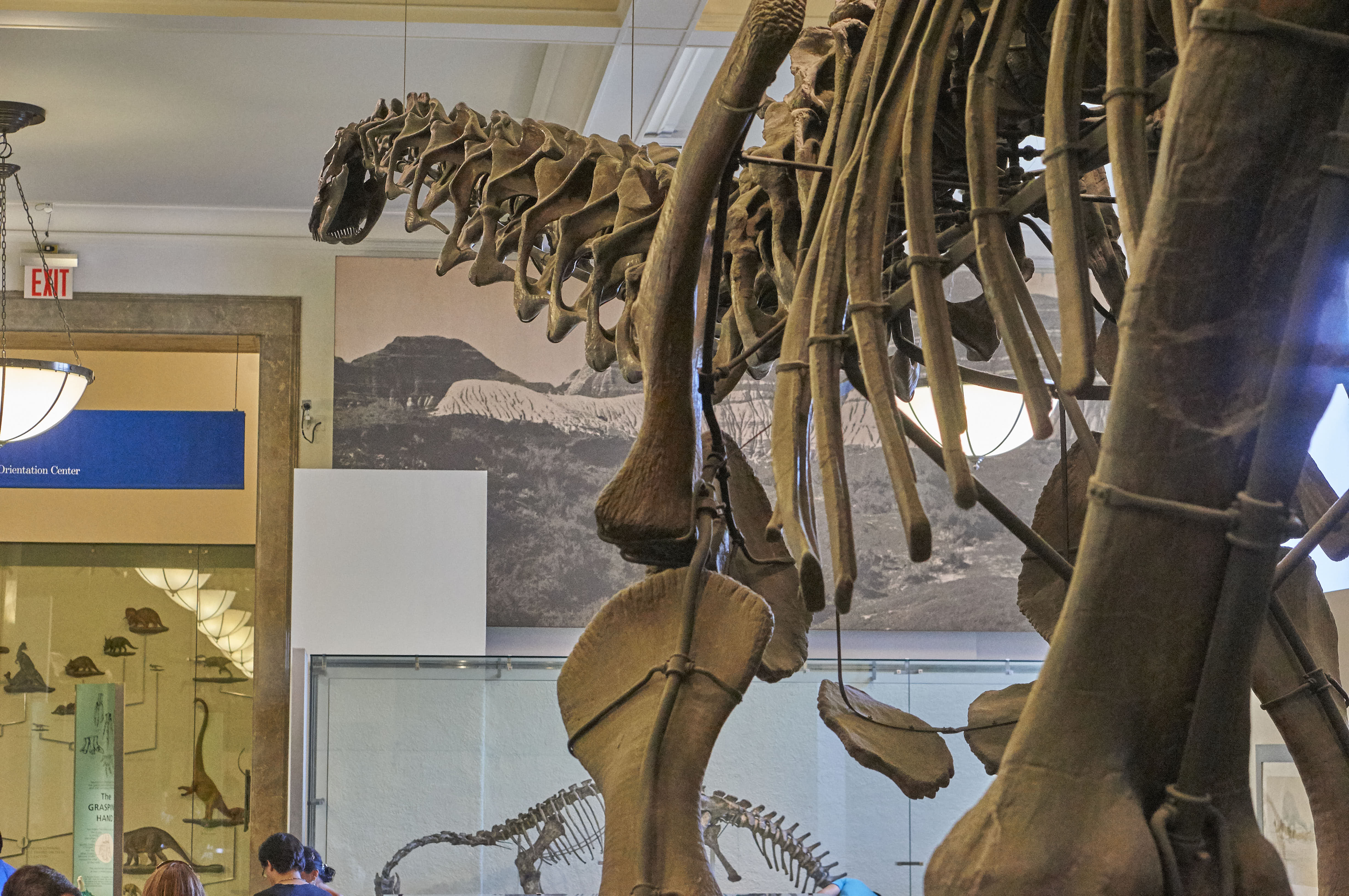
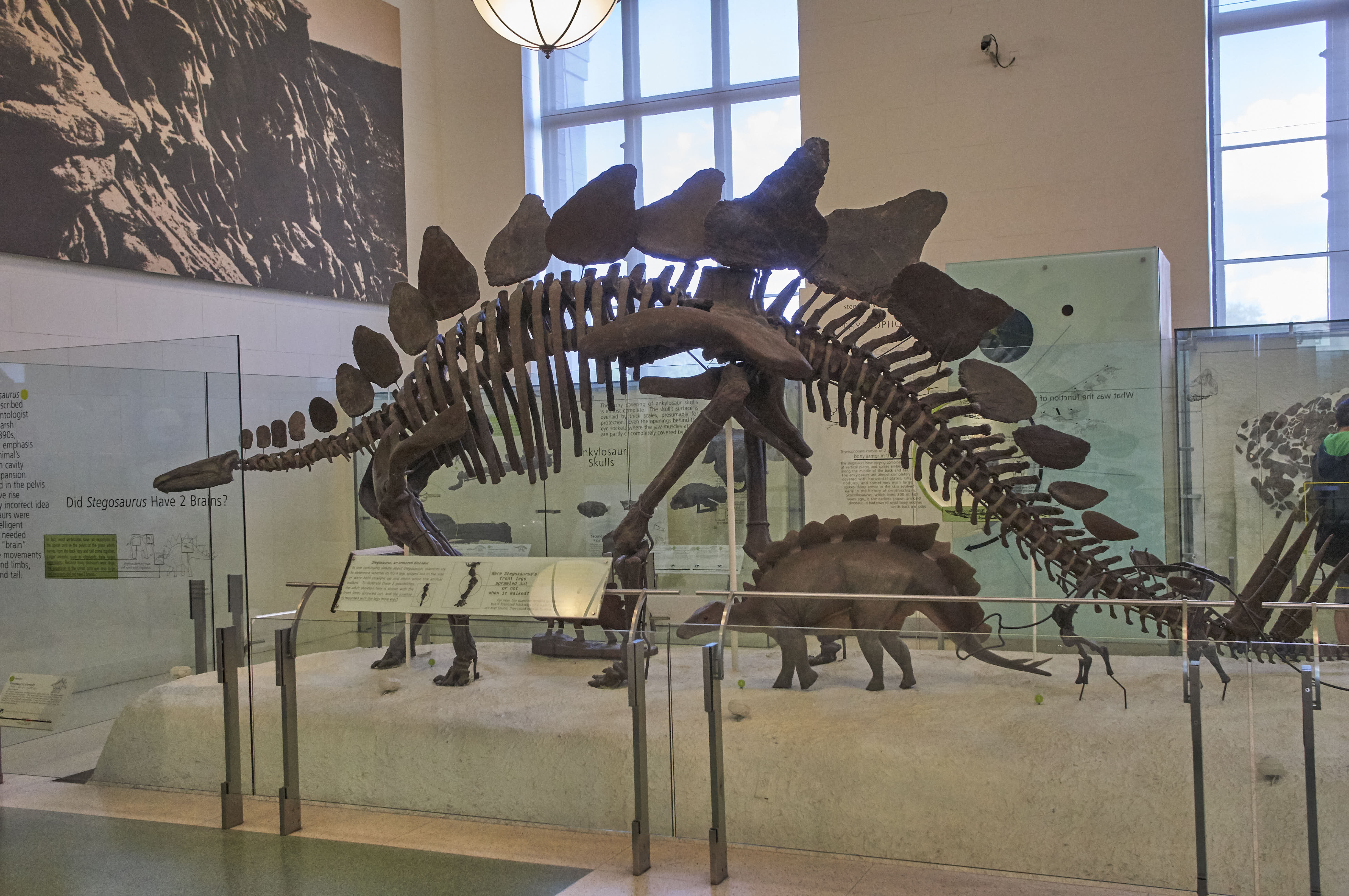
I’ll say something.  When I lived in New York my favorite indoor space was the American Museum of Natural History.  Ever since I was a kid barely old enough to walk I would wander around mesmerized by the dinosaurs and all the other creatures to be found in that magical place.

American Museum of Natural History, New York City, Sony NEX 5N, Sony 24mm F\1.8 APSC lens

And almost as fascinating was the Hall of African Mammals.  With the huge exhibit of a small herd of African Elephants and the other monumental creatures like the rhinoceroses a small boy could be transported to another world.

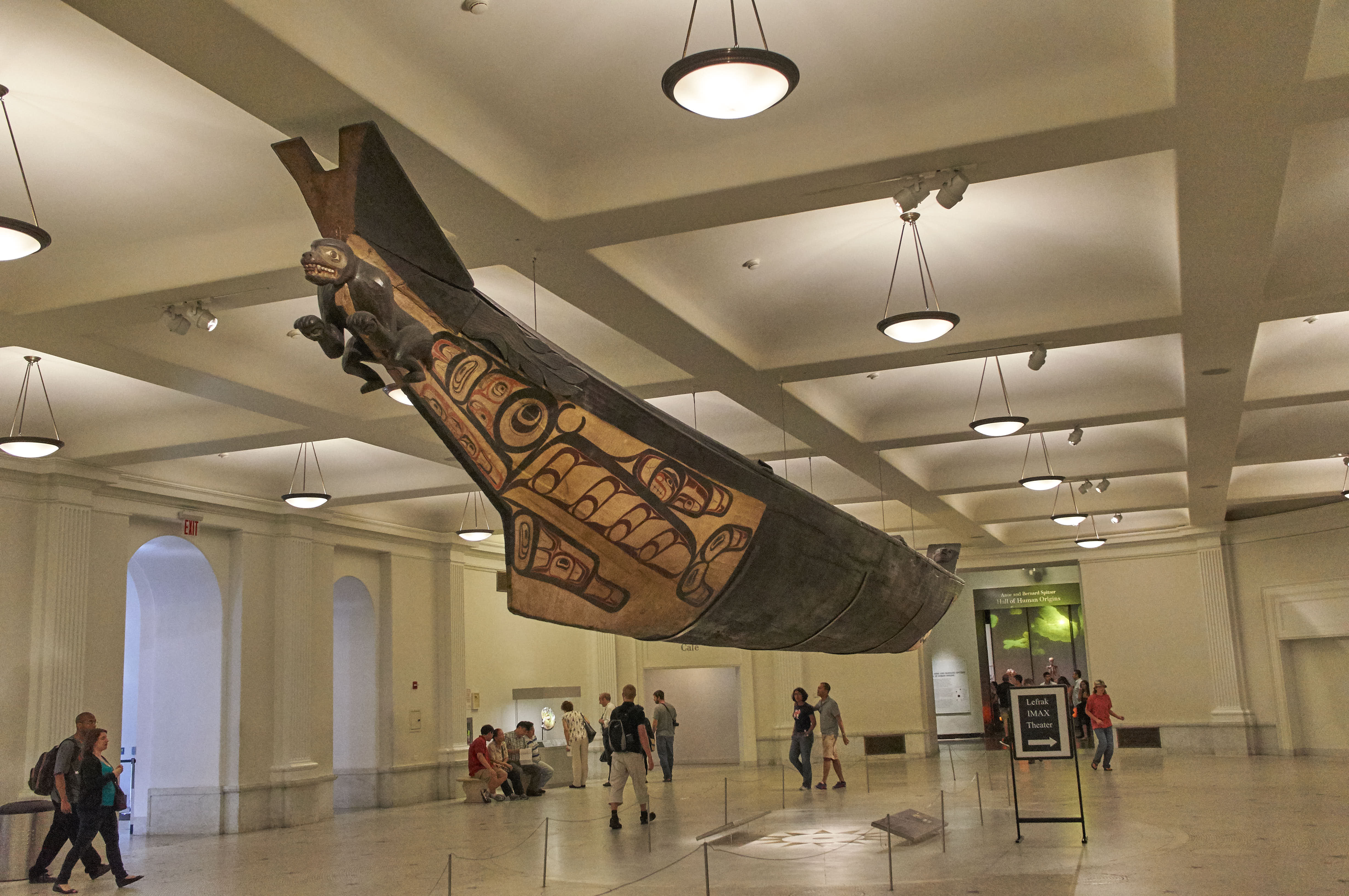
American Museum of Natural History, New York City, Sony NEX 5N, Sony 24mm F\1.8 APSC lens

But now this incomparable citadel of knowledge and wonder will be held hostage by people who hate the culture that produced it and made it into a legacy for all New Yorkers.  Already they removed the statue of Teddy Roosevelt that had stood for a century in front of the entrance.  Its motif with the “great white hunter” on horseback walking with the third world natives in their primitive costumes enraged the George Floyd crowd.  So it had to go.

Next thing you know some exhibit of primitive aborigines will outrage some woke group and that exhibit will be banned.

American Museum of Natural History, New York City, Sony NEX 5N, Sony 24mm F\1.8 APSC lens

And after that someone will decide that there just aren’t enough Palestinian exhibits or somewhere on a sign there is some vestigial reference to Christianity.  Probably someone will be triggered by a date still using B.C. or A.D. and more scrubbing will be needed or some other facet of third world life will need to be reinforced for the good of the public.

I guess I don’t anticipate dinosaurs becoming controversial but I guarantee something in the African exhibits will offend someone in the New York African American community and the wholesale purge will begin.

And when push comes to shove, I think I will feel worse about the loss of the American Museum of Natural History than about the whole rest of the city and its inhabitants put together.  I know that’s an awful thing to say.  But it’s true.  I guess murdering magic is a terrible thing to the little kid that’s still inside of me.

Eloi to Silicon-Morlocks

I find archaic human paleoanthropology fascinating.  The impact of better radioactive dating methods and now, DNA analysis has had a remarkable effect on the state of our knowledge.  Previously poorly-dated specimens were used to justify very late dates for when Homo sapiens, his predecessor H. heidelbergensis and the even earlier H. errectus left Africa.  More accurate information leaves it an open question whether sapiens evolved in Africa or Eurasia.  And the presence of H. neanderthalensis and H. denisoviensis and possibly other sister species of H. sapiens scattered around in Eurasia makes the point even more acute that our species radiated and developed and then remixed inside of Eurasia.  And the fact that all traces of Neanderthal and Denisovan DNA are lacking completely in Africa only highlights the fact that Africa became a sort of isolated group of populations separate from the evolution that was taking place to the north.

What strikes me as very interesting is just how quickly humans change in reaction to their environment.  Just look around at the appearance of modern humans the world round.  Various types of Africans, Northern Europeans, Southern Europeans, Middle Easterners, South Asians, East Asians, the Australian aborigines and the New Guineans, the Native Americans, the South Sea Islanders and many other groups have differentiated from each other over the course of not millions of years but thousands.  Our hair, eyes, skin, the shapes of our faces and many other traits have changed in order to adapt to our environments.  Even something as fundamental as blood types are affected.  We are an adaptable species.  And I think that because of human squeamishness we have been less than logical with our designation of what is a species, subspecies or race when it comes to man.

After all, we’ve managed to crowd all of the “races” of man into one species without the thought of sub-specifying ourselves.  But the Neanderthals and Denisovans (whom we know bred with humans) we kick into separate species altogether.  That seems a bit much.  I remember in old books we sometimes saw Homo sapiens neanderthalensis as a subspecies of ours.  Surely our “kissing cousins” deserve at least that small a consideration for providing us with a few percentages of our genetic material (not to mention red hair!).

In general, I’m not willing to toss any of our closest relatives under the bus.  H. heidelbergensis and H. errectus were present in Eurasia for a very long time along with these later editions and what seems reasonable is that the same kind of interbreeding and intergradations occurred at earlier times spawning other “species” of Homo that we either can’t distinguish or haven’t found yet.  And whether these archaic humans met in the Mediterranean or the more northern regions the same kind of mixing and changing was going on.

So, man is ever-changing and since our brain is our defining facet it makes sense that changes in our brains is where we’ll see evolution hard at work.  The only question is whether this evolution will be untrammeled or will it be directed.  Artificial intelligence is the prize that technologists and industrialists tout as the future.  Will our brains be replaced with silicon?  Will we be turned into zoo animals that eventually will be euthanized when we’ve been rendered powerless?

I tend to think not.  I’m betting on the hominins.  For all our bad habits and shortcomings (and there are many) I think there is a greatness in our line.  I think we can still find our purpose on this planet.  And I don’t want to disown any of our kin here on Earth.  We fight each other and hate each other for our differences and just because we want each other’s stuff.  But that is part of being human.  We still have time to figure out a way to get along regardless of all our differences.  And as our brains get stronger so we will.  We have some important fate ahead of us.  And I doubt that it involves becoming Eloi to Silicon-Morlocks.

What’s the Deal with Book Editing?

Tuesday morning, I have a telecom with a book editor. My marketer provided me with the name and I’m going into this with absolutely no expectations and only slightly more understanding of the services.
As is now my habit I went to Grok and asked it. “What are the various types of editing that a fiction author might contract for his book.”
And the LLM responded in part:

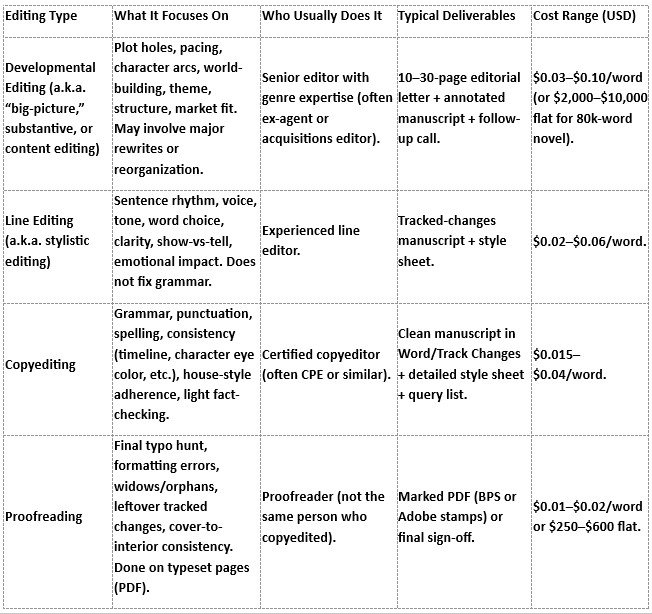
“Below is a breakdown of the main types of professional editing that fiction authors typically contract for, listed in the usual order they occur during the publishing process. Each level assumes the previous one(s) have been completed.

Now, this is a lot of stuff. And if you add it all up for even a short 65,000-word novel (like mine), it’s at least, several thousand dollars.”

That’s a lotta dough.
So, my intent is to listen and take notes and see just how much in the way of editing I want and/or can afford. I intend to be open about my lack of a trust fund and my unwavering faith in my literary muse. So that should eliminate the developmental editing and line editing functions from the discussion. And honestly, even if I had endless cash to spend, I think I want the words and ideas to be my own and in the voices that I’ve invented.
As far as copyediting and proofreading, I guess I’ll decide whether the benefits justify the costs. After all, I can spell pretty well and for the most part spellcheck does tell me what bothers it. And I did do a pass through the manuscript myself already so I think it would have to be a reasonable fee to win me over.
But regardless of all my reservations I find it stimulating to go through these processes in publishing a book. After all, I’ve been reading professionally published books all my life and I’ve never seriously considered what value was added by the editor. I mean, if the author had terrible spelling and didn’t pay attention to normal grammar and orthography maybe that would have bothered me as a reader. But I’m guessing that the golden age sf writers were all pretty reasonably literate and capable of providing a clean manuscript.
But now I’ll speak to someone who does this for a living and maybe I’ll get a perspective I didn’t consider. Well, we’ll see. Maybe I’ll decide to buy some editing.
And I’m still waiting for the cover artist to get back to me to discuss that piece of the puzzle. Well, one thing at a time.

So, Bring It On

Ever since humans began to practice an agricultural lifestyle, we have become entwined in a larger social structure than the family or tribe.  The much greater population density made possible by agriculture guarantees that independent existence disappears.  You live in a town or a district along with other farmers and tradesmen and the employees of the government that guarantee that the king (or duke or headman) gets his piece of the pie from your harvest.  And then there’s the Temple of the Gods and their priests who also need to be paid.

But in exchange for this taxation, you are protected by the king’s soldiers.  And the priests pray to the gods for you.  And living in this society you have access to coinage which simplifies the process of buying and selling the things you have and want.  And in this society, there are doctors (sort of) and craftsmen of all kinds producing products made of wood, stone, glass, clay, copper, bronze, iron and all the other materials that men work.  And if you happen to live in a really enlightened place you might get to watch a dramatic, poetry or music performance.  And if you are among the elite, you might even become a scholar and learn to read.

And over the centuries, the advantages of living in a civilized state have grown increasingly valuable.  If you live in an advanced society like ours, you will have access to cutting edge healthcare that has the potential to extend your lifetime to close to a century.  You can board an airplane and fly to a country halfway around the Earth within the same day.  You can learn science that explains the secrets of the universe.

But you can never be free.  You can never be independent.  You are tied to this society with ten thousand threads that bind you to the gigantic machine that is our civilization.  No single man.  No grouping of men can ignore the rules and the requirements of our human world.  Not even someone like Elon Musk can just do what he wants.  We all exist in the matrix of this human construct that carries us all along in a direction that we don’t control and can’t even predict.  We’re like cells in a collective organism.  We think of ourselves as independent entities.  But we are pulled along by the collective and must live in its shadow and survive its actions.

But how does it get better?  Well, human society is only something less than ten thousand years old.  So, this new multicellular organism is in its infancy.  It hasn’t had a chance to evolve very much yet.  And that is the hope.  That we will evolve this organism into an efficient and healthy creature that keeps all of its component cells healthy (and mentally happy).  It’s possible democracy is a mutation that will improve the self-regulation feedback loops that keep the organism healthy.  Or maybe not.  Maybe it will be replaced by something else.  From inside the beast, it’s hard to tell whether any progress is being made.  Mostly it feels like chaos.  But after all, the whole thing’s a miracle to start with.  So, bring it on.