A Million Miles Away

In the last week or so there have been a number of reports about large drones flying over New Jersey and New York City.  When reporters have asked the Department of Defense and the FBI about this they were that the drones are unidentified.  But at the same time there was no sense of urgency by these agencies to calm the civilian population by assuring them that an investigation is in effect.  It was more or less a shrug of the shoulders and the comment that local law enforcement would handle these mysterious craft.

A congressman from New Jersey posited that there was a rumor that the drones were Iranian and that they were associated with a “mothership” based off the east coast in the Atlantic.  The Pentagon spokesman denied this and said there was no indication that the drones were foreign or controlled by adversaries of the United States.  But at the same time there was no indication how this could be known if the drones were unidentified.

So, then what is going on?

Well, of course I can’t prove anything.  But it occurs to me that Iran makes a lot of military drones and Russia uses an enormous number of military drones in the Ukraine war.  And both those countries are looking to make trouble for the United States because of military actions we have currently going on in their neighborhoods, in other words Syria and Ukraine.

Maybe they’re sending a message that they can retaliate for the attacks going on in their world.  Or maybe they’re scouting around to find the easiest or the most valuable targets to hit.  Well, isn’t that something!

And, of course, all of this is in response to US initiatives that were activated after the Democrats lost the November election.  After November 5th the United States gave Ukraine permission to use long range missiles in the Russian homeland.  And of course the toppling of the Assad regime by American proxies just occurred in the last week.  So, the State Department and the Department of Defense unleash chaos around the world and the blowback from it will hit home about the time President Trump is inaugurated.  Isn’t that something!

For me this just reinforces what kind of psychopaths we have running our foreign policy.  Antony Blinken and Victoria Nuland play their color revolution games with foreign countries and the blowback will be felt by innocent Americans and especially by our military that shouldn’t be put in harm’s way for egregious adventures that only alienate the rest of the world and benefit no one except the military contractors that feed off of the arms buildup that follows after these obscene plans are put in action.

Well, there’s basically nothing that can be done until that undead creature is finally packed into his mummy case and carted away from the White House.  Maybe we’ll get lucky and the other shoe doesn’t drop before January 20th and Donald Trump can inform our adversaries that sanity has reasserted itself over US foreign policy and that all ticking time bombs will be deactivated and we can start from a simple position of mutual hatred but without the added factor of sociopaths with delusions of grandeur running foreign policy for the world’s deadliest weapons stockpile.

Well, anyway, I’ve got my fingers crossed and I’m usually a pretty lucky guy.  It’s less than 40 days but why does it seem like a million miles away?
Michael Anton to Return to a Trump Administration Job

Donald Trump announced Sunday his selection of Michael Anton to be the director of policy planning at the State Department under the prospective secretary, Sen. Marco Rubio (R-FL). Anton held a position on the National Security Council during Trump’s first administration, and was also appointed by the president to the National Board for Education Sciences.”


Anton to Lead State Department Policy Planning

Anton famously wrote the “Flight 93” essay during Donald Trump’s 2016 run claiming that despite any personal shortcomings Republicans needed to embrace Donald Trump to avoid the disaster that a Hillary Clinton extension to the Obama presidency would entail.  And in retrospect he was very right.

On a personal not Anton once quoted from an OCF post which I found very surprising.  The power of the internet.

Well, best of luck to Anton in his new position.  I hope he remembers the hopes and fears of people who read his words and now hope that Donald Trump’s new administration begins to apply the philosophy that he has avowed and make America great again.  But at the very least they should strive to make America sane again.

Calibrating a Focus Bracket with the Sony 90mm Macro Lens on the A7 IV

TomD brought up a lot of good points about the limitations and vagaries of focus stacking so I tried to get a better handle on the mechanics of the settings used.

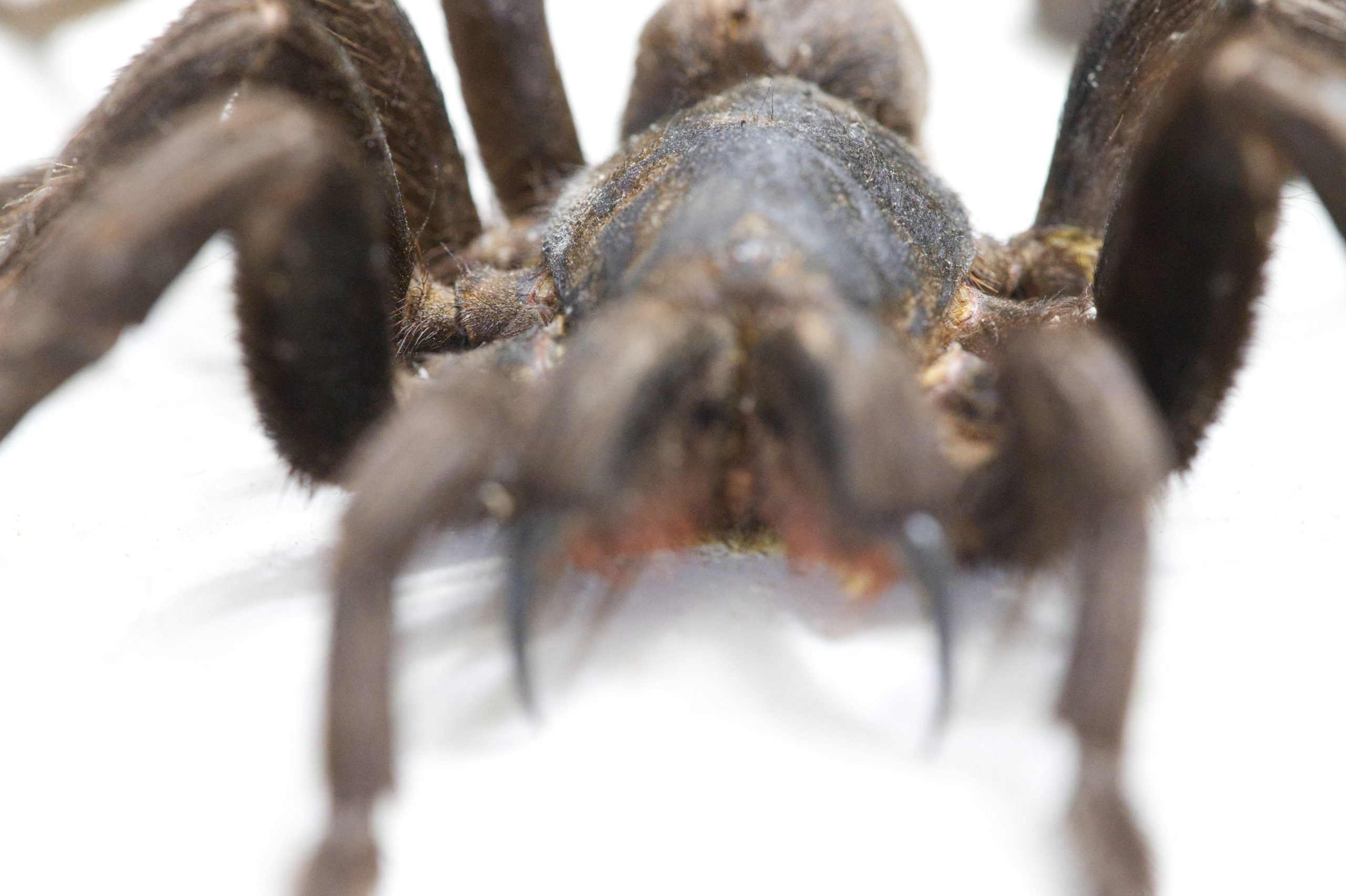
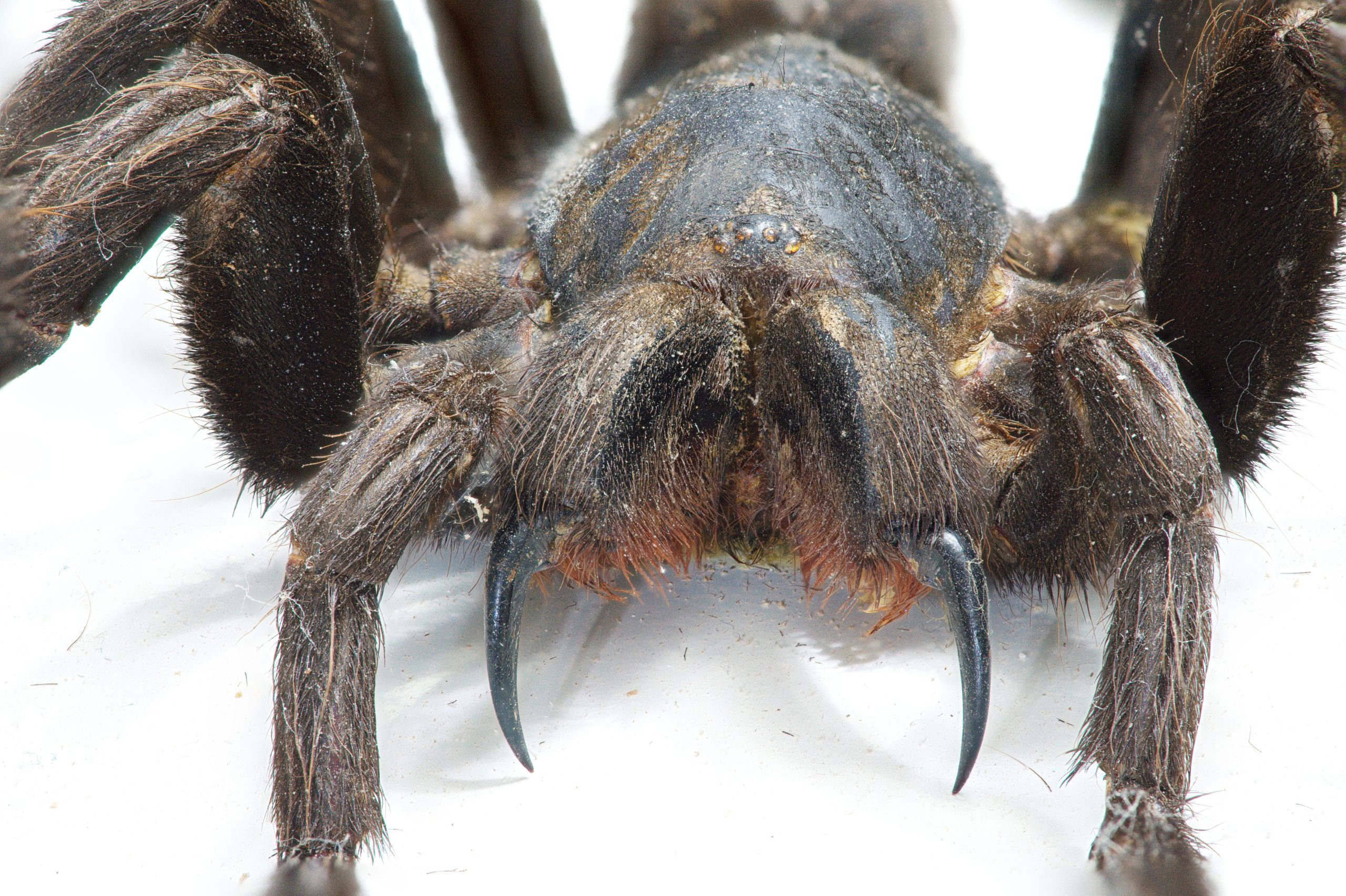
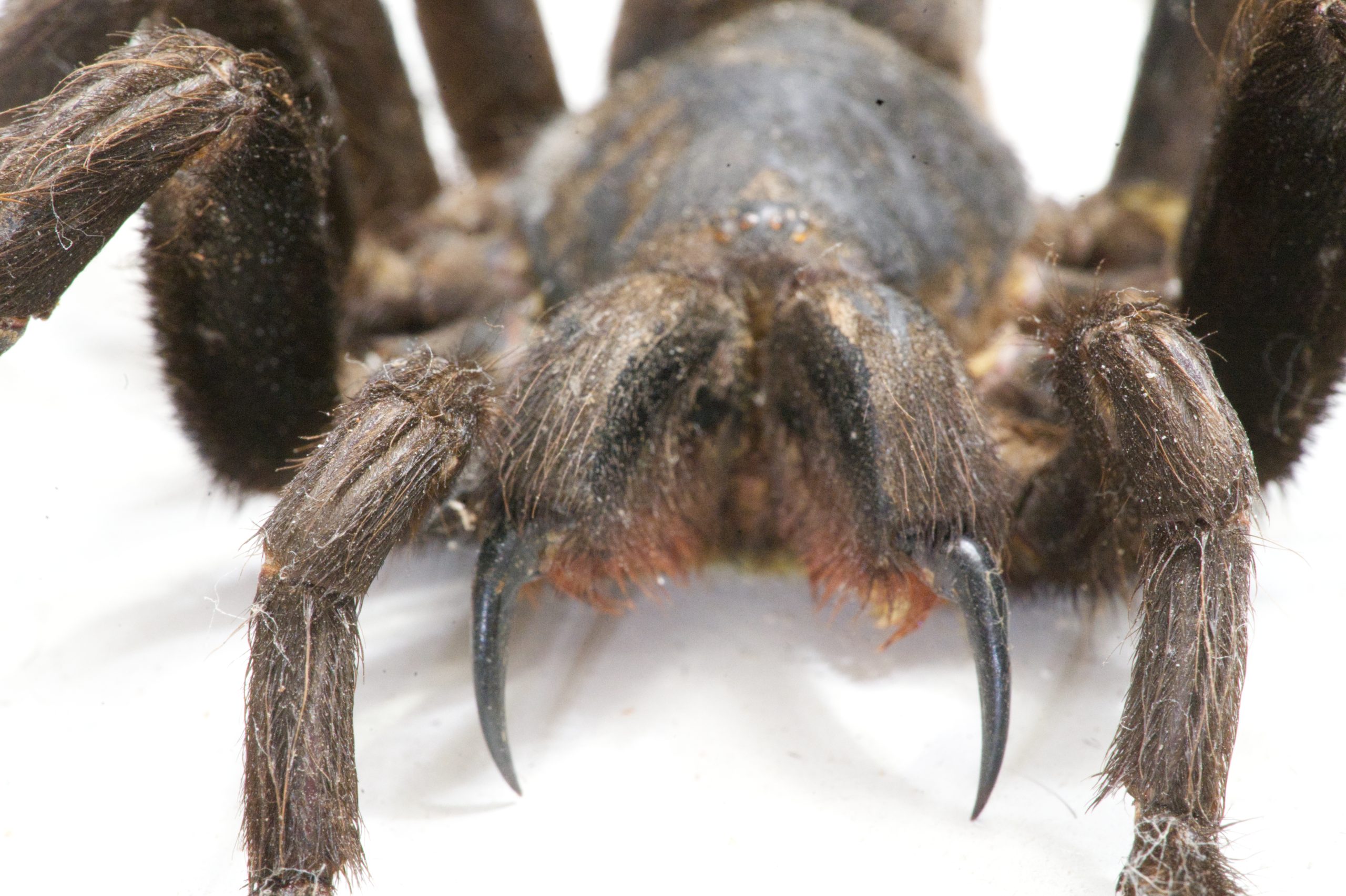
And when in need of a handy dandy close up subject I hauled out my extremely dead tarantula spider.  He has the benefit of being a rather large macro subject.  So I arranged the camera on a tripod at the minimum focal distance and set the bracket spacing to 4 out of 10 and selected 125 frames.  After the end I measured the length of the spider that was in focus in the bracket.  It came to about 2.5 inches.  Now this is a ballpark because there was an angle to the camera.  but this gives a decent idea of how many shots are needed to cover a depth of field.

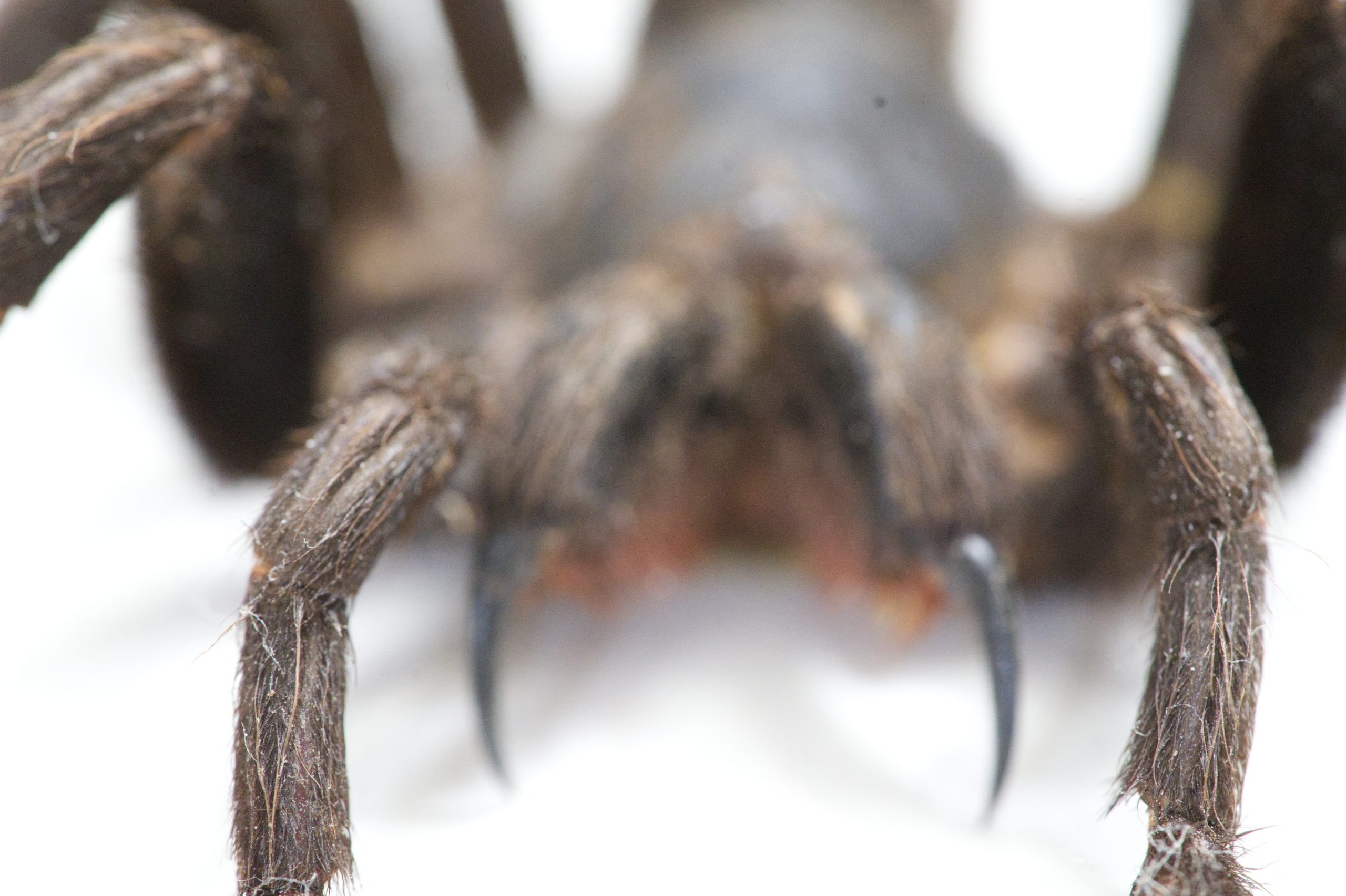
Here is the first bracket frame

Here’s the last (125th) frame

Here is the stacked composite

And finally here is a photo taken from the same distance at a very small aperture (f\18) as a comparison.

Now this stack took 50 minutes to crank out on my laptop.  Is it worth the time and effort?  I guess that’s a personal choice.  But I’m kind of enjoying playing around with a new technique.  And that’s probably the nerd in me showing through.


Update:

TomD commented:

As a lifelong certified arachnophobe, 2.5” inches is entirely too big (by at least an order of magnitude) for a live spider to be.

Thanks for the experiment! Enlightening!

Even with 4 steps/per frame x 125 frames, or 500 steps, it still didn’t get the abdomen. So 500 steps only covered around 1.75”?

That’s extremely unintuitive and approaching unusable.

As I said in an earlier post, the software that I played with at the camera club would have the entire object with 8-10 exposures.

Maybe that’s more a function of the lens than the software. I’ve done a lot of macro work using several lenses and noticed that macro lenses with a very close focus all have a razor thin usable depth of field. I wonder what would happen if you took a good prime lens in the 85+mm range, moved it back and tried the same experiment at something like f8?

You would have to crop in to get the same image size but I’ve noticed that ou A7IV’s can be cropped quite a ways and still have great IQ’s (image quality).

Using the setup specs of your experiment, I’d say that the upper dof limit is in the inch range.

photog replied:

Tom, I’m going to play around with this function.  I want to see what I can do with it.  It seems like an interesting tool that I might find some good applications for.  But I can see that it might not have any compelling uses for most people.

Sony A7 IV Focus Bracketing Test – 16NOV2024

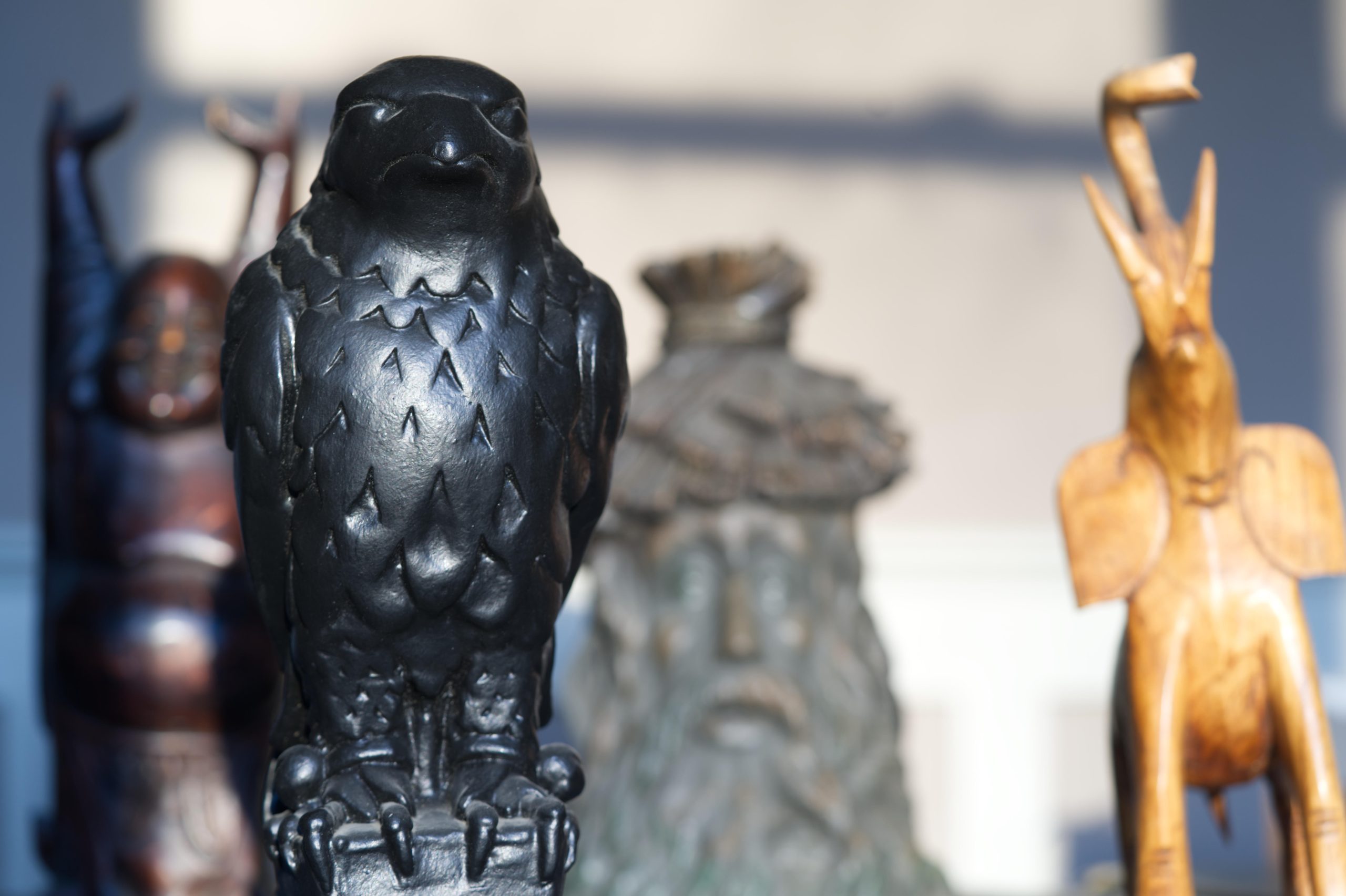
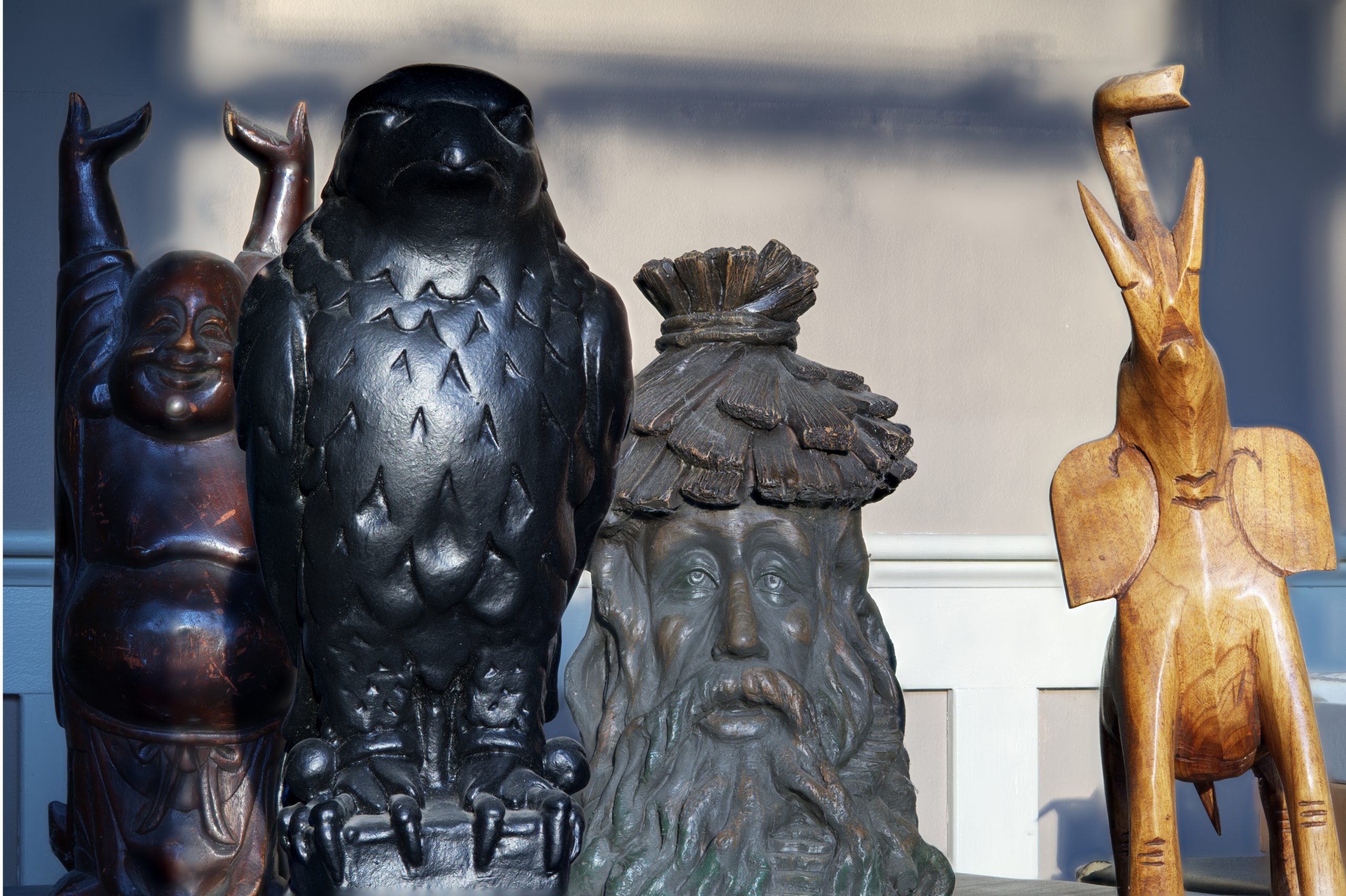
Welcome to the further adventures of me playing around with the newly added focus bracketing function on my Sony A7IV camera.  Although I was using the Sony 90mm macro lens this isn’t a macro bracket.  I set up a few small statues in a location that caught the late afternoon light and ran a hundred shots with a medium setting on the focus change.  I’ve attached the first file (1) and the last file (100) followed by the merged product.

(1)


(100)


merged product


Now this isn’t all that an exciting test.  Afterwards I though I probably should have included a shot at a very small aperture like F8 or F16 as a comparison of what can be done the old fashioned way without the software magic.  But I didn’t think of that before.

Anyway, just another test as I play around with my fun new toy.

Focus Bracketing Inside the Sony A7 IV – Part 1

Well, I couldn’t resist. I went on Sony’s website and found the pages with the firmware update (4.00). But upon reading the instructions I found out that since my firmware was at version 1.01, I had to first update my camera to version 1.05 before updating to version 4.00. The warning said that if I went straight to 4.00 it would cause an error and then I wouldn’t be able to fix the problem. Well, the camera gods are a jealous bunch and defying them is very unwise so along with many a grumble and even a few mumbles I went through the procedure twice.
1.01 to 1.05
1.05 to 4.00
And what do you know? It really worked. The drive menu had new options that included focus bracketing. After following the instructions from a YouTube video, I was able to quickly and easily run a quick bracket on a preserved tarantula spider specimen and send it through my focus stacking program (Affinity Photo) and, voila, edge to edge sharpness.

Now this was just a quick test. I had a kid’s party starting and barely got the files stacked before I had to go referee grandkids for Camera Girl. But it was definitely a proof of concept and I can see how this will work for even some field shots. Definitely usable for macro shots of plants like mushrooms and such and even for resting or sedate creatures like resting dragonflies and such. Of course, butterflies are out of the question. But a little testing is bound to bring up other applications.
So, all in all, this is an amazing surprise from Sony. Kudos to them for hearing my cries in the wilderness. Bravo, gentlemen, bravo.

Yes Virginia, There is a Santa Claus. But His Name is Sony!

At this point I considered attaching a video of the Hallelujah Chorus of Handel’s Messiah.  I had been waiting and hoping and praying that Sony would add focus bracketing to my Sony A7 IV camera by a firmware update but had more or less given up.

They did it!  Well, they made the update but I haven’t updated my camera yet.

But I watched the video below and did a quick jig around my house and am now calming down enough to type this post.

Ah hell, let’s add the Hallelujahs!

TomD replied:

Really!!??

I’ve been wanting focus bracketing for years! Years ago, FB was a relatively expensive windows or apple program and you had to shoot with the camera tethered to a computer. What a PIA.

I’m gonna update right now.

It can immediately help with a number of different types of shots I do. Aircraft in a museum for example. Museums are crowded with a constant problem of subject isolation. Far enough out to get the entire plane in the shot and there is a LOT of stuff competing for attention. Close enough with a wide angle and there is the depth of field problem.

photog replied:

I had to do two updates.  First I had to go from version 1.01 to 1.05.  Then 1.05 to 4.00.  But it worked.  I’ll load up the trial macro focus bracket soon.  It’s much easier than the damn tether.

Sony A7 IV to Get Focus Stacking

So I check out the Sony camera rumors at (where else?) sonyalpharumors.com pretty regularly.  So what do I see today?

And at the bottom of the short article it says

One reliable source told me that the Sony A7IV will get a new firmware update 2.0 within the next couple of days! Another source told me that the new firmware update will include Focus Stacking.

Now focus stacking is a wonderful option for a macro-photographer.  Instead of hooking up some hokey laptop program or a manual focus advance trigger you just select the focus stacking option and let the camera do the work.  Now Olympus gave this option to its customers years ago.  But Sony, this giant electronics powerhouse isn’t up to the simple firmware update it would take.  So seeing this really got me excited.

But sonyalpharumors is called rumors for a reason.  I’d say the chance of focus stacking being in the update is 10%.  But hope springs eternal.  So fingers crossed.


Update:

This was a total myth.  Nothing came of it.  The only hopeful sign is that Sony is now beginning to provide some upgrades to their cameras on a pay basis.  Maybe that presages a larger effort to provide firmware upgrades that people would pay for.


Active Insect Macro Technique on Sony A7IV – Continuous Auto-Focus vs. Single Auto-Focus and Magnified View

When I was using the earlier Sony A7 cameras for insect macrophotography it was always a struggle to manage to get good focus on active insects like butterflies and bees.  When magnified view appeared in the A7S (and elsewhere) I started using that to get really close focus on the heads of bees and other small critters.  But the challenge was to perform the magnification button clicks and focusing before the little buggers moved on.  And another complication is that only single auto-focus and manual focus work with magnified view, not continuous auto-focus.

So recently I decided to try using continuous auto-focus instead of magnified view with the active insects.  And I’m satisfied that, all things considered, this is the better technique.  Probably those coming from camera models with a longer history than Sony of competent auto-focus are not surprised by my finding.  After all, continuous auto-focus isn’t a new technology.  But it is to me.  Having competent auto-focus on a Sony A7 camera is a relatively recent phenomenon.

What I think are the big advantages of this technique are really just the lack of the disadvantages that the magnified method has.  With the continuous autofocus method there is no rush to try to restart the magnified view after every capture.  This alone is worth a lot.  Between continuous auto-focus and multiple shooting modes I can take a dozen shots in the three or four seconds it takes to get two shots using magnified view.  And sometimes that is all the chance there is to get the shot.  Looking at the results confirms that the number of keepers is much higher.  Not to mention how much lower the annoyance and frustration levels are when shooting this way.  It makes it easier to keep a handle on the environment and react to the movements of the insects faster.  And this should be obvious.  When in magnified view there’s no way to find the bug when it flies to a new location.  You’re force to take the camera off your eye to find the insect again.  Often, you’ll have to back it out of magnified view and start over once you relocate the target.

So, here’s my restating of the obvious but if it helps anyone else out there in Sony camera world then good.

Macro Autofocusing with the Sony A7 IV.  Some Tests and Thoughts

Lately I’ve been changing the way I take macro shots of active insects like bumble bees.  Previously I have used magnification and single AF.  This works well for slow insects.  But not as well for fast moving butterflies and bees.  So talking to someone who does a lot macro he recommended continuous autofocus.  So I tried it.  One problem is that magnified view doesn’t work during continuous AF.  But what I did find was that the keeper rate did improve greatly for fast movers like bumble bees.

And that got me thinking.  A-mount lenses also don’t have magnified view in AF modes.  So it occurred to me that these lenses would also become more accurate in continuous AF macro shots.  So I tried out the Minolta 200mm f\4 macro lens and it worked quite well on larger insects like bumble bees and dragon flies.  Then I tried it on really tiny flies and this was haphazard.  For these I found throwing it into manual focus and using magnified view was the only way to get really tiny critters in perfect focus.


And that is limiting with live creatures in the outside environment where every puff of breeze ruins the focus.  So this leads me to think that the 200 macro will be limited to larger insects.  The Sony e-mount 90mm macro will be much better for the really tiny things.  And for slower insects I’ll use magnified view and single AF.  For faster bugs I’ll go with continuous AF and spray and pray I get the perfect shot.

Guest Contributor – TomD – Sony A7 IV Camera First Impressions

Tom | Flickr

(Editor’s Note – I’ve decided to collect Tom’s observations into a separate post and I’ll update it as they come in.  I’m very interested in these observations as I wait for my A7 IV to wend it’s way through the delivery chain. – photog)


The A7IV showed up unexpectedly early last Friday the 24th. Your’s?

Cameras are so complicated these days at configuring one to my preferences is almost like moving to a new house.

Sample below, some of the wife’s yard decoration.

DSC00104.jpg
DSC00104.jpg

,,,


I haven’t had a chance to wring it out yet. Other than the impression that focus seems to be instant in all circumstances and that the form factor is more comfortable in my hand, I don’t have a lot to report.

To someone who has had a succession of now 8 Sony cameras, the much-ballyhooed new menu system just means that I have to relearn the menu system. The function button above the control wheel thankfully still gives immediate access to 95% of the functions that I use the most. And you also still have 7-8 buttons and controls to which you can assign functions.

I’m looking forward to playing with the face and eye tracking.

Still playing with the camera, it will take a while.

Just learned a couple of things, my camera, at least, does much better images with the exposure dial kept to -.7.

Tried several exposure stacking series and found that, in aperture priority, the camera mostly but not always creates the different exposures by varying the ISO. All the other Sonys have always varied only the shutter speed. One series inexplicably varied both ISO and shutter.

Big disappointment: My LA-EA 4 does not function at all with this camera.

On the other hand, the focus on my 90mm f2.8 macro has always been sluggish and hunting on my other cameras but it is instant and responsive on the A7IV. The eye autofocus is unbreakable on my animals around the house


30DEC2021 Update

Here is a a shot of mine wearing a 28-70 f2.8 lens.

DSC03882.jpg
DSC03882.jpg